

Commercial Roof Repair, Replacement & Maintenance
Property Types We Roof
in Everett, WA
A roof project changes with the building below it. A distribution operation may need dock access preserved; a school may need work phased around occupancy; an aircraft hangar may limit roof access. In Everett, local properties also operate through a wet fall and winter season, making drainage and daily dry-in practical concerns. We inspect the assembly and the use of the space before defining repairs or renewal. Property type guides the questions, while field evidence determines the scope.
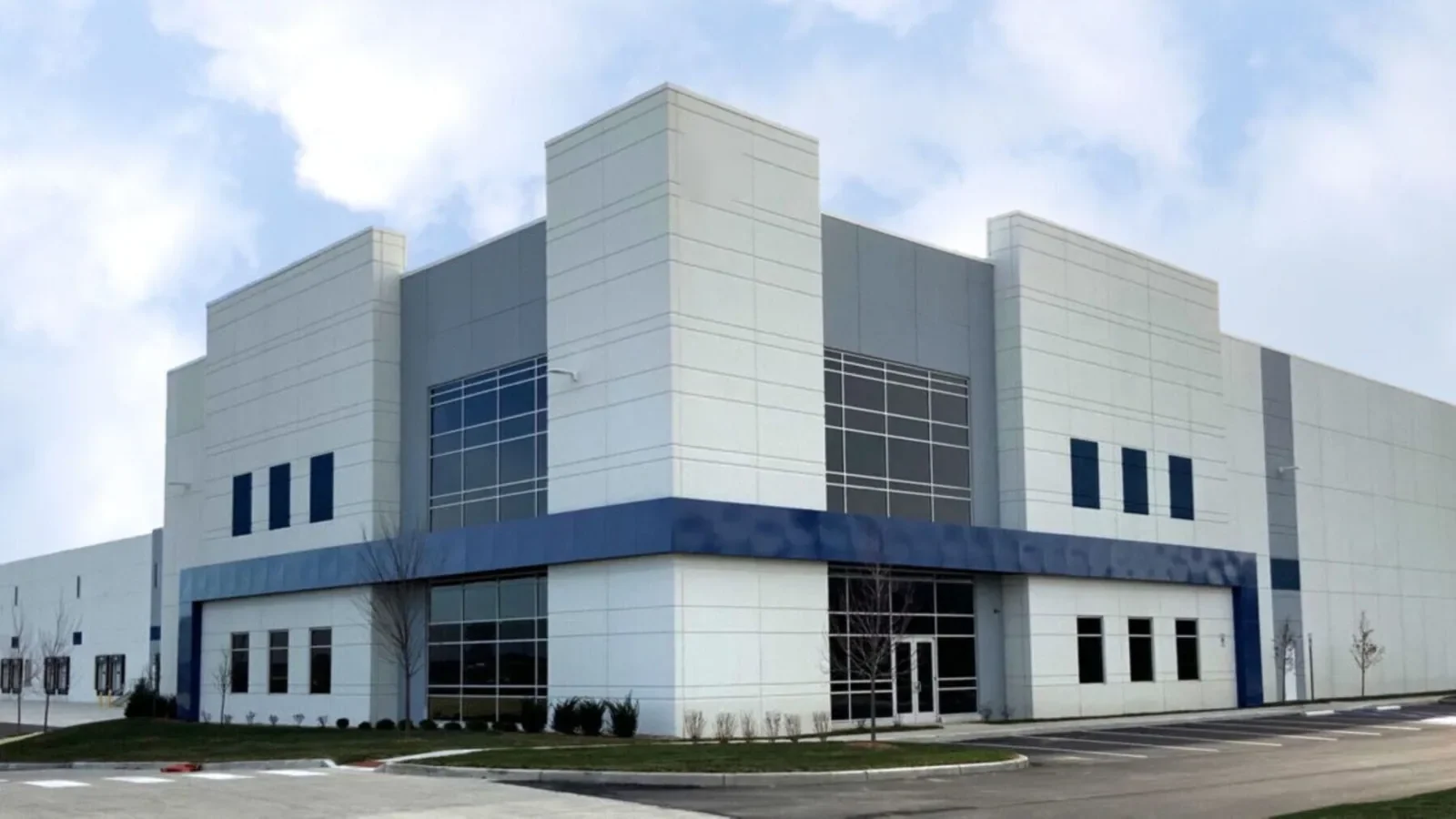
Warehouse Roofing
Everett warehouse roof inspections trace leaks, drain problems, membrane wear, and access constraints into repair scopes that keep receiving areas operating.
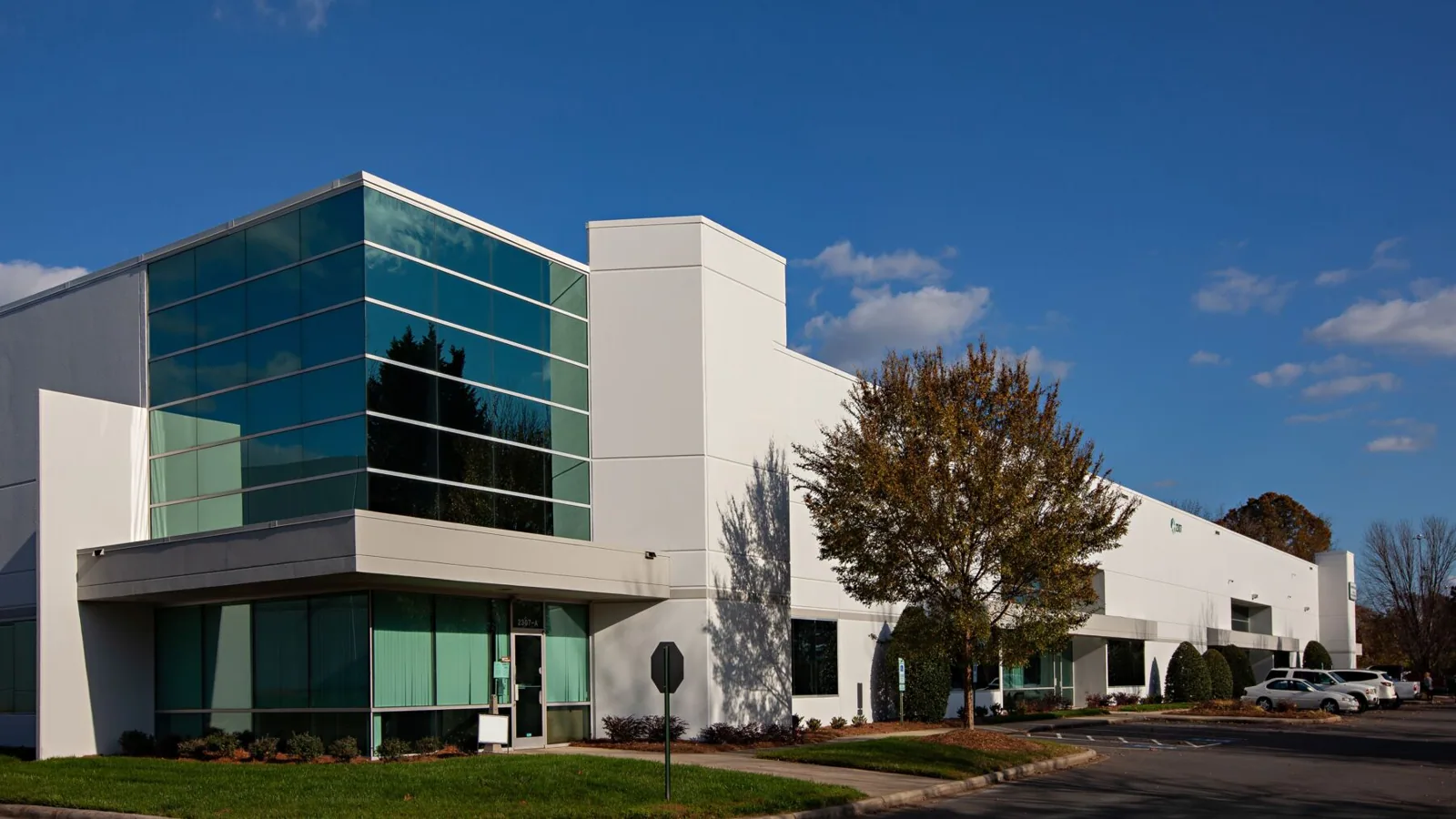
Distribution Center Roofing
Everett distribution center roofing reviews trace leaks, roof traffic, drains, equipment curbs, and phasing needs across active fulfillment operations.
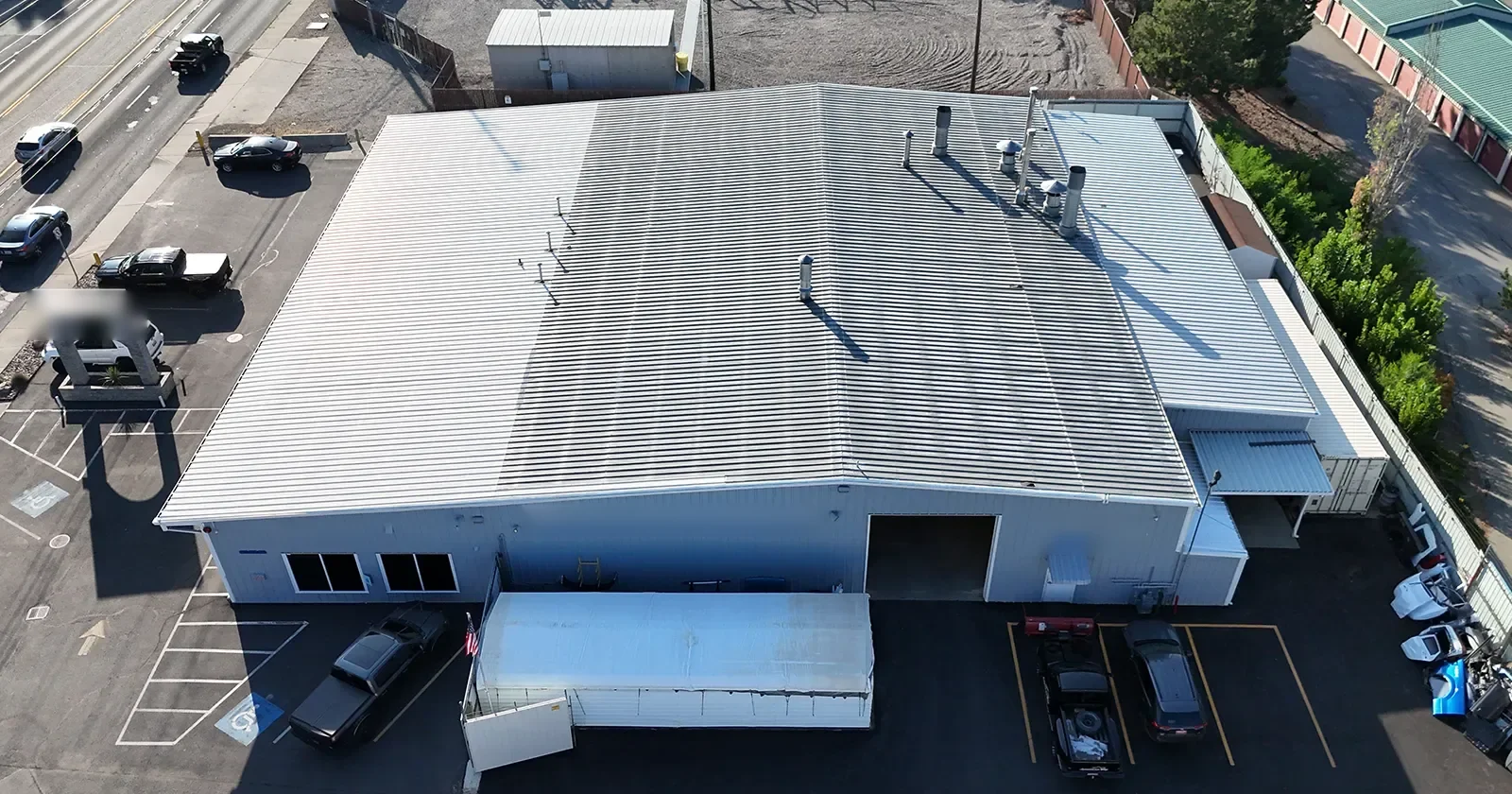
Manufacturing Plant Roofing
Everett manufacturing plant roofing inspections evaluate membrane, exhausts, vibration, drains, and phased work near active production lines.
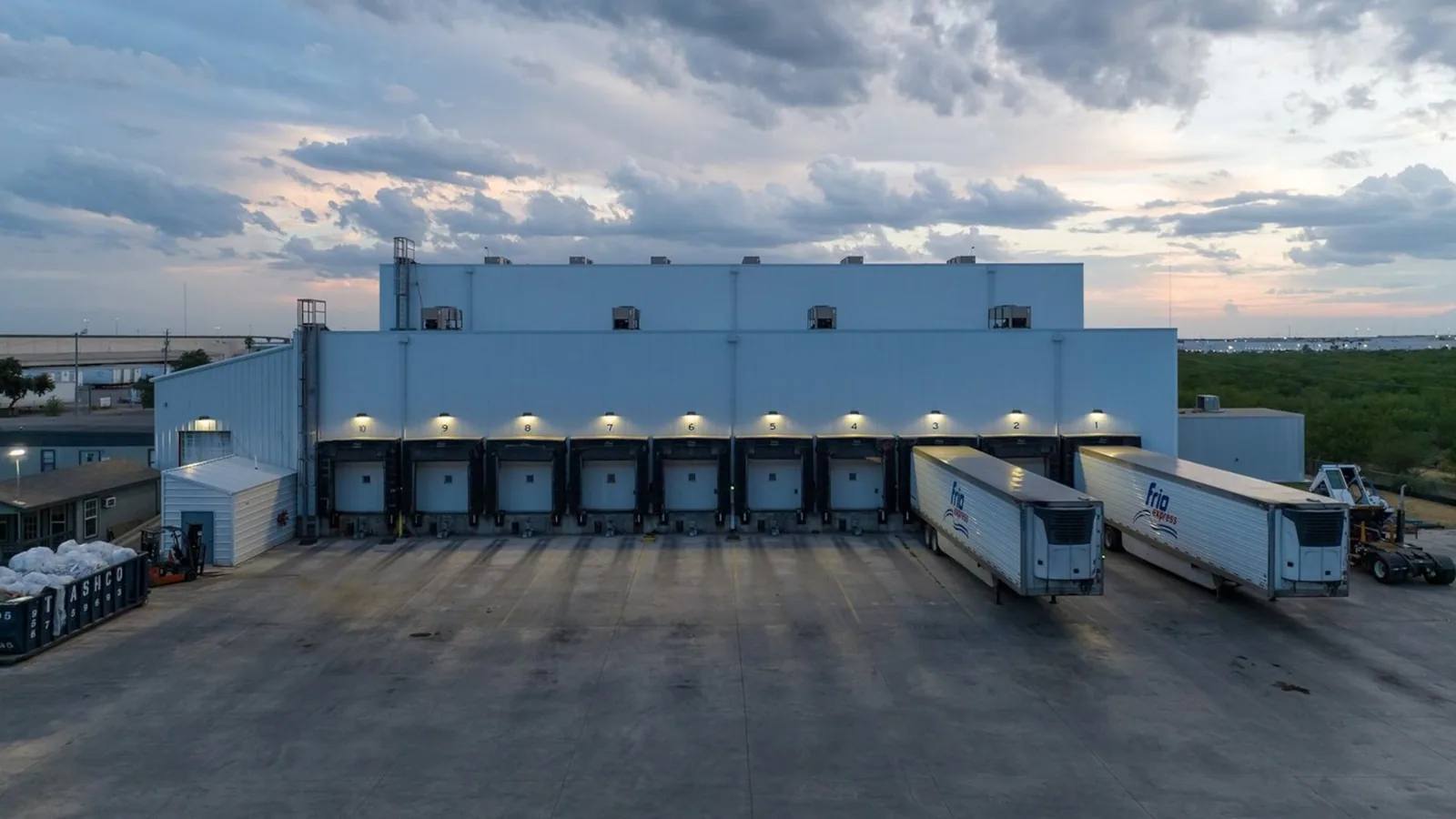
Cold Storage Roofing
Everett cold-storage roofing reviews vapor control, insulation, drains, and phasing before repairs affect temperature-sensitive operations.
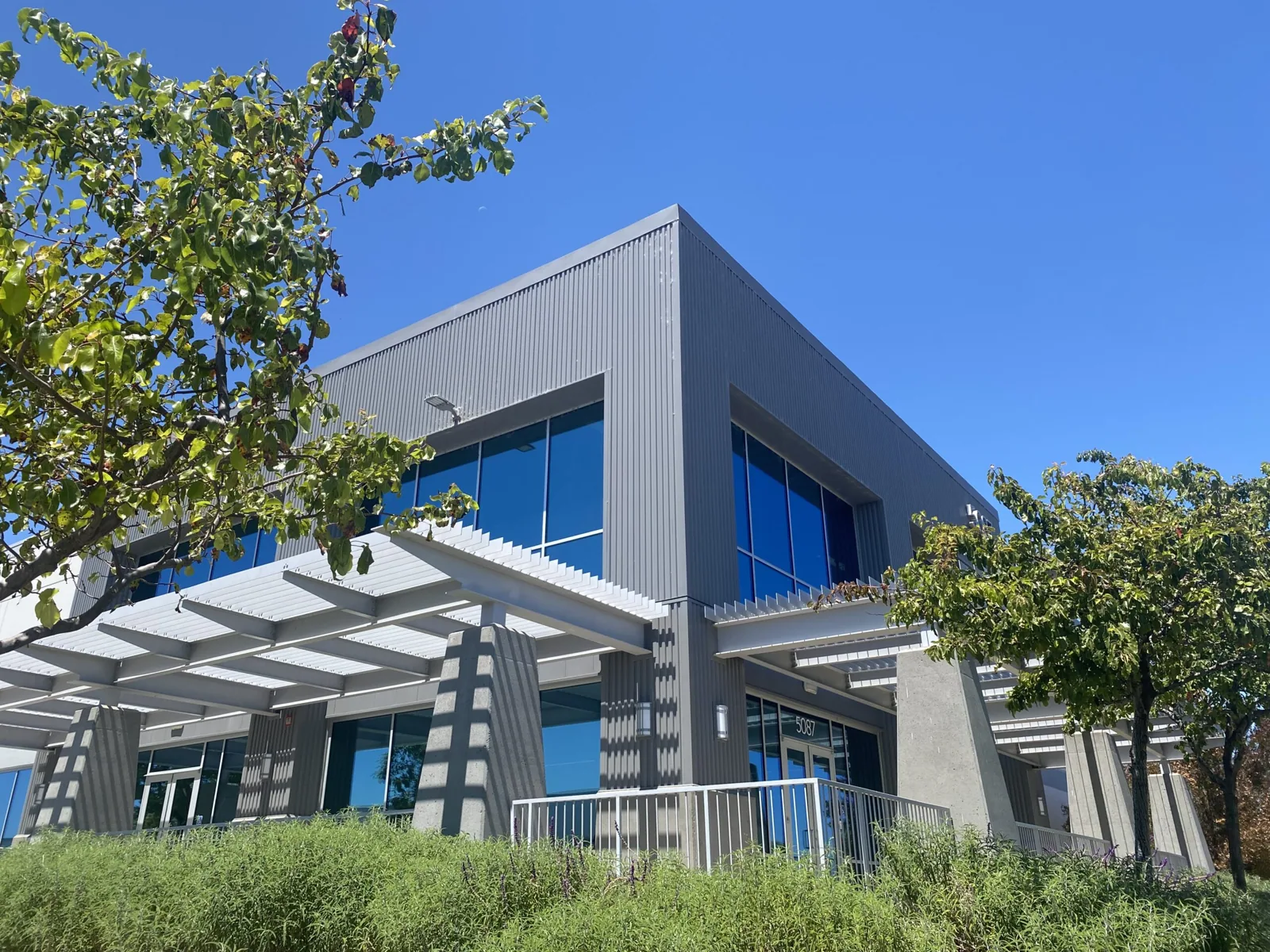
Data Center Roofing
Everett data-center roof evaluations inspect cooling equipment, penetrations, drainage, moisture, and work phasing around critical operations.
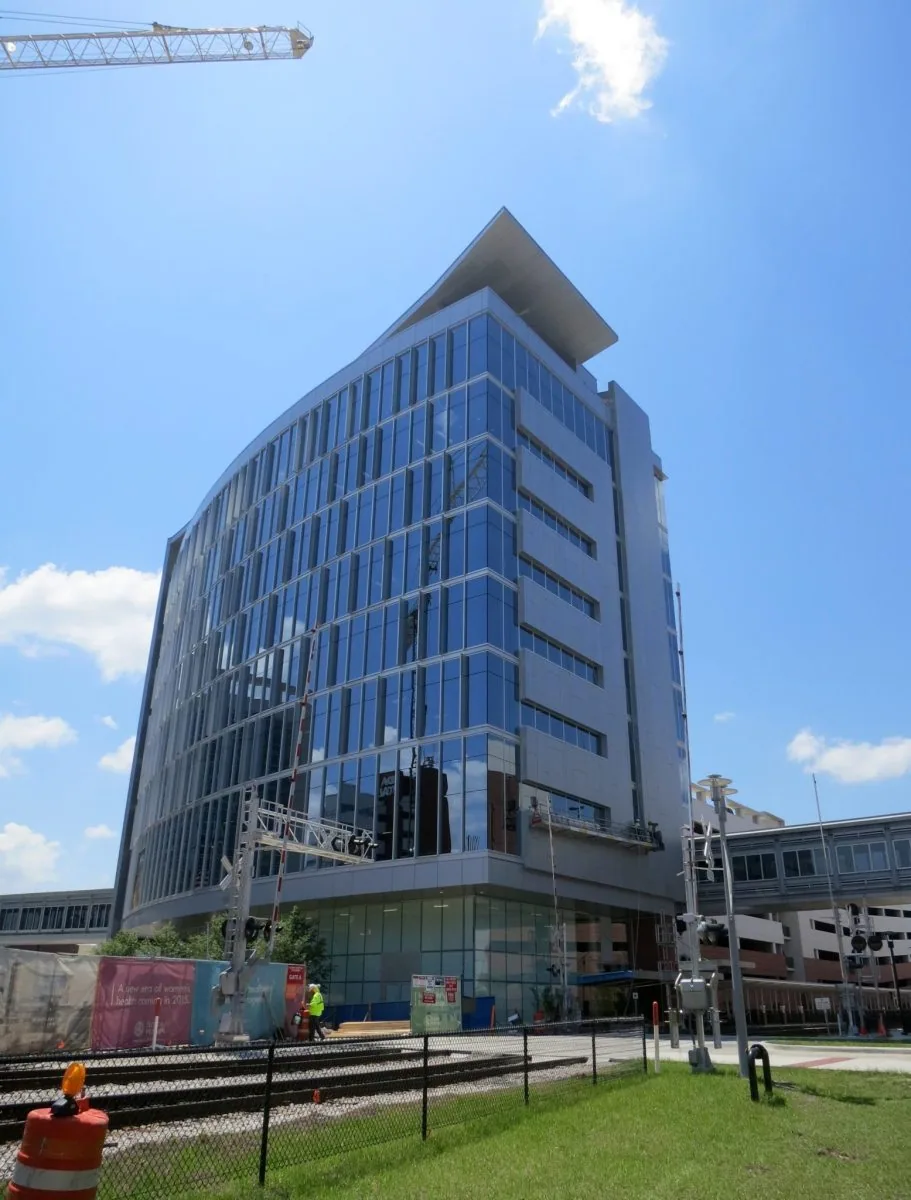
Office Building Roofing
Everett office-building roofing services trace roof leaks, equipment curbs, tenant impacts, and access limits into documented repair scopes.
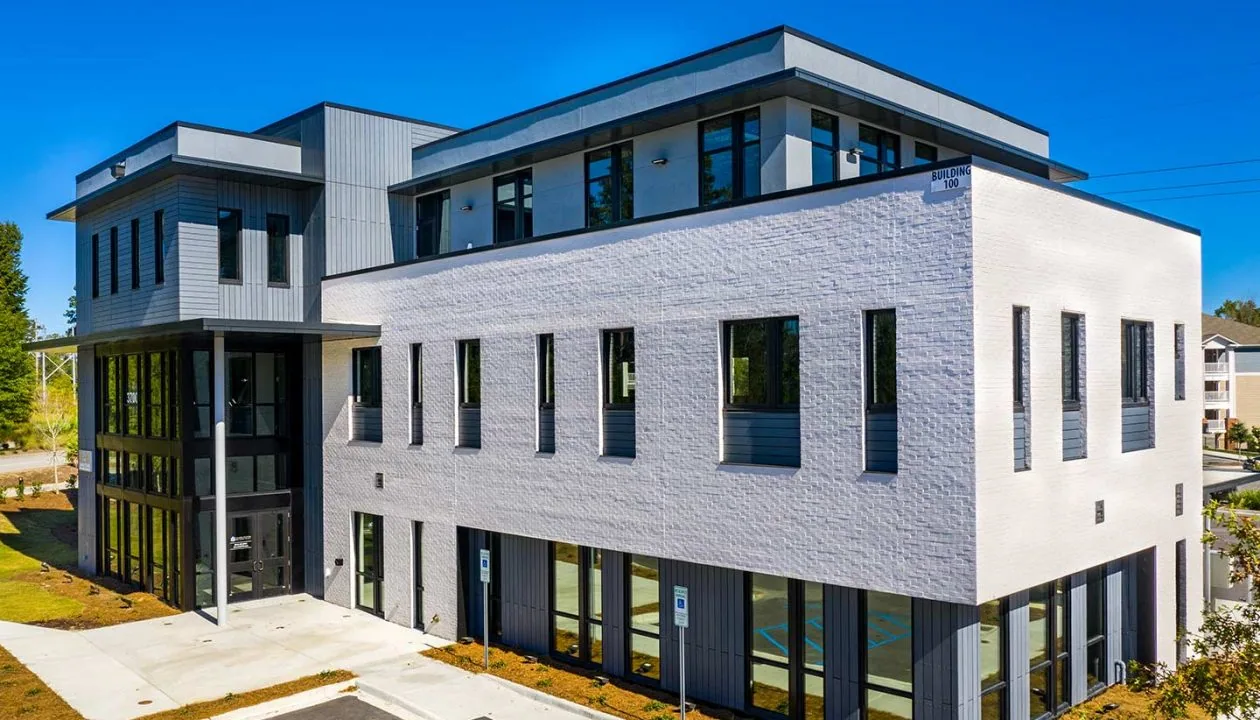
Medical Office Roofing
Everett medical-office roofing inspections trace leaks, rooftop equipment, patient-area impacts, drainage, and phased repair access.
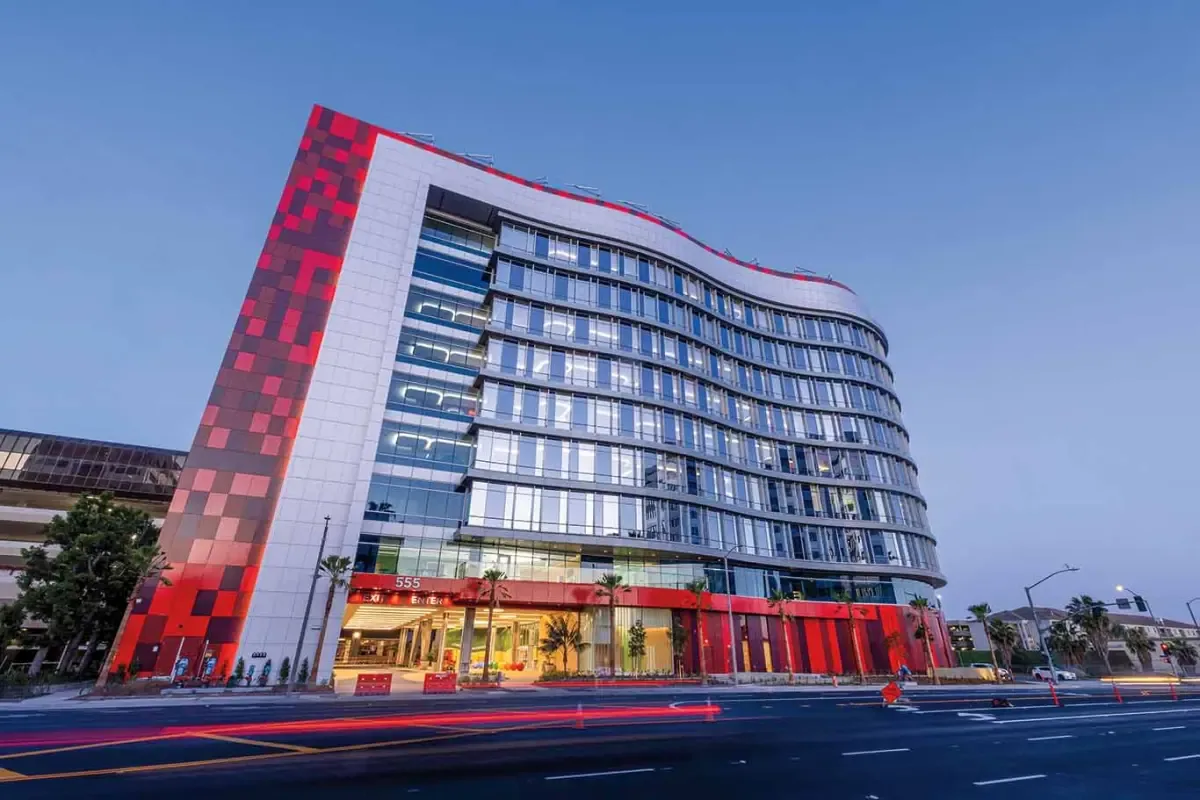
Hospital Roofing
Everett hospital roofing inspections map leaks, mechanical transitions, drainage, and phased access while coordinating work with healthcare operations.
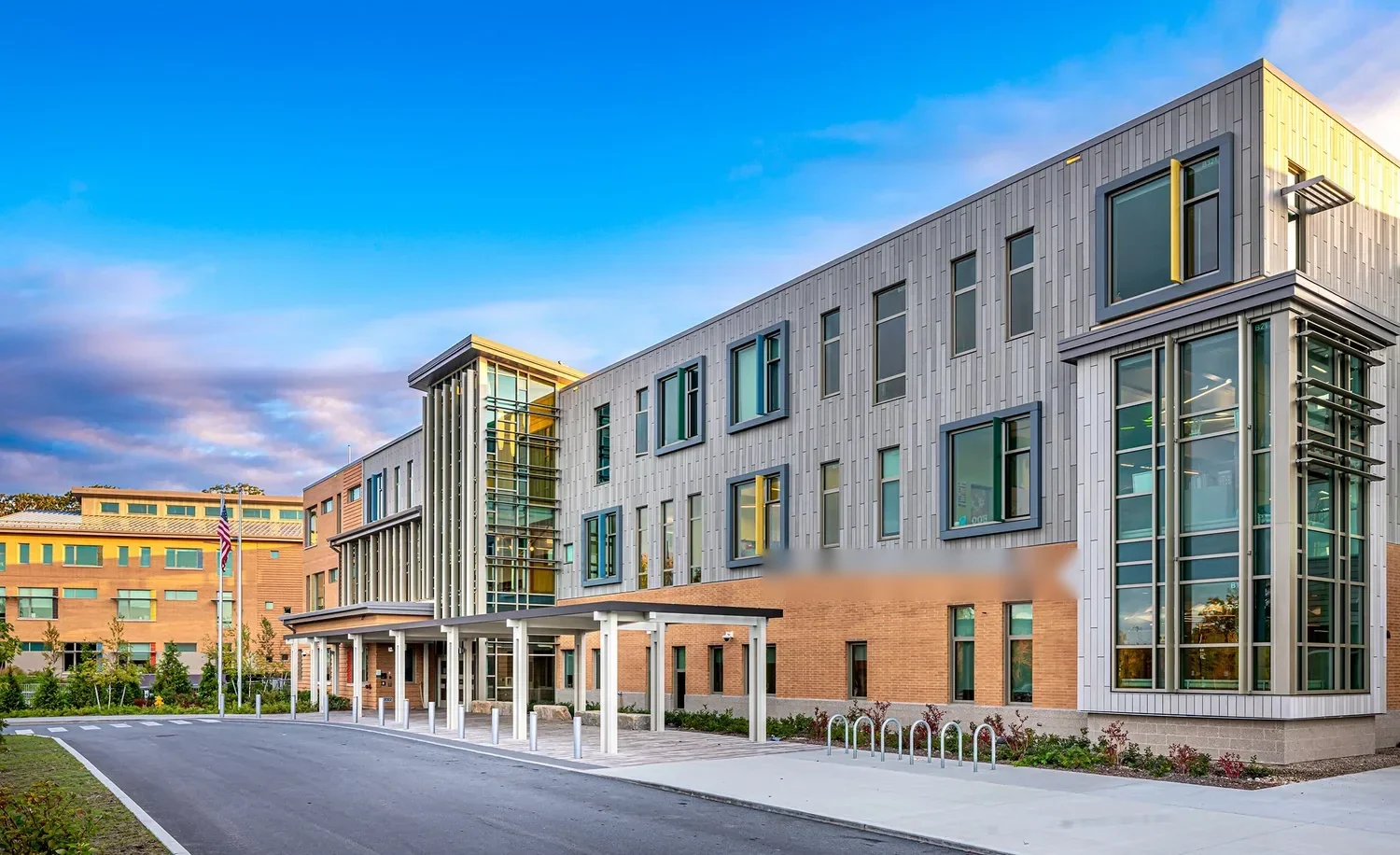
School Roofing
Everett school roofing inspections trace leaks, drains, classroom impacts, and summer work windows into a documented campus repair plan.
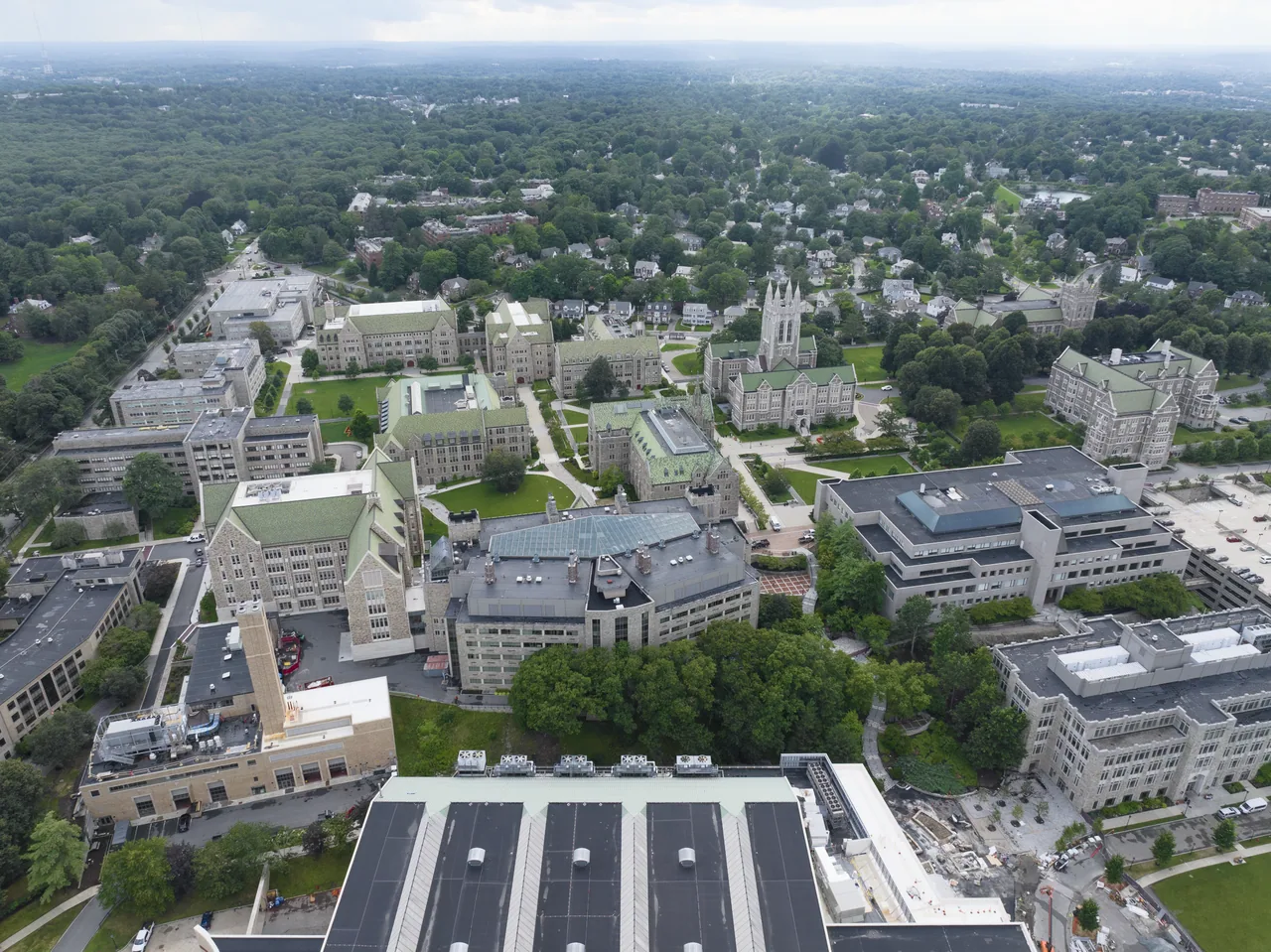
College and University Roofing
Everett college and university roofing plans inspect varied campus roofs, interior impacts, drains, and phased access around academic operations.
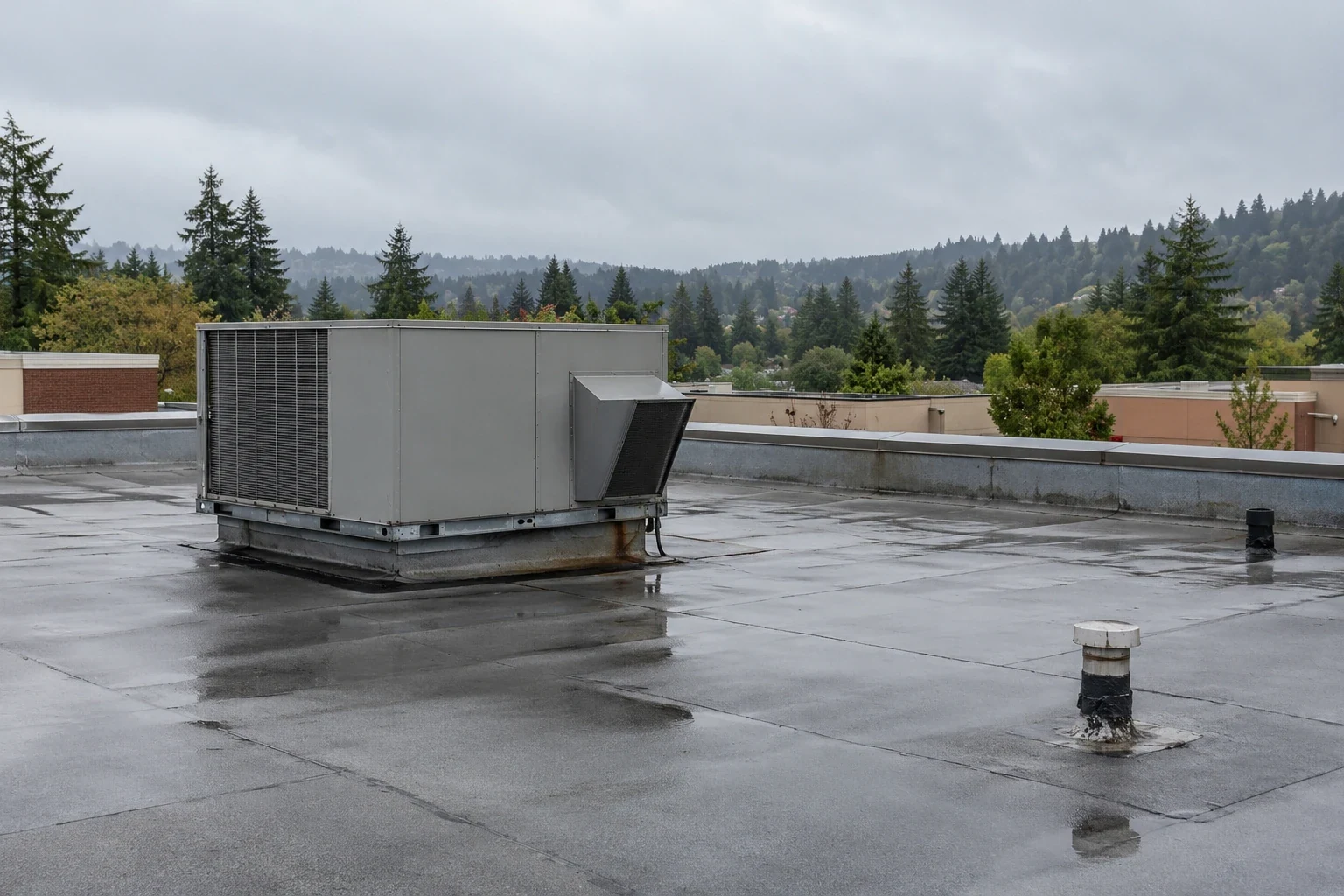
Shopping Center Roofing
Everett shopping-center roofing reviews shared drains, tenant reports, parapets, rooftop equipment, and phased access across retail buildings.
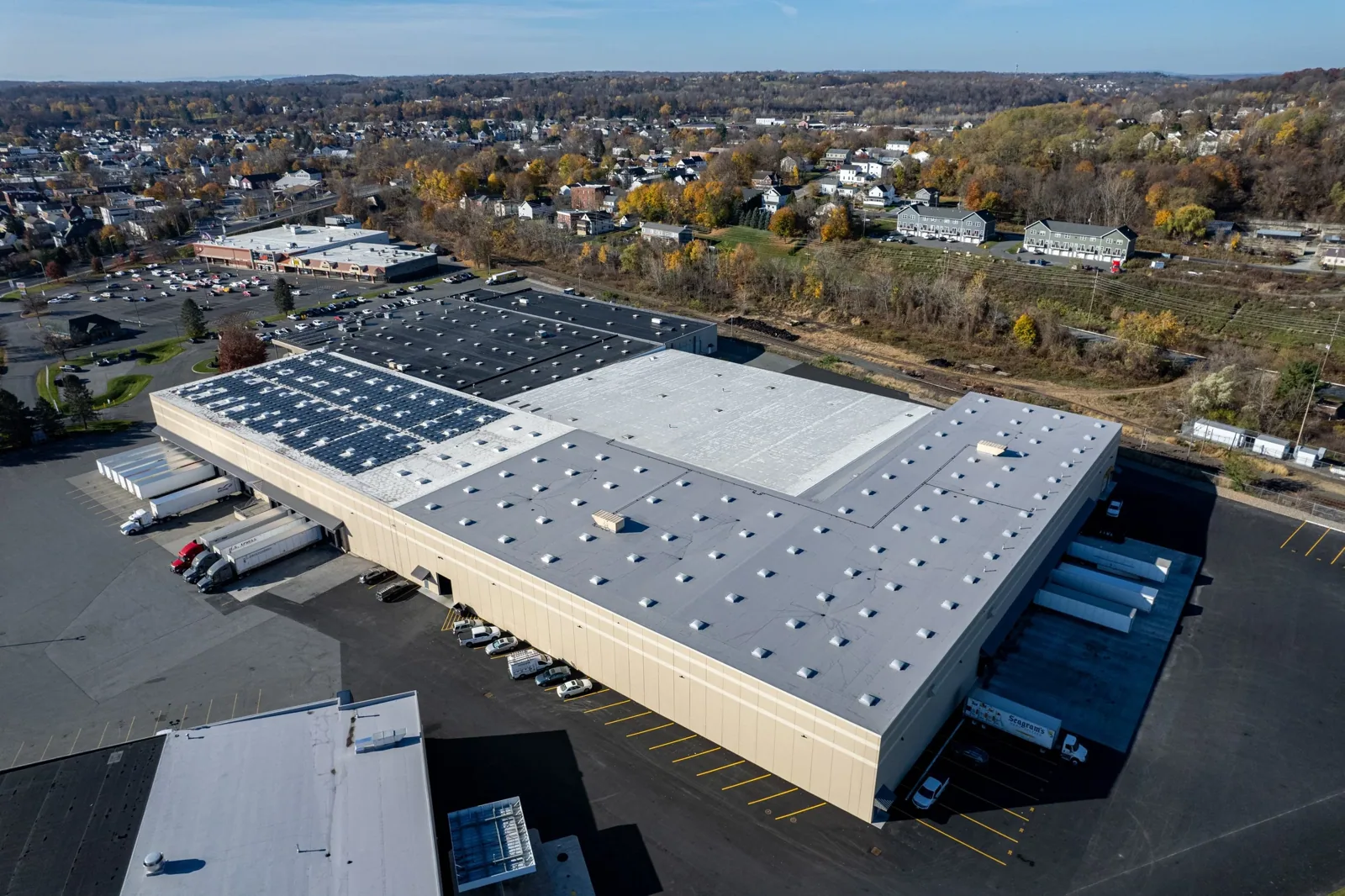
Big-Box Retail Roofing
Everett big-box retail roofing inspections assess drains, rooftop units, skylights, inventory exposure, and replacement phasing plans.
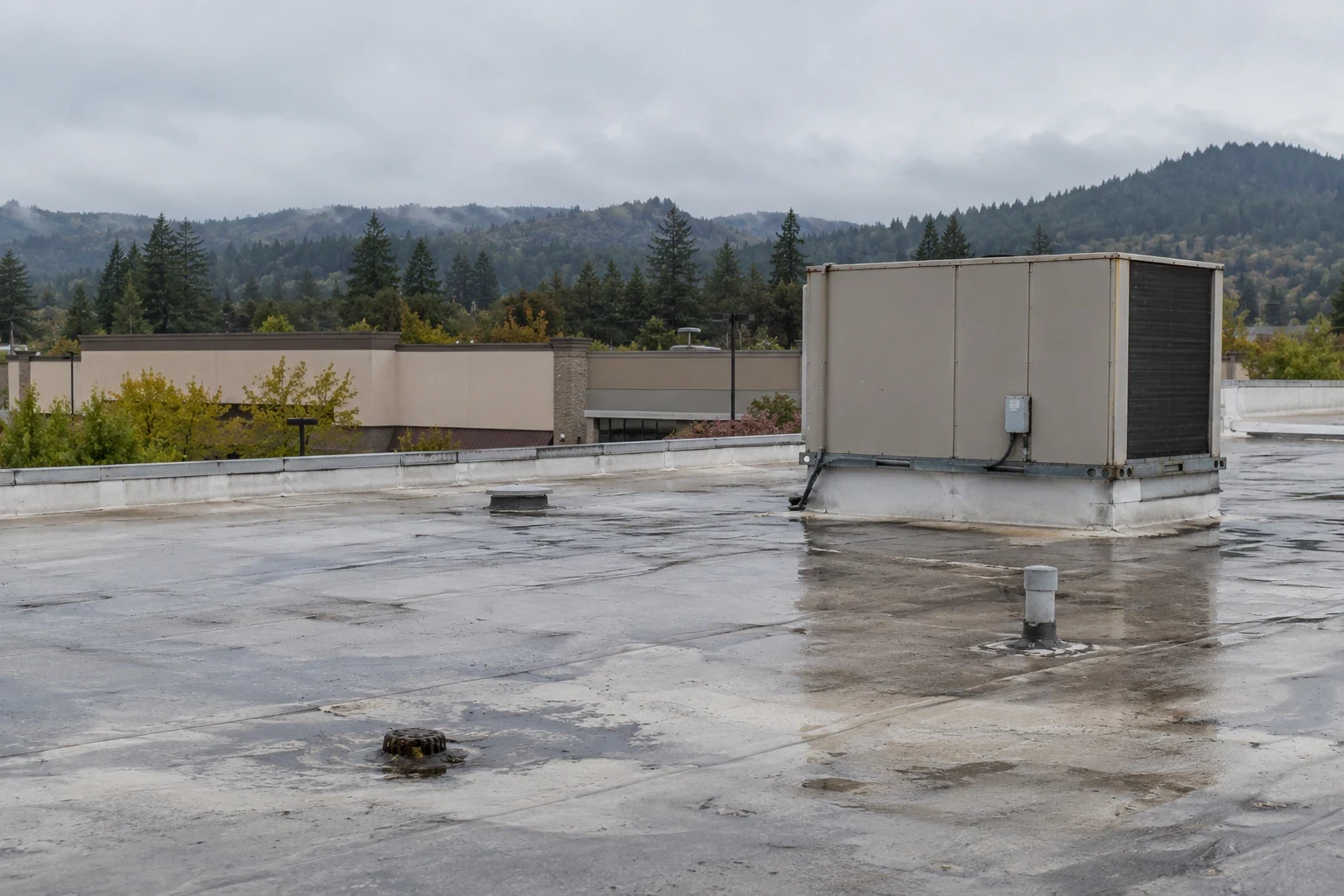
Grocery Store Roofing
Everett grocery-store roofing inspections trace leaks around refrigeration equipment, drains, exhausts, and active receiving areas.
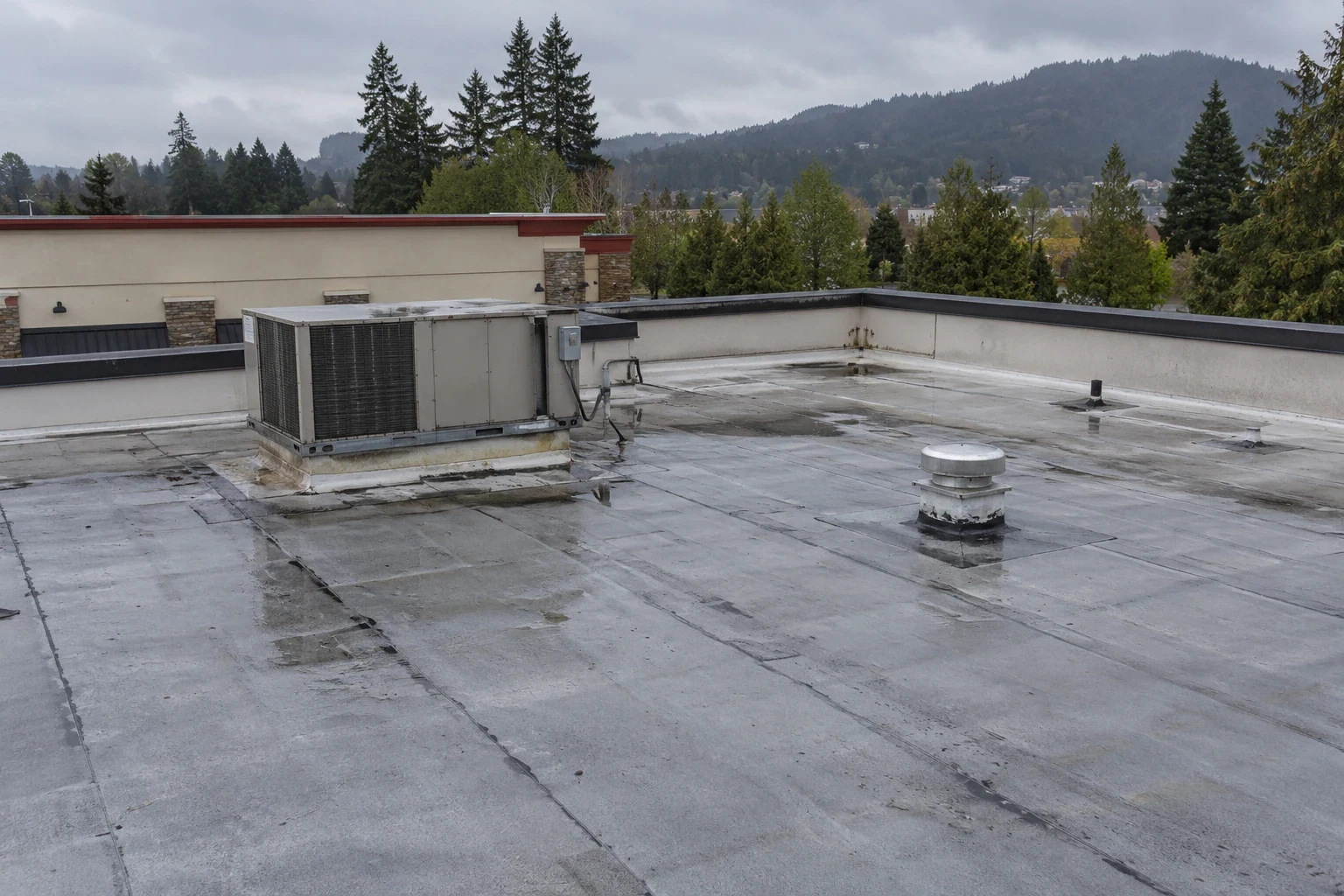
Restaurant Roofing
Everett restaurant roofing inspections review hood exhausts, rooftop units, drains, service access, and leak impacts around dining and kitchen hours.
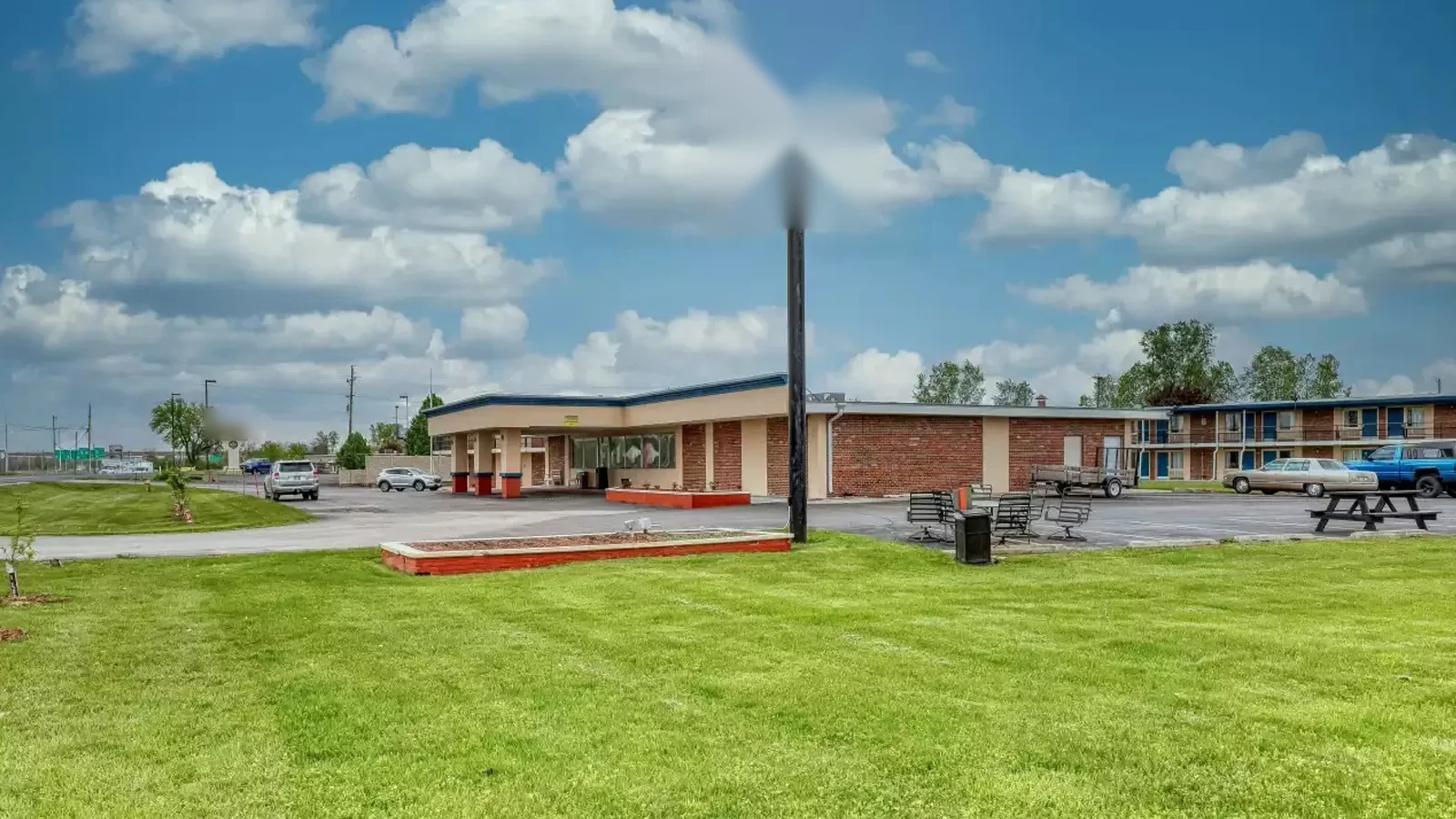
Hotel Roofing
Everett hotel roofing inspections trace guestroom leaks, rooftop equipment, drains, and work phasing around occupied floors and service access.
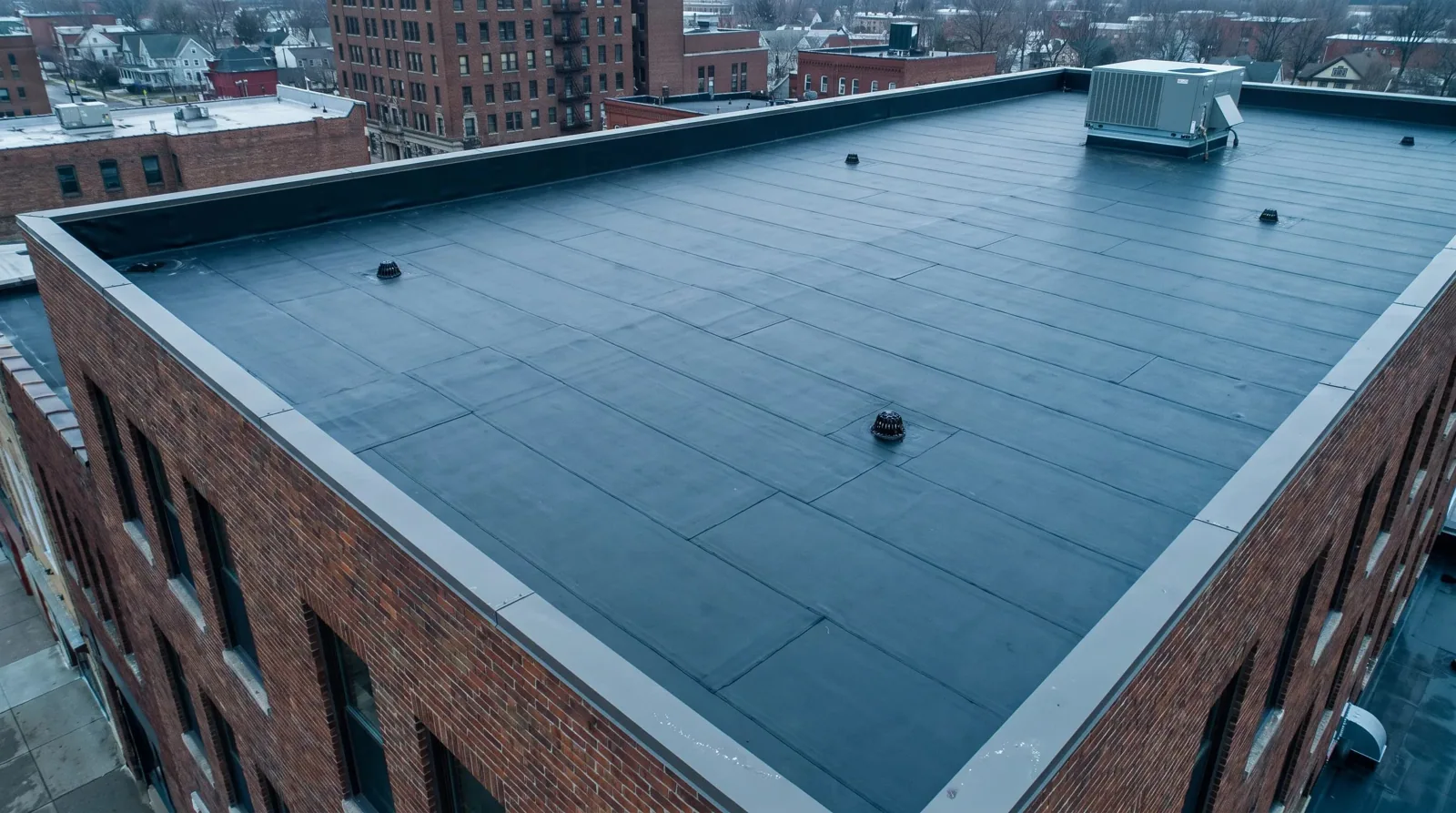
Apartment Building Roofing
Everett apartment roofing inspections trace leaks across units, drains, rooftop equipment, and tenant access before setting repair boundaries.
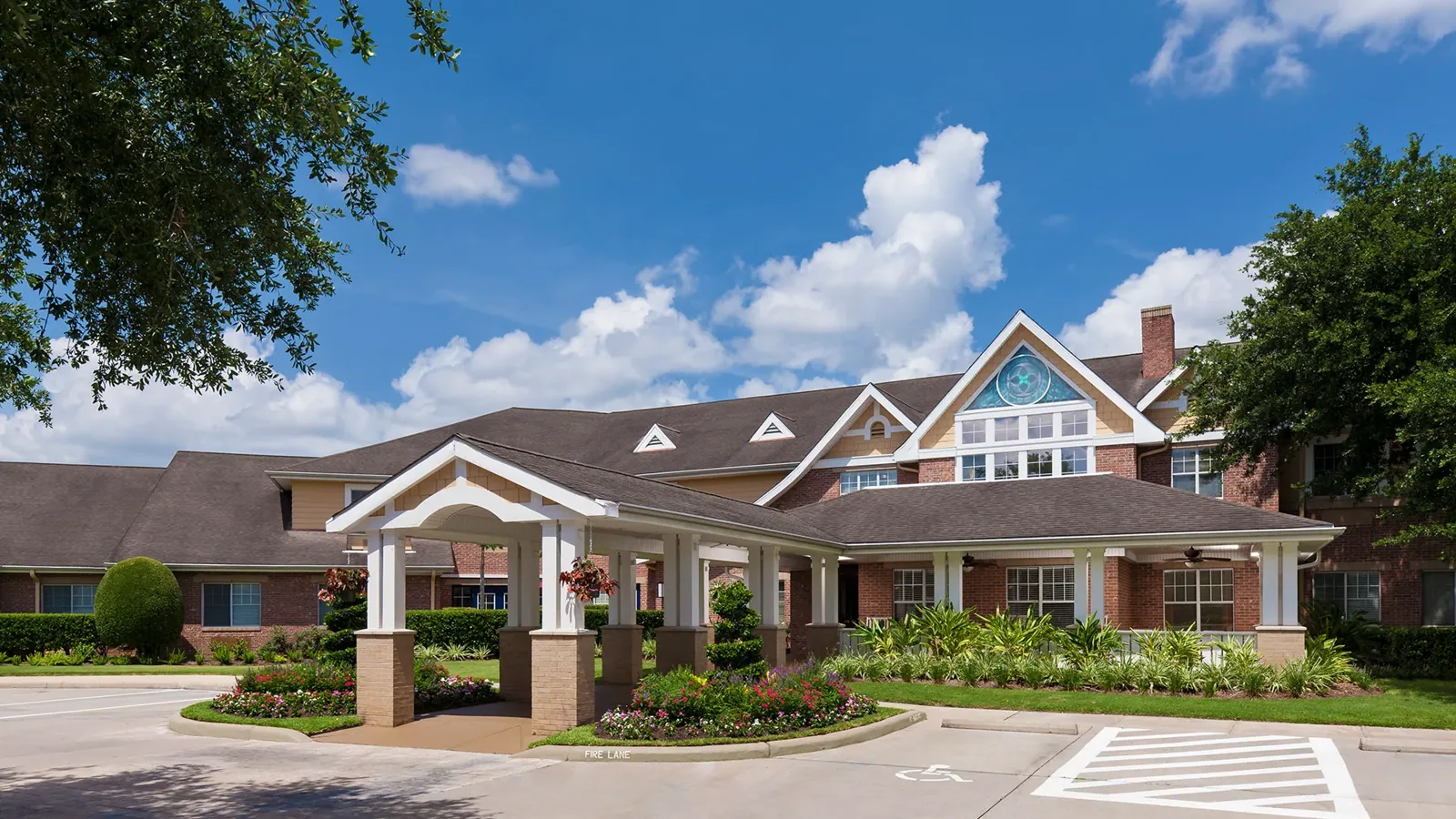
Senior Living Roofing
Everett senior-living roof inspections trace leak paths, drains, equipment, resident access, and phased work around care operations.
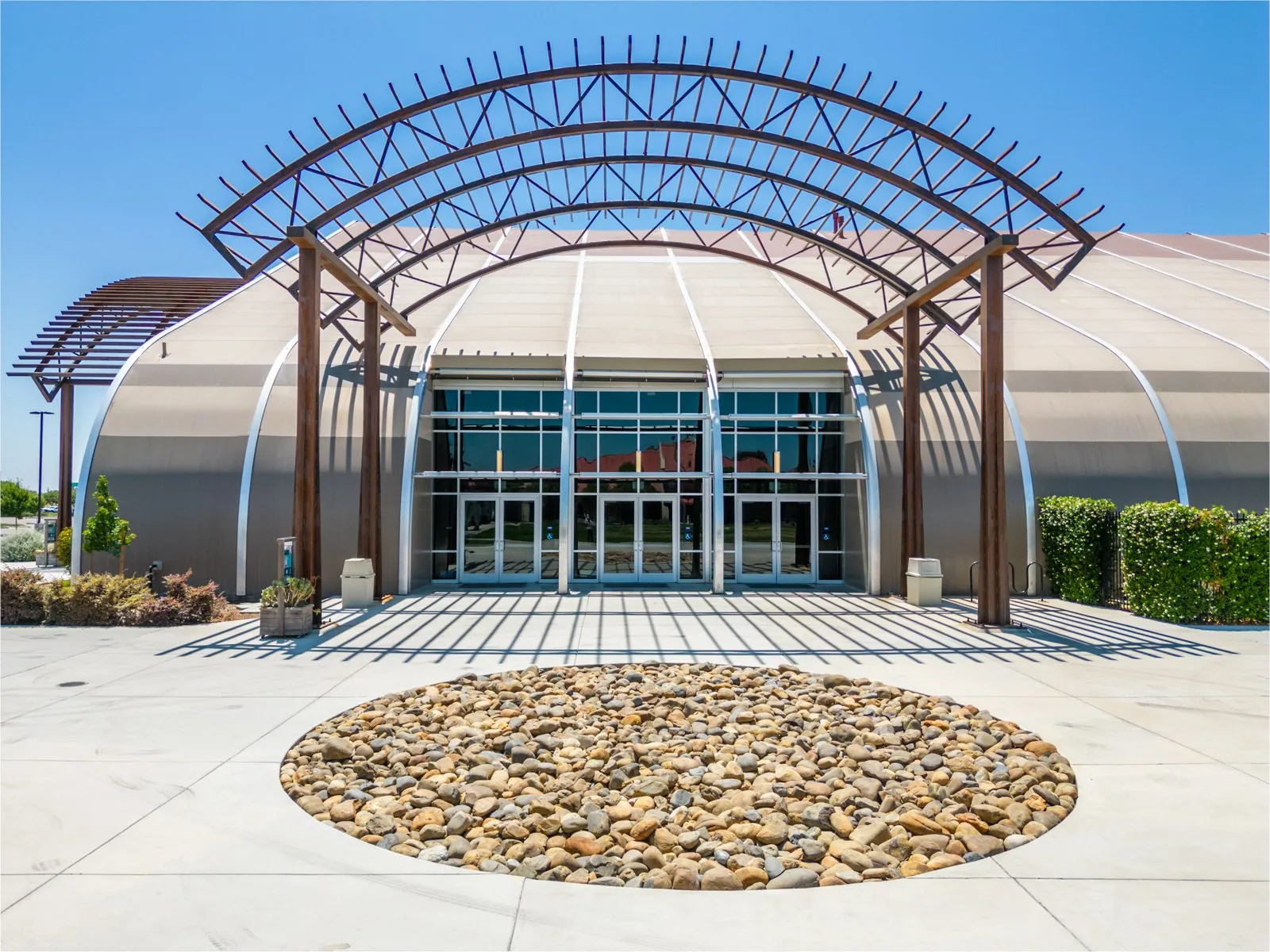
Church and House of Worship Roofing
Everett church roofing inspections trace leaks across sanctuary roofs, steeples, low-slope additions, and occupied community spaces.
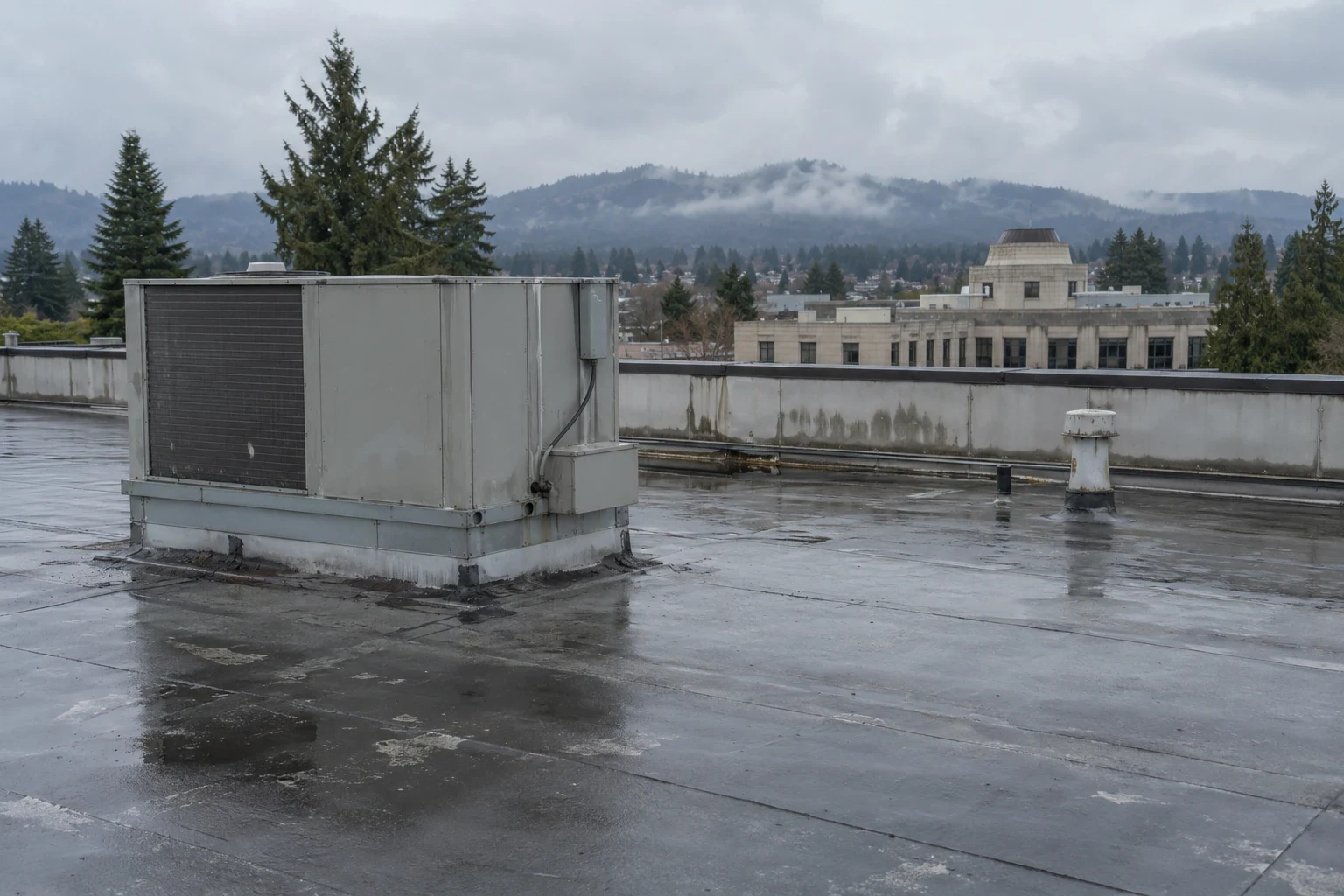
Government Building Roofing
Everett government-building roofing documents leaks, public access, code coordination, drains, and repair scopes for occupied facilities.
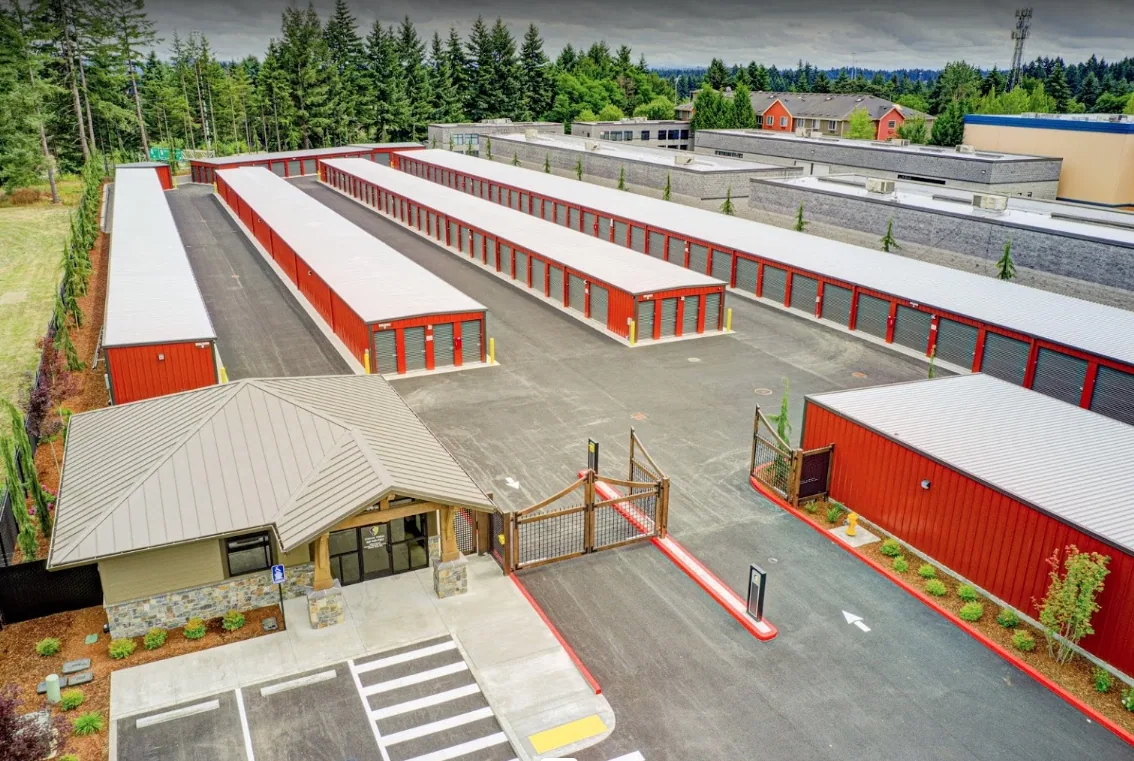
Self-Storage Roofing
Everett self-storage roofing inspections trace leaks across unit rows, drains, metal transitions, and customer access before repairs begin.
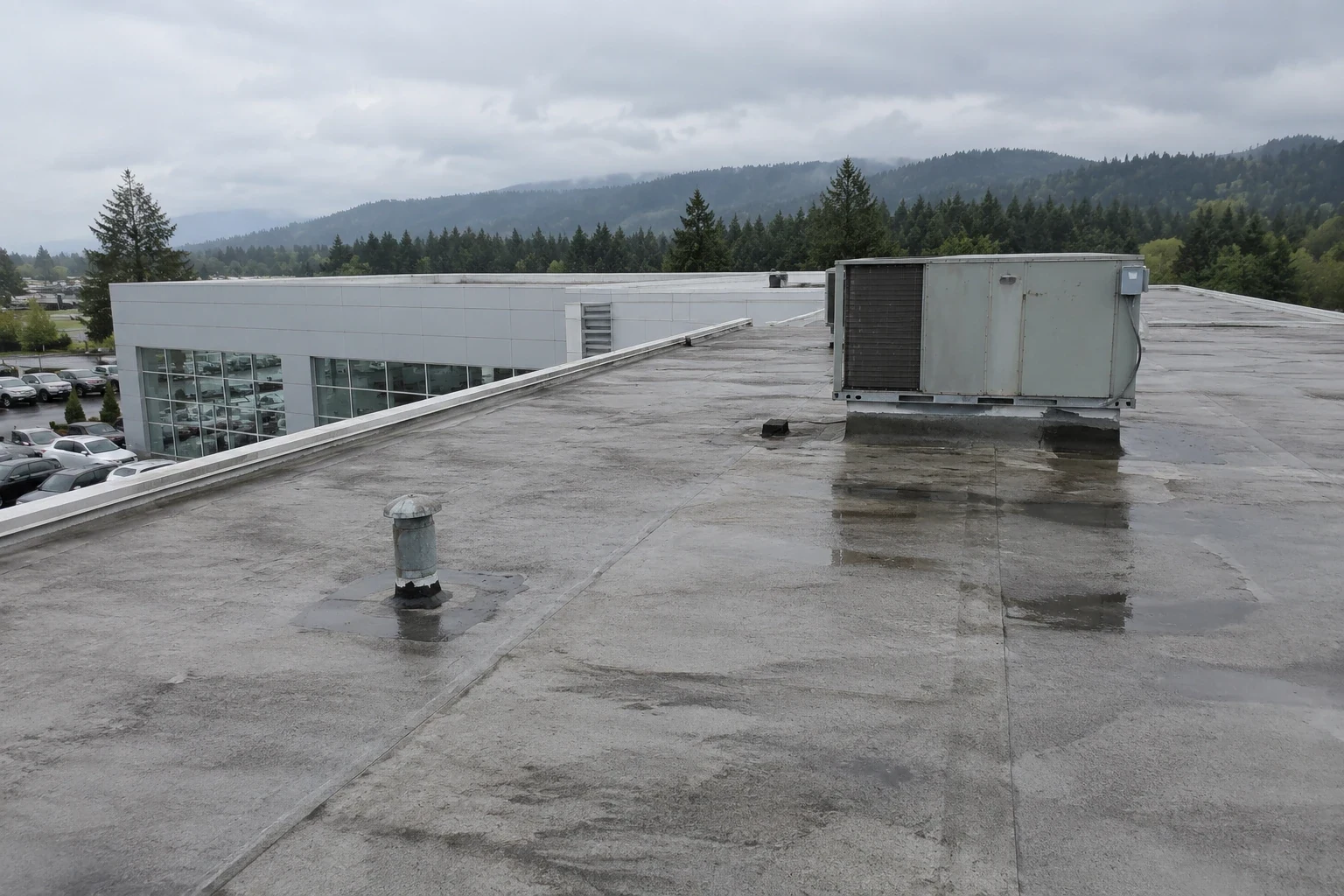
Auto Dealership Roofing
Everett auto-dealership roofing inspections review showroom leaks, service-bay exhausts, rooftop units, and customer access planning.
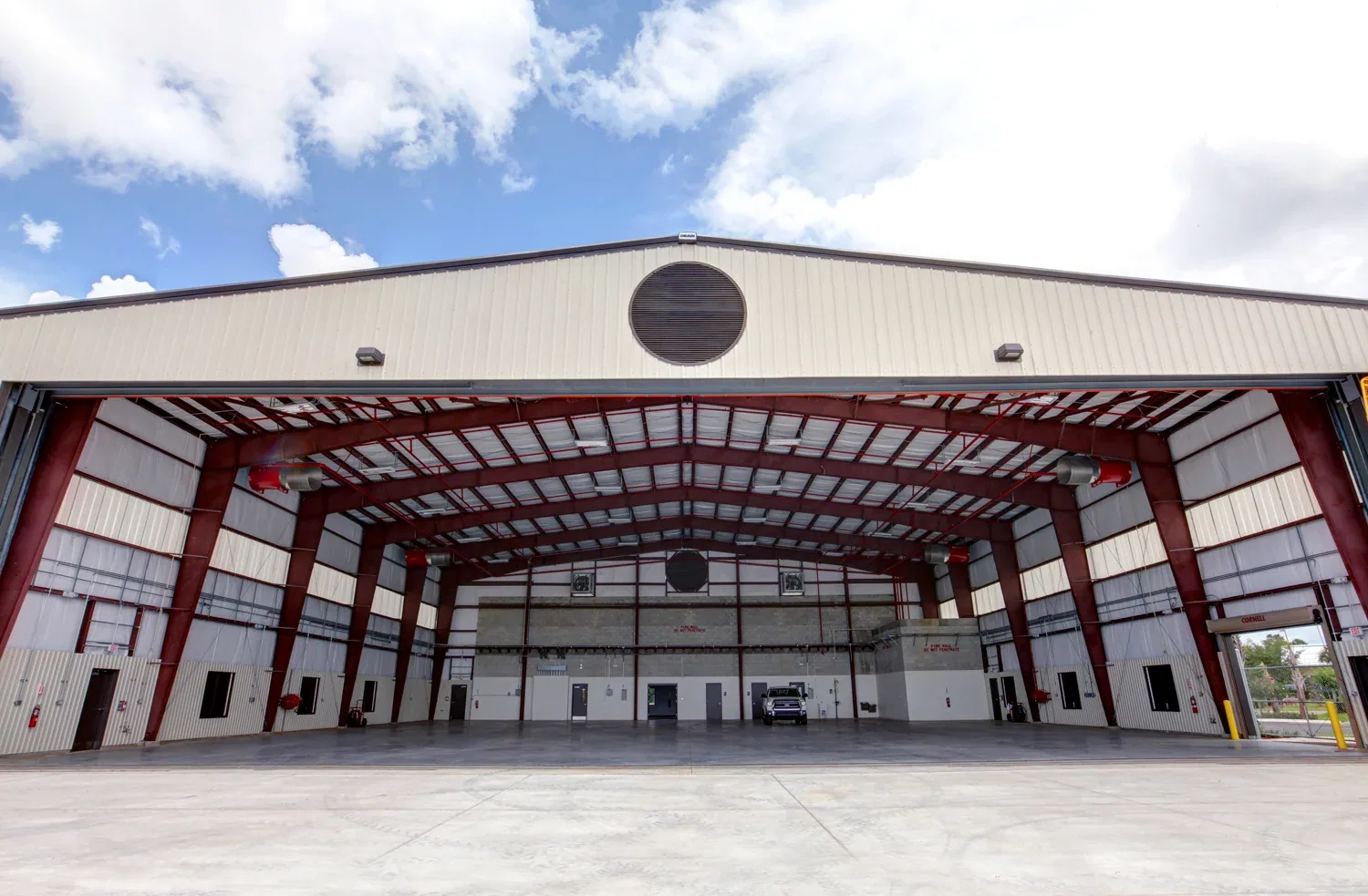
Aircraft Hangar Roofing
Everett aircraft-hangar roofing inspections examine long-span assemblies, large doors, equipment penetrations, drainage, and aviation access rules.
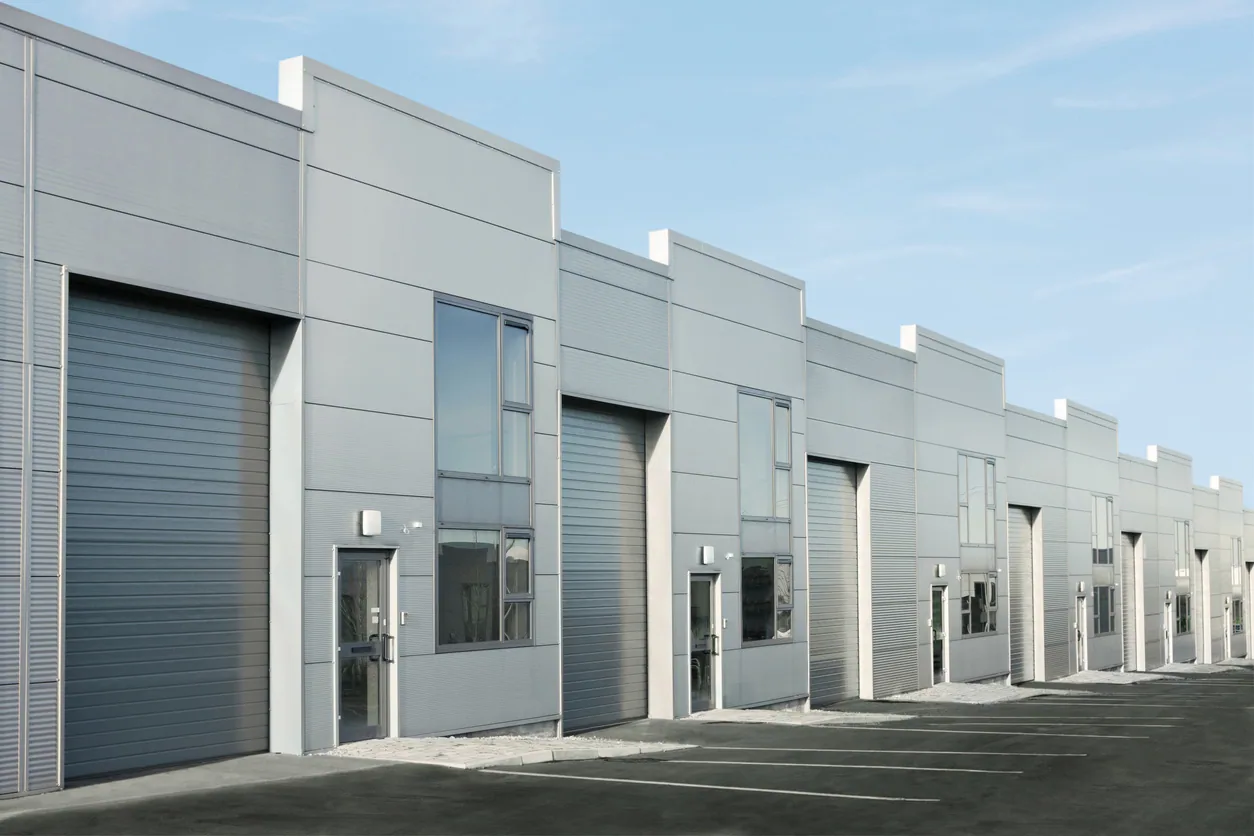
Flex and Light-Industrial Roofing
Everett flex-industrial roof inspections map mixed-use bays, drains, equipment curbs, additions, and tenant access into repair scopes.
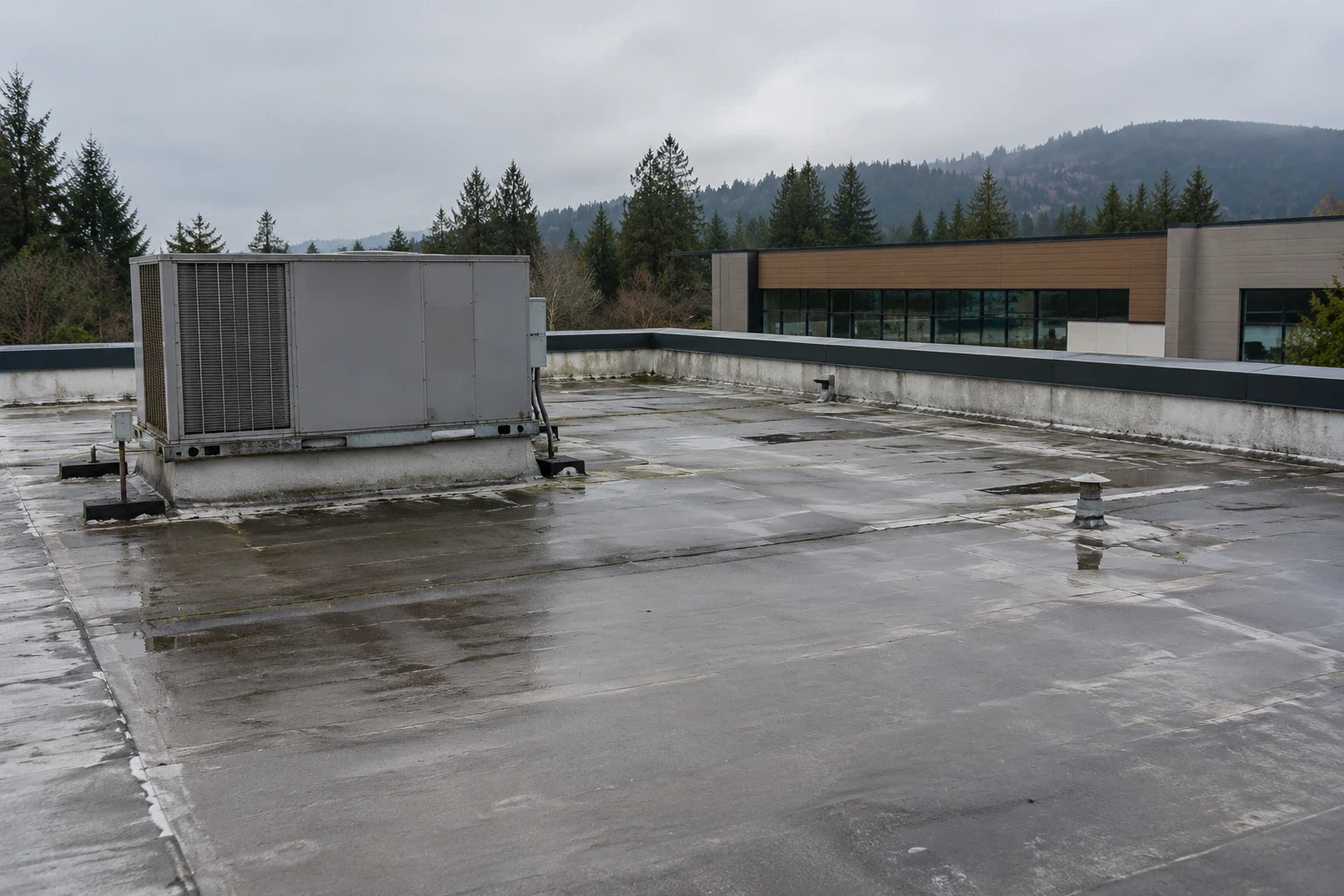
Fitness Center Roofing
Everett fitness-center roofing inspections review HVAC curbs, moisture, drains, roof access, and work timing around members and classes.
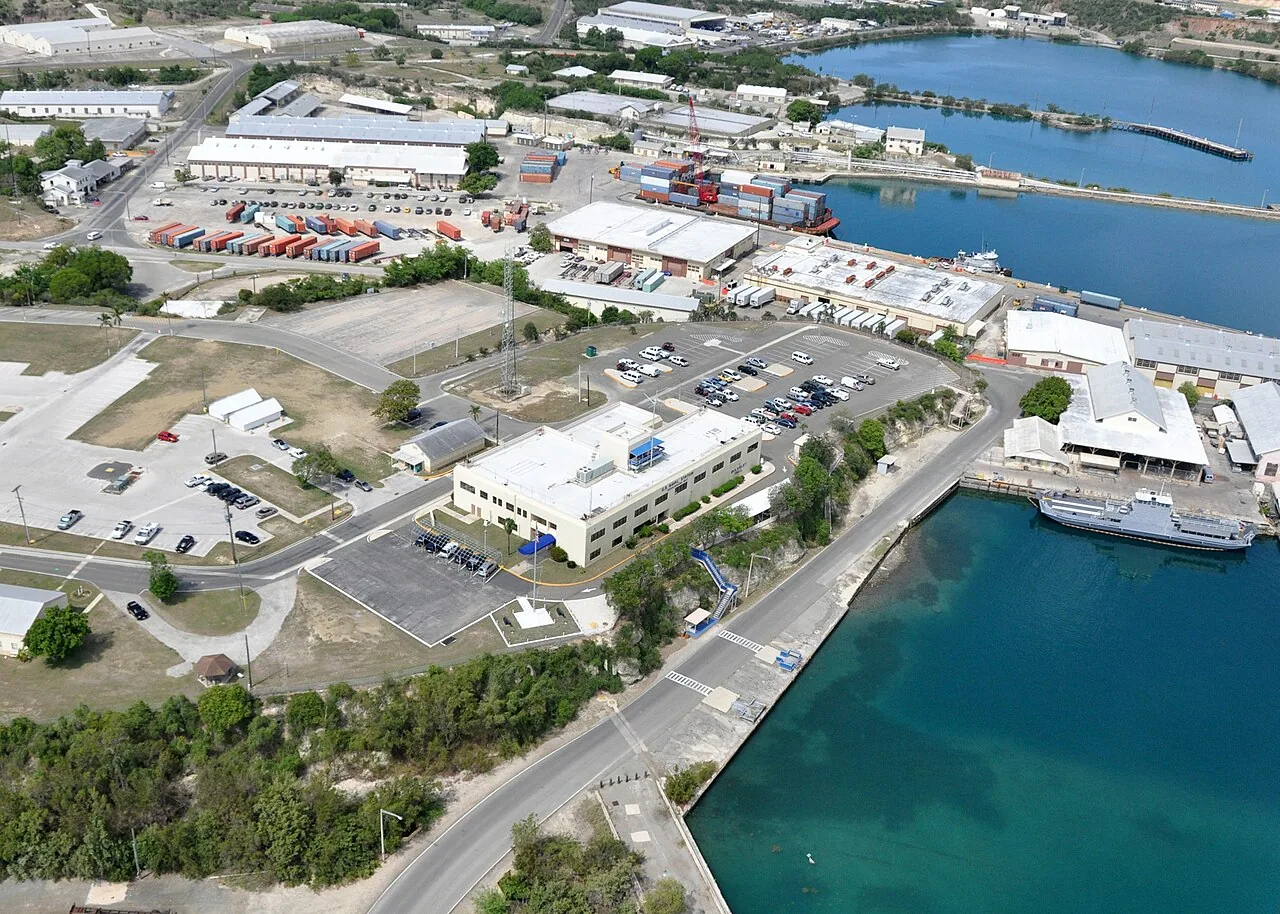
Naval Facility Roofing
Everett naval-facility roofing scopes document roof conditions, equipment transitions, access controls, and mission-aware work phases.
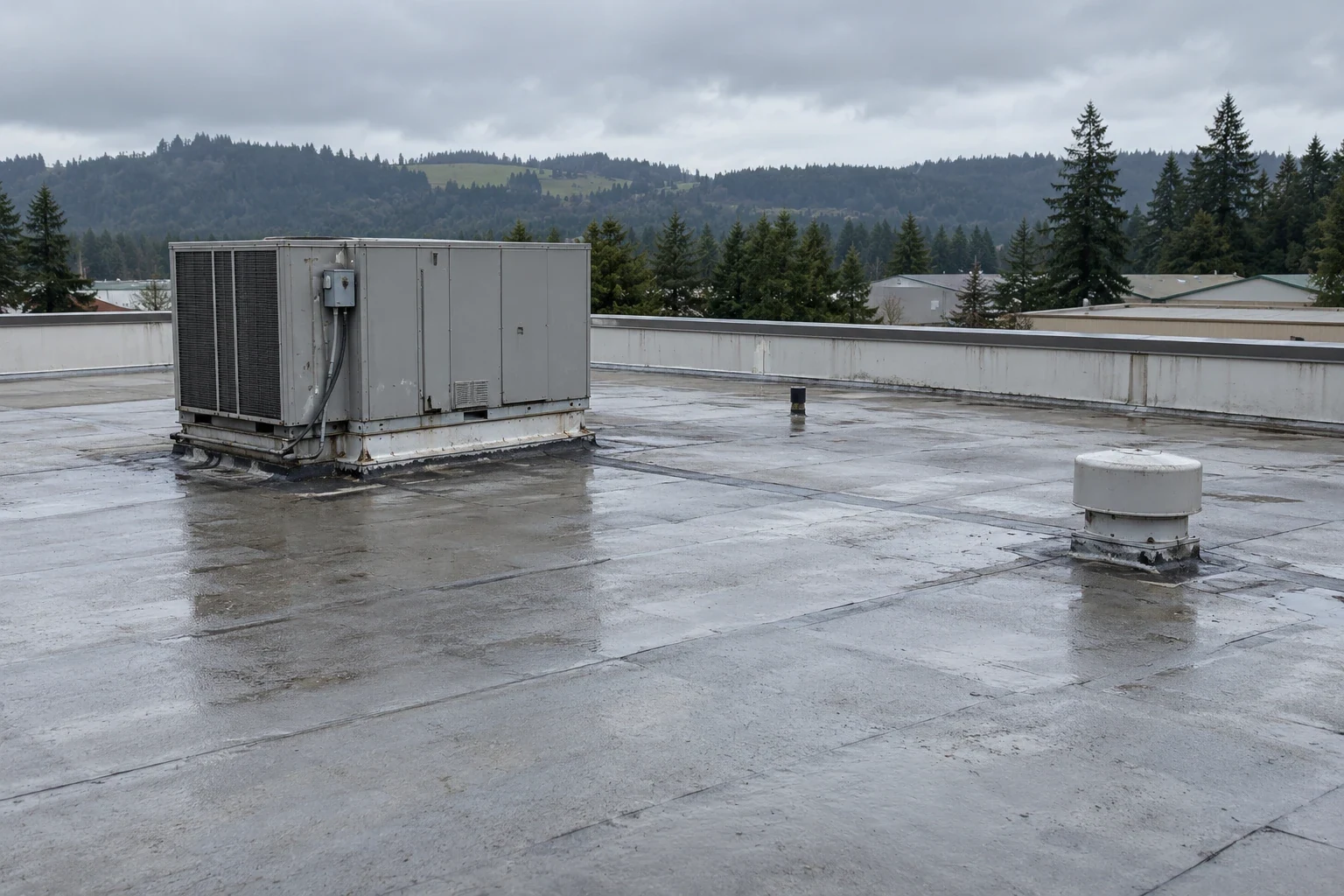
National Guard Armory Roofing
Everett-area National Guard armory roofing reviews drains, equipment transitions, moisture, and approved access around readiness operations.
What Owners Should Know
Keep operations visible in the scope
For a warehouse or distribution center, confirm loading routes, staging, rooftop equipment, and interior protection. A manufacturing plant may need additional scheduling around production and exhaust systems. Work on a school roof can require clear daily boundaries and coordination with building staff. These are planning factors, not assumptions about roof construction. The crew still verifies membrane, metal, penetrations, drains, and prior repairs.
Inspect the assembly, not the label
Commercial occupancies can contain membrane, metal, built-up, modified-bitumen, or mixed roof areas. The hospital and medical office pages address access and continuity concerns; the inspection identifies the actual building systems and any protected spaces below. A hangar calls for its own access and work-window discussion. Across types, record the interior symptom, drainage path, seams, wall transitions, equipment supports, and the details that testing confirms.
Match protection to the work area
Define each repair by location, preparation, materials, tie-in, and completion check. For occupied or sensitive space, include protection, notification, and handback requirements. If concealed insulation or deck damage may change the work, establish an approval point before opening the roof. A repair record should identify what remains uncertain, rather than turning every building-use concern into a larger roofing allowance. Everett's precipitation pattern makes temporary protection and clear drains important whenever a section is exposed.
Compare alternatives across the right criteria
Replacement comparisons should include removal, substrate, insulation, assembly, edges, drains, penetrations, access, staging, disposal, and warranty documents. The correct scope differs between a commercial office, cold-storage building, and retail property because operating constraints differ, not because one roof system automatically follows each use. We document findings and price options against the same roof zones. Owners with Everett, Paine Field, and Marysville properties can keep their records aligned while each building retains its own condition basis.
Commercial Roofing Questions
Does each property type need a different roof system?
No. The use informs access, interior protection, and scheduling. Assembly choice depends on structure, existing layers, drainage, design needs, and field condition.
Can work be phased while a building remains in use?
Often. We define a work zone, protection below, access route, daily tie-in, and handback with the owner and facility contact.
What should a property-type inspection include?
Record the system, roof zones, drainage, penetrations, reported conditions, access limits, and tests that support any proposed repair boundary.
Do bids need the same details for every building?
Each scope should cover removal, assembly, edges, drains, access, and exclusions. Operating-specific controls are then added for the property.
Inspect the roof in the context of its use
Set the scope from the assembly and the operation below it.
Request a roof assessment or call 555-555-5555.