Commercial Roof Repair, Replacement & Maintenance
Data Center Roofing in Everett, WA
A water alarm near an equipment room needs a roof inspection that respects the building's cooling, electrical, and access plan. We trace the reported condition through roof penetrations, drains, seams, curbs, and the interior structure, then coordinate entry with the facility contact. Everett's industrial and technology employment areas include a range of commercial operations, but a local district or employer does not establish that a particular property is a data center. The installed assembly and its current operating constraints must be verified. We can begin with a hands-on roof inspection, then record condition zones in a roof asset record that facilities staff can use when planning future access and maintenance.
Inspect cooling equipment and support details
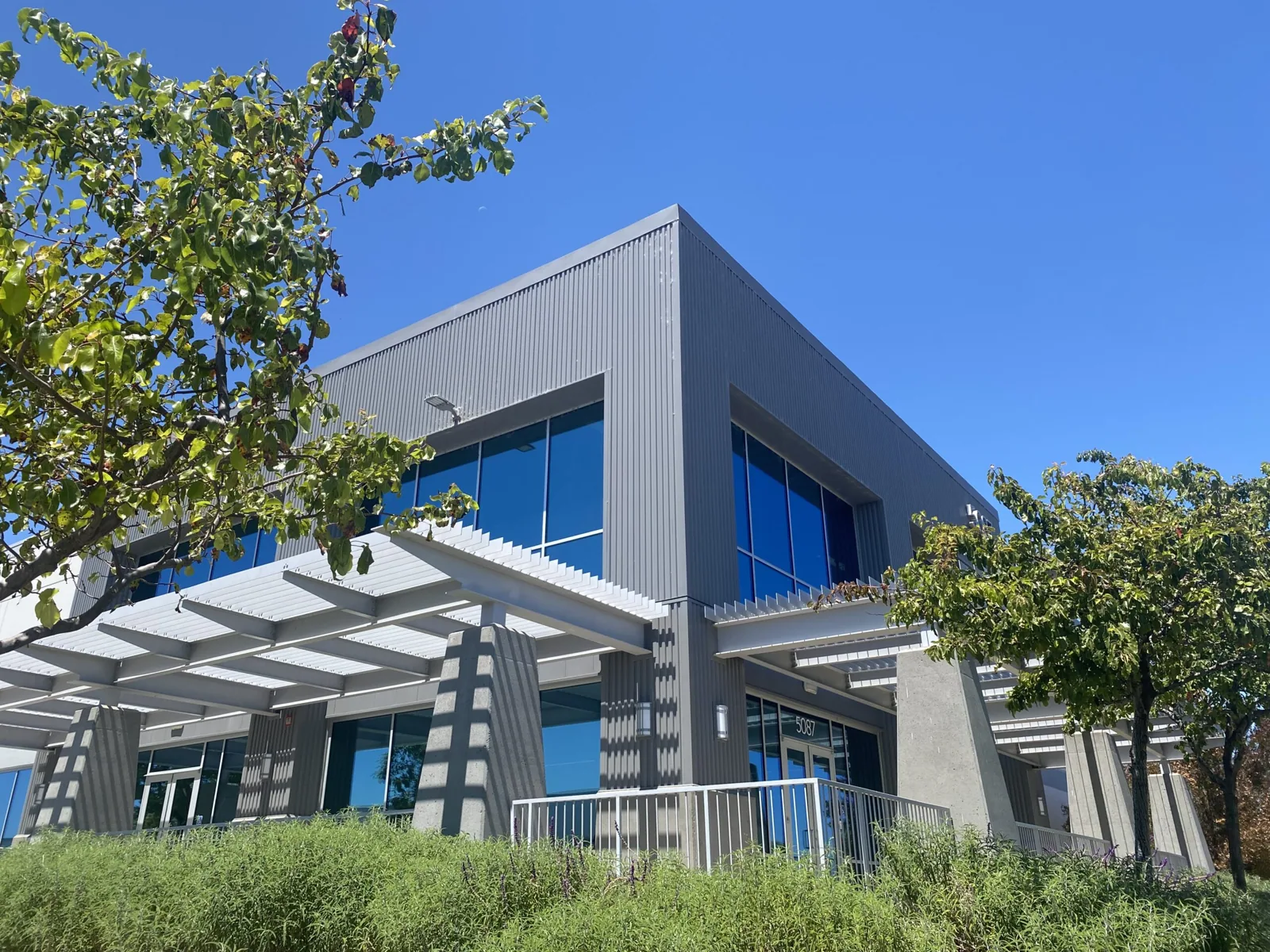
Mechanical cooling systems can place condensers, piping, ducts, and service platforms across the roof. We inspect curb corners, flashing terminations, equipment supports, pitch pockets, and the membrane around each work route for movement or puncture. Replaced equipment may leave an abandoned curb or a larger footprint that needs a properly rebuilt transition. Water can also collect behind supports or screens when they interrupt the drainage path. We note whether the condition is at the membrane, support, or equipment interface before defining the repair.
Roof access should preserve clearances required for both maintenance and safe movement. We identify walk paths, protection, and locations where a future technician could place tools or remove panels. If units need isolation, the facility team controls that step; our roof scope records when access is available and what must remain in operation. Equipment-curb and support repairs can be coordinated with flashing work, while drain inspection addresses outlets that collect debris around rooftop equipment.
Keep drainage clear of penetrations and screens
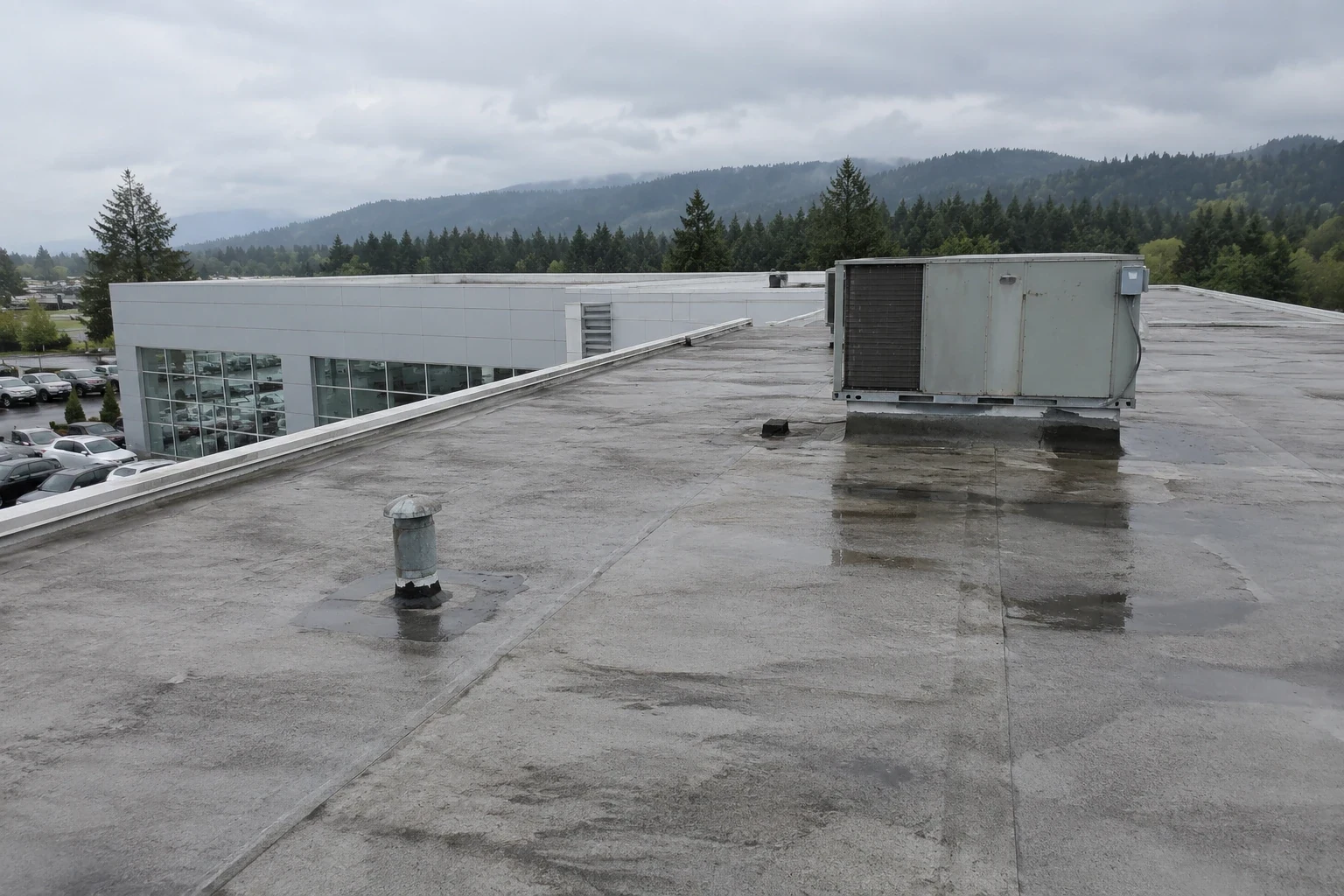
Broad roof fields may contain several equipment islands, cable trays, and screens that change how water reaches drains. We follow the slope toward each outlet, inspect crickets and low points, and compare ponding with previous roof plans when available. A blocked drain can be cleared, but a persistent depression or poorly flashed penetration requires a different scope. We photograph the path and note water depth only when a reliable measurement can be made during the visit.
Everett rain is heaviest in late fall and winter, so outlet performance and temporary closures matter during that season. We separate local Compare the building’s roof geometry and observed water boundaries before planning ponding correction. If an interior alert follows rain, we compare its timing with roof conditions, air handling, and any recorded condensation events. A moisture survey may help select test locations when the surface conditions support it, but core confirmation can still be needed.
Plan a limited work zone and secure dry-in
Roof access above critical operations can be subject to escort, badging, tool control, and approved work windows. The owner defines those facility rules, and we coordinate the roofing sequence with the contact responsible for the site. We limit open work to a zone that can be closed reliably, protect cable and equipment routes, and keep materials away from drains and air intakes. If a rain change shortens the shift, the crew closes the membrane and records any temporary boundary before leaving.
When the building cannot tolerate shutdowns, work may need to proceed in stages with each section restored before the next opens. We identify noise, odors, hot-work needs, overhead protection, and temporary access restrictions so the operations team can evaluate their effects. For broader industrial operations near the Southwest Everett Industrial Center, freight and service access can also affect staging, but the plan remains specific to the site. An active leak can receive immediate protection through emergency roof service while permanent work is scheduled.
Verify the roof layers before a capital choice
A data center roof may have been modified as cooling capacity, cabling, or equipment layout changed. We identify the membrane type, attachment, insulation, deck, penetrations, and earlier repair layers using accessible edges and field details. Existing drawings are useful, but additions and patches can make current conditions differ from the original package. We note uncertainty where a test opening would affect whether a recover, selective replacement, or repair is appropriate.
Moisture below a membrane can threaten deck condition even when the upper surface looks sound. We compare leak reports with targeted readings, interior observations, and test cuts where needed. The moisture map should distinguish confirmed wet materials from zones that only share a similar appearance. When the owner needs a budget path, capital planning can use condition, access, and remaining repair options to sequence investment. TPO systems receive a different seam and flashing review from EPDM or metal roofs, so the installed material controls the repair method. A property may also include offices, labs, loading zones, or support space under the same ownership, but those areas can have separate roof assemblies and occupancy needs. We document transitions at each building zone rather than extending a data-room finding across the entire campus. An office-building roof review considers tenant access and interior finishes, while flex-industrial roofing can address a property that combines warehouse and office functions. The comparison helps facilities staff define separate scopes when the roof system or operating plan changes at a wall or expansion joint.
Retain a clear operating and inspection record
Closeout should connect each repaired location with its equipment, access route, and observed condition. We document material preparation, repairs, moisture tests, drain findings, and any zones that were unavailable during the visit. Photos establish where a detail sits relative to a unit or screen so a later crew can inspect the same point. The report should also identify temporary measures separately from completed permanent work. Keep any test opening away from critical equipment routes, and confirm the facility contact can authorize access and restoration.
Metro Everett is a commercial and civic center with offices, transportation, and other uses; the region's industrial activity also extends toward Paine Field. These broader places provide context for operations, not proof about one roof's age or assembly. A recurring inspection record lets the facility compare changed conditions and decide whether a leak warrants testing, repair, or a larger project. Share roof plans, event logs, access requirements, and any cooling-equipment changes when scheduling an evaluation. A current roof map also helps operations distinguish a new alarm from a repeat condition at a previously repaired curb. We can note the alert time, weather, and equipment state alongside photos, giving the next review a consistent reference without treating an alarm alone as proof of roof entry. Keep any test opening away from critical equipment routes, and confirm the facility contact can authorize access and restoration.
Commercial Roofing Questions
Can roof repairs be scheduled without interrupting cooling?
The sequence depends on the affected system and the facility access window. We identify the roof zone and coordinate with the site contact so equipment isolation and roofing work remain separate responsibilities.
What should we do about a water alarm with no ceiling stain?
We compare the alarm location with roof penetrations, drain paths, and interior mechanical conditions. A moisture reading or test opening may be needed before the water source is assigned.
Will adding cooling equipment require a roof replacement?
Not automatically. The roof assembly, remaining condition, support design, penetrations, and moisture extent determine whether a detail repair or larger scope is appropriate.
How do you document areas where access is restricted?
The report lists each zone not inspected and the access condition that prevented review. We do not extend findings from an accessible area to an unvisited section.
Does infrared testing confirm wet insulation?
It can help locate thermal patterns for further review, but readings require suitable surface conditions and interpretation. Targeted cores may be needed to confirm material condition.
Questions Owners Ask
Can roof repairs be scheduled without interrupting cooling?
The sequence depends on the affected system and the facility access window. We identify the roof zone and coordinate with the site contact so equipment isolation and roofing work remain separate responsibilities.
What should we do about a water alarm with no ceiling stain?
We compare the alarm location with roof penetrations, drain paths, and interior mechanical conditions. A moisture reading or test opening may be needed before the water source is assigned.
Will adding cooling equipment require a roof replacement?
Not automatically. The roof assembly, remaining condition, support design, penetrations, and moisture extent determine whether a detail repair or larger scope is appropriate.
How do you document areas where access is restricted?
The report lists each zone not inspected and the access condition that prevented review. We do not extend findings from an accessible area to an unvisited section.
Does infrared testing confirm wet insulation?
It can help locate thermal patterns for further review, but readings require suitable surface conditions and interpretation. Targeted cores may be needed to confirm material condition.
Coordinate roof evidence with critical operations
Schedule a data-center roof evaluation in Everett. We will inspect water paths and equipment transitions, coordinate access, and document confirmed findings.
Related Roofing Work
- Commercial Roof Inspection
- Commercial Roof Asset Management
- Rooftop Equipment Curbs and Supports
- Southwest Everett Industrial Center
- Emergency Commercial Roof Repair
- Commercial Roof Capital Planning
- TPO Roofing
- Office Building Roofing
Browse every page in Property Types We Roof, or request a roof assessment and we will walk the roof with you.
Questions about this roof? Call 555-555-5555.