

Commercial Roof Repair, Replacement & Maintenance
Roof Systems
in Everett, WA
A system choice starts with the roof already on the building. In Everett's wet climate, seams, terminations, drainage, and the condition below the membrane can matter as much as the product name. We identify the assembly and its repair history, then compare options against slope, structure, equipment, access, and the owner's maintenance horizon. Paine Field-area hangars, Port properties, and downtown buildings bring different work constraints; none should be assigned a system by occupancy alone.
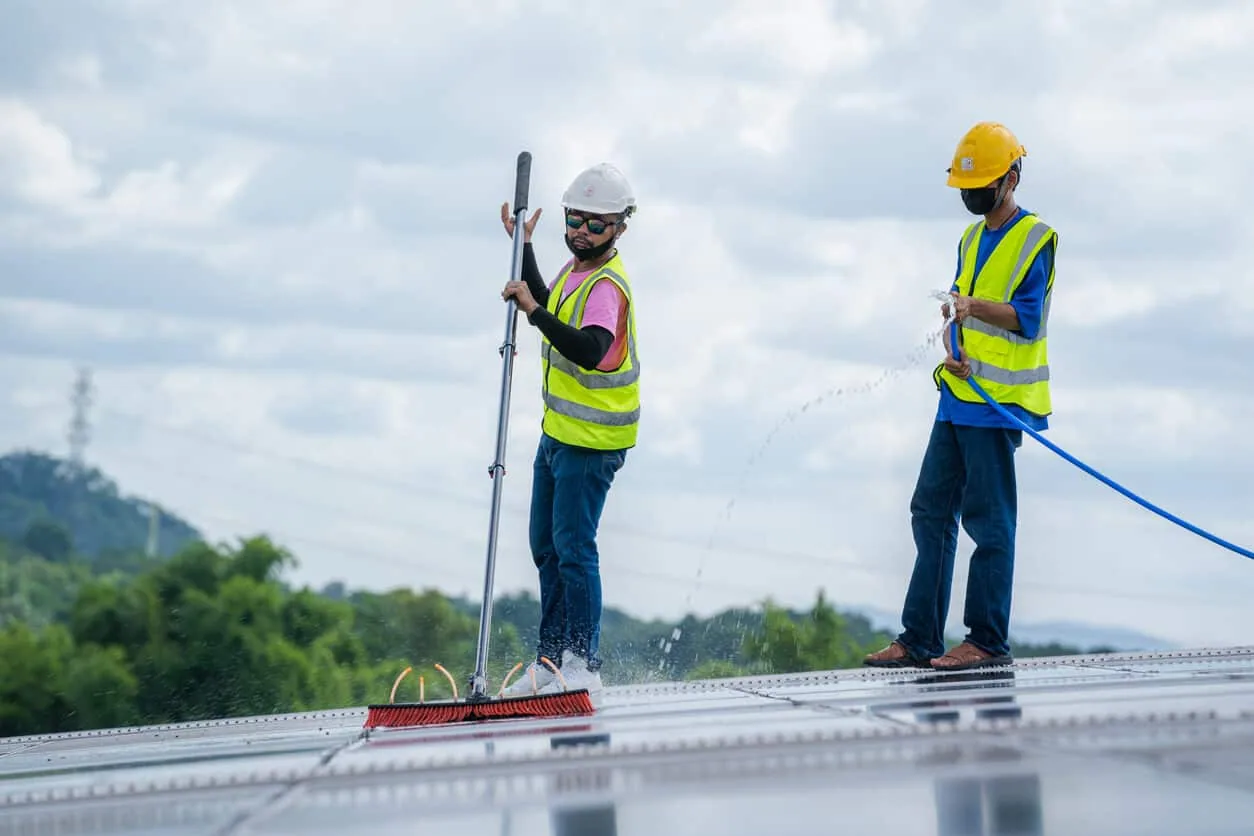
TPO Roofing
Everett TPO roofing inspections check heat-welded seams, attachment, flashing, moisture, and drainage before repair or replacement decisions.
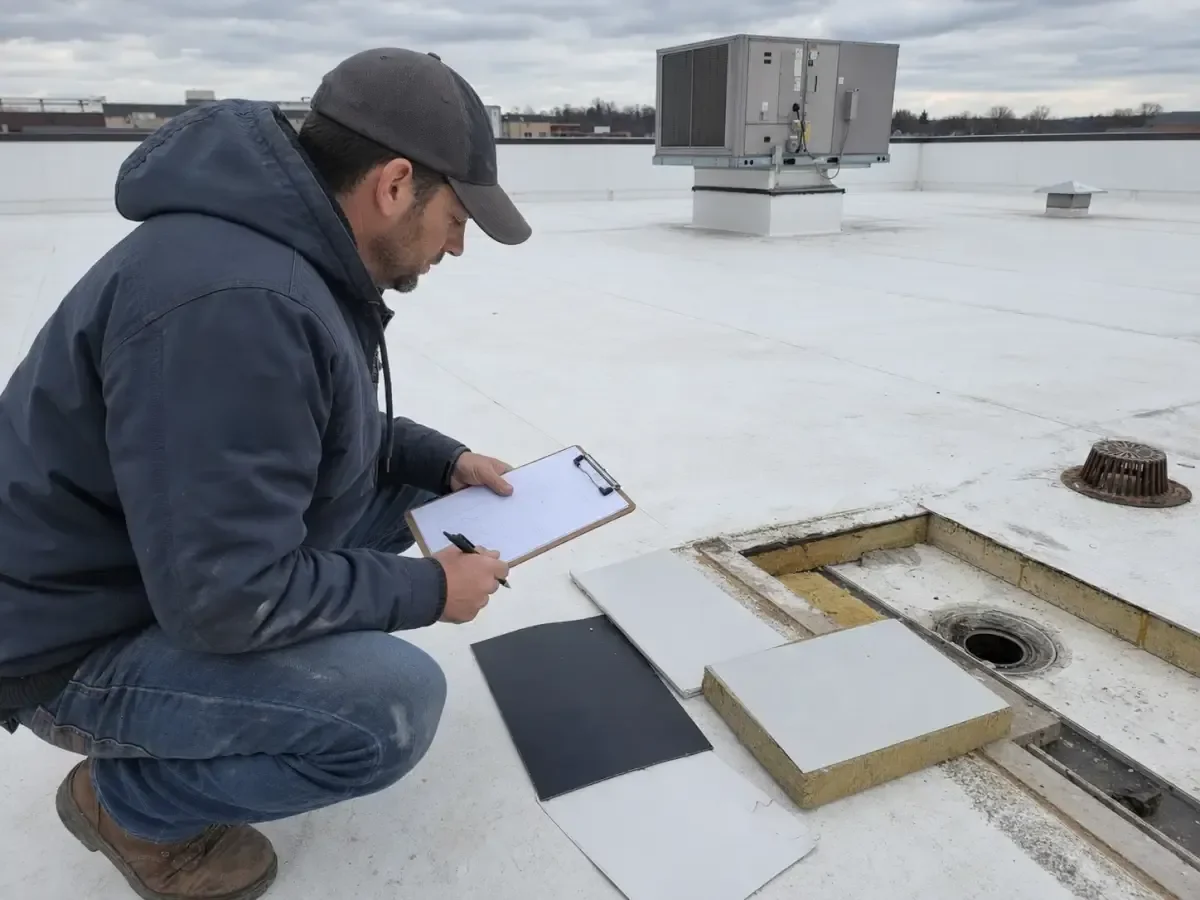
PVC Roofing
Everett PVC roofing work checks chemical compatibility, heat-welded seams, flashing, attachment, drainage, and moisture before repair decisions.
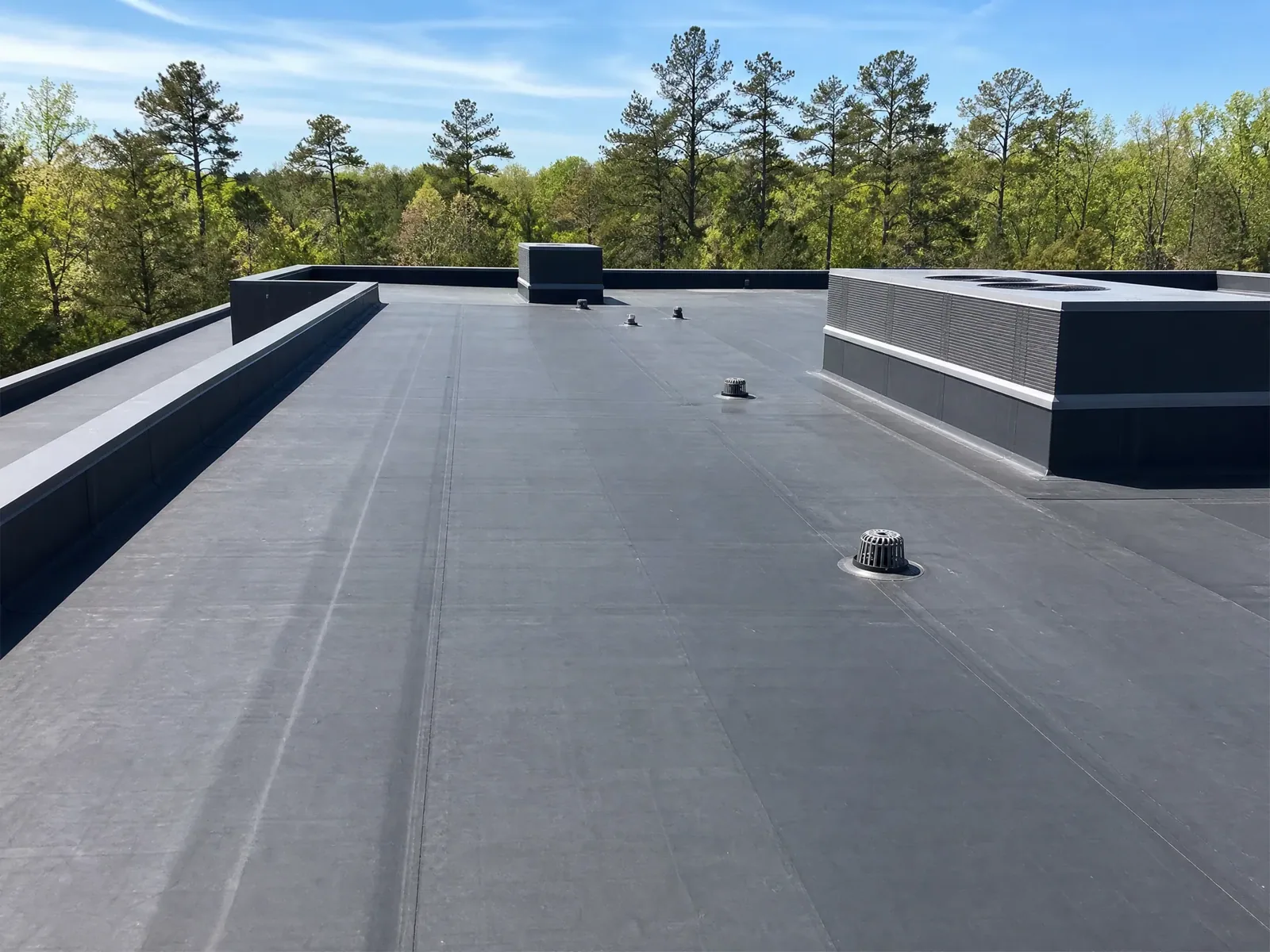
EPDM Roofing
Everett EPDM roof service examines bonded seams, shrinkage, attachment, flashing, and moisture before choosing repair, recovery, or replacement.
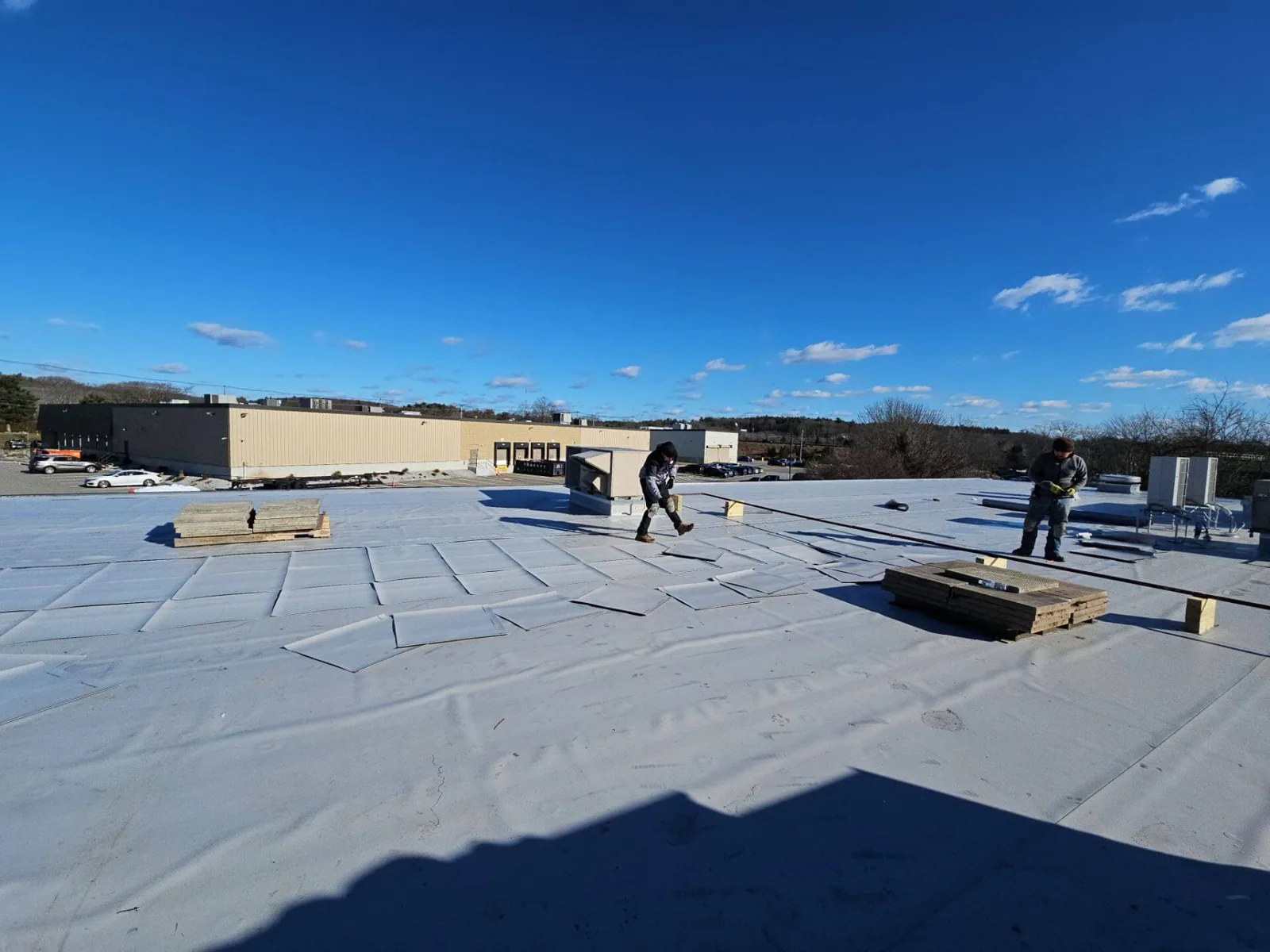
KEE Roofing
Everett KEE roofing service verifies the membrane product, weld condition, chemical exposure, attachment, drainage, and compatible repair details.
Modified Bitumen Roofing
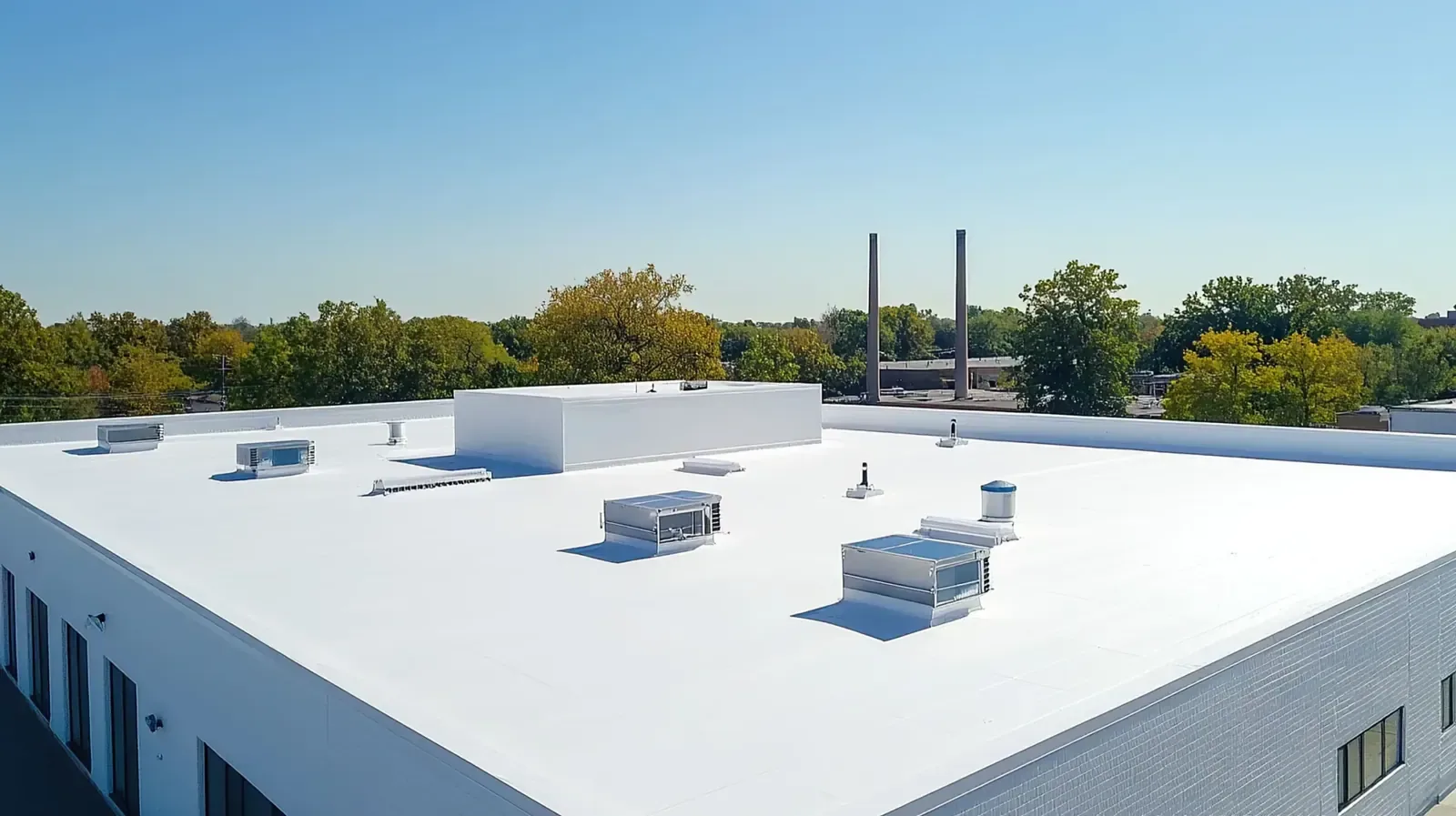
Everett modified-bitumen roofing service inspects ply layers, cap sheets, seams, flashing, application limits, moisture, and renewal options.
Built-Up Roofing
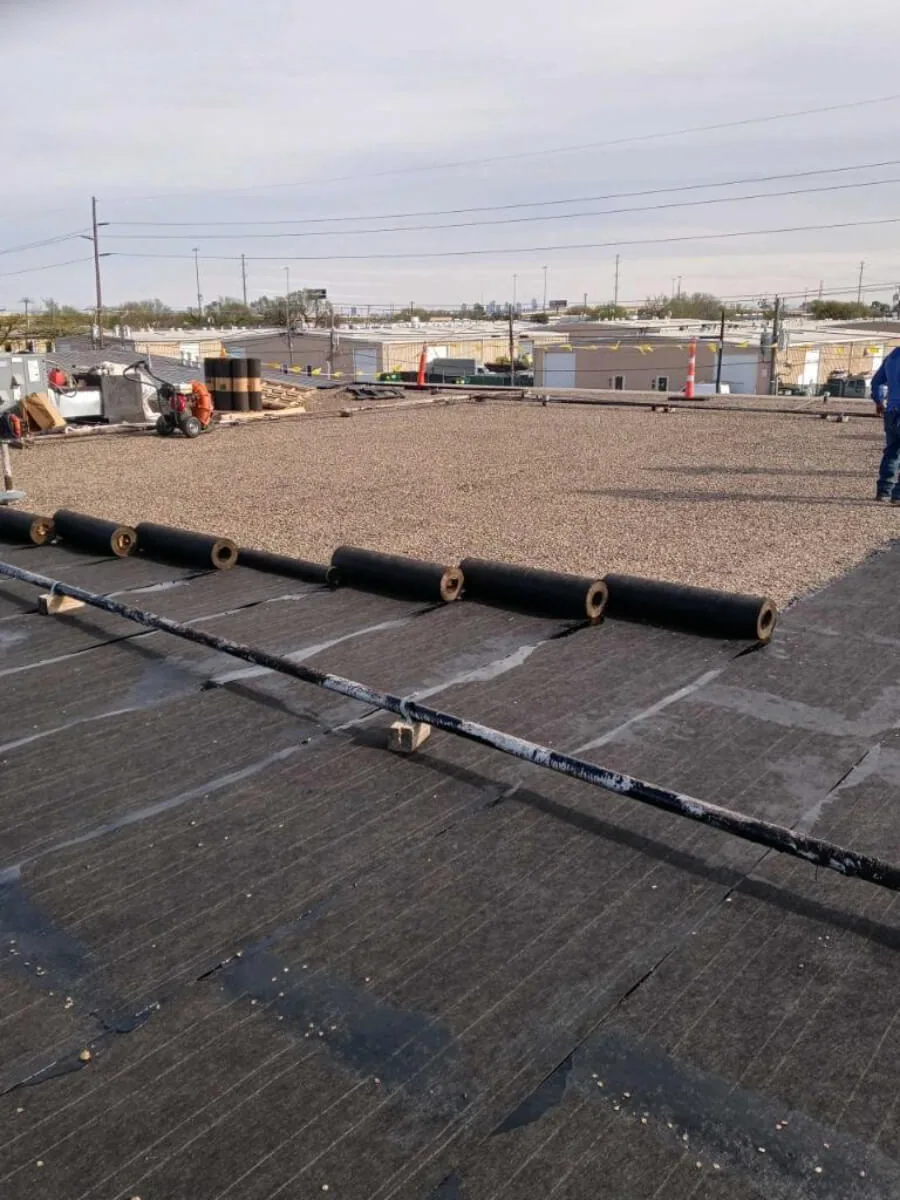
Everett built-up roof service inspects surfacing, reinforcing plies, asphalt bonds, drainage, moisture, and transitions before repair or renewal.
Standing Seam Metal Roofing
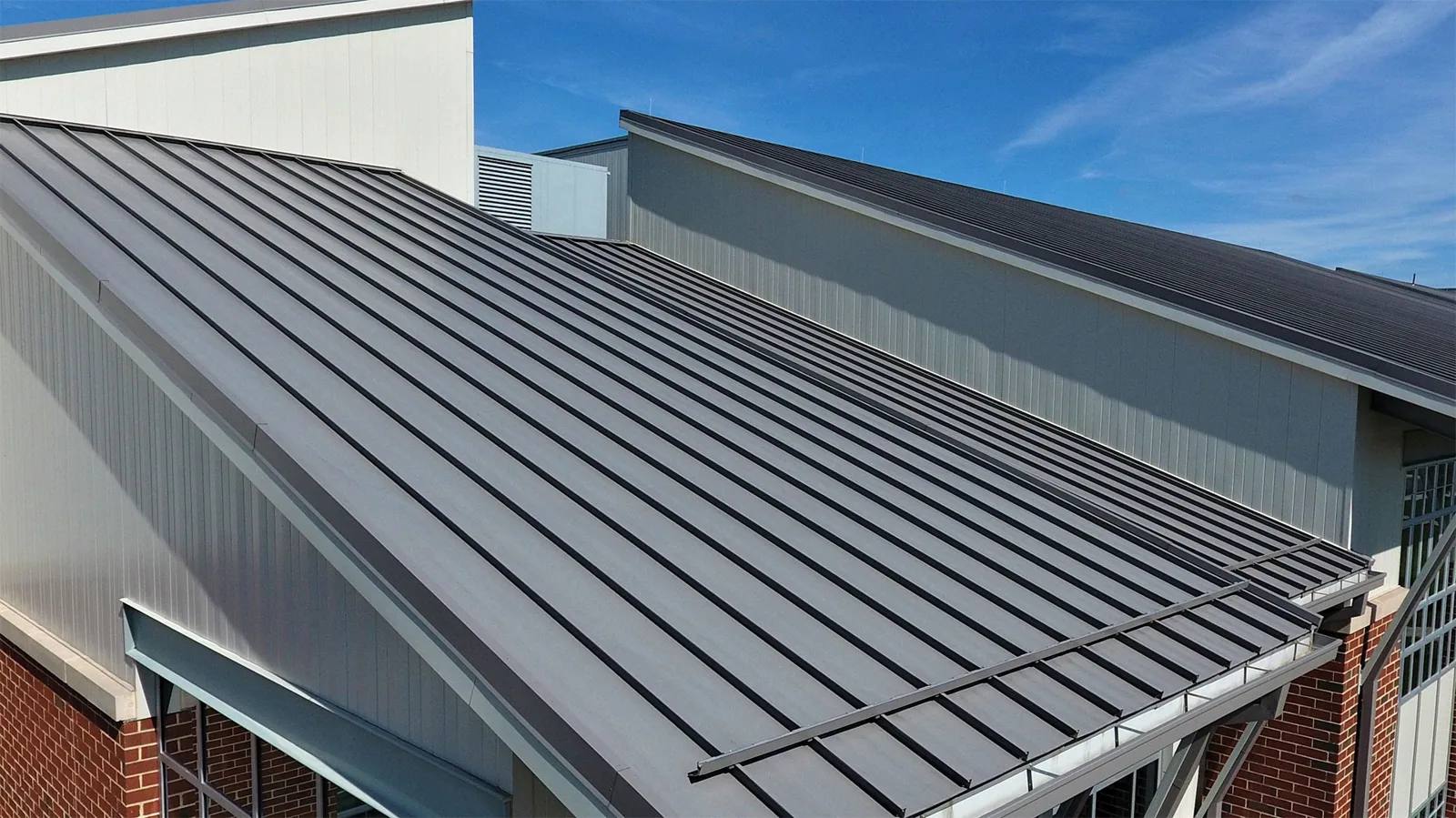
Everett standing seam roofing inspections check panel movement, clips, seam engagement, penetrations, surface condition, and drainage transitions.
Metal Roof Retrofit
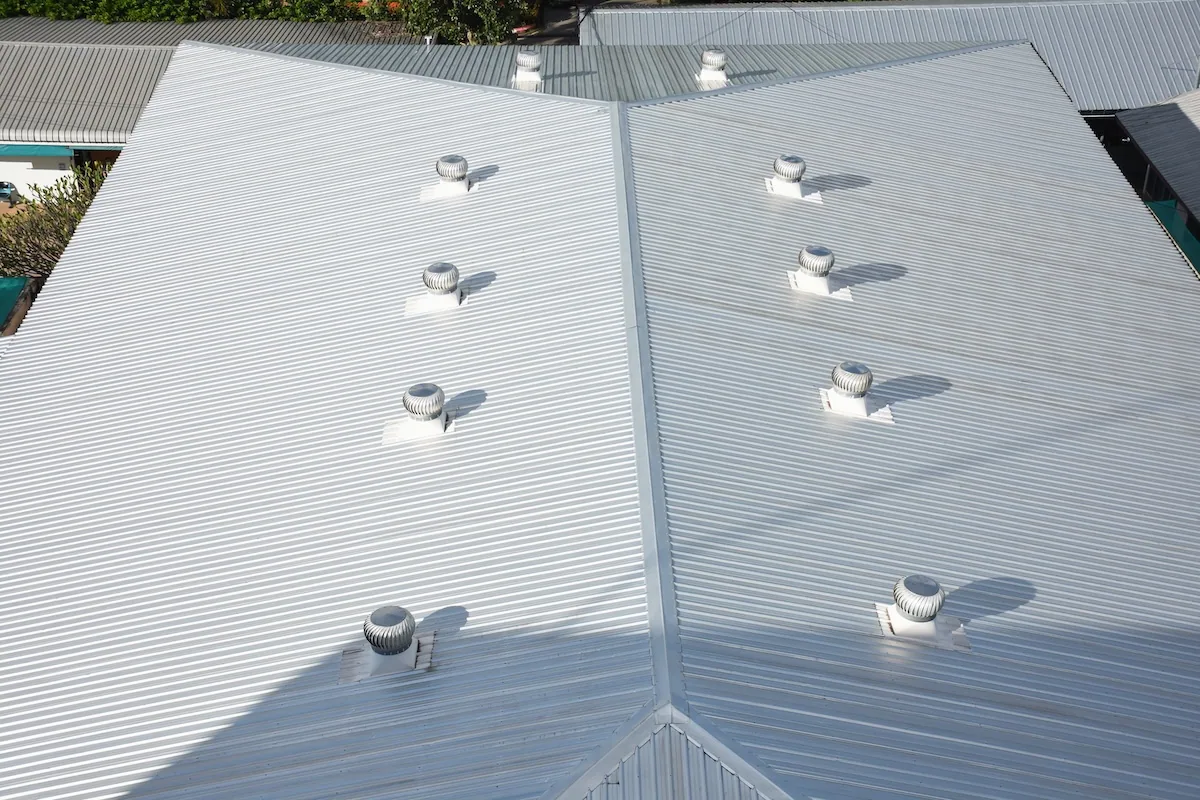
Everett metal roof retrofit planning checks panel condition, purlins, moisture, drainage, attachment, and structural design before overlay.
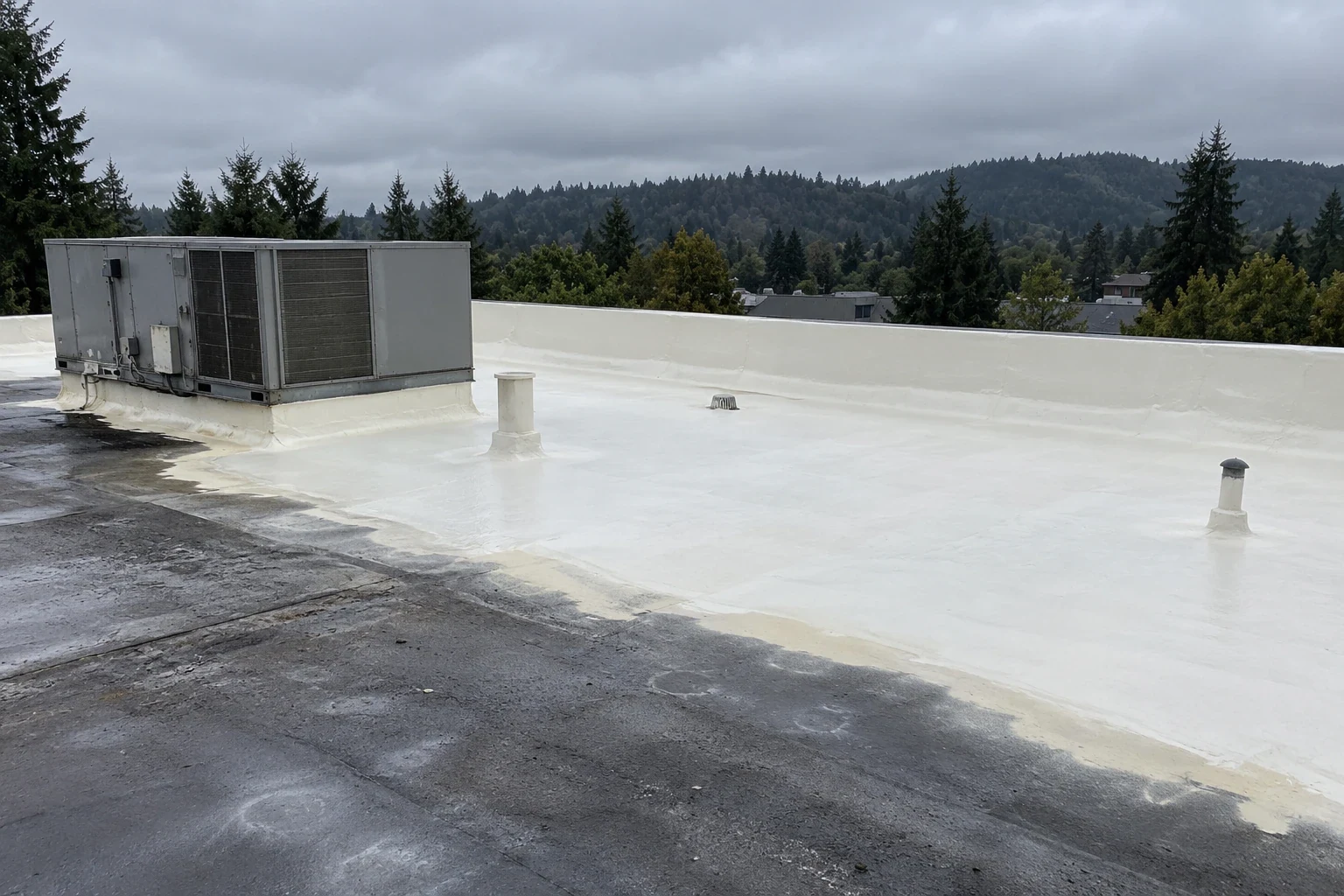
Spray Polyurethane Foam Roofing
Everett SPF roofing inspections check protective coating, foam condition, drainage, penetrations, and moisture before repair or recoat.
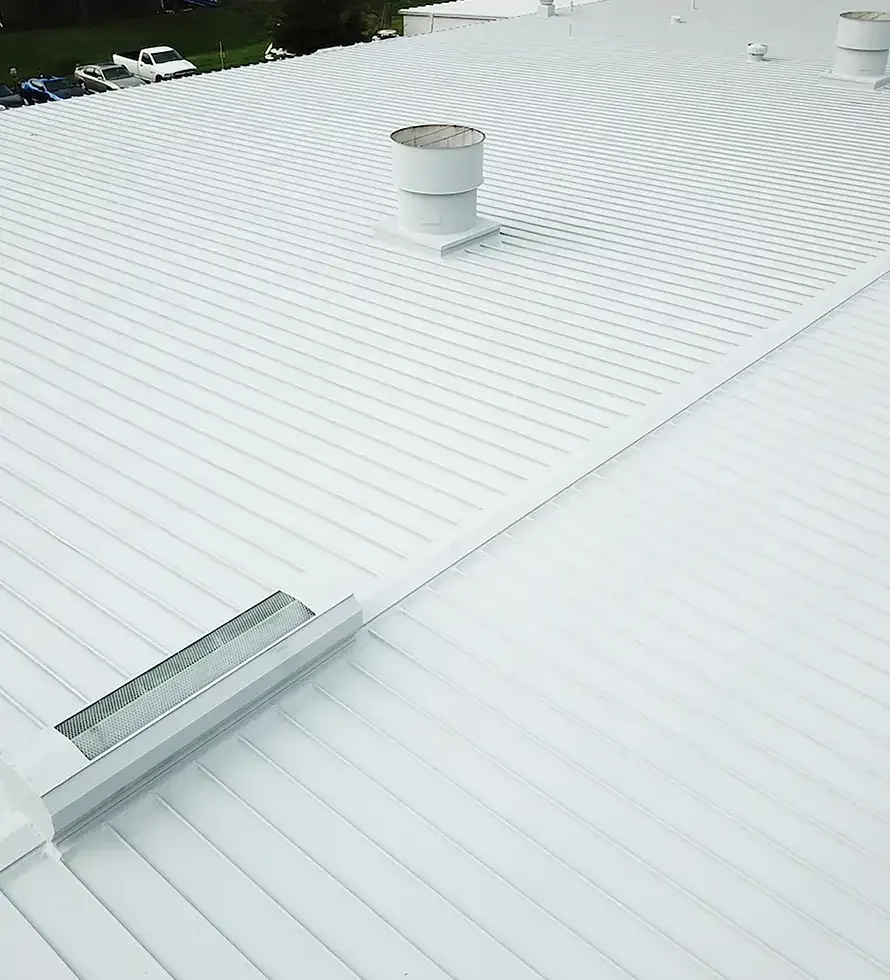
Silicone Roof Coatings
Everett silicone roof coating evaluations verify substrate, adhesion, moisture, drainage, transitions, and application conditions before restoration.
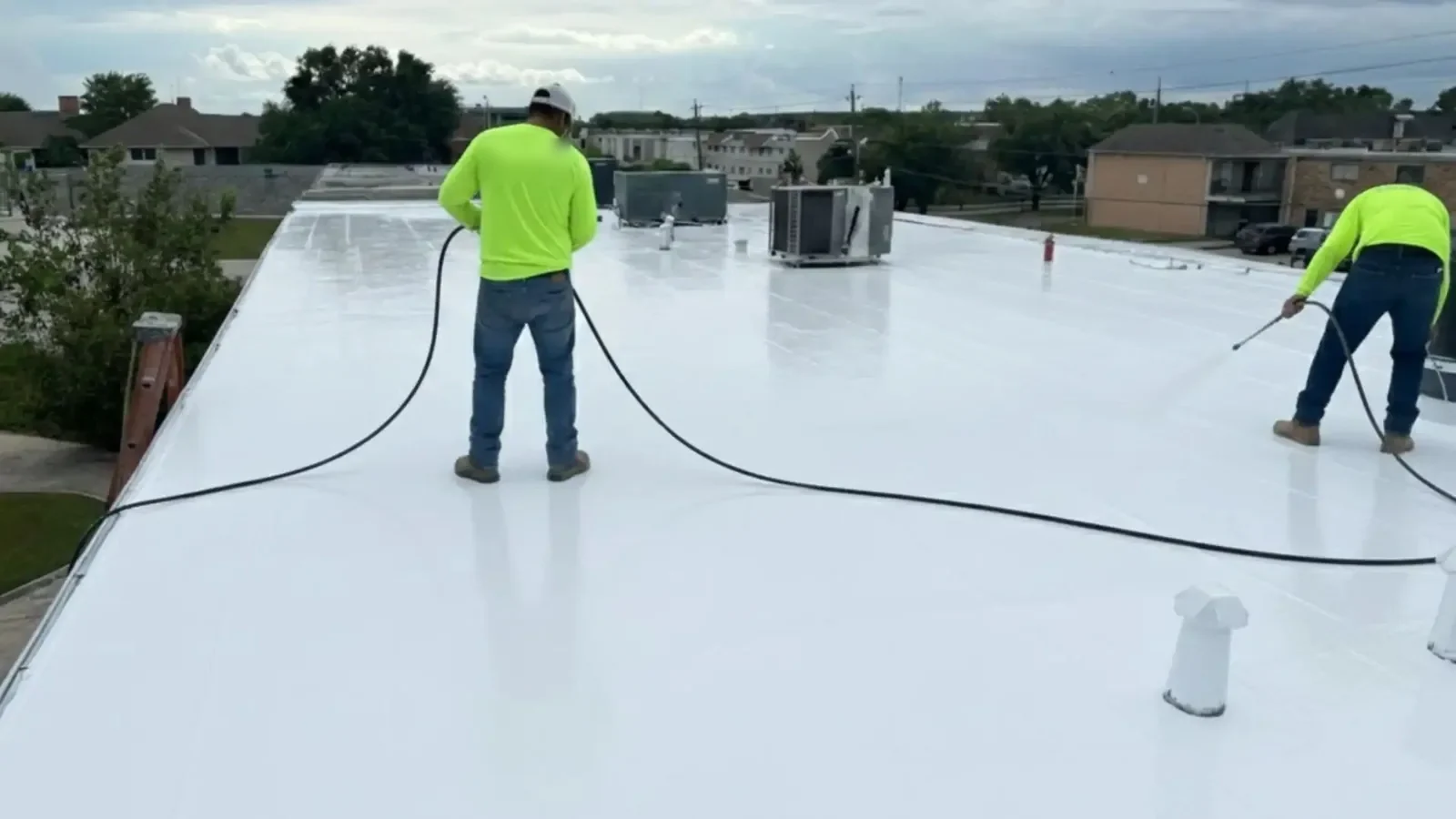
Acrylic Roof Coatings
Everett acrylic roof coating evaluations inspect substrate, adhesion, drainage, flashing, and cure conditions before restoring a commercial roof.
What Owners Should Know
Compare membrane assemblies
Single-ply membranes differ in chemistry, seam treatment, attachment, and detail requirements. TPO roofing and PVC roofing use heat-welded seams, while EPDM relies on a different joining approach. KEE systems are another PVC-based option whose specification must match the project. The roof deck, wind design, penetrations, edge conditions, and installation window determine what can be installed and how transitions are handled.
Read the layers beneath the surface
Before comparing a recover or replacement, determine what is known about the deck, insulation, cover board, attachment, and prior repairs. Modified bitumen and built-up roofs have multi-layer details; their condition is not measured by surface appearance alone. A standing-seam roof needs review of panel movement, clips, fasteners, and transitions. Where insulation may hold water, define a survey or opening that can confirm the boundary before selecting a system.
Match the surface to exposure and maintenance
Water moves to drains and edges, while thermal movement stresses panel joints, flashings, and equipment supports. A metal retrofit can change the assembly and geometry, so existing structure, slope, drainage, and edge conditions must be checked. Spray foam and silicone coatings require suitable substrate, adhesion, moisture, and maintenance planning. A coating is not a substitute for correcting wet materials or unstable details. Everett's late-fall and winter rain makes temporary dry-in a design and construction concern throughout the work.
Choose from documented conditions
A useful comparison states what each alternative includes: removal or recovery, insulation, attachment, membrane or panels, flashings, edge metal, drains, access, disposal, and closeout. It also shows exclusions and the method for pricing concealed deck or moisture work. We record the reasons a repair, restoration, or replacement fits the observed conditions. An inspection in Everett, Mukilteo, or Lynnwood can inform that decision only for the property examined. Schedule a roof review before accepting a product recommendation that is not tied to the assembly and scope.
Commercial Roofing Questions
Can a coating solve any recurring leak?
No. First verify the surface, moisture condition, adhesion, and failed detail. A coating only fits when the existing assembly supports that treatment.
What matters when replacing a membrane?
The deck and insulation condition, attachment, edge design, drainage, penetrations, wind requirements, access, and the owner’s planned service horizon.
Can I choose a system from the building type?
The building use helps set access and operating needs; it does not identify the roof layers or establish a compatible replacement.
How do I compare bids for different assemblies?
Use the same plan and scope quantities, then compare layers, removal, edges, drainage, penetrations, staging, exclusions, and concealed-condition terms.
Review the existing roof before selecting a system
We document assembly, moisture, drainage, and transitions so the next system fits the building.
Request a roof assessment or call 555-555-5555.