Commercial Roof Repair, Replacement & Maintenance
Commercial Roofing in Evergreen Way and Casino Road, Everett, WA
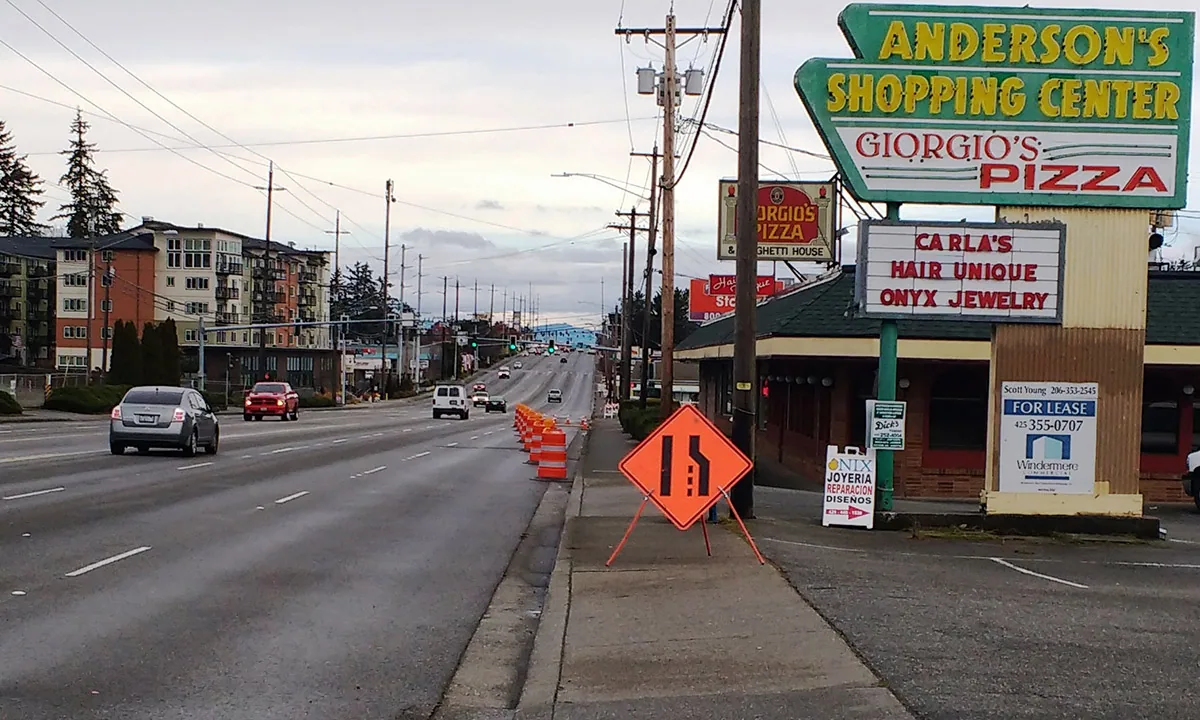
Evergreen Way and Casino Road form a community hub for employment and community services with transit access. A roofing visit still begins at the specific property: who uses it, how the crew can reach the roof, what condition was reported, and which systems sit above occupied areas. Everett's planned growth centers include Evergreen Way corridors such as this commercial area. That designation describes an area, not the construction or condition of any single roof. We document field evidence before recommending work. A commercial roof inspection can set the scope for a service property, office, or other building in the hub.
Arrange access around a community-service center
Transit access and community services can mean that parking, entries, and walkways serve more than one purpose during the day. Confirm where a contractor may park, carry materials, and place temporary protection. Identify entrances that must stay open, pedestrian routes, deliveries, and emergency access. If the building has an alarm, access-control system, or rooftop equipment requiring shutdown, name the contact who can authorize changes. These arrangements affect sequence and labor, so they belong in the estimate rather than appearing as an unexpected field condition.
Everett's hub policy is a useful prompt to ask how the property operates. It does not identify the tenant, building type, or occupancy at a particular roof. Meet with the owner or facilities contact to confirm operating hours and areas where dust or noise would disrupt service. When the roof is above a public-facing space, coordinate work that could affect ventilation, doors, or outdoor gathering. A written plan helps staff tell occupants what will happen and when without implying that normal activity needs to stop for the entire project.
Follow a leak report to verifiable roof details
For a leak call, record when water appeared, where it reached the interior, whether it recurred, and whether nearby equipment or piping recently changed. On the roof, check the closest drains, seams, curbs, pipe boots, parapets, and wall transitions. The entry point can be offset from the ceiling stain. Mark each tested location and preserve enough context in photos to find the same detail on a later visit. If the roof is wet, do not treat one observation as a complete map of the drainage condition.
Everett averages about 40 inches of precipitation each year, with heaviest rainfall in November, December, and January. Inspect the drain body, clamping ring, strainer, overflow route, and nearby membrane separately. If moisture seems to extend below the surface, define an appropriate survey or opening before quoting replacement. A leak investigation should show what was confirmed, what remains a possibility, and whether the next visit depends on a particular weather condition.
Inspect seams, edges, and rooftop changes
The surface walk should identify membrane or roof type where possible, repairs, laps, transitions, edge metal, penetrations, and drainage. Test accessible seams using a suitable method for the system. Look at corners and terminations where details meet a vertical surface. Note loose metal, open laps, punctures, displaced flashing, coating failure, or movement around equipment. A stain or crack is an observation; the report should avoid stating cause until the evidence supports it.
Ask the property contact whether signs, HVAC, electrical, plumbing, or communications work changed the roof. A new conduit or equipment support can disturb the membrane or affect water paths. Verify that roof access equipment is safe and that workers have a suitable route to the work area. If the building has multiple levels, identify any lower roof that might receive debris or runoff. A wind-damage review may be useful when a storm is part of the history, but each affected detail still needs an individual inspection.
Build a repair scope with a known stopping point
A repair estimate should specify the defect boundary, preparation, compatible membrane or flashing material, and method of inspection after completion. Include access, protection, cleanup, and disposal. If the crew cannot see the deck or insulation without removal, explain that limitation and the process for documenting concealed conditions. Set an authorization threshold for additional work so the owner can respond without a vague open-ended allowance. Temporary stabilization should be identified as temporary and paired with a date or trigger for permanent restoration.
When a broader replacement is under consideration, compare the complete assembly, not just the top membrane. State tear-off, insulation, cover board, attachment, edge metal, penetrations, drains, and warranty assumptions. A replacement proposal should make exclusions and unit prices visible. A metal retrofit option may not apply to every building and must be evaluated against structure, slope, drainage, code, and existing materials. Keep the recommendation connected to inspection findings rather than general product preference.
Protect the building through changing conditions
Wet-weather planning is part of roof work in Everett. Before removal or repair, decide how the crew will close the section each day and what materials are available if rain arrives early. Check that drains remain open and that temporary covers will not divert water into an occupied area. Follow the selected product's substrate and temperature requirements; an average Check the roof surface, forecast, and tie-in plan before opening each section. Record when an area was opened, protected, and completed.
Everett has roughly 51 days each year with overnight lows at freezing or below, while sustained hard-freeze conditions are uncommon. Morning surface conditions can differ from the air, and moisture can remain on a shaded deck. Verify conditions before adhesive, coating, or membrane work. If the schedule is constrained by transit or business activity, provide a contingency window for weather. An emergency roof response can address immediate exposure, but a permanent repair may need separate access and preparation after the surface is safe to work.
Keep the next visit tied to the last one
After repair, keep a plan with the exact work boundary and photos from the same angles. Record product labels and any materials left for future service. Add unresolved conditions such as a drain that was not accessible, suspected wet insulation, or an area that could not be checked because of weather. Give the building contact a clear next action and timing. A later technician should be able to distinguish an earlier temporary cover from permanent work.
For recurring service, set inspections around actual roof condition, maintenance obligations, and the consequence of another leak. Clean drains only when that task is in scope and the outlet can be reached safely. Verify repairs after suitable exposure rather than assuming completion from an invoice. A maintenance visit can include a concise check of drainage, edge details, and prior repairs. Owners coordinating nearby North Broadway and Metro Everett buildings can use one schedule but should maintain separate roof histories.
Give the owner a decision-ready summary
The closeout should answer four practical questions: what was inspected, what was found, what work was done, and what remains to be decided. Use a marked roof plan and photos for locations. Separate observed facts from suspected causes. State if more tests or selective removal may change the scope. If the roof is suitable for continued service, name the next inspection interval or event that should prompt a new look.
Evergreen Way and Casino Road is part of Everett's planned community-hub network, linked to employment, services, and transit. For a property manager, that supports proactive access coordination as businesses and services operate around the area. It does not mean that every roof has the same exposure or use. Keep the project record specific to the building and its actual assembly. A roof condition report can organize immediate repairs, follow-up testing, and longer-term capital needs without overstating what one visit established.
Commercial Roofing Questions
What does Everett's community-hub designation mean for roofing?
It describes the area as a center for employment and community services with transit access. Roof type and condition still require a property-specific inspection.
Can an inspection be arranged around operating hours?
Yes. Confirm access, public routes, equipment shutdowns, noise limits, and staging with the property contact before the visit.
Should an emergency patch be treated as a permanent repair?
Only if the inspection and repair detail support that conclusion. Label temporary protection clearly and set a follow-up plan.
How can the owner compare repair and replacement bids?
Compare boundaries, preparation, materials, insulation, attachment, edges, drainage, access, exclusions, and concealed-condition allowances.
Questions Owners Ask
What does Everett's community-hub designation mean for roofing?
It describes the area as a center for employment and community services with transit access. Roof type and condition still require a property-specific inspection.
Can an inspection be arranged around operating hours?
Yes. Confirm access, public routes, equipment shutdowns, noise limits, and staging with the property contact before the visit.
Should an emergency patch be treated as a permanent repair?
Only if the inspection and repair detail support that conclusion. Label temporary protection clearly and set a follow-up plan.
How can the owner compare repair and replacement bids?
Compare boundaries, preparation, materials, insulation, attachment, edges, drainage, access, exclusions, and concealed-condition allowances.
Inspect first, then set the repair boundary
Request commercial roofing service at Evergreen Way and Casino Road. We will document the assembly, work access, leak evidence, and practical options.
Related Roofing Work
- Commercial Roof Inspection
- Commercial Roof Leak Repair
- Wind Damage Roof Repair
- Commercial Roof Replacement
- Emergency Commercial Roof Repair
- Preventive Roof Maintenance
- North Broadway
- Metro Everett
Browse every page in Service Areas, or request a roof assessment and we will walk the roof with you.
Questions about this roof? Call 555-555-5555.