
Commercial Roof Repair, Replacement & Maintenance
Modified Bitumen Roofing in Everett, WA
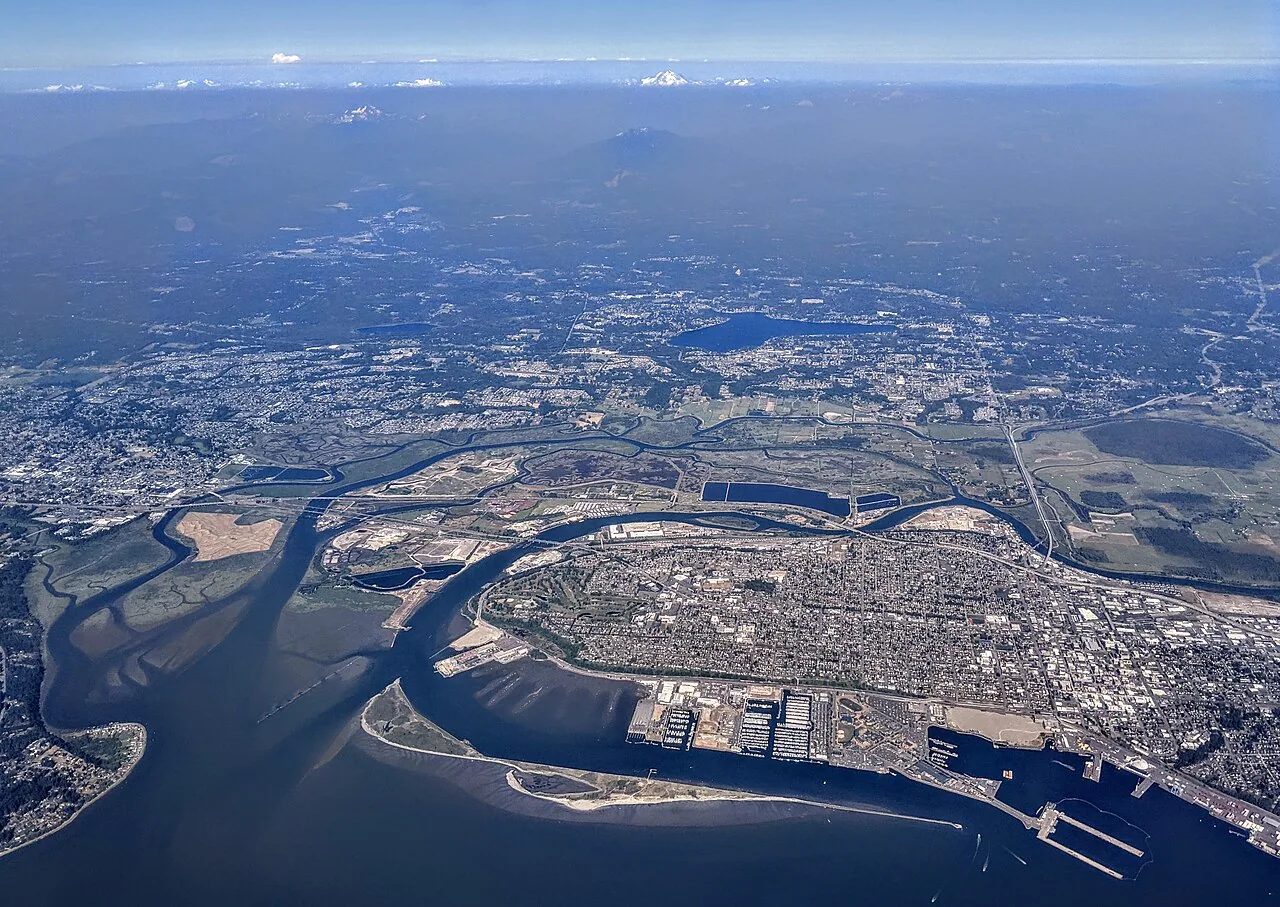
A blister in a cap sheet can hold water above a lower ply, while a split at a flashing may expose several layers at once. Modified bitumen is a multi-layer asphaltic system using a reinforced sheet modified with polymers; repair depends on the membrane type, surfacing, ply condition, and installation method. We inspect laps, seams, granule loss, blisters, ridges, drains, and penetrations before selecting a patch or larger scope. Everett's rainy season reaches through late fall and winter. On a modified-bitumen roof, that timing makes lap closure and temporary protection important when repairs expose several plies. Port warehouses, Boeing-area industrial buildings, and Paine Field facilities have varied roofs and operating limits; the installed system must be confirmed at the building. For an initial condition map, schedule a roof inspection; for a suspected active entry, a leak investigation can trace the water path.
Read the ply assembly
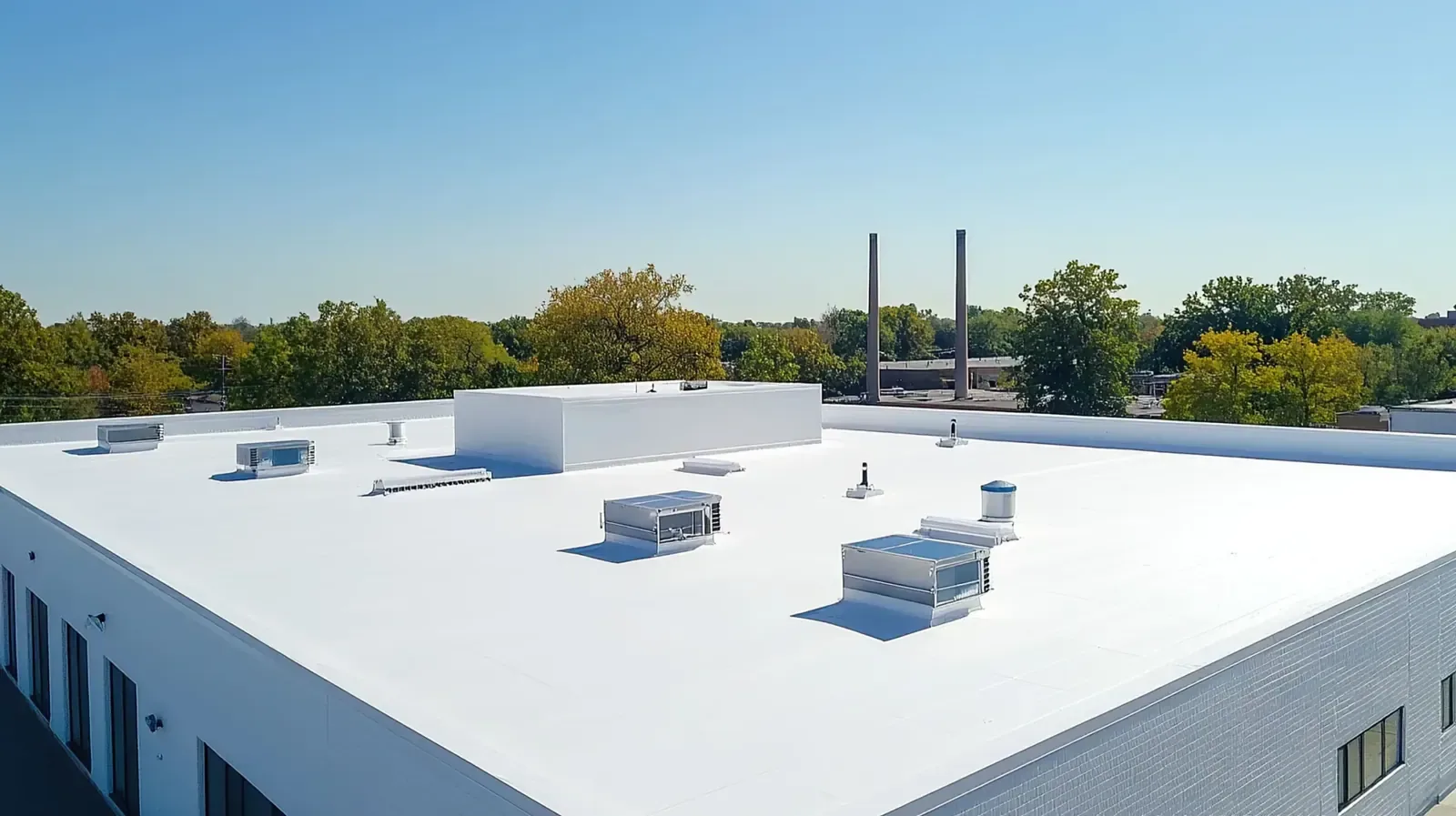
Modified bitumen roofs may use a base sheet and one or more reinforcing plies beneath a granulated or coated cap sheet. Attachment can involve hot asphalt, cold adhesive, self-adhered sheets, or torch application depending on the system. We review available specifications and inspect exposed edges or repairs to identify how the layers connect. The repair cannot be selected from the top surface alone if lower plies or the deck may be wet.
We look for exposed reinforcement, open laps, fishmouths, alligatoring, blistering, and movement at transitions. A blister can be dry, wet, or bonded at the perimeter; cutting it open without a plan can spread the problem or expose the assembly. The inspection notes whether the surface is stable and whether a test opening is needed. Each layer's condition is recorded separately where visible. We also check whether moisture has softened the asphalt bond, whether a blister contains water, and whether the cap sheet remains attached at the edge of the affected area. A small test opening can reveal layer condition, but it must be closed with a compatible detail and documented by roof zone.
Evaluate cap-sheet and surfacing condition
Granules protect the cap sheet from exposure, but loss can have several causes: abrasion, age, foot traffic, poor adhesion, or a repair that disturbed the surface. We map bare areas, cracks, displaced surfacing, and ponding marks, then check for open seams below or around them. A surface coating may be an option only when the assembly and substrate are suitable; it does not restore missing plies or remove trapped moisture.
On a roof with equipment service routes, pads and walkways can reduce repeated wear when designed for the system. A port or rail building may have long travel paths across a roof; the property contact identifies how maintenance staff use the area. We separate normal wear from damage and record whether the membrane remains sound beneath granule loss. A maintenance visit can track changed surface conditions between inspections.
Inspect laps, edges, and penetrations
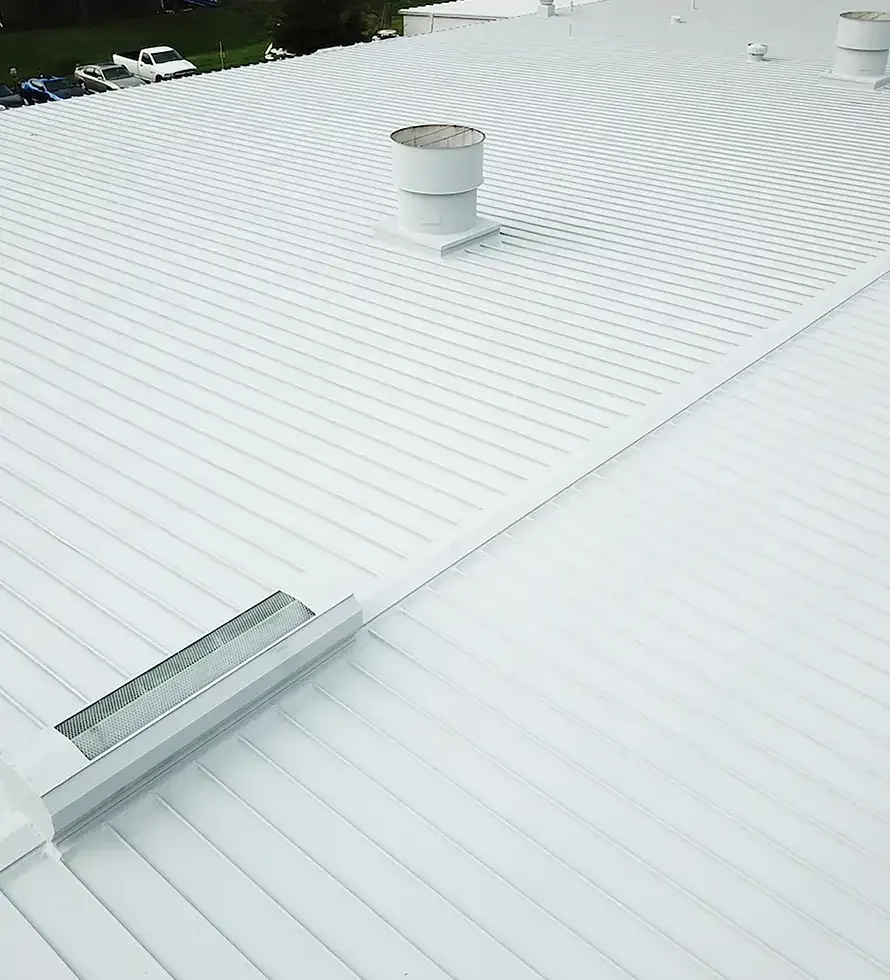
At laps and end joints, we check whether sheets remain bonded, whether reinforcement is exposed, and whether water can reach the lower layer. Corners, parapets, curbs, drains, and expansion joints require compatible flashing details. A surface patch that bridges an open movement joint may split again, and a sealant bead cannot replace a properly formed transition. We identify where the membrane ends and how it is secured to metal or wall flashing.
Everett's wet months put these transitions through repeated rain. We relate field observations to the roof slope and drainage path, then compare them with interior reports. If the defect is at an outlet, a drain inspection can assess the bowl and surrounding plies; for edge failure, an edge-metal review can address coping and termination. Repairs are scoped by detail rather than by the nearest stain.
Select an installation and repair method
Modified bitumen repairs may use compatible torch-applied, cold-applied, self-adhered, or hot-asphalt methods, depending on the existing system and site restrictions. Heat application requires fire planning, protection of combustibles, monitoring, and personnel trained for the method. A self-adhered repair still depends on a clean substrate, appropriate temperature, and firm contact. The scope names the method and protection measures rather than treating all modified sheets as interchangeable.
Operating buildings can restrict flame, fumes, staging, and outage windows. Port cargo routes or aviation operations around Paine Field may affect access and material handling. The Cascade Industrial Center and Everett waterfront facilities require site-specific coordination. The facility approves site procedures, while the roof system and repair detail determine the application method. The Cascade Industrial Center spans Marysville and Arlington and connects manufacturing sites with highways, rail, airports, and the Port. A building in that broader industrial area may require a delivery and roof-access plan that accounts for active freight routes and staged material. If the substrate is wet or unsound, the repair must reach stable material before any new sheet is applied.
Compare local repair with system renewal
A small split at an otherwise stable lap may support a local patch. Broad granule loss, recurring blisters, multiple open plies, wet insulation, or damaged deck can lead to a wider repair or replacement review. We map the locations, confirm moisture where necessary, and state how far removal should extend. If the assembly has several layers, adding another sheet may affect height at drains and wall terminations.
Owners can compare localized repair with a replacement assessment. A roof assembly review can address insulation, cover board, and tapered drainage. Other systems have different construction methods: built-up roofing uses multiple asphaltic plies, while EPDM is a single-ply rubber membrane. These comparisons should reflect the building and project criteria.
Record layers and work limits
The closeout identifies the confirmed system, surface condition, repair layers, application method, protection measures, and roof zone. Photos show the cap sheet and any lower layers opened during repair. We note weather, access, and areas not tested. For torch or heat work, the record includes the site's fire-control steps as required by the project and any restricted areas.
Facilities in the Everett industrial waterfront and Paine Field area have different delivery and access needs, but each roof's assembly controls the work. A condition report can preserve repair boundaries and future maintenance items. Request a modified-bitumen evaluation with roof documents, previous repairs, and any active leak history so the recommendation distinguishes cap-sheet repair from a multi-ply assembly issue. We also identify gravel, coating, or walkway material that must be cleared before the detail can be evaluated. The record notes if wet weather or access restrictions prevent testing and what condition should trigger a return visit.
Commercial Roofing Questions
How do you repair a blister in modified bitumen?
First we determine whether it is dry, wet, or separated from the layers below. The repair method depends on the ply condition and how far removal must extend.
Can you torch-apply a repair on an occupied roof?
Only when the system and site allow that method and required fire controls are in place. Restrictions on heat, access, and combustible materials may call for another approved approach.
What does granule loss indicate?
It may reflect abrasion, exposure, traffic, or loss of cap-sheet surfacing. We inspect the underlying sheet and nearby seams before defining a repair.
Can another modified sheet be installed over the existing roof?
A recover decision follows the condition of the layers, attachment, deck, drainage, and edge heights. The assembly must be verified before additional material is installed.
How do you find water below the cap sheet?
We compare interior symptoms with roof details and may use targeted readings or openings. The report separates confirmed wet material from suspected areas.
Questions Owners Ask
How do you repair a blister in modified bitumen?
First we determine whether it is dry, wet, or separated from the layers below. The repair method depends on the ply condition and how far removal must extend.
Can you torch-apply a repair on an occupied roof?
Only when the system and site allow that method and required fire controls are in place. Restrictions on heat, access, and combustible materials may call for another approved approach.
What does granule loss indicate?
It may reflect abrasion, exposure, traffic, or loss of cap-sheet surfacing. We inspect the underlying sheet and nearby seams before defining a repair.
Can another modified sheet be installed over the existing roof?
A recover decision follows the condition of the layers, attachment, deck, drainage, and edge heights. The assembly must be verified before additional material is installed.
How do you find water below the cap sheet?
We compare interior symptoms with roof details and may use targeted readings or openings. The report separates confirmed wet material from suspected areas.
Inspect the cap sheet and underlying plies
Schedule an Everett modified-bitumen roof review. We will map surface and ply conditions, identify moisture concerns, and define a compatible repair method.
Related Roofing Work
- Cascade Industrial Center, Marysville and Arlington
- Commercial Roof Repair
- Commercial Roof Replacement
- Built-Up Roofing
- EPDM Roofing
- Everett Industrial Waterfront
Browse every page in Roof Systems, or request a roof assessment and we will walk the roof with you.
Questions about this roof? Call 555-555-5555.