
Commercial Roof Repair, Replacement & Maintenance
Commercial Roof Replacement in Everett, WA
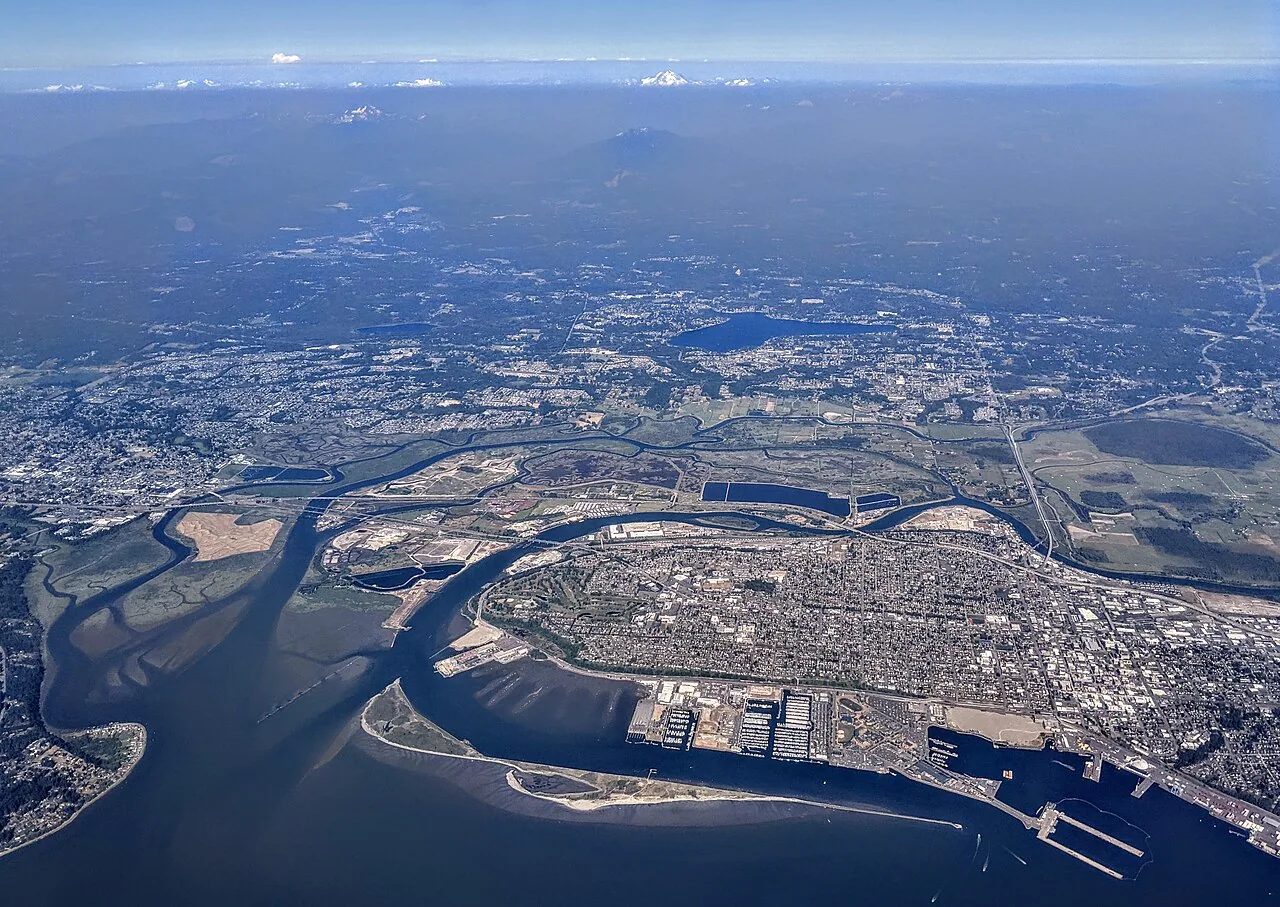
Everett's wetter months arrive in late fall and winter, so a replacement plan should keep each open section draining and closed before the crew leaves. In Everett, repeated wet-season rain makes drainage and moisture beneath the membrane central to that review. We inspect field seams, edges, penetrations, insulation, and deck conditions, then separate repairable areas from materials that no longer provide a dependable substrate. A report records what was observed and what needs confirmation before the scope is priced. Around the Port of Everett and Paine Field, commercial properties can have dock edges, equipment curbs, and mixed roof elevations that require separate details rather than one blanket assembly. We discuss inspection findings before replacement, and can compare a recover when code, drainage, and moisture conditions allow it. The goal is a system choice tied to roof conditions and a sequence that respects operations.
Separate wet materials from sound roof areas
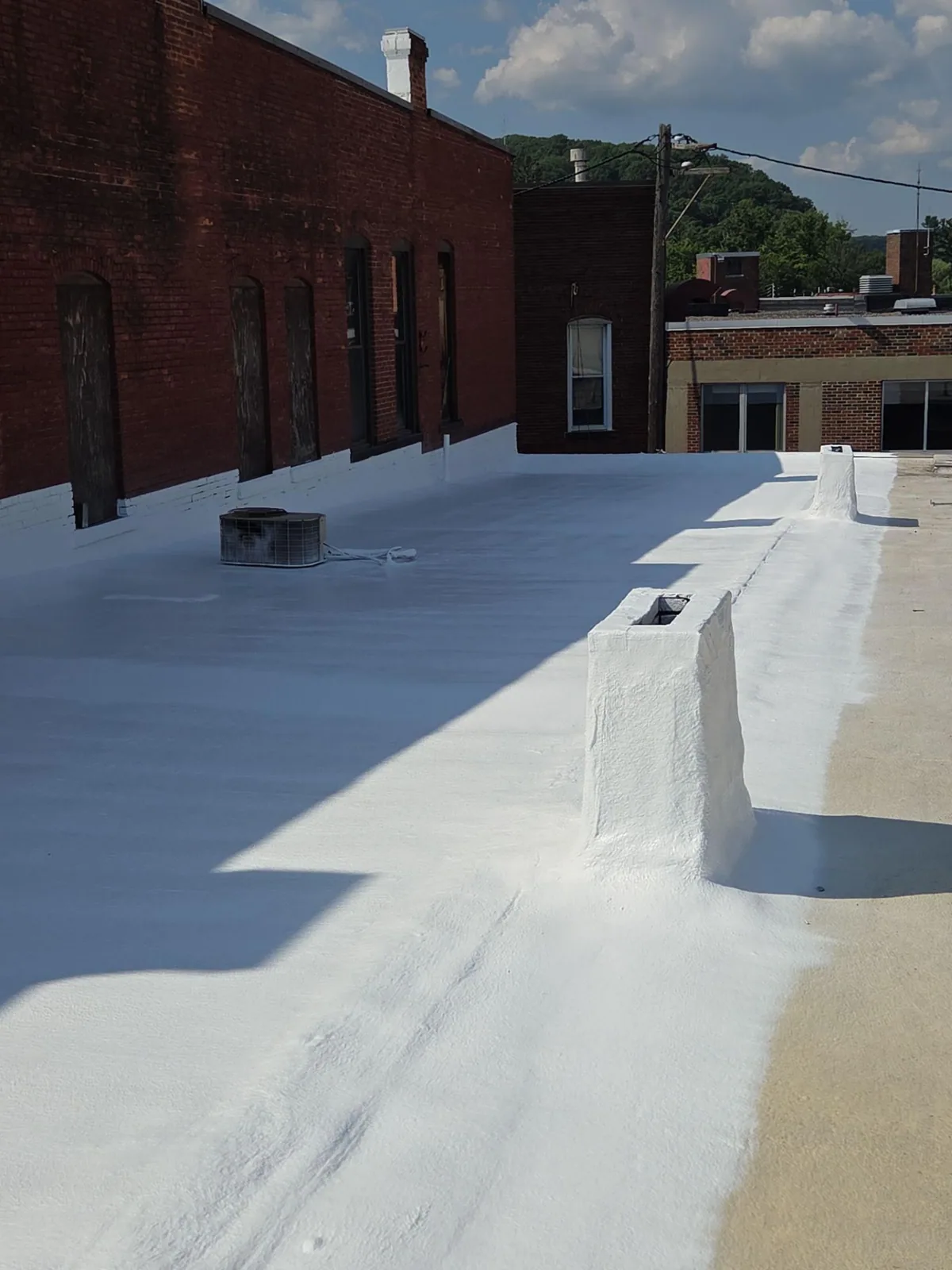
A replacement scope should identify moisture extent, not just where a ceiling stain appeared. We trace the likely water path from the interior symptom to roof details that can admit water, then check the membrane, flashing, seams, penetrations, and drainage features. Where accessible and appropriate, targeted probes or core cuts help distinguish wet insulation from a dry area that only needs observation. A soft spot, open lap, failed sealant bead, or wet board does not by itself establish roof-wide failure. Repeated wet zones, broad loss of adhesion, saturated insulation, deteriorated deck, or unbuildable details may support replacement. Findings are recorded by roof area so the owner can compare repair, recover, and replacement boundaries with the same evidence. For a distribution building near the BNSF Delta yard or a manufacturer in Southwest Everett, the report can also identify the routes used for rooftop access and the areas that must stay clear during investigation. A condition report with photographs creates a common reference for facility staff, ownership, and the contractor when the work scope is reviewed.
Match the assembly to the deck and use
Once the existing layers are understood, the replacement assembly can be evaluated against deck type, drainage geometry, rooftop equipment, wind exposure, and how the building is used. A mechanically attached or adhered single-ply membrane may fit some low-slope buildings; a multi-ply modified bitumen or built-up assembly may suit other conditions; standing-seam metal and retrofit metal are separate options for roofs with the right slope and structure. TPO, PVC, EPDM, and KEE are not interchangeable labels. Their formulation, reinforcement, attachment, detailing, and compatibility with adjacent materials must be considered for the project. We compare assemblies against the observed conditions, not a product name alone. For example, a roof serving an aviation, manufacturing, or maritime operation can have more equipment curbs and changing elevations than a simple open field, which makes transitions and tie-ins part of system selection. We also review cover board and insulation where the planned assembly changes the thermal or attachment layers. Everett's adopted construction requirements include the 2021 International Building Code and state commercial energy-code provisions, so permit and code implications need to be checked for the actual scope. Owners comparing TPO, PVC, or EPDM should evaluate seam work, rooftop chemicals, penetrations, drainage, and repair access alongside initial material choice.
Define replacement limits and transitions
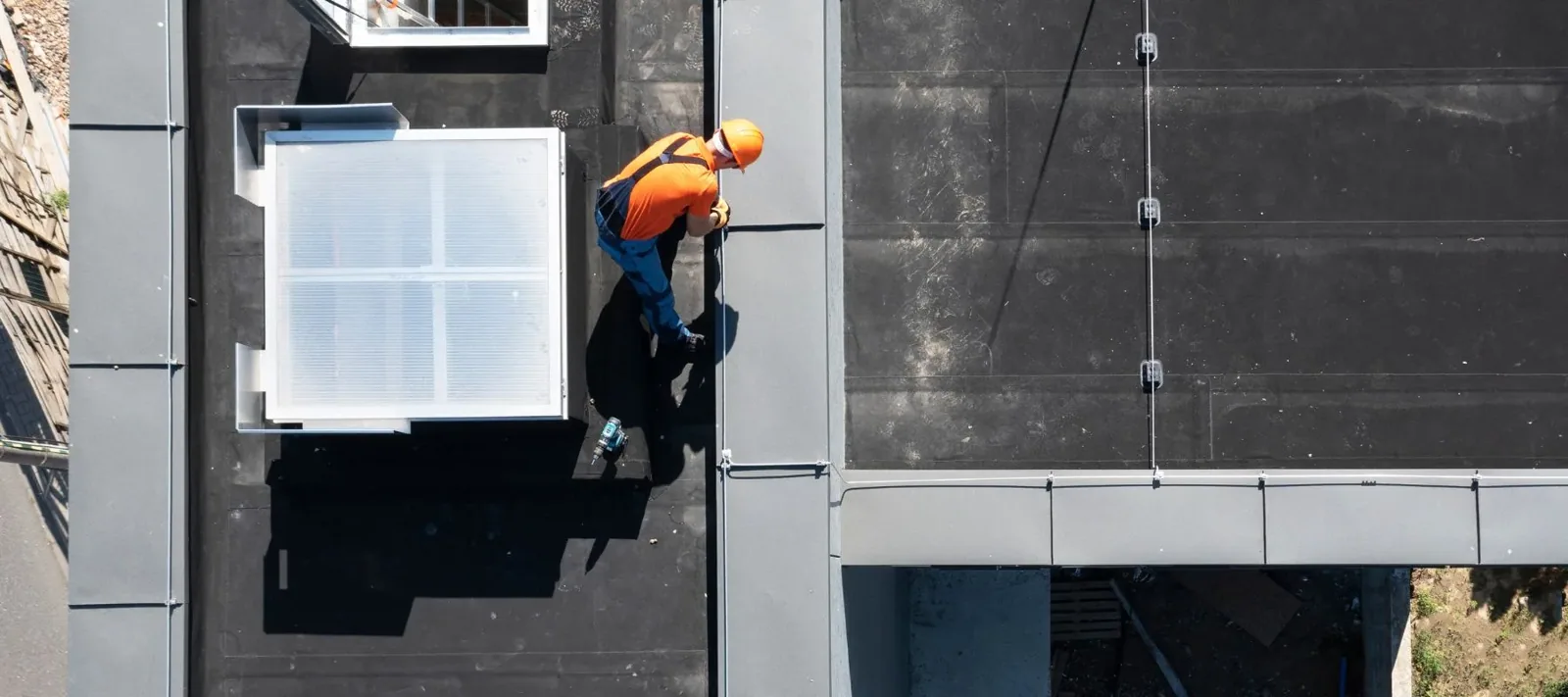
The edge between new and retained roofing is a design condition, not a line to improvise on installation day. A replacement plan should state what is removed, which layers stay, where the new work ties into existing material, and how temporary protection is handled if the roof is opened in stages. At a parapet, wall, equipment curb, drain, expansion joint, skylight, or metal edge, the detail may need more than a field membrane patch. We mark those transitions on the roof plan and tie them to photographs or Diligence Notes. That is especially useful where roof sections were installed at different times or where tenant work has added supports and penetrations. If a survey finds isolated wet areas beside otherwise sound sections, the owner may compare a phased replacement with a single project, but phasing needs a durable termination and weather plan. Material removal also gives access to inspect the deck and fasteners; concealed deterioration can change the scope, so the bid should explain how concealed conditions are documented and priced before work continues. Roof drainage remains part of the boundary: a new assembly cannot correct a blocked drain, undersized leader, or poor transition simply by covering it. Coordinate drains and scuppers and edge metal and coping with the membrane details so runoff has a planned route after construction.
Plan removal around building operations
Replacement changes how the roof is accessed, how the weather is managed, and how the building keeps operating while materials are removed. Before work begins, we map laydown and disposal areas, crane or material-lift locations where needed, hatch routes, protected entries, rooftop equipment zones, and any work windows set by the facility. A hospital, data-sensitive room, production line, or occupied office may need a different sequence from a vacant warehouse. The plan should identify noise-sensitive periods, exhaust or intake locations, deliveries, fire lanes, and the roof-access contact. Wet-season scheduling in Everett deserves a clear daily dry-in decision: exposed sections must be limited to the area that can be secured before weather changes, and temporary protection should have a defined inspection and removal plan. The wettest normal months are November, December, and January, so those projects need realistic staging and weather contingencies. At the Paine Field and Boeing center, active operations can affect vehicle movement and roof access. A phased occupied-building reroof can keep selected areas available, while the work plan identifies where temporary closures, noise, or equipment shutdowns are unavoidable. We confirm these limits with the owner before mobilization and update the sequence when field conditions change.
Compare the full project, not only membrane price
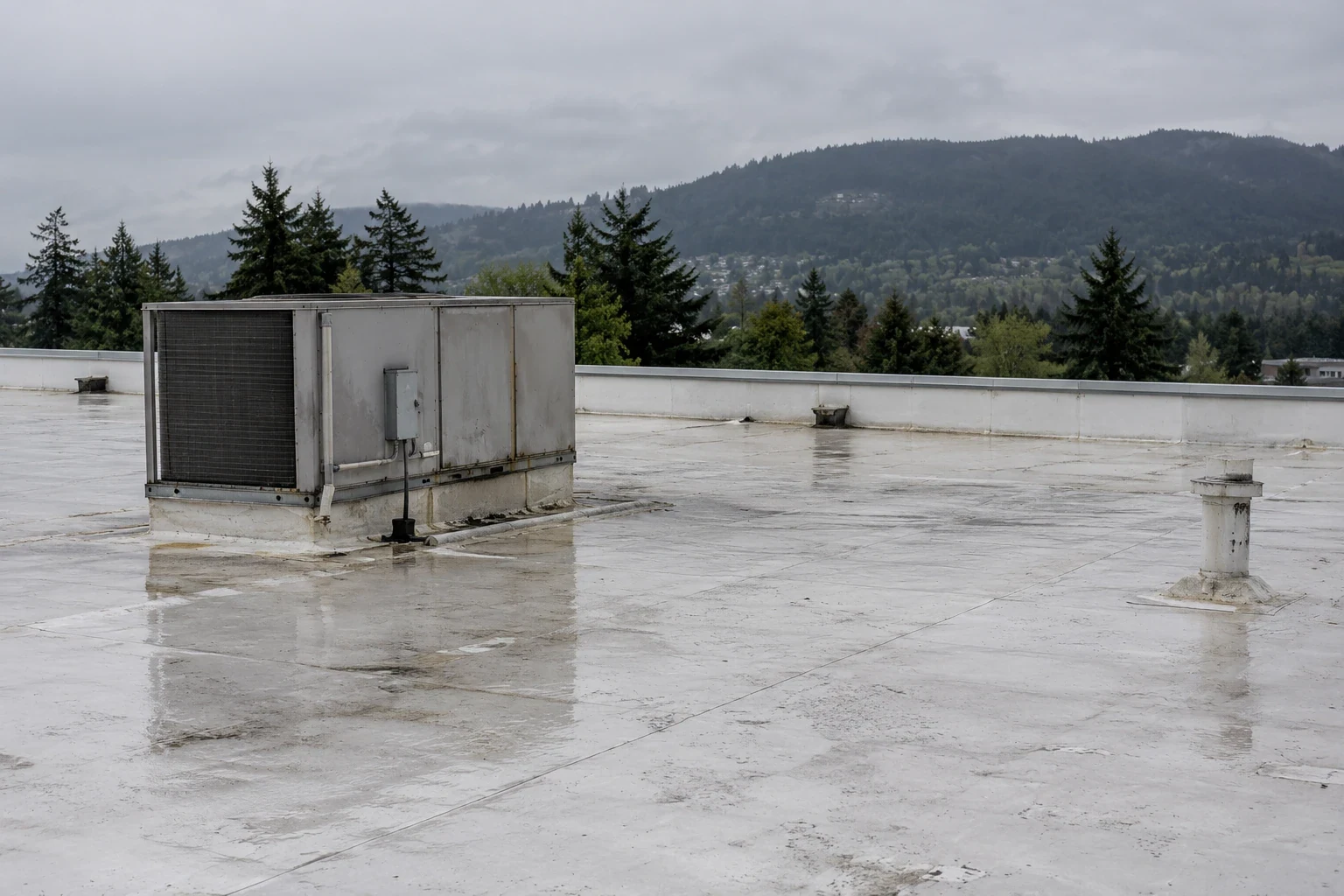
Similar membranes can carry different project risks. Compare removal depth, substrate repair assumptions, insulation and cover-board quantities, flashing details, drain work, edge metal, equipment support transitions, disposal, protection, testing, and closeout records. Ask whether a bidder counted each roof section and penetration, and whether access restrictions or production hours are included in the schedule. A price based on a dry deck may not cover concealed wet insulation found after tear-off; the written allowance or unit-price method should explain how that change is evaluated. Warranty options also depend on system design, manufacturer requirements, inspections, and documented installation; no term should be assumed until the project-specific documents state it. Replacement can be a capital-planning decision as well as a leak response. For a property portfolio spanning Everett, Lynnwood, and Marysville, the same inspection format makes roof sections easier to rank without treating each building as identical. If the roof is not yet at replacement condition, targeted repair or preventive maintenance may preserve sound areas. The choice should follow the moisture map, detail conditions, and the cost of maintaining a boundary between old and new work.
Commercial Roofing Questions
What finding makes full replacement more practical than repair?
A broad pattern of wet insulation, repeated seam or flashing failures, deck deterioration, or details that cannot be rebuilt reliably can support replacement. We map those conditions first and separate confirmed damage from areas that need more testing.
Can a new roof go over the existing system?
Only when the assembly, code path, deck, attachment, drainage, and moisture conditions support a recover. If wet material or unstable layers remain below, covering them can preserve the problem. We document the layers before recommending that option.
How does Everett weather affect the schedule?
The wet-season pattern matters more than occasional snow. November through January are the wettest normal months, so the crew needs a staged removal limit and a reliable dry-in plan for each workday.
What should the scope say about hidden damage?
It should state how concealed deck or insulation conditions will be photographed, reviewed, and priced before the repair proceeds. That keeps a field discovery from turning into an undefined change.
Will building operations need to stop?
Not always. We map access, rooftop equipment, deliveries, occupied areas, and noise limits, then sequence sections to keep compatible operations running. Any required shutdown should be identified before mobilization.
Questions Owners Ask
What finding makes full replacement more practical than repair?
A broad pattern of wet insulation, repeated seam or flashing failures, deck deterioration, or details that cannot be rebuilt reliably can support replacement. We map those conditions first and separate confirmed damage from areas that need more testing.
Can a new roof go over the existing system?
Only when the assembly, code path, deck, attachment, drainage, and moisture conditions support a recover. If wet material or unstable layers remain below, covering them can preserve the problem. We document the layers before recommending that option.
How does Everett weather affect the schedule?
The wet-season pattern matters more than occasional snow. November through January are the wettest normal months, so the crew needs a staged removal limit and a reliable dry-in plan for each workday.
What should the scope say about hidden damage?
It should state how concealed deck or insulation conditions will be photographed, reviewed, and priced before the repair proceeds. That keeps a field discovery from turning into an undefined change.
Will building operations need to stop?
Not always. We map access, rooftop equipment, deliveries, occupied areas, and noise limits, then sequence sections to keep compatible operations running. Any required shutdown should be identified before mobilization.
Document the roof before choosing replacement
Schedule an inspection that records moisture, drainage, transitions, and work limits. We will use those findings to compare repair, recover, and replacement scopes for your Everett building.
Related Roofing Work
- Commercial Roof Inspection
- Commercial Roof Condition Reports
- TPO Roofing
- PVC Roofing
- EPDM Roofing
- Commercial Roof Drains and Scuppers
- Commercial Roof Edge Metal, Coping and Gutters
- Paine Field and Boeing Manufacturing Center
Browse every page in Commercial Roofing Services, or request a roof assessment and we will walk the roof with you.
Questions about this roof? Call 555-555-5555.