

Commercial Roof Repair, Replacement & Maintenance
Distribution Center Roofing in Everett, WA
A damp mark beside a conveyor support can be the final point in a roof leak that began several bays away. Distribution centers move product through long, connected zones, so our inspection maps the roof condition against the path of water and the building's operating plan. Everett's Port connections and the Cascade Industrial Center support freight, manufacturing, and logistics activity across the area; Paine Field adds another active employment district with access and scheduling needs of its own. Those locations do not identify a roof assembly, so we verify membrane, attachment, drainage, and insulation on site. A hands-on inspection marks each roof zone, while portfolio coordination helps a facility team keep separate buildings on a consistent record.
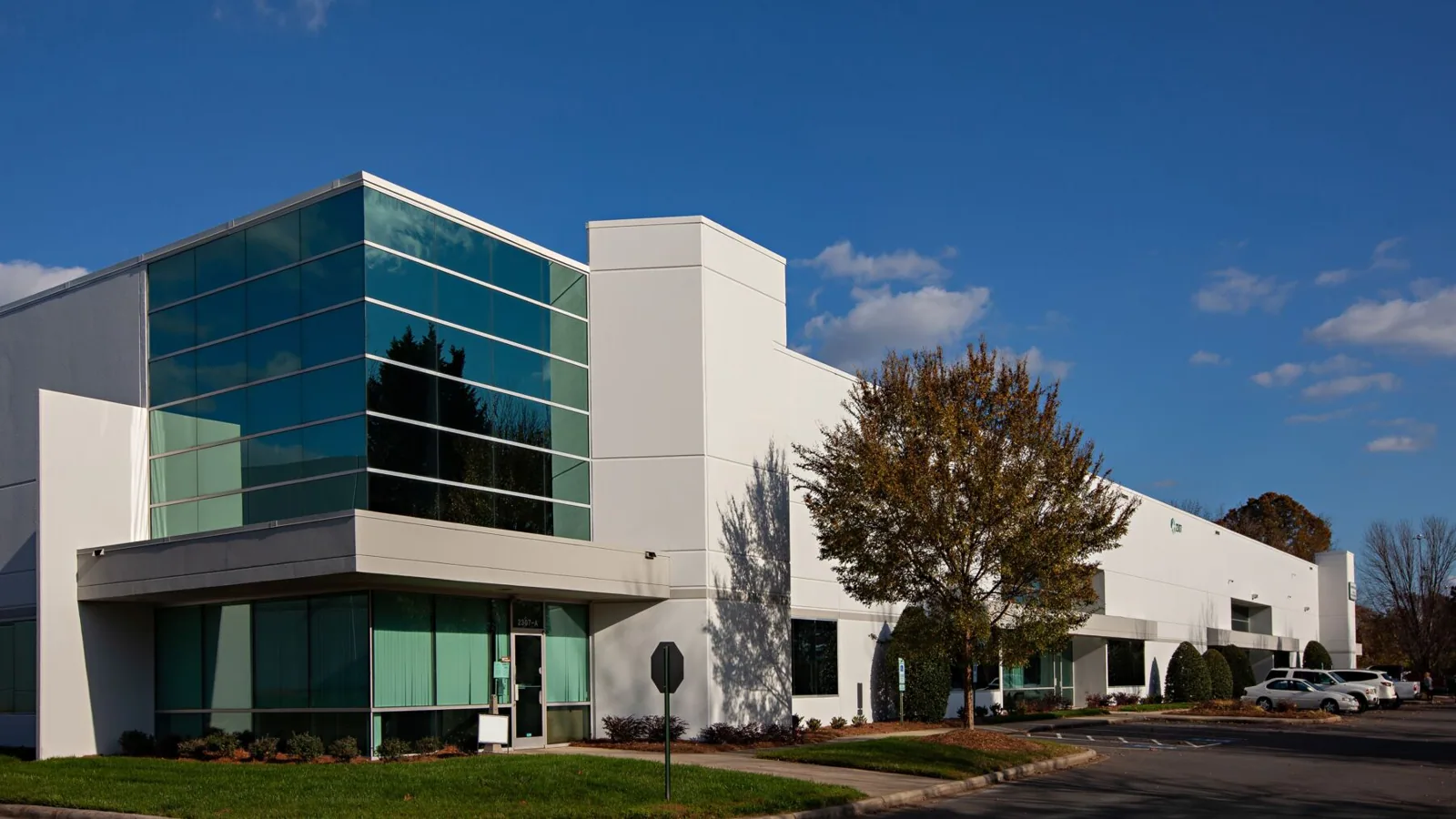
Follow the water path across connected bays
Long roof runs can carry runoff past multiple penetrations before it reaches a drain or scupper. We check slopes, crickets, expansion joints, valleys between elevations, and the condition of the outlet serving each bay. A blocked strainer is a maintenance item; a low area that holds water after the drain is clear may require a different correction. We record which conditions can be addressed without interrupting operations and which need a coordinated window for access below.
A leak near a sorter or charging station requires attention to both the roof opening and the equipment zone below it. Our notes connect the interior observation to roof features that can admit water, then distinguish tested moisture from a location that only appears suspect. If the route points toward a curb or duct, curb and equipment support work can be scoped with the roof repair. Where multiple outlets serve a broad field, a drain inspection can identify cleaning, flashing, or correction needs.
Control foot traffic and service routes
Conveyor maintenance, HVAC service, and rooftop electrical work can concentrate foot traffic around a few curbs and access points. We look for displaced walkway protection, punctures, loose pitch pans, and repeated patching along the route between the hatch and equipment. A service path should let technicians reach equipment without turning the membrane into a work surface. The repair scope can identify walk pads, flashing, and protection required at the zones where maintenance occurs.
The owner can help by sharing roof access procedures, equipment shutdown requirements, and the time periods when a bay is busiest. Around the Port of Everett, freight access may involve scheduled truck and rail activity; within Cascade Industrial Center, work can intersect manufacturing or distribution operations. We coordinate on the particular site instead of assuming all buildings follow the same route. If full reroofing is necessary, occupied-building phasing can set boundaries for material staging, overhead protection, and temporary watertight closures.
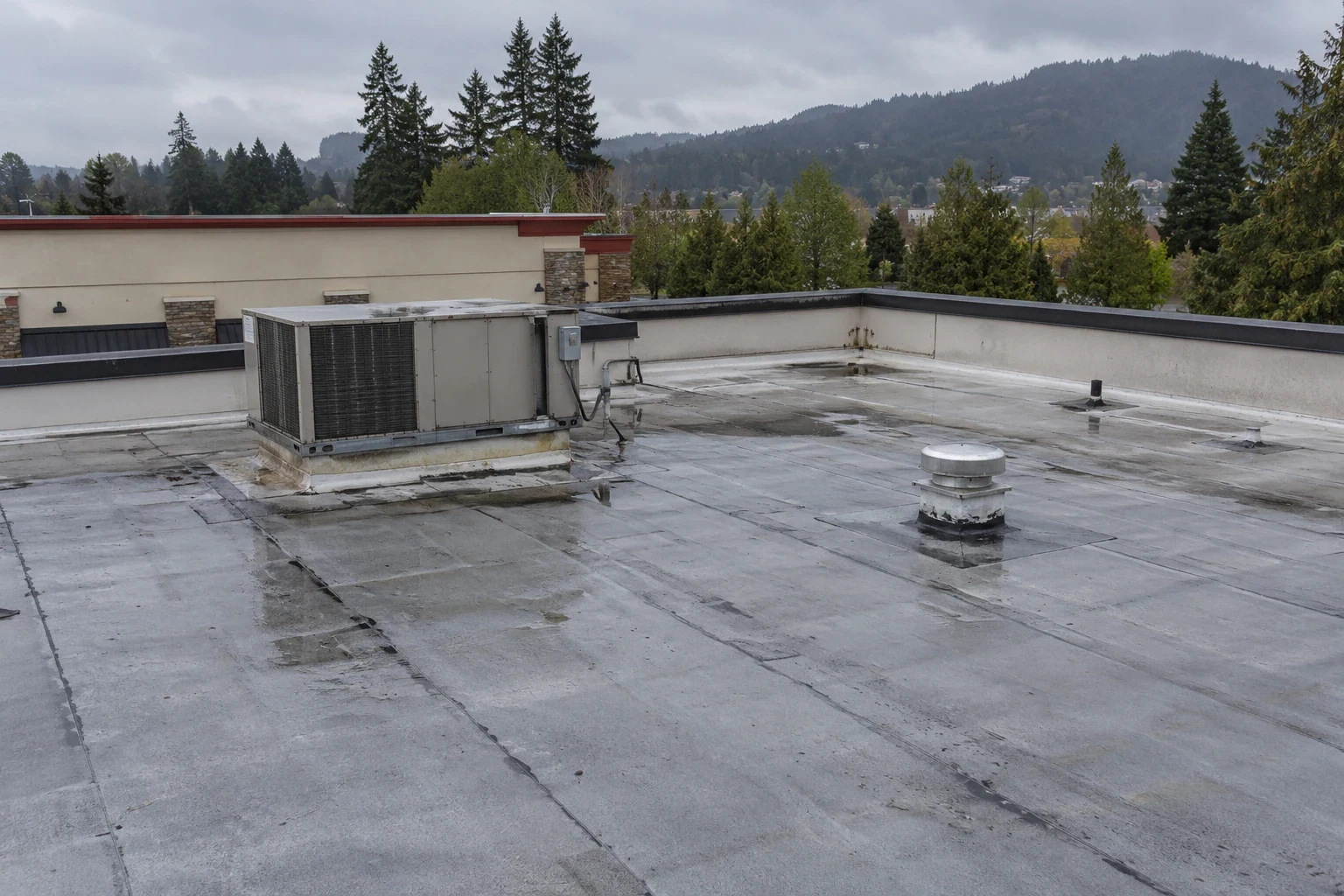
Confirm the roof assembly and its attachment
Before planning repairs, we identify whether the field is a thermoplastic membrane, EPDM, modified bitumen, built-up roofing, metal, or a recover system. Seams, fasteners, edge details, penetrations, and visible cut edges provide clues, but later repairs can obscure the original assembly. We record what can be confirmed and where a test opening or manufacturer information would change the scope. A mismatch between patch material and field membrane can create a weak transition even when the patch looks complete.
Distribution roofs may contain separate additions or phased sections with different deck and insulation conditions. We note transitions, expansion joints, changes in slope, and curb heights so the roof map reflects the actual layout. The TPO seam review applies when a heat-welded field is confirmed, while a warehouse roof assessment addresses storage and loading constraints that may overlap with distribution functions. Neither label replaces inspection of the installed material.
Map moisture before choosing recover work
A recover can preserve an existing roof only when the conditions below it support that decision. We compare leak history with wet insulation evidence, deck condition, attachment, and the number of existing layers allowed by project requirements. A damp area can extend beyond the visible ceiling symptom, while an infrared image is only a screening tool that may need confirmation. We use targeted readings or cores where the result changes whether an area can remain in place.
If moisture is widespread or the deck has lost support, a repair at the membrane surface will not correct the underlying condition. The record separates areas proposed for removal from dry zones that can remain, and states the limits of testing. A moisture survey can prioritize openings when surface and weather conditions are suitable. Cold rooms nearby require their own vapor and temperature review; cold-storage roofing evaluates those assembly pressures without assuming the adjoining distribution roof has the same layers.
Set a workable phase and dry-in sequence
Everett rain is heaviest in late fall and winter, so a repair sequence must account for wet substrates, overnight exposure, and the time needed to secure each opened zone. Occasional freezing nights also make slick access surfaces and water at metal transitions a practical concern. We limit open work areas to what can be closed within the shift and document temporary tie-ins that remain until permanent work resumes. Materials, adhesive, and weld conditions follow the selected system requirements.
For a distribution operation, schedule is also tied to inbound trucks, shift changes, and safe access around docks. We set a communication point for the facility contact, identify areas needing temporary clearance, and phase noisy or disruptive work where feasible. If an opening threatens product or electrical equipment, emergency protection can limit immediate exposure while the permanent scope is being verified. The written plan separates that first response from long-term repair or replacement.
Keep each roof zone tied to its record
A useful closeout identifies where work occurred, what assembly was observed, which transitions were repaired, and what remains under monitoring. Photos should show the repair in relation to a roof feature, not only a close view of new sealant. We record drain conditions, moisture test areas, and the next inspection point so the facility can compare evidence after later rainfall. If a leak returns, that record helps determine whether it is a failed repair, a new opening, or water following another path.
At a multi-building operation connected to Everett's freight network, consistent naming of roof zones can help maintenance, ownership, and operations work from the same map. A site walk at the Cascade Industrial Center or near the Port should still end in building-specific findings and boundaries. Request a distribution roof evaluation with roof plans, maintenance logs, interior leak locations, and known equipment restrictions available.
Commercial Roofing Questions
Can a leak travel along a roof deck before reaching a work area?
Yes. Water can follow a deck flute, insulation facer, seam, or framing line before it appears inside. We compare the interior pattern with roof drains, curbs, joints, and slopes to test the likely path.
How do you keep loading operations from crossing a repair zone?
We agree on staging, roof access, and any temporary clearance with the facility contact before opening the roof. The work boundary and dry-in sequence should reflect the active dock and equipment schedule.
What makes one distribution roof eligible for a recover?
The deck, attachment, moisture extent, existing layers, and project requirements all matter. Testing confirms whether the existing assembly can remain under a new roof.
Should equipment walk paths be part of the roofing scope?
When service traffic has worn the field or damaged flashing, the scope can include protection and detail repairs along that route. We map the path with the owner rather than place protection without an access plan.
What does a roof closeout give our facility team?
It ties photos and repairs to named roof zones, records what remains to monitor, and notes the next inspection point. That record supports decisions if another leak appears.
Questions Owners Ask
Can a leak travel along a roof deck before reaching a work area?
Yes. Water can follow a deck flute, insulation facer, seam, or framing line before it appears inside. We compare the interior pattern with roof drains, curbs, joints, and slopes to test the likely path.
How do you keep loading operations from crossing a repair zone?
We agree on staging, roof access, and any temporary clearance with the facility contact before opening the roof. The work boundary and dry-in sequence should reflect the active dock and equipment schedule.
What makes one distribution roof eligible for a recover?
The deck, attachment, moisture extent, existing layers, and project requirements all matter. Testing confirms whether the existing assembly can remain under a new roof.
Should equipment walk paths be part of the roofing scope?
When service traffic has worn the field or damaged flashing, the scope can include protection and detail repairs along that route. We map the path with the owner rather than place protection without an access plan.
What does a roof closeout give our facility team?
It ties photos and repairs to named roof zones, records what remains to monitor, and notes the next inspection point. That record supports decisions if another leak appears.
Map the roof before scheduling the phase
Schedule a distribution center roof inspection in Everett. We will connect leak evidence to the roof layout, record access limits, and define the work sequence.
Related Roofing Work
- Commercial Roof Inspection
- Multi-Site Commercial Roof Programs
- Rooftop Equipment Curbs and Supports
- Occupied Building Reroofing
- TPO Roofing
- Warehouse Roofing
- Cold Storage Roofing
- Emergency Commercial Roof Repair
Browse every page in Property Types We Roof, or request a roof assessment and we will walk the roof with you.
Questions about this roof? Call 555-555-5555.