

Commercial Roof Repair, Replacement & Maintenance
College and University Roofing in Everett, WA
A leak report from a lecture room may involve a roof section that extends past the visible ceiling into a connector, mechanical bay, or later addition. We map the room and roof level, then inspect seams, penetrations, drains, and transitions that could carry water between campus zones. Everett's North Broadway is a community hub whose planned functions include education, healthcare, and employment, while Metro Everett forms the city's civic and commercial core. The districts frame local access and building activity, but do not establish a campus roof type. We confirm each assembly on site. A roof inspection records the field condition, and a multi-building roof program can retain a consistent condition map across separate campus facilities.
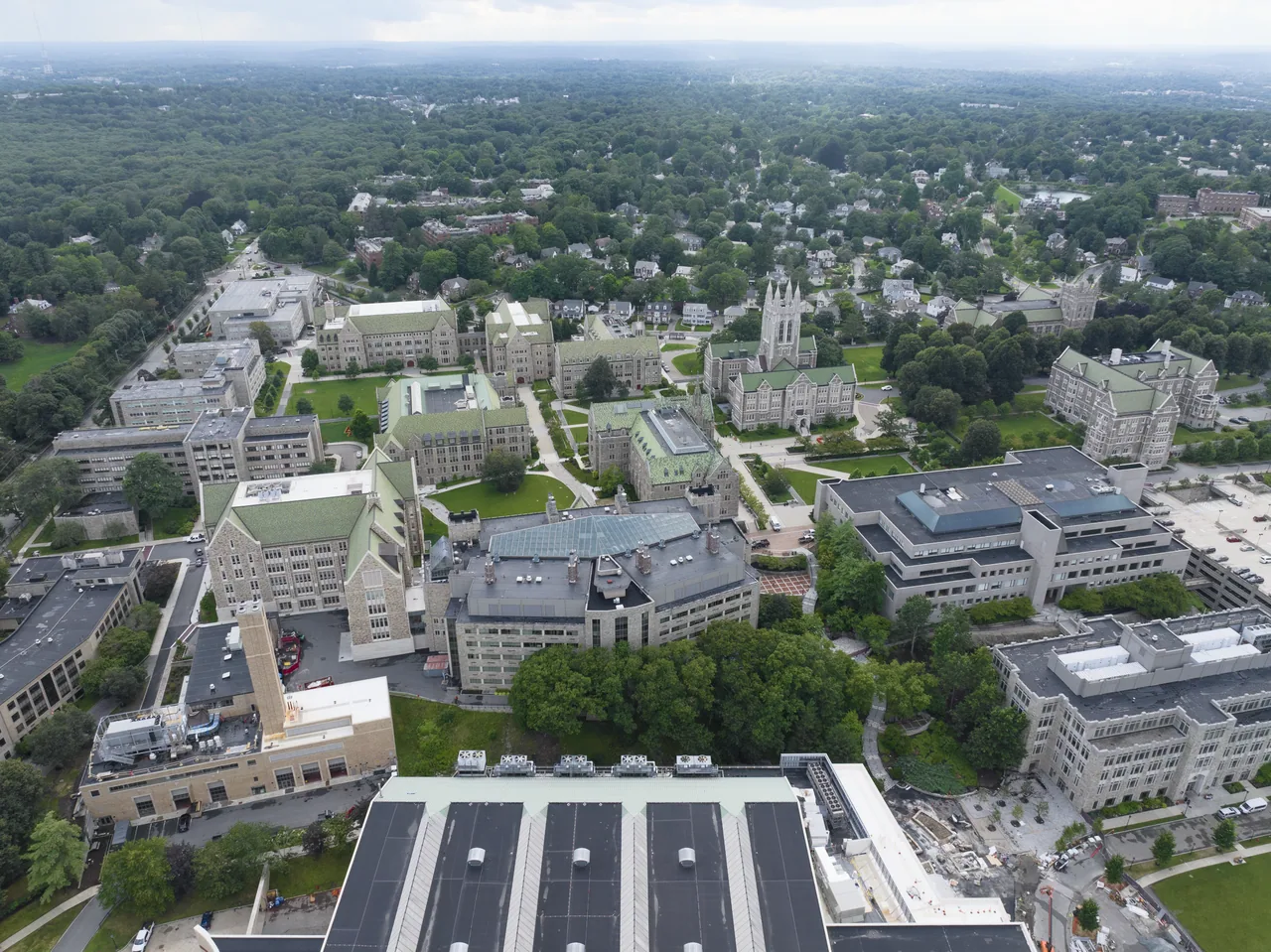
Keep separate buildings on separate roof records
A college property can include teaching rooms, administration, dining, recreation, housing, and maintenance structures with different roof layouts. We identify the building and section involved before comparing a leak report with the roof. Roofs may differ by membrane, deck, insulation, slope, and equipment arrangement even when the same campus team maintains them. A shared inventory can use common condition terms, but each roof retains its own photos, test areas, and repair limits.
North Broadway's planning role includes education among the uses supported in a transit-connected center. That makes access and arrival patterns useful context when crews need staging or building entry, but we rely on the campus contact for actual requirements. Metro Everett is another activity center, with different transport and public-space conditions. Where a campus has K-12 buildings in the same portfolio, school roofing can address shorter academic calendars and student protection; a multifamily roof assessment can cover housing structures maintained under a separate building record.
Coordinate roof work with academic schedules
Lecture schedules, exams, events, food service, and residential occupancy can restrict when crews cross an interior or stage materials outside. We identify the relevant building contact, roof hatch route, areas below the work, and windows when noise or odors would interfere. An open roof section should have a planned dry-in before it is disturbed, with protection below when a room or collection needs it. We record any unavailable zone rather than assuming it matches an inspected wing.
Some projects can use summer or academic breaks for broader replacement, but that choice depends on material delivery, testing, weather, and crew capacity as well as the calendar. A repair found during term may be limited to a focused zone with an agreed access window. If an opening becomes active, emergency protection can reduce immediate exposure while the campus schedules permanent work. The facilities team can share event dates and room use before each phase is set.
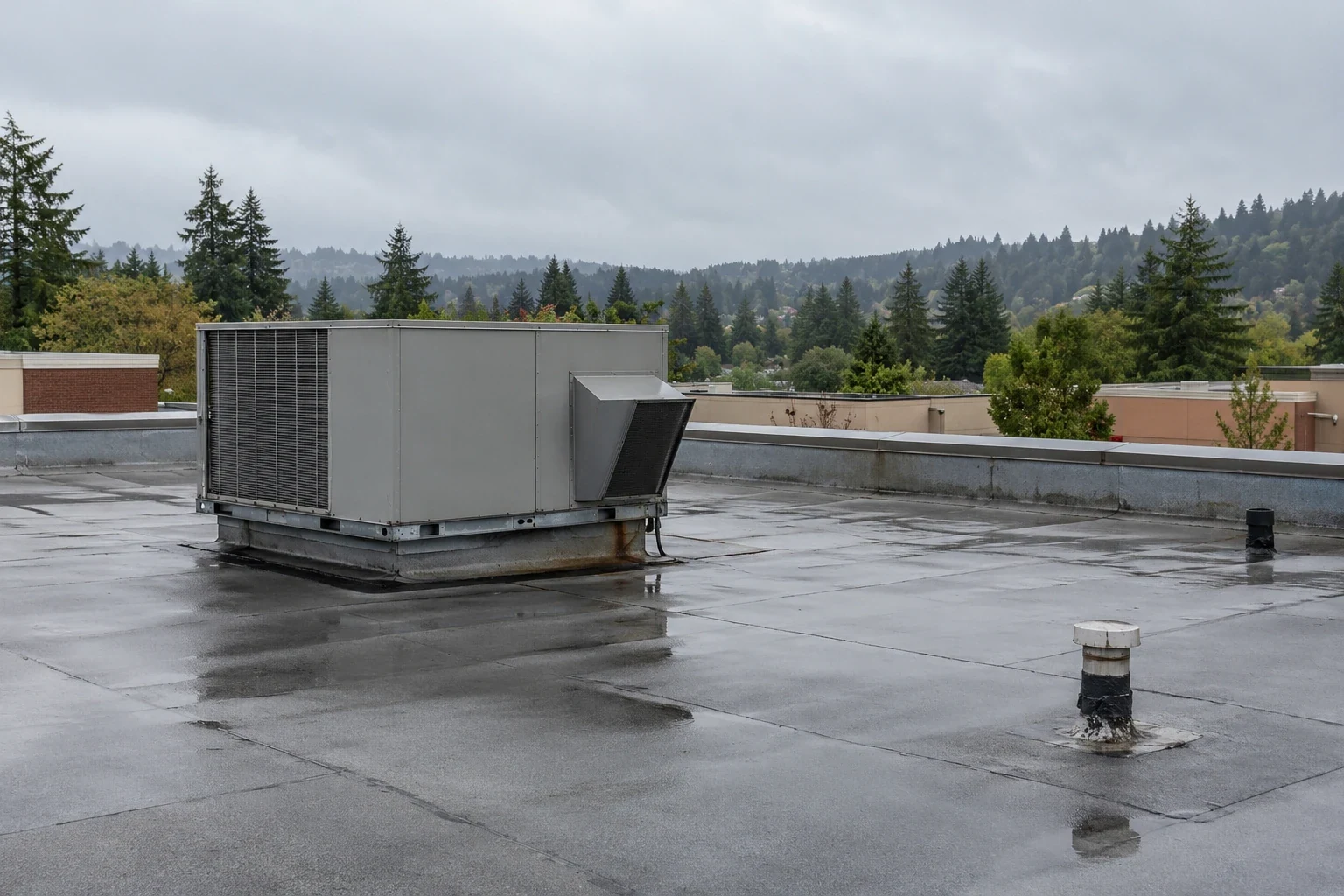
Inspect equipment, skylights, and service routes
Classroom and laboratory roofs may carry HVAC units, exhausts, skylights, conduit, and other penetrations, but the equipment mix must be confirmed at each building. We inspect curb corners, flashing, seals, supports, seams, and walking paths where maintenance traffic has worn the surface. A new unit can leave a previous curb or opening that requires a proper transition. A patch is not complete if the surrounding flashing or substrate is unstable.
We coordinate with campus maintenance on equipment shutdowns and service access, while roofing scope addresses the membrane and its details. For a visually restricted roof or broad campus section, a drone-assisted inspection may help document accessible surfaces, subject to flight conditions and site rules. Direct testing remains necessary where concealed layers change the repair decision. The record distinguishes observed defects from items that need a closer inspection.
Test concealed layers where a budget choice depends on them
A recover can limit disruption, but only if the deck, attachment, moisture condition, and existing layers support it. We compare ceiling symptoms with roof details, then use readings or test openings when hidden moisture could change the option. Infrared patterns can guide sampling but do not confirm the material below. The report should state how many areas were opened, what they showed, and which zones remain untested.
Older campus sections and newer additions may have different insulation and vapor-control details. We inspect visible edges and transitions, then make a separate repair or replacement recommendation for each assembly. If the wet boundary is local and the surrounding materials remain sound, a targeted repair can preserve serviceable roof. If moisture crosses a larger area, selective tear-off or full replacement may offer a clearer scope. The decision follows tested condition rather than building age alone.
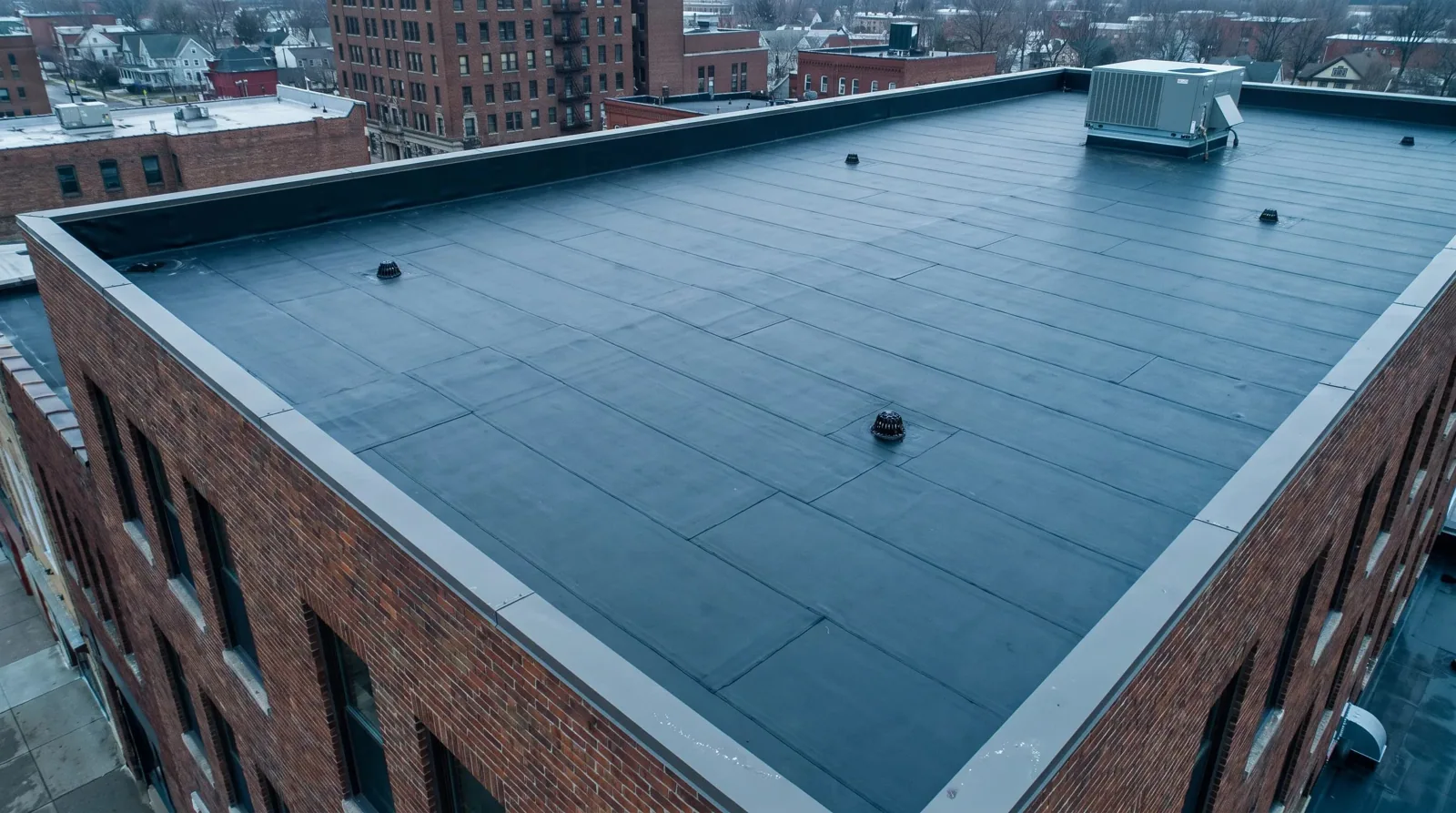
Protect openings through Everett weather windows
Everett's precipitation normal is 40.25 inches, and November, January, and December are the wettest months. Occasional freezing nights can also affect wet access paths and exposed transitions. We plan work around substrate dryness, selected material requirements, and enough time to close each opened zone. Temporary closures need to shed water, stay secure, and be checked before the crew leaves the campus.
Campus logistics can extend beyond the roof itself. North Broadway connects education and other community uses, while Metro Everett includes offices, transportation, and public activity; delivery and staging may need to avoid high-use periods. The school or university defines its access restrictions, and we organize material placement around them. A dry-in plan should identify which areas can be opened, who approves a weather stop, and how the crew reaches the roof without crossing an active event or restricted interior.
Carry roof condition into the capital plan
A campus roof record should list each building, roof zone, assembly, moisture finding, drain condition, repair completed, and deferred test. Photos need a location reference so future staff can return to the right curb or transition. We separate immediate protection from permanent work and note any area that could not be inspected. The result can support a multi-year budget without treating every roof as the same age or condition.
For a facility in North Broadway or the broader Metro Everett area, local weather and access context can inform scheduling, while the building-specific evidence sets the scope. A campus inventory should include additions and connector roofs as separate entries when their materials or drainage differ. That detail helps staff compare follow-up findings without extending one roof's condition to another building. When a later leak appears, record its date, room, weather, and building identifier alongside the prior inspection map. Share roof plans, maintenance records, reported room locations, academic dates, and access rules before an evaluation. We will map the observed conditions and identify what needs repair, testing, or a separate replacement study.
Commercial Roofing Questions
Can a campus-wide roof survey use one condition rating?
A common rating system can help compare roofs, but findings should stay tied to each building and roof section. We record its material, moisture evidence, repairs, and access limits separately.
Is summer the right time for a college reroof?
A break may reduce interior conflicts, but testing, material delivery, weather, and dry-in capacity still govern the schedule. The roof condition and academic calendar are reviewed together.
How do you inspect areas above active classrooms?
We coordinate interior access and protection with campus staff, then define roof zones that can be safely opened and closed within the approved window.
Can a drone replace a roof walk?
Drone imagery can document visible surfaces when site and weather rules allow, but it cannot confirm attachment or hidden moisture. Direct inspection or testing may still be needed.
What should the campus facilities team receive after the visit?
The report should include building-specific photos, findings, moisture tests, repair boundaries, and areas requiring follow-up. That lets planners connect capital work to verified roof conditions.
Questions Owners Ask
Can a campus-wide roof survey use one condition rating?
A common rating system can help compare roofs, but findings should stay tied to each building and roof section. We record its material, moisture evidence, repairs, and access limits separately.
Is summer the right time for a college reroof?
A break may reduce interior conflicts, but testing, material delivery, weather, and dry-in capacity still govern the schedule. The roof condition and academic calendar are reviewed together.
How do you inspect areas above active classrooms?
We coordinate interior access and protection with campus staff, then define roof zones that can be safely opened and closed within the approved window.
Can a drone replace a roof walk?
Drone imagery can document visible surfaces when site and weather rules allow, but it cannot confirm attachment or hidden moisture. Direct inspection or testing may still be needed.
What should the campus facilities team receive after the visit?
The report should include building-specific photos, findings, moisture tests, repair boundaries, and areas requiring follow-up. That lets planners connect capital work to verified roof conditions.
Build a campus roof record from field evidence
Schedule an Everett campus roof evaluation. We will map inspected buildings, identify moisture and repair needs, and coordinate work around academic operations.
Related Roofing Work
- Commercial Roof Inspection
- Multi-Site Commercial Roof Programs
- School Roofing
- Apartment Building Roofing
- North Broadway
- Metro Everett
Browse every page in Property Types We Roof, or request a roof assessment and we will walk the roof with you.
Questions about this roof? Call 555-555-5555.