

Commercial Roof Repair, Replacement & Maintenance
Cold Storage Roofing in Everett, WA
A ceiling stain below a refrigerated room may form where warm, moist air reaches a colder roof layer, not directly below a puncture in the membrane. We inspect the roof assembly and the building's temperature boundaries together, looking at insulation, vapor control, air leakage, seams, and penetrations before assigning the cause. Everett's industrial waterfront and freight connections serve varied cargo and manufacturing uses, while nearby distribution operations move goods through different temperature zones. Ask the facility contact to identify temperature-controlled areas, equipment schedules, and roof access before inspection. A roof inspection can trace the visible symptom, and a condition report records what is known about the assembly and what requires testing.
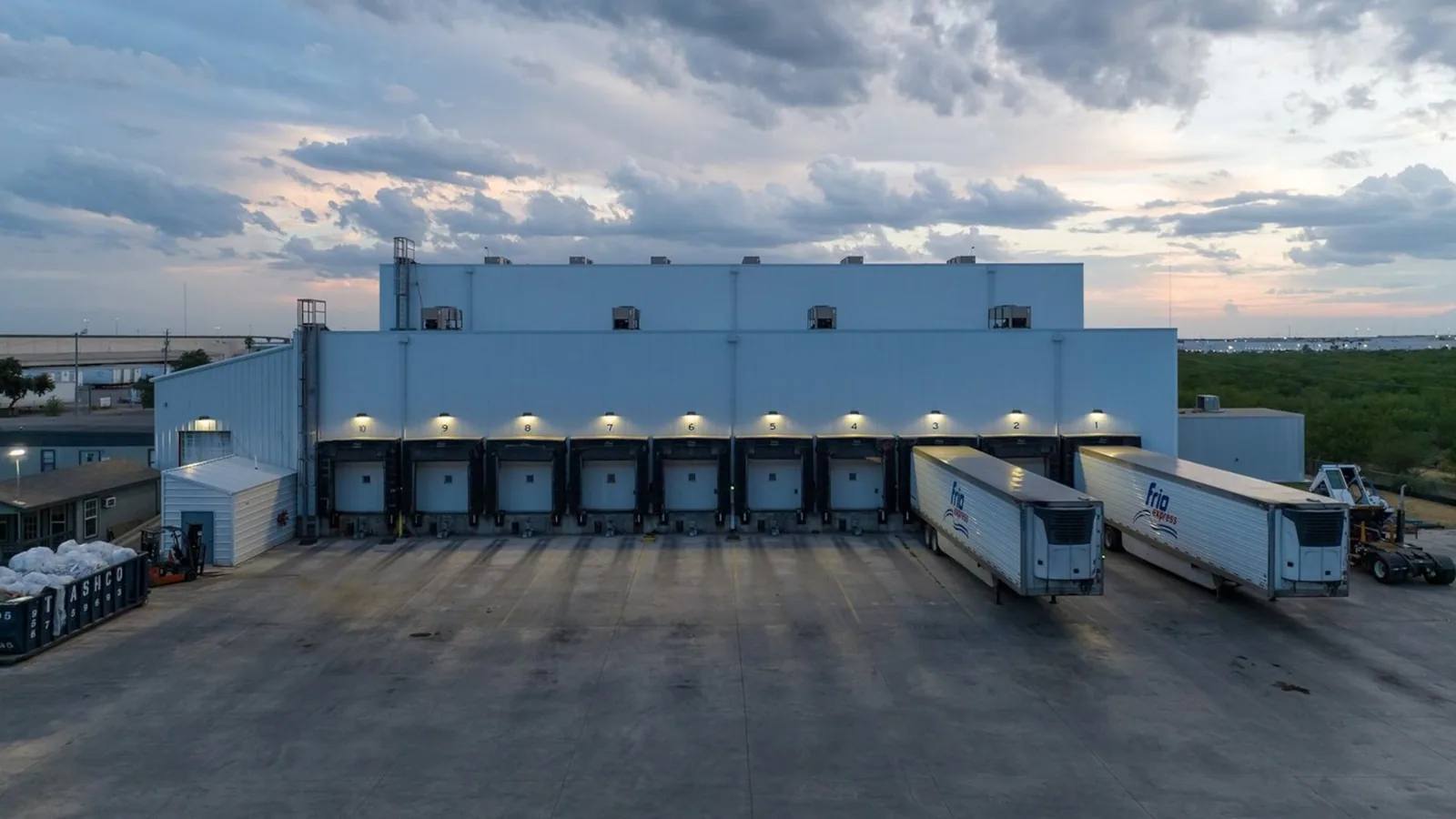
Trace heat and vapor through the roof layers
Cold storage roofs may experience a large temperature difference between the conditioned interior and outdoor air. If warm, humid air leaks through a ceiling joint, partition, or penetration, moisture can condense within the roof assembly. A wet area may then reduce insulation performance, create corrosion at a deck, or appear as frost or staining at an interior surface. We inspect the continuity of the air and vapor control layers where accessible, but verify actual materials before recommending a repair.
Rooftop openings deserve close review because a curb, conduit, exhaust, or refrigeration line can cross multiple control layers. We note the seal at the deck, insulation fit, membrane flashing, and any movement at supports. Replacing surface caulk alone can leave a hidden path around the penetration. Where insulation is damaged or wet, insulation and cover-board work can be scoped with membrane restoration, while a coating evaluation is appropriate only after compatibility and moisture conditions are established.
Check drains and low points for freeze exposure
Roof drains above a cold room need to move water without creating a path for air, moisture, or recurring leaks through the deck. We inspect drain bowls, clamping rings, sump conditions, strainers, and nearby membrane before deciding whether the issue is debris, flashing, or a low point that holds water. Condensation near a drain can resemble an exterior leak, so interior conditions and roof wetting have to be compared. The repair record should state which evidence supports the chosen explanation.
Everett receives substantial rain in late fall and winter, and occasional freezing nights can affect water at edges and exposed transitions. We check the outlet and surrounding insulation before attributing a freeze-related symptom to the roof. Before assigning drainage work, inspect the actual outlet, sump, and surrounding roof area. A drain and scupper inspection can distinguish cleaning from flashing or slope corrections when that detail is involved.
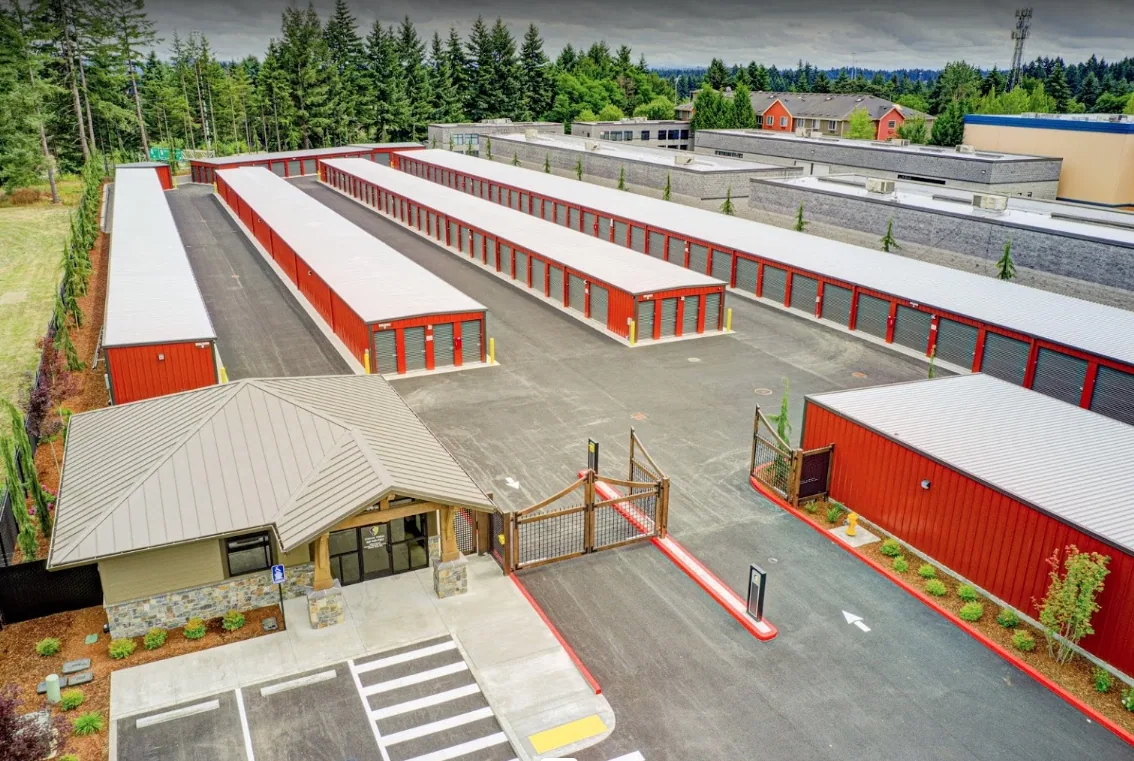
Inspect refrigeration supports and service paths
Refrigeration units, condensers, piping, and electrical conduits create service paths that can cross a roof several times each year. We look for vibration at curb corners, damaged support pads, open pitch pockets, and foot traffic that has worn the membrane. A service contractor may change a line or support without rebuilding the roof flashing, leaving a detail that works until thermal movement or rain exposes the gap. We map those transitions and coordinate a repair that preserves access for future maintenance.
At facilities connected to the Port or Paine Field employment area, roof access and delivery schedules are set by the individual property. The maintenance contact can identify systems that must remain online and safe travel paths around equipment. We do not place walk pads where they block drainage or cover a condition that needs repair. For adjoining fulfillment space, distribution-center roof planning can account for dock and conveyor activity; warehouse roofing focuses on storage and leak protection where the building use overlaps.
Confirm moisture before approving a recover
A recover may add weight and another layer while leaving wet insulation in place. Before comparing that option, we review leak history, interior frost or staining, roof penetrations, attachment, deck condition, and existing layer count. Moisture readings can help locate suspect zones but need interpretation with the roof surface and temperature conditions in view. A small test cut can confirm insulation type, layer sequence, and whether the deck is dry or corroded at the opening.
For temperature-sensitive operations, the testing plan should limit exposure and restore the vapor-control layers as well as the roof membrane. We identify where a test was made, what was found, and which nearby areas were not opened. If the evidence shows isolated wet material, selective removal may keep unaffected zones in service. If the moisture boundary remains broad or uncertain, additional testing can prevent a repair or recover from concealing a larger problem. The owner should also retain the core location and repair method so a future survey does not reopen a completed area without a reason. We mark the limits of each opening and photograph the restored layers.
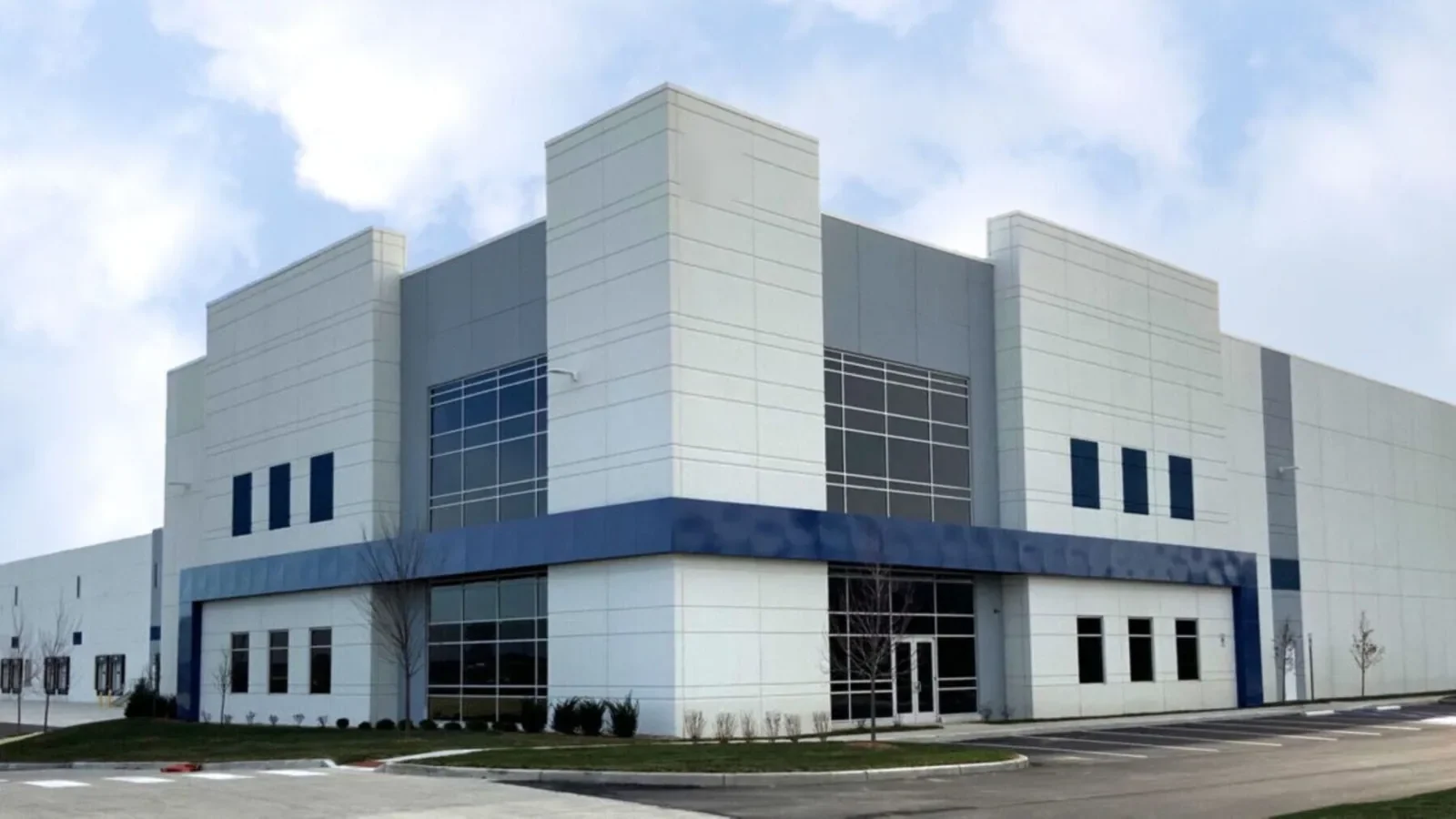
Keep the temperature plan tied to roof access
Roof work over cold rooms can affect more than the ceiling below. An open deck, disconnected penetration, or unsealed vapor layer may change temperature control, invite condensation, or expose product. We plan small work zones, coordinate shutdowns where needed, and close the assembly in a sequence that protects both the membrane and the interior boundary. Temporary protection is useful only when it is compatible with the condition and checked before the crew leaves.
Everett's wet-season timing can shorten dry work windows, so materials and access should be ready before a roof is opened. We confirm staging, fall protection, roof hatch route, lift location, and facility contacts ahead of the visit. If active water threatens goods or equipment, emergency roof protection can limit exposure while the permanent repair is defined. A maintenance plan can also assign routine inspection of drains, flashings, and service supports through preventive roof maintenance.
Document layers, tests, and operating limits
A cold-storage roof record should describe the known membrane, insulation, vapor-control details, moisture tests, and roof zones opened. We attach photos of penetrations and transitions, identify repairs and exclusions, and note any temperature or access limits that shaped the work. Facilities staff can compare later staining or frost with the original finding instead of relying on a general service note. If more testing is recommended, the report identifies the unresolved area and what answer would change the scope.
For cold-room properties in Metro Everett or near the Everett industrial waterfront, freight activity and access vary by facility; building-specific conditions govern the plan. Send current roof drawings, temperature-zone layout, repair history, and recent interior observations when arranging an evaluation. We will document the roof layers and separate moisture correction from surface restoration.
Commercial Roofing Questions
Could frost inside a cold room come from the roof?
It can, but frost may also result from air leakage, insulation gaps, or a failed vapor-control layer. We compare interior conditions with roof penetrations and test openings before assigning the cause.
Can a coating correct condensation within the assembly?
A coating can protect a compatible exterior surface, but it does not rebuild missing insulation or seal an interior vapor path. We verify the layer failure before selecting restoration.
What roof information should our refrigeration contractor share?
Equipment locations, service routes, temperatures, shutdown limits, and any recently changed piping or supports help us inspect the right transitions. We confirm the roof detail in the field.
Is a recover appropriate over a cold-storage roof?
It may be considered when the deck, attachment, moisture condition, existing layers, and control layers support it. Testing is needed where concealed wet insulation could change the decision.
How can roof repairs avoid exposing temperature-sensitive goods?
We coordinate work zones, overhead protection, and closeout timing with operations. The plan limits how much assembly is open and names any area that needs temporary clearance.
Questions Owners Ask
Could frost inside a cold room come from the roof?
It can, but frost may also result from air leakage, insulation gaps, or a failed vapor-control layer. We compare interior conditions with roof penetrations and test openings before assigning the cause.
Can a coating correct condensation within the assembly?
A coating can protect a compatible exterior surface, but it does not rebuild missing insulation or seal an interior vapor path. We verify the layer failure before selecting restoration.
What roof information should our refrigeration contractor share?
Equipment locations, service routes, temperatures, shutdown limits, and any recently changed piping or supports help us inspect the right transitions. We confirm the roof detail in the field.
Is a recover appropriate over a cold-storage roof?
It may be considered when the deck, attachment, moisture condition, existing layers, and control layers support it. Testing is needed where concealed wet insulation could change the decision.
How can roof repairs avoid exposing temperature-sensitive goods?
We coordinate work zones, overhead protection, and closeout timing with operations. The plan limits how much assembly is open and names any area that needs temporary clearance.
Inspect the roof and temperature boundary together
Schedule an Everett cold-storage roof inspection. We will review penetrations, insulation, drainage, moisture evidence, and the operating limits that shape the repair.
Related Roofing Work
- Commercial Roof Inspection
- Commercial Roof Condition Reports
- Commercial Roof Insulation and Cover Board
- Commercial Roof Drains and Scuppers
- Distribution Center Roofing
- Warehouse Roofing
- Emergency Commercial Roof Repair
- Preventive Roof Maintenance
Browse every page in Property Types We Roof, or request a roof assessment and we will walk the roof with you.
Questions about this roof? Call 555-555-5555.