Commercial Roof Repair, Replacement & Maintenance
Manufacturing Plant Roofing in Everett, WA
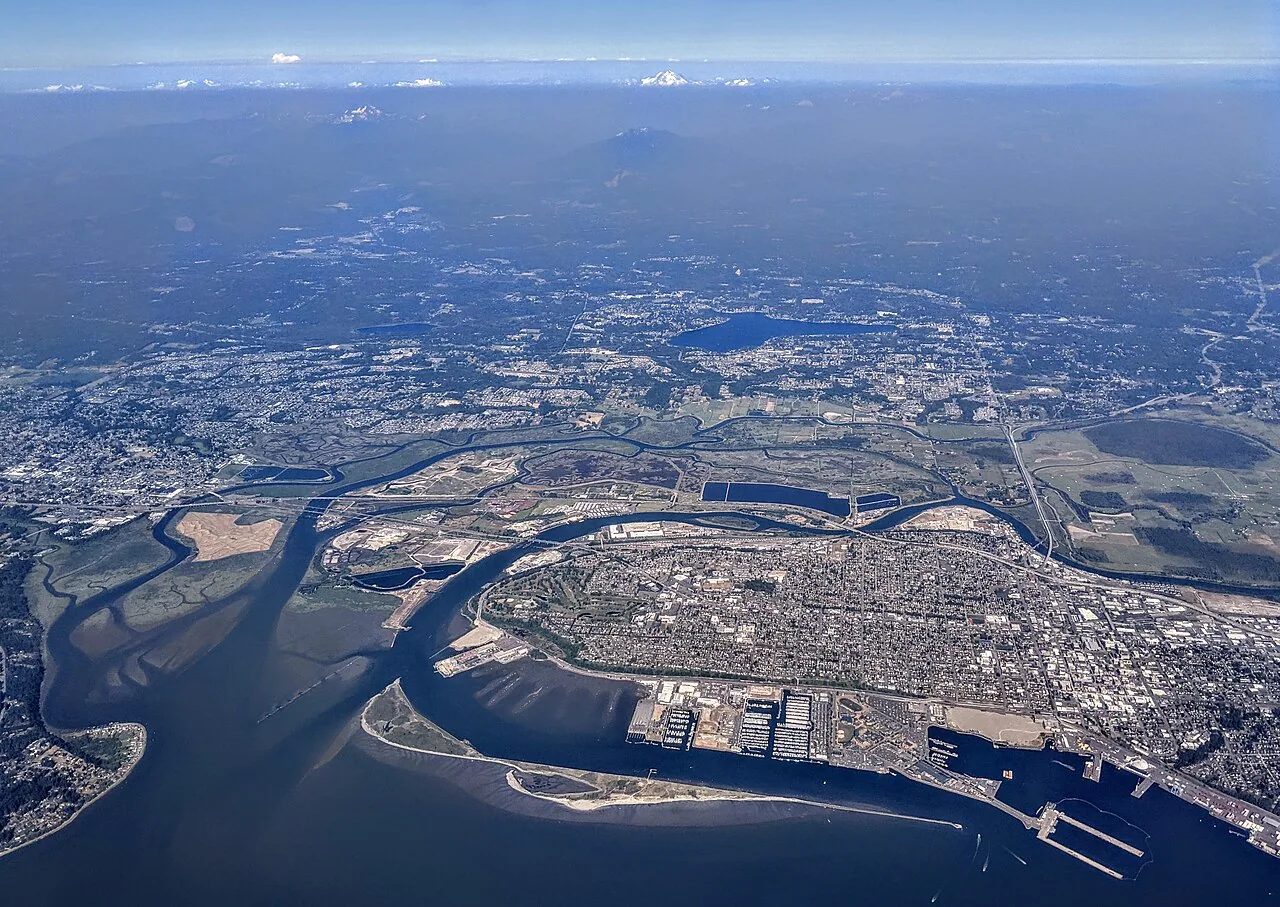
A production-line shutdown can turn a small roof opening into a scheduling decision, especially where equipment, materials, or electrical systems sit below the leak path. We trace the roof condition from the interior evidence to seams, penetrations, curbs, edges, and drainage before recommending work. Everett's manufacturing base includes aerospace and other industrial activity around the Boeing employment area, the Port, and the Paine Field/Boeing Manufacturing and Industrial Center. Before setting a scope, identify the plant's roof assembly, production schedule, and safe access limits with its facilities contact. A roof inspection records the condition by zone; a condition report gives operations and ownership a common basis for a repair or capital decision.
Inspect the roof around process equipment
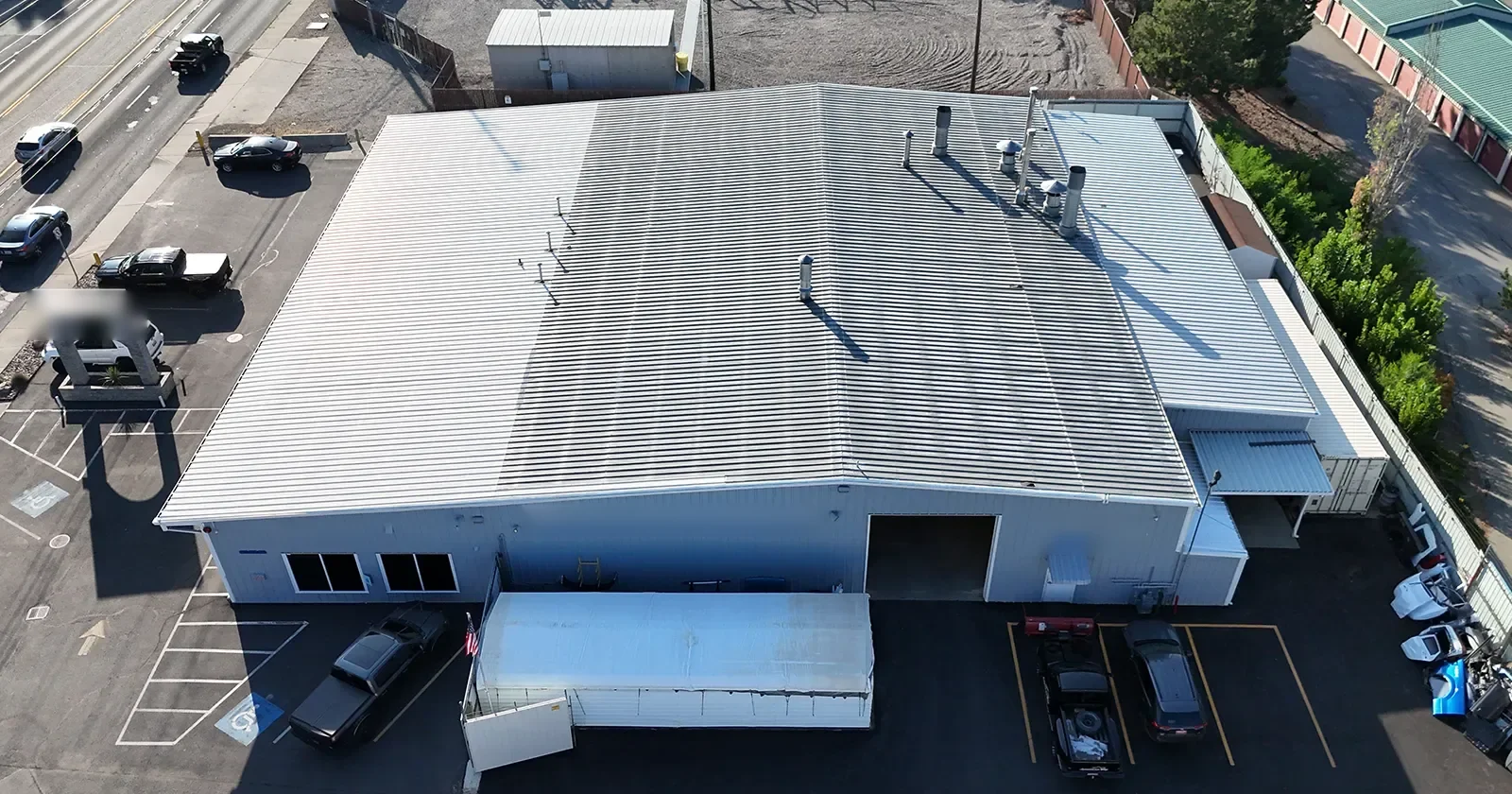
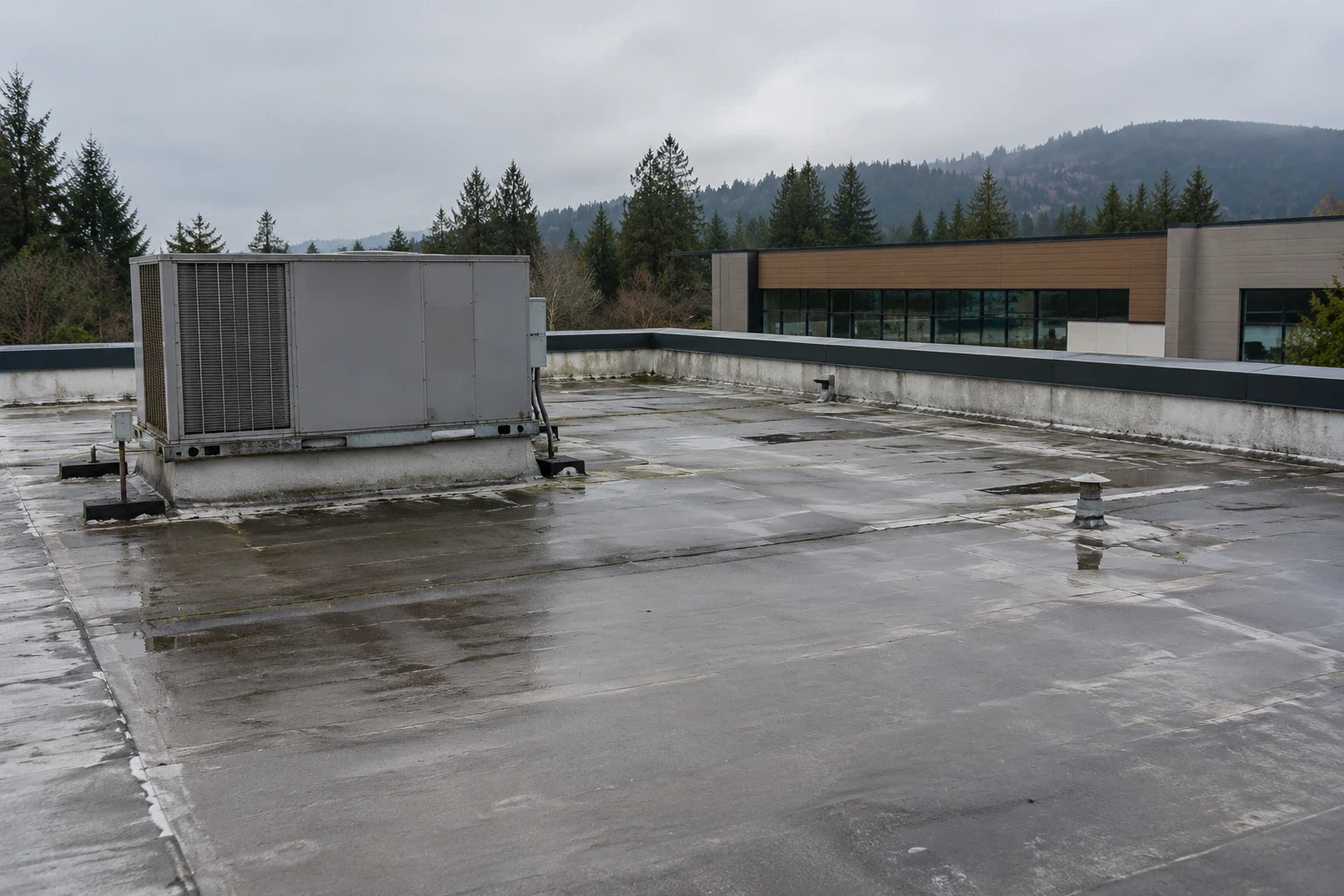
Exhaust fans, make-up air units, stacks, duct supports, and conduits interrupt the membrane and create details that move as the building and equipment change temperature. We inspect curb corners, counterflashing, pitch pockets, support feet, and nearby seams for separation, corrosion, failed sealant, and movement. If equipment has been replaced, the curb may not match the current footprint, leaving old fastener holes or a transition that was not rebuilt with the new unit. The inspection marks each condition instead of treating sealant as a complete repair.
Plant maintenance can also add conduits or process lines through an existing assembly. We document what crosses the roof, whether the support loads rest on the membrane, and whether a service path damages protection. Where curbs or supports need work, a roof equipment curb repair can coordinate with flashing and membrane tasks. For metal roofs, the review includes panel movement and fastener condition; metal retrofit conditions are assessed as a system, not as isolated screws.
Stage repairs without losing the dry-in
Work over an operating line requires a defined zone, temporary protection below if needed, and a reliable dry-in point before the crew leaves the roof. We coordinate with plant contacts on equipment shutdowns, overhead hazards, ventilation changes, and materials that cannot be exposed to dust or water. A localized repair may fit between scheduled production windows; a larger section can require a sequence that keeps water out while each part is opened and closed.
The Port of Everett handles marine cargo and rail-connected freight, while the Paine Field area supports aviation and manufacturing employment. Properties in these areas may have security, delivery, or work-permit procedures that the site contact must confirm. We prepare for the specific facility, including roof hatch access, fall protection, crane or lift staging, and any hot-work restrictions. An occupied project can use phased reroof planning to define which areas remain in service and how temporary tie-ins are handled.
Read each addition and roof transition
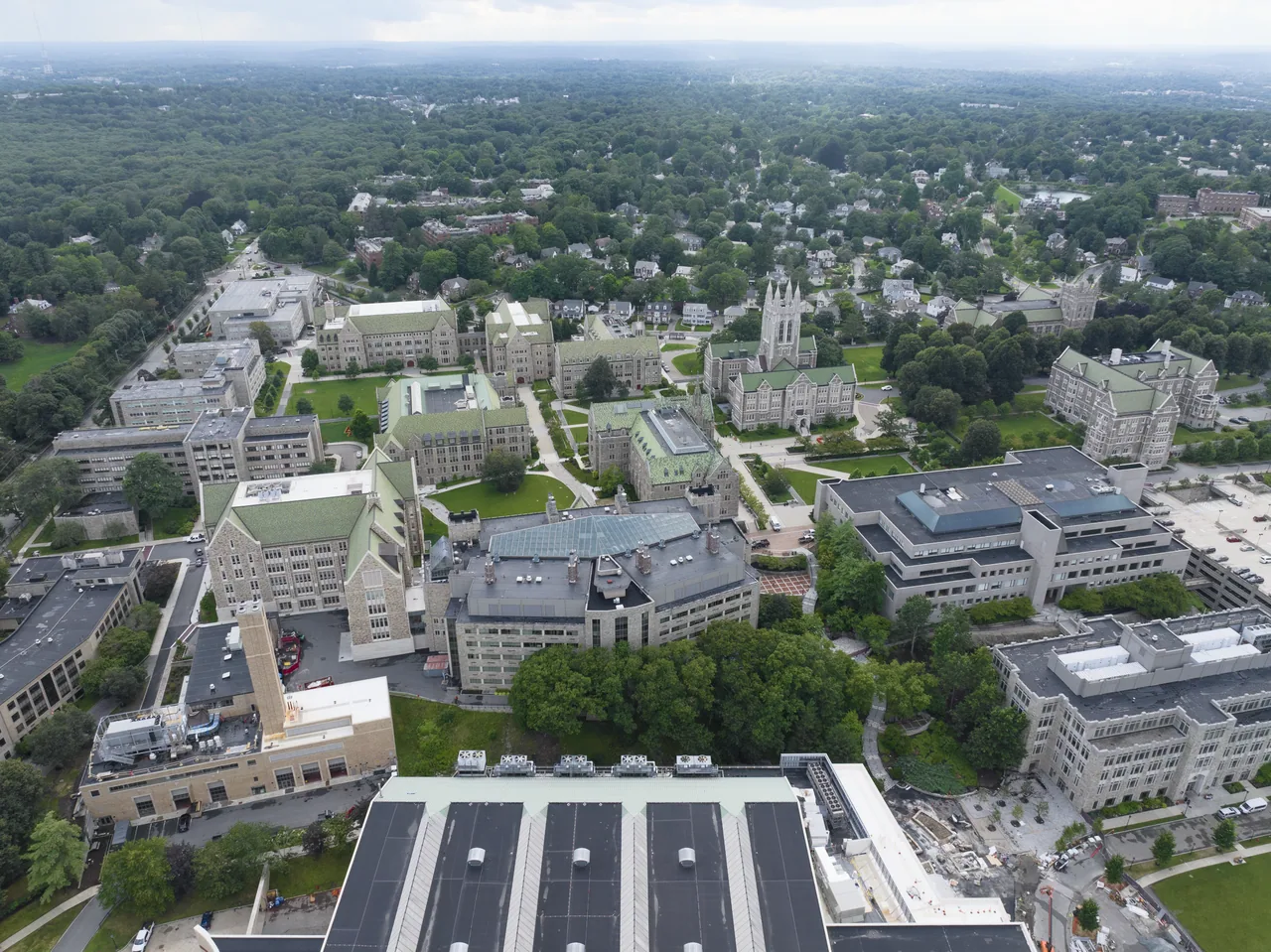
Manufacturing buildings can include an original bay, later additions, mezzanines, canopies, and equipment rooms, each with its own roof geometry. We look for changes in deck elevation, membrane, insulation thickness, slope, and edge conditions where one section meets another. Expansion joints and wall intersections deserve attention because movement may differ on either side. A leak can cross an addition boundary before it appears indoors, so we relate the roof map to structural grids and interior use.
We verify the membrane using exposed edges, field seams, fasteners, and repair material. A thermoplastic sheet, EPDM, modified bitumen, built-up roof, and standing-seam panel each handle movement and repair differently. The nearby flex-industrial roofing evaluation addresses mixed-use industrial space, while a warehouse roof review considers storage and loading demands. The distinction matters when a plant contains both production and distribution zones, but the installed roof still has to be confirmed on site.
Use testing to define the removal boundary
Water can travel beneath a membrane and follow a deck flute, vapor retarder, or insulation facer before it reaches production space. We compare leak timing with rain, pressure washing, equipment use, and the location of roof details, then inspect accessible materials. Infrared readings can help select test locations under suitable conditions, but they do not establish the moisture boundary by themselves. Targeted cores or openings may be needed where the difference between damp and dry changes recover eligibility.
A plant owner should know which insulation is confirmed wet, which roof zones were tested, and where conditions remain uncertain. If only one curb area is affected and the surrounding assembly is sound, a local repair may be appropriate. If wet materials extend across multiple bays or the deck needs repair, a broader scope may be needed. A commercial roof repair assessment can address a verified defect; if records and test areas point to a larger issue, we map the separate work and keep exclusions visible.
Account for Everett rain and freezing nights
Rain becomes more frequent around Everett during late fall and winter. For process buildings, that seasonal shift makes a reliable temporary closure and clear equipment route part of each work-zone plan. Occasional freeze-thaw exposure makes surface water, metal edges, and incomplete details relevant during colder periods. We schedule membrane work around a dry substrate and the selected material's installation requirements, then limit how much roof remains open at the end of a shift. A temporary tie-in should be inspected before leaving, particularly where an active process creates heat or vibration below.
Production plans also drive lead time for equipment isolation, overhead protection, and access to roof zones. A plant contact can identify days when a line cannot pause and routes that must remain clear. We place material staging away from drains and exhaust intakes and avoid loading assumptions that are not supported by the structural information. If the facility cannot take a full interruption, emergency protection can address an active opening while the long-term scope is coordinated.
Connect the completed work to plant records
Closeout should identify the roof zones opened, the assembly observed, repairs performed, moisture findings, and conditions left for monitoring. We include photos that show each repair in relation to the equipment or transition, along with preparation and material notes. Operations can use that record to route future service traffic, while facilities staff can compare the same locations on later inspections. If the repair is temporary, the record should say what condition requires follow-up and when access is expected.
In Southwest Everett Industrial Center or around the Paine Field/Boeing employment area, manufacturing work can involve security and production coordination, but a roof decision remains specific to the facility. Give us current roof plans, equipment schedules, leak reports, and any prior moisture maps. We will document the condition and separate immediate water control from repair, recover, or replacement options.
Commercial Roofing Questions
Can production continue while roof repairs are underway?
We set a boundary based on access, fumes, noise, overhead work, and equipment isolation, then align timing with plant operations. We agree on the sequence with the plant contact before opening the roof.
Why do exhaust curbs leak again after sealant work?
The curb may move, have failed flashing, or sit over wet material that was never addressed. We inspect the curb geometry and adjacent membrane to find the failure plane before specifying another repair.
Do added process lines need separate roof supports?
The answer depends on the installed support and the deck details. We inspect the penetration and bearing points, then note where flashing or support correction belongs in the roofing scope.
How can we distinguish one wet bay from a broader problem?
We compare leak history, visible materials, targeted readings, and test openings where needed. The report maps confirmed moisture and identifies untested areas instead of extrapolating across the plant.
What does an emergency roof visit include?
We locate the active opening, protect the exposed area where conditions allow, and document the temporary boundary. Permanent repair follows once materials, access, and moisture extent are established.
Questions Owners Ask
Can production continue while roof repairs are underway?
We set a boundary based on access, fumes, noise, overhead work, and equipment isolation, then align timing with plant operations. We agree on the sequence with the plant contact before opening the roof.
Why do exhaust curbs leak again after sealant work?
The curb may move, have failed flashing, or sit over wet material that was never addressed. We inspect the curb geometry and adjacent membrane to find the failure plane before specifying another repair.
Do added process lines need separate roof supports?
The answer depends on the installed support and the deck details. We inspect the penetration and bearing points, then note where flashing or support correction belongs in the roofing scope.
How can we distinguish one wet bay from a broader problem?
We compare leak history, visible materials, targeted readings, and test openings where needed. The report maps confirmed moisture and identifies untested areas instead of extrapolating across the plant.
What does an emergency roof visit include?
We locate the active opening, protect the exposed area where conditions allow, and document the temporary boundary. Permanent repair follows once materials, access, and moisture extent are established.
Trace roof conditions against production needs
Arrange a manufacturing plant roof evaluation in Everett. We will map the affected zones, inspect equipment transitions, and coordinate the repair boundary with operations.
Related Roofing Work
- Commercial Roof Inspection
- Commercial Roof Condition Reports
- Rooftop Equipment Curbs and Supports
- Metal Roof Retrofit
- Occupied Building Reroofing
- Flex and Light-Industrial Roofing
- Warehouse Roofing
- Commercial Roof Repair
Browse every page in Property Types We Roof, or request a roof assessment and we will walk the roof with you.
Questions about this roof? Call 555-555-5555.