

Commercial Roof Repair, Replacement & Maintenance
Grocery Store Roofing in Everett, WA
A damp ceiling tile near a refrigerated case can come from roof entry, condensation, plumbing, or equipment operation. We compare the time and location of the report with drains, curbs, roof openings, and the interior mechanical conditions before naming a cause. Everett Mall Area and Evergreen Way serve commercial activity, and the Port adds freight movement to the local economy, but Verify refrigeration units, exhaust equipment, drains, and membrane transitions on the actual store before assigning a repair. We inspect the store itself and coordinate around receiving and food operations. A roof inspection can trace the path, while a condition report records what was observed and what still needs testing.
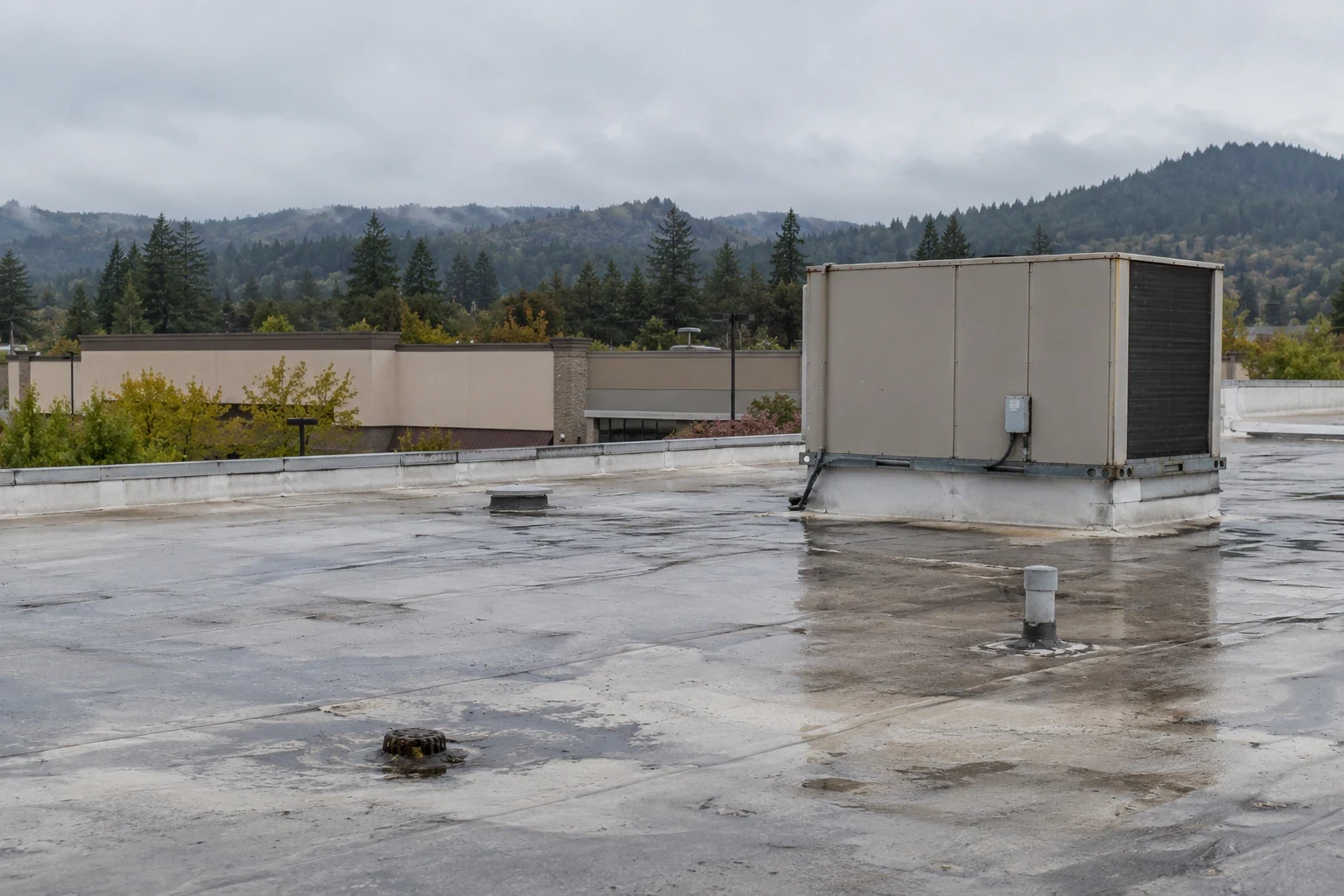
Inspect curbs and service routes around refrigeration
Refrigeration systems can include rooftop condensers, piping, electrical lines, exhausts, and supports that interrupt the membrane. We inspect curb flashing, line penetrations, pitch pockets, walkway pads, and patches left by equipment changes. A service technician may have opened a detail to replace a line, or a support may have shifted under vibration. We note whether the problem belongs to the roof transition, the equipment connection, or an area that cannot be confirmed without access.
Grocery operations often receive product while staff restock shelves and maintain refrigeration. The property contact sets delivery times, roof access, and any equipment shutdown requirement. We coordinate staging away from air intakes and drains, and confirm which interior aisle or storage zone needs protection. If a separate restaurant tenant is on the property, restaurant roof work may involve kitchen exhaust and grease-related service paths; a big-box retail roof plan can cover broad sales floors and their stock areas.
Trace water around drains and low areas
Roof runoff may cross multiple equipment islands before reaching an internal drain or scupper. We inspect strainers, drain bowls, sumps, overflows, and the flashing around the outlet. A clogged basket can be cleaned, but a low point that holds water after the path clears may need a different correction. We photograph the roof condition and note whether water was present during the inspection rather than assume the report describes a permanent pond.
Everett's wettest months are November, January, and December, so keeping outlets clear before those periods can reduce maintenance surprises. Check the actual roof detail and interior report before defining the repair. We compare the drain pattern with the reported ceiling area, then distinguish maintenance from membrane or slope work. When outlet access is the issue, drain and scupper repairs can be written as a defined task. The closeout should note strainers or overflows that need recurring attention.
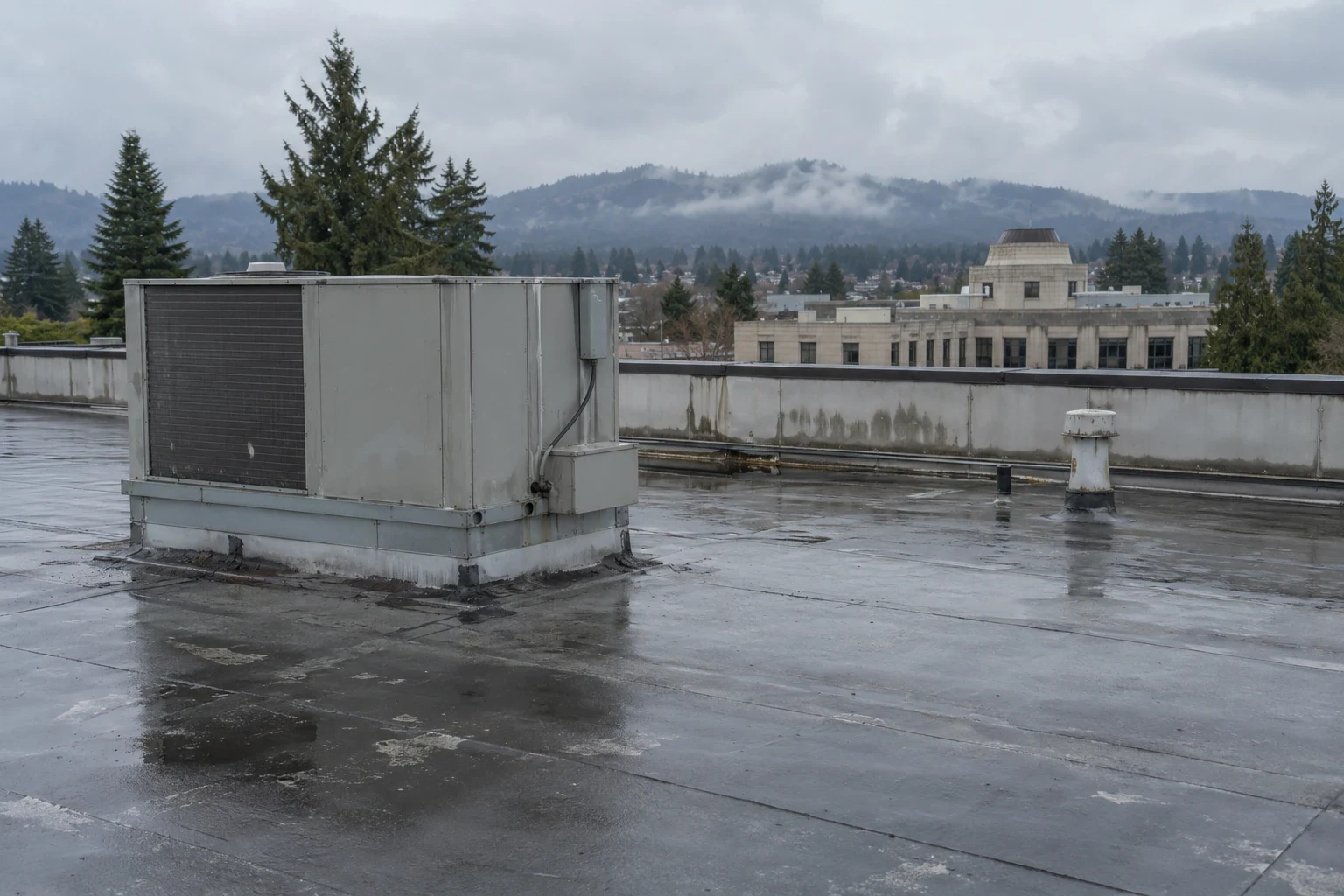
Protect food areas and customer circulation
A leak over a sales floor, prep area, cooler, or electrical room needs a boundary that keeps customers and product out of the affected zone while the source is checked. We help identify the roof section above the report and document any interior protection needed during testing. If ceiling materials are wet, they should not be treated as proof of a roof entry until plumbing, condensation, and HVAC sources are reviewed. A permanent repair follows a confirmed path.
Work at an operating store may need to avoid opening time, produce delivery, or scheduled refrigeration service. We agree on a roof access route, staging point, and any short closure with store management. Temporary protection can reduce exposure but may need prompt inspection after rain. For a store that is part of a larger retail property, shopping-center coordination can account for shared drains or parapets, while the grocery scope remains tied to its own equipment, roof sections, and operating plan.
Confirm insulation condition before a broader scope
Water can travel beneath a membrane and reach a cooler or ceiling at a point far from the roof opening. We inspect accessible seams, curbs, drains, and roof transitions, then use readings or targeted openings where concealed moisture could change repair decisions. Infrared patterns may help choose a test location under suitable conditions, but they do not confirm wet insulation by themselves. We record the limits of each test.
If moisture is concentrated at a single curb and adjacent materials are sound, localized repair may be sufficient. If several zones show wet insulation or deck concerns, selective removal or replacement may need comparison. The owner receives a boundary of confirmed conditions, not a claim that every similar-looking section is affected. Interior temperatures, refrigeration cycles, and roof moisture can interact, so we keep those observations with the test record. That gives facilities staff a way to compare a later symptom with the original weather and equipment state before requesting another opening or changing the repair boundary. Repair options can be weighed against store hours, product protection, and the duration of temporary closures.
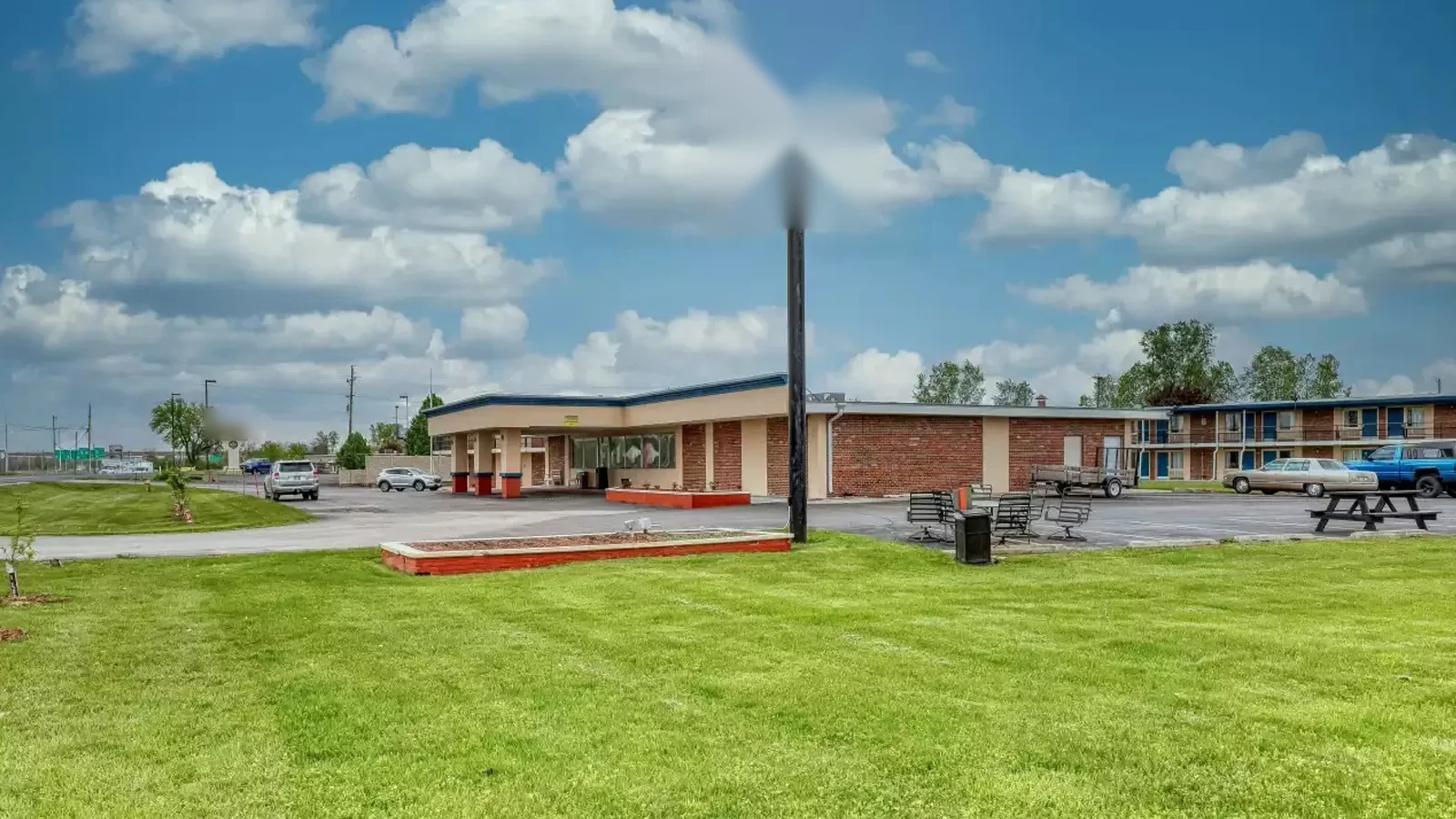
Plan a dry-in that accounts for deliveries
Everett rain increases through late fall and winter, and occasional freezing nights can affect exposed access routes. A roofing shift needs suitable surface conditions and enough time to close every opened seam or penetration. We stage material before disturbance, protect drains, and check the temporary tie-in at the end of the work period. If the forecast changes, the crew stops at a boundary that can remain watertight.
Deliveries from the Port or regional freight network may affect receiving schedules, but store management confirms the actual dock plan. We avoid blocking truck paths and keep a clear route for emergency access. The field team also considers roof hatch location, lift staging, and the location of air intakes before placing materials. For a longer project, we can separate roof zones and communicate each transition to store staff so the building does not have to surrender the full roof at once.
Keep the roof record useful between inspections
The closeout identifies the roof assembly, outlet condition, equipment details, repairs made, moisture tests, and any area that could not be accessed. Photos show each repair in relation to a curb, drain, or roof zone rather than as an isolated patch. We list maintenance tasks separately and identify any temporary protection requiring follow-up. Store facilities staff can use the same map to compare later reports and avoid repeating an inspection without new evidence.
A grocery property in Everett Mall Area may have different delivery and customer patterns from a site along Evergreen Way. Share leak dates, roof plans, refrigeration service records, and access windows when requesting an evaluation. We will trace the reported symptom, coordinate with operations, and recommend the repair or testing scope supported by the field condition.
Commercial Roofing Questions
Could a cooler leak come from condensation instead of the roof?
Yes. Condensation, plumbing, or refrigeration equipment can create a symptom similar to roof entry. We compare timing, weather, and accessible roof conditions before assigning the source.
Can roofing crews work during grocery deliveries?
We coordinate staging and roof access around the grocery receiving plan. If an active dock or aisle needs clearance, the manager identifies a workable window before the roof is opened.
What happens if a leak is over refrigerated product?
Store staff can protect or move product while we identify the roof zone and establish a safe work boundary. The inspection documents immediate protection separately from the permanent repair.
Do clogged drains require a roof replacement?
No. We first determine whether debris, outlet flashing, slope, or a low area is involved. The repair scope follows that condition, not the presence of water alone.
Can you inspect the roof without shutting down refrigeration?
A visual inspection may be possible without equipment changes, but testing near a unit or piping can require coordination. The store contact controls any system shutdown.
Questions Owners Ask
Could a cooler leak come from condensation instead of the roof?
Yes. Condensation, plumbing, or refrigeration equipment can create a symptom similar to roof entry. We compare timing, weather, and accessible roof conditions before assigning the source.
Can roofing crews work during grocery deliveries?
We coordinate staging and roof access around the grocery receiving plan. If an active dock or aisle needs clearance, the manager identifies a workable window before the roof is opened.
What happens if a leak is over refrigerated product?
Store staff can protect or move product while we identify the roof zone and establish a safe work boundary. The inspection documents immediate protection separately from the permanent repair.
Do clogged drains require a roof replacement?
No. We first determine whether debris, outlet flashing, slope, or a low area is involved. The repair scope follows that condition, not the presence of water alone.
Can you inspect the roof without shutting down refrigeration?
A visual inspection may be possible without equipment changes, but testing near a unit or piping can require coordination. The store contact controls any system shutdown.
Trace the grocery roof without losing the operating plan
Schedule an Everett grocery-store roof inspection. We will inspect drains and equipment details, coordinate delivery access, and document the repair boundary.
Related Roofing Work
- Commercial Roof Inspection
- Commercial Roof Condition Reports
- Restaurant Roofing
- Big-Box Retail Roofing
- Shopping Center Roofing
- Everett Mall Area
Browse every page in Property Types We Roof, or request a roof assessment and we will walk the roof with you.
Questions about this roof? Call 555-555-5555.