Commercial Roof Repair, Replacement & Maintenance
Commercial Roofing for Manufacturers in Everett, WA
A roof detail above a production area can affect more than the ceiling below it. Water near electrical distribution, raw materials, finished inventory, or a controlled process may change how a plant schedules access and protects work in progress. We begin with the building use, the reported symptom, and the roof assembly at that location, then trace the evidence through seams, drains, curbs, and transitions. Everett's manufacturing activity spans the Paine Field/Boeing center and industrial areas near the Port, where facilities serve different production and shipping needs. A roof plan should reflect those operating differences instead of assuming one method fits every facility. We document the field condition and define what can be repaired, what needs testing, and what must be coordinated with plant staff.
Read the roof against the plant process
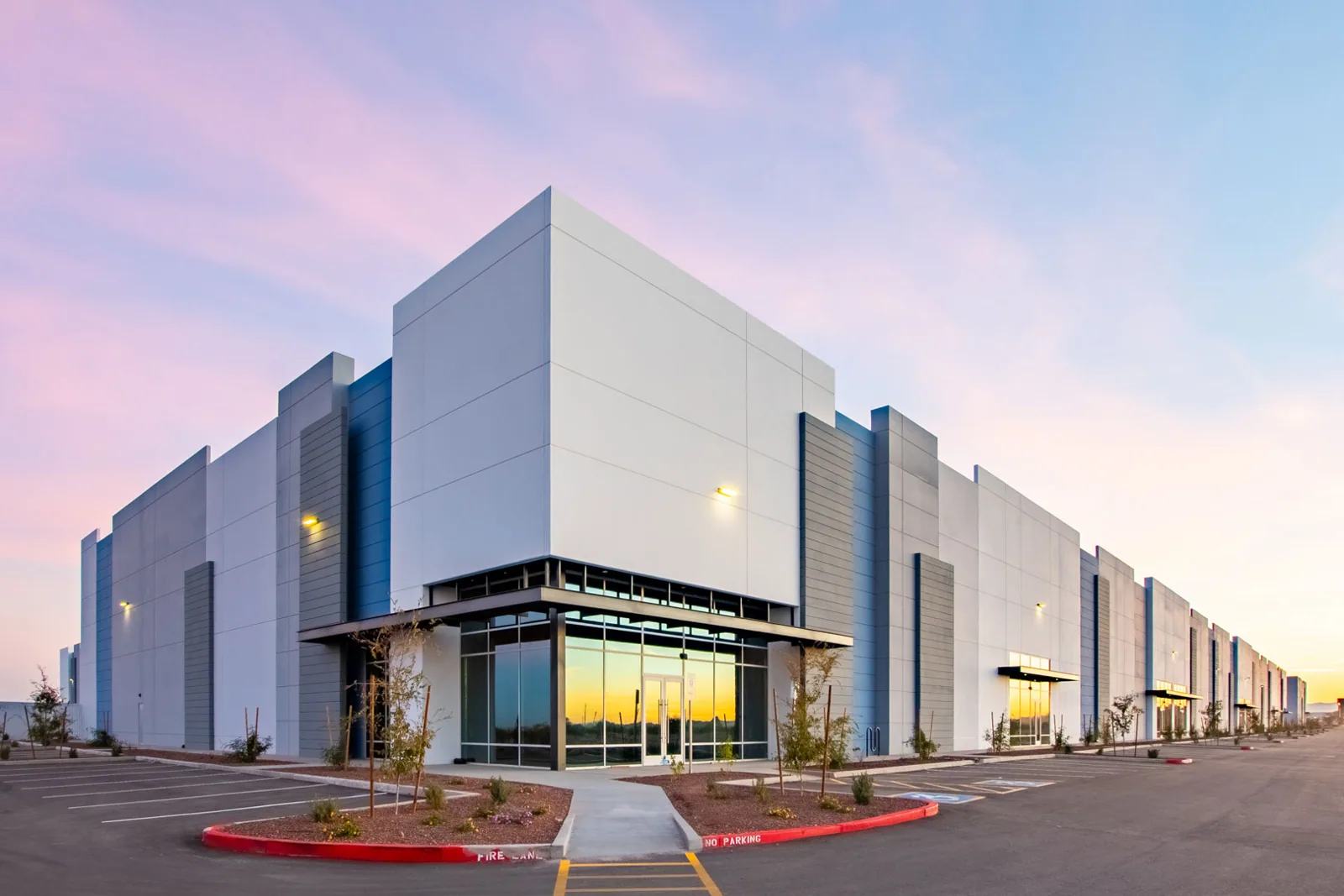
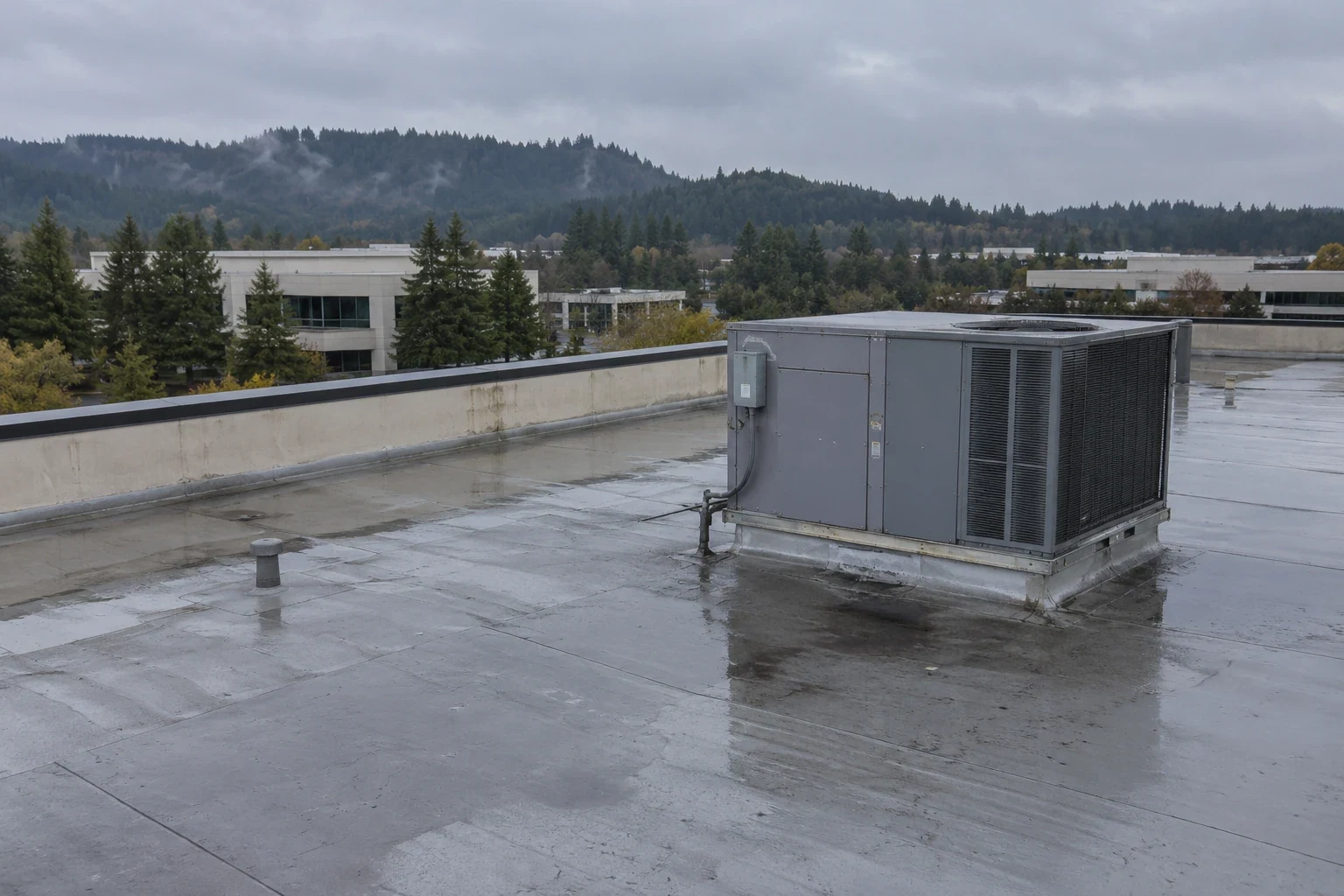
A manufacturing site may contain production bays, warehouse space, labs, offices, and later additions beneath one property line. We identify which roof zones cover sensitive operations, then note penetrations, exhaust discharge, service paths, and drainage features that influence access. Process equipment can create vibration, heat, or maintenance traffic, but those conditions must be confirmed at the facility before they guide a repair detail. We check whether flashing moves with the curb, whether a support bears on the roof assembly, and whether a walkway protects the membrane from repeated service activity.
Snohomish County has a substantial manufacturing workforce, with aerospace among the activities tied to Everett's industrial economy. At the building level, that regional context tells us to understand production constraints, not to presume any specific line or roof configuration. For an operation with logistics space attached to manufacturing, a logistics roof assessment can focus on dock and freight access; the production areas still receive their own hazard and sequencing review. Managers overseeing several facilities can use portfolio roof records to keep building evidence distinct across ownership and operations.
Find the entry point before protecting interiors
A drip inside a plant may sit several structural bays away from the roof opening. Water can move along a deck flute, insulation facer, beam, or conduit support before it appears near equipment. We compare the timing and location of the symptom with roof slope, seams, penetrations, walls, and drainage, then mark the most likely path and any competing explanations. If the symptom could come from process piping or condensation, we keep that distinction open until the inspection evidence supports a source. This avoids assigning a roof repair to a stain that has not been traced.
Everett averages about 40 inches of precipitation annually, with the heaviest monthly totals in November, December, and January. Plan material staging and secure daily closures for wet-season work; use the plant’s inspection findings to define any leak repair. We identify any active opening, protect vulnerable interior operations where conditions allow, and separate temporary water control from the permanent scope. A commercial roof inspection can record observations by zone, while targeted repair work follows only after the defect and material are confirmed.
Confirm what the existing system can support
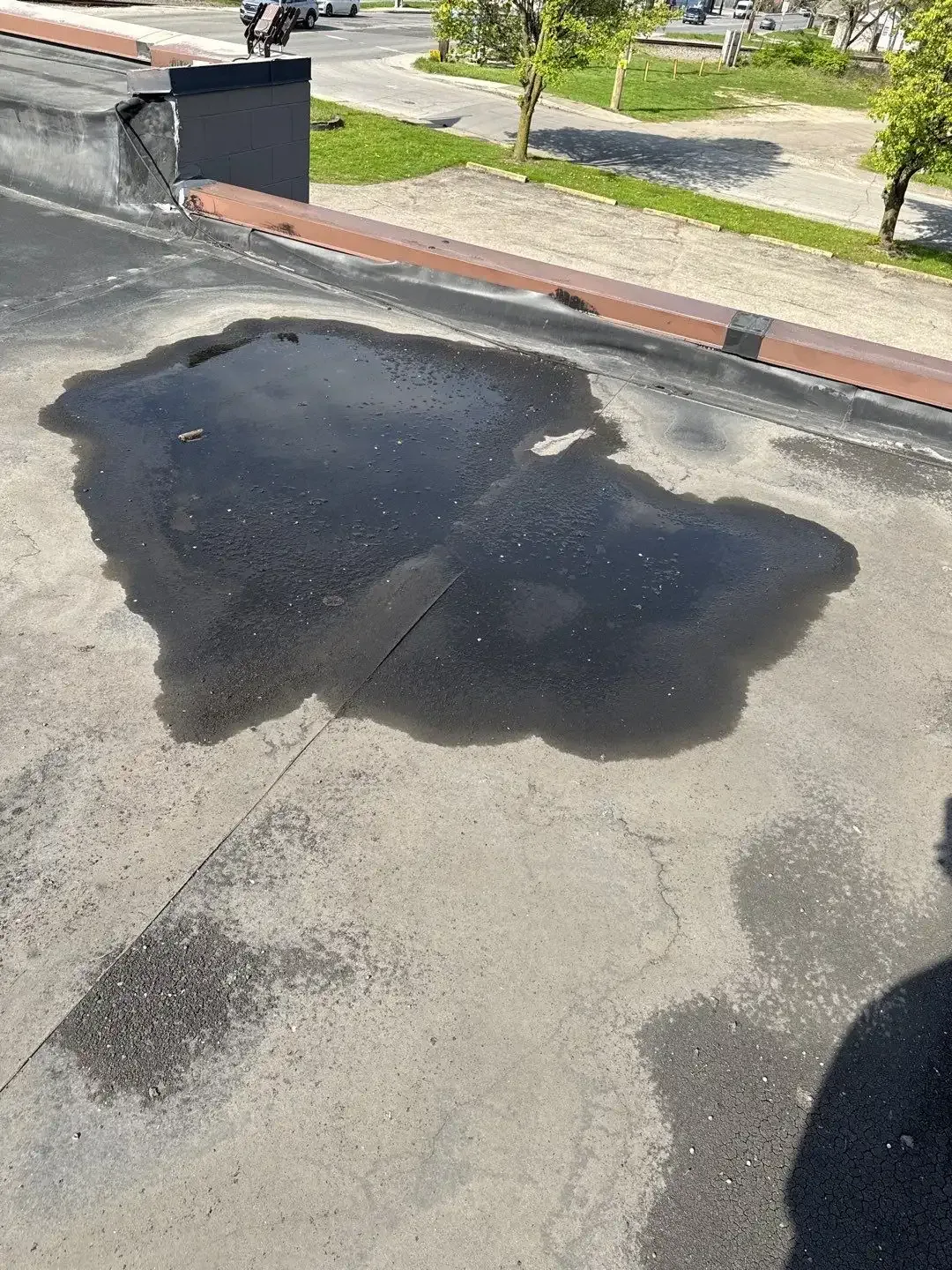
Before recommending a recover or replacement, we verify the membrane or metal system, attachment, insulation, substrate, and previous repairs. A thermoplastic seam, EPDM lap, built-up surface, and standing seam panel need different preparation and compatible repair materials. Blisters, splits, loose edges, and recurring patches can point to different conditions beneath the surface. Where moisture extent or deck condition would change the scope, a targeted test can answer that question before removal limits are set. The findings should distinguish what was observed from what remains concealed.
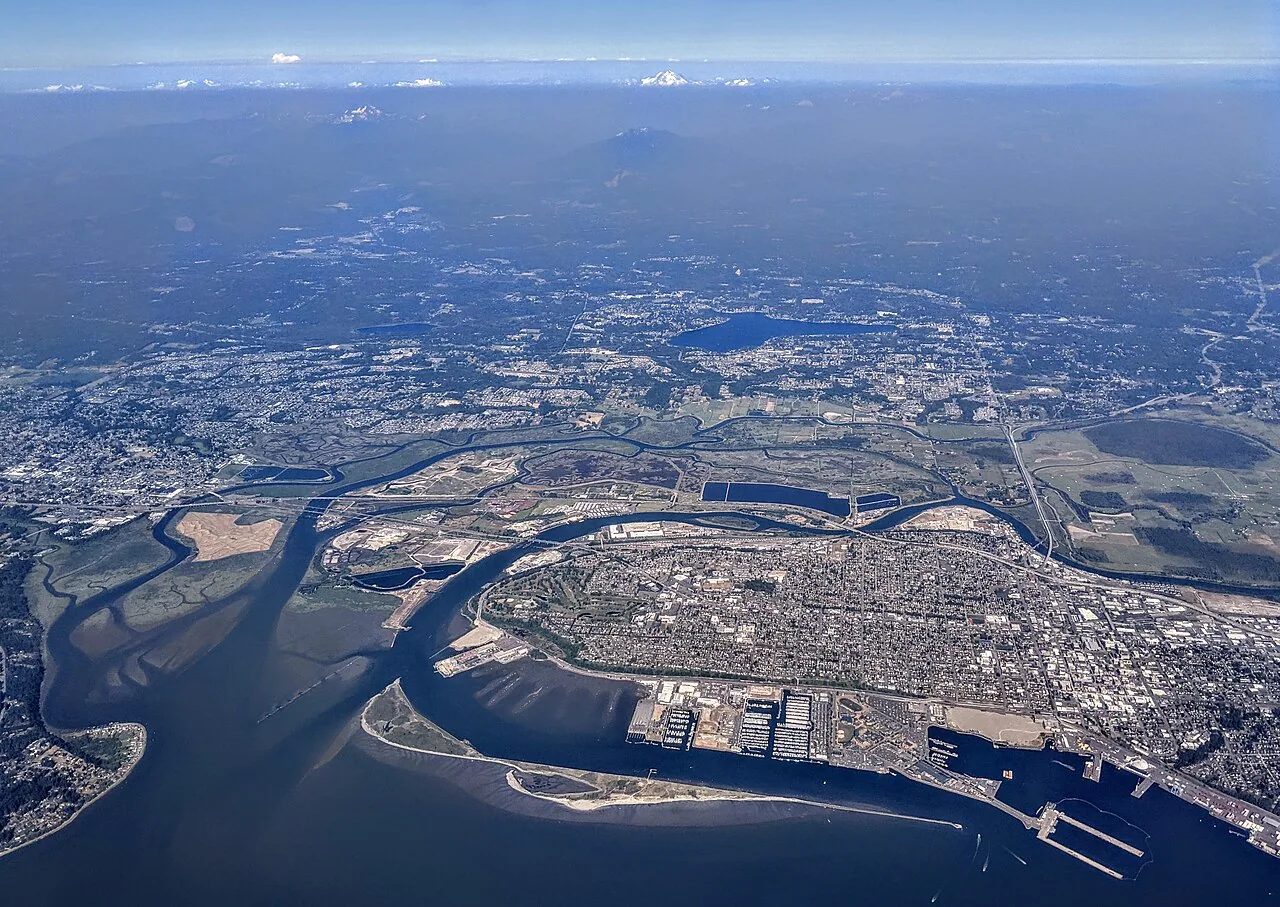
A facility near the Port of Everett may include cargo-related or maritime industrial uses, while the Southwest Everett Industrial Center contains varied manufacturing and employment uses. These area facts help plan site coordination, but the installed assembly must be inspected at the property. When a roof has widespread deterioration or incompatible repair history, we compare the documented condition with a replacement scope; if the field remains sound outside isolated defects, a localized option may protect usable material. The decision follows test results, transitions, drainage, and the plant's operating window.
Keep active production inside the work plan
Roofing can affect production through noise, odor, vibration, blocked access, crane lifts, or temporary restrictions beneath an open work zone. We review those issues with the facility contact before choosing the sequence. A small repair may fit during a planned maintenance interval; a larger scope may need roof zones arranged around line schedules and material handling. We agree on the boundary for interior protection, identify who can authorize equipment isolation, and confirm the route for personnel and supplies. The roof remains closed at each agreed stopping point, with temporary tie-ins checked before the crew leaves.
The Paine Field/Boeing manufacturing area is supported by regional transportation and utility infrastructure, and Everett's industrial waterfront connects port activity with freight and marine uses. For an operating facility, those broad networks do not replace a site-specific delivery plan. We confirm laydown space, roof access, lift capacity, loading windows, and any security or permit process with the plant. A phased reroof plan can coordinate occupied areas, and a curb and support scope can be timed with equipment work when both affect the same roof zone.
Leave the next maintenance decision clear
Closeout should help an engineer or facilities manager recognize the repaired area months later. We record the roof zone, detail corrected, material and preparation used, moisture findings, and any nearby issue that remains open. Photos connect each item to a curb, drain, grid line, or equipment group so a later inspection can return to the same point. If part of the roof could not be reached, the record names that limit and the access needed to complete the review. A maintenance note should distinguish a condition to monitor from a defect that needs scheduled work. For production facilities, coordinate roof openings with process schedules, material handling, and interior protection so each phase returns the building to a secure condition before operations resume.
Manufacturing groups often make decisions across multiple locations, yet local roof conditions still determine scope and timing. The capital planning review can connect field findings to a future budget cycle without masking unresolved moisture or access questions. Give us roof plans, repair records, equipment changes, and any operating restrictions before the visit. We will identify the evidence gathered, explain the remaining uncertainty, and present repair, restoration, or replacement paths against the plant's requirements. Schedule an Everett manufacturer roof assessment before an active leak or planned equipment change narrows the available work window.
Commercial Roofing Questions
Can a roof leak be traced while machinery stays online?
Often, the roof-side investigation can proceed without stopping equipment. If interior access, testing, or nearby work affects operations, we coordinate the specific restriction with plant staff.
How do exhausts and process lines change roof repairs?
Their curb, support, vibration, and service clearances affect flashing and access. We inspect each interface and keep the repair compatible with the installed roof system.
What if the leak report points to condensation instead?
We compare the timing, indoor conditions, roof details, and visible moisture path before assigning a cause. If the evidence points to another building system, the report says so.
When does a manufacturing roof need a moisture test?
Testing is useful when the extent of wet insulation or deck condition would change repair, recover, or removal limits. We select test areas from the observed conditions.
Can a larger reroof be split into separate production zones?
Yes, where weather exposure, safety, access, and system details allow staged work. The sequence defines each dry-in point and any temporary operating limits.
Questions Owners Ask
Can a roof leak be traced while machinery stays online?
Often, the roof-side investigation can proceed without stopping equipment. If interior access, testing, or nearby work affects operations, we coordinate the specific restriction with plant staff.
How do exhausts and process lines change roof repairs?
Their curb, support, vibration, and service clearances affect flashing and access. We inspect each interface and keep the repair compatible with the installed roof system.
What if the leak report points to condensation instead?
We compare the timing, indoor conditions, roof details, and visible moisture path before assigning a cause. If the evidence points to another building system, the report says so.
When does a manufacturing roof need a moisture test?
Testing is useful when the extent of wet insulation or deck condition would change repair, recover, or removal limits. We select test areas from the observed conditions.
Can a larger reroof be split into separate production zones?
Yes, where weather exposure, safety, access, and system details allow staged work. The sequence defines each dry-in point and any temporary operating limits.
Set a roof scope that fits production
Schedule a manufacturer roof assessment in Everett. We will trace reported conditions, inspect equipment transitions, and coordinate the work boundary with plant operations.
Related Roofing Work
- Commercial Roofing for Logistics and 3PL Operators
- Commercial Roofing for Property Management Companies
- Commercial Roof Inspection
- Commercial Roof Repair
- Southwest Everett Industrial Center
- Commercial Roof Replacement
- Occupied Building Reroofing
- Rooftop Equipment Curbs and Supports
Browse every page in Industries We Serve, or request a roof assessment and we will walk the roof with you.
Questions about this roof? Call 555-555-5555.