Commercial Roof Repair, Replacement & Maintenance
Commercial Roofing in Evergreen Way and 41st Street, Everett, WA
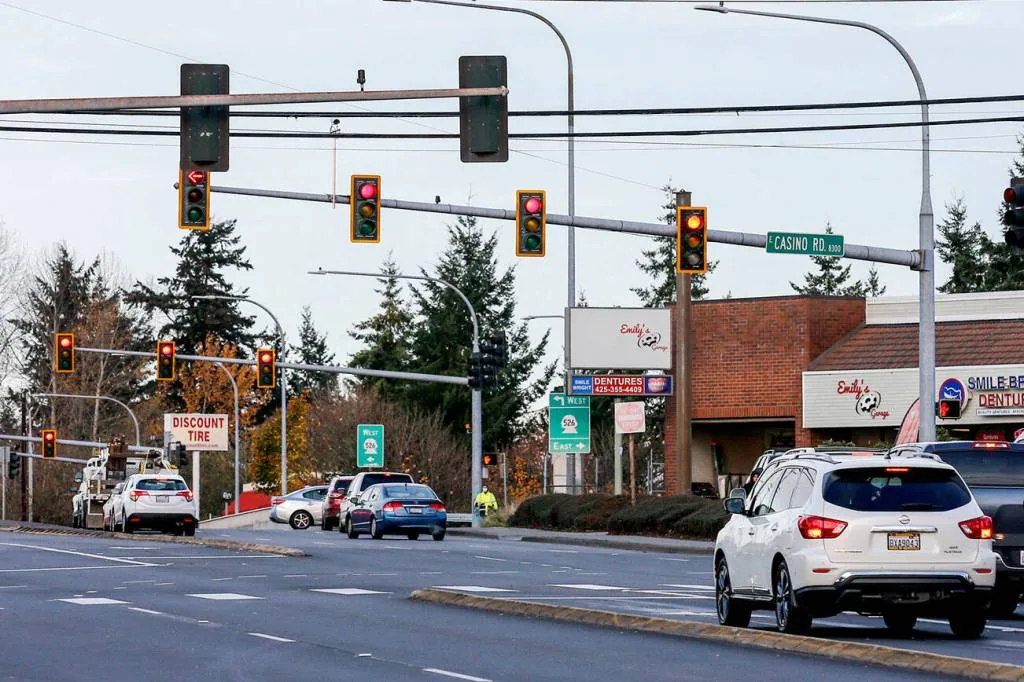
Evergreen Way and 41st Street meet at a community hub with health services, grocery retail, and other commercial activity. The hub includes the Rucker, Colby, and 41st Street nexus. That context helps plan access and service hours but does not identify a roof's construction or condition. Each property needs its own inspection and roof record. We check the reported condition, drainage, seams, penetrations, and perimeter before recommending a repair or larger project. A commercial roof inspection can define those next steps for a building in this Everett center.
Coordinate work around services and customer access
A commercial roof project can affect more than the roof surface. Confirm which entry customers use, where deliveries arrive, whether medical or other services have quiet periods, and which staff contact can provide access. If lifts or material staging are needed, keep sidewalks and emergency routes open. Identify rooftop equipment that must remain operating and agree on any shutdown or restart process. A concise notice should tell occupants where crews will work and which routes remain available.
The Rucker, Colby, and 41st Street intersection connects transit, employment, and community services. Confirm how the property operates, then set the roof-access route, work hours, and occupant notices with its site contact. An owner should name the decision maker, site contact, and emergency point of contact before a work window is reserved.
Trace reports from occupied rooms to roof details
Start a leak review with the date, interior location, recurrence, weather, and any recent mechanical or contractor work. Mark the room or suite on a plan, then compare it with the roof above. Inspect nearby penetrations, drain bowls, scuppers, wall joints, seams, equipment supports, and edge transitions. Water can move laterally under a membrane or along a deck. The closest visible roof feature may not be the entry point. Record what was tested and where; if the roof is too wet or access is restricted, state what remains to be checked.
The Everett climate normal includes 40.25 inches of annual precipitation. Late fall and winter are the wettest part of the normal year, which makes drainage and daily dry-in planning useful. Inspect each roof's drainage, seams, flashings, and reported interior locations before setting a repair boundary. Check a reported seam separately from an outlet or wall transition. Where moisture may extend below the surface, explain whether a moisture survey or test opening is appropriate and what the result would change. A leak investigation should distinguish confirmed damage from a possible water path.
Inspect the membrane, flashing, and equipment interfaces
On the first walk, identify the roof system when records or field features support a confident call. Note repairs, visible laps or welds, flashing, roof penetrations, drain conditions, and perimeter metal. Photograph defects with a nearby reference. Look for lifted seams, punctures, cracking, deteriorated sealant, loose metal, blistering, or wear, while avoiding a cause statement until evidence supports it. A visual review does not show concealed layers or moisture throughout an assembly.
Health-service and grocery uses can involve rooftop exhaust, refrigeration equipment, vents, plumbing, and frequent service calls. Verify which components are present at the property instead of assuming every roof has the same layout. Check if a recent contractor cut or moved a penetration. Inspect around curb corners and support feet for movement or unsealed details. If equipment work is planned, coordinate flashing responsibility before the roofing crew leaves. A flashing assessment can isolate the transition, while a separate membrane test addresses the field seam.
Use a defined repair boundary and completion check
A repair scope should name the mapped defect, preparation, compatible materials, dimensions or extent, access method, and how the completed detail will be checked. Include interior protection and cleanup when work occurs over active rooms. If the roof must be opened to find wet material, state how added removal will be approved and priced. The crew should leave each opened area protected at shift end. A temporary patch is a short-term measure until the permanent detail is installed and verified.
For replacement bids, use a shared checklist: tear-off or recover basis, insulation, cover board, membrane, attachment, edge metal, flashings, drains, penetrations, disposal, and exclusions. A replacement review should explain assumptions for concealed deck damage. Compare PVC and EPDM assemblies only against the same building criteria. Washington building and energy-code rules apply to project design and permitting. Confirm the current path with the project team before work is scheduled.
Protect service continuity through wet-season work
Before a roof section is opened, identify a secure daily closure method, emergency cover material, and who checks it if rain begins outside the work window. Keep drains and overflow paths clear as work progresses. Confirm product requirements for surface moisture, temperature, and cure before applying adhesives, coatings, or membrane. Protect air intakes from dust and keep debris out of customer and delivery paths. The closeout checklist should confirm that temporary power or roof equipment removed for work has been restored by the assigned party.
Everett averages roughly 51 days a year when the minimum temperature reaches freezing or below. The figure describes regional conditions, not an installation forecast. Check the actual roof surface and product limits on each shift. A cool, shaded deck may not be ready when the air feels mild. Reserve contingency time if services cannot be interrupted or if a material lift depends on clear access. For urgent exposure, an emergency roof response may reduce immediate damage; permanent restoration follows once safe access and preparation are available.
Keep inspection details connected to the property
Record the inspection date, weather, areas reached, test methods, drain checks, repair locations, and unresolved questions. Keep photos with a marked roof plan and identify any areas not accessed. If a service technician will return, note the location and the specific condition to verify. A simple work log also helps the property team connect a recurring interior stain with earlier roof observations rather than treating each call as unrelated.
For a property serving customers, record the agreed work hours and access route alongside the technical report. Store contact information for the person who can arrange future roof entry. If a warranty applies, keep its issued document and obligations with the roof record; do not infer coverage from a manufacturer name. An owner with properties near Metro Everett or North Broadway can align inspection dates while preserving separate details for each assembly. A maintenance visit can check prior repairs and drainage on a schedule appropriate to actual condition.
Turn findings into a useful next decision
The final summary should say what the crew inspected, what it found, what it repaired, and what still needs a test or owner decision. Use plain observations and show their locations. Do not present a suspected cause as confirmed if the evidence does not support it. If the roof can remain in service, state the follow-up that would change that decision, such as a recurring leak, failed test, or visible movement. If replacement is proposed, show the findings behind the recommendation and identify conditions that could change quantities.
Evergreen Way and 41st Street is a service and employment center with grocery retail, health services, and other commercial uses. The recommendation still needs this building's verified assembly and conditions. A condition report can help the owner schedule immediate repair, return testing, and budget planning. For another Everett center, the View Ridge Center page offers area context without treating one tenant or address as a service territory.
Commercial Roofing Questions
What is the Evergreen Way and 41st Street hub?
At the Rucker, Colby, and 41st Street nexus, the community hub includes health services, grocery retail, and other commercial uses.
Does the area designation tell me what roof is on my building?
No. The designation gives planning context. Roof type, condition, and repair history require a property-specific review.
How can a leak be investigated while services remain open?
Coordinate access and protection with the facility, then inspect and test the roof details linked to the reported interior condition.
What information helps price a roof repair?
Provide the roof plan, leak history, product or warranty records, access rules, operating restrictions, and any recent equipment work.
Questions Owners Ask
What is the Evergreen Way and 41st Street hub?
At the Rucker, Colby, and 41st Street nexus, the community hub includes health services, grocery retail, and other commercial uses.
Does the area designation tell me what roof is on my building?
No. The designation gives planning context. Roof type, condition, and repair history require a property-specific review.
How can a leak be investigated while services remain open?
Coordinate access and protection with the facility, then inspect and test the roof details linked to the reported interior condition.
What information helps price a roof repair?
Provide the roof plan, leak history, product or warranty records, access rules, operating restrictions, and any recent equipment work.
Get a building-specific roof assessment
Arrange service near Evergreen Way and 41st Street. We will document the roof condition, access limits, and repair or replacement options for the property.
Related Roofing Work
- Commercial Roof Inspection
- Commercial Roof Leak Repair
- Commercial Roof Flashing Failure Repair
- Commercial Roof Replacement
- EPDM Roofing
- Metro Everett
- North Broadway
- Commercial Roof Condition Reports
Browse every page in Service Areas, or request a roof assessment and we will walk the roof with you.
Questions about this roof? Call 555-555-5555.