Commercial Roof Repair, Replacement & Maintenance
Warehouse Roofing in Everett, WA
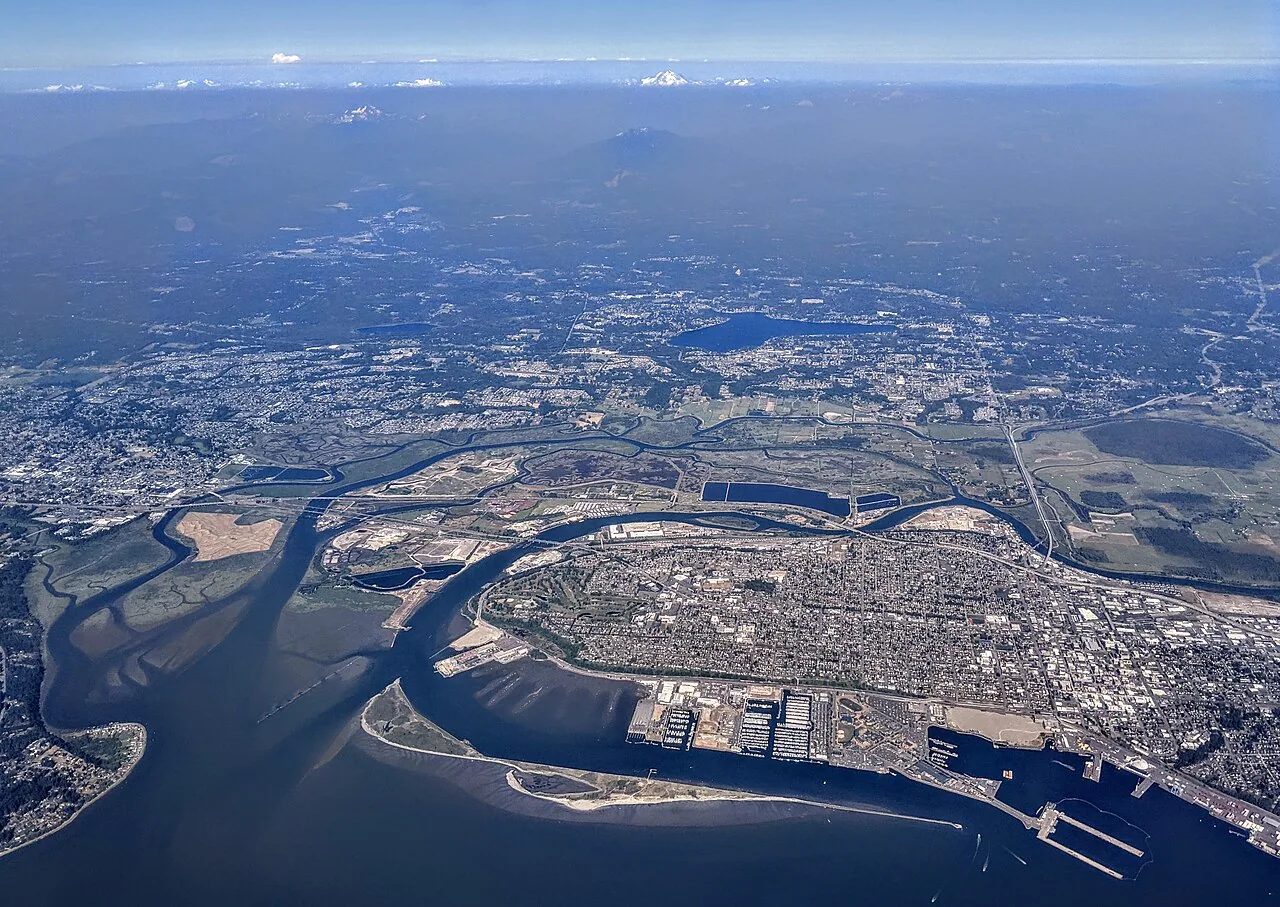
Water tracking from a warehouse roof drain toward a pallet rack can cross several bays before it reaches a ceiling or product area. We start with the visible condition, then follow the drainage plane across seams, curb transitions, roof openings, and the interior stain rather than treating the wet spot as the repair boundary. Everett's Port facilities, rail-served industrial properties, and Paine Field employment area include varied warehouse and shipping uses, but no two assemblies can be identified from the ground. Rain falls most heavily in late fall and winter here, making an open lap or blocked outlet worth tracing before repeated storms widen the wet area. A roof inspection records what is confirmed and what needs testing; condition reporting helps the property team prioritize the next action.
Trace runoff across the roof field
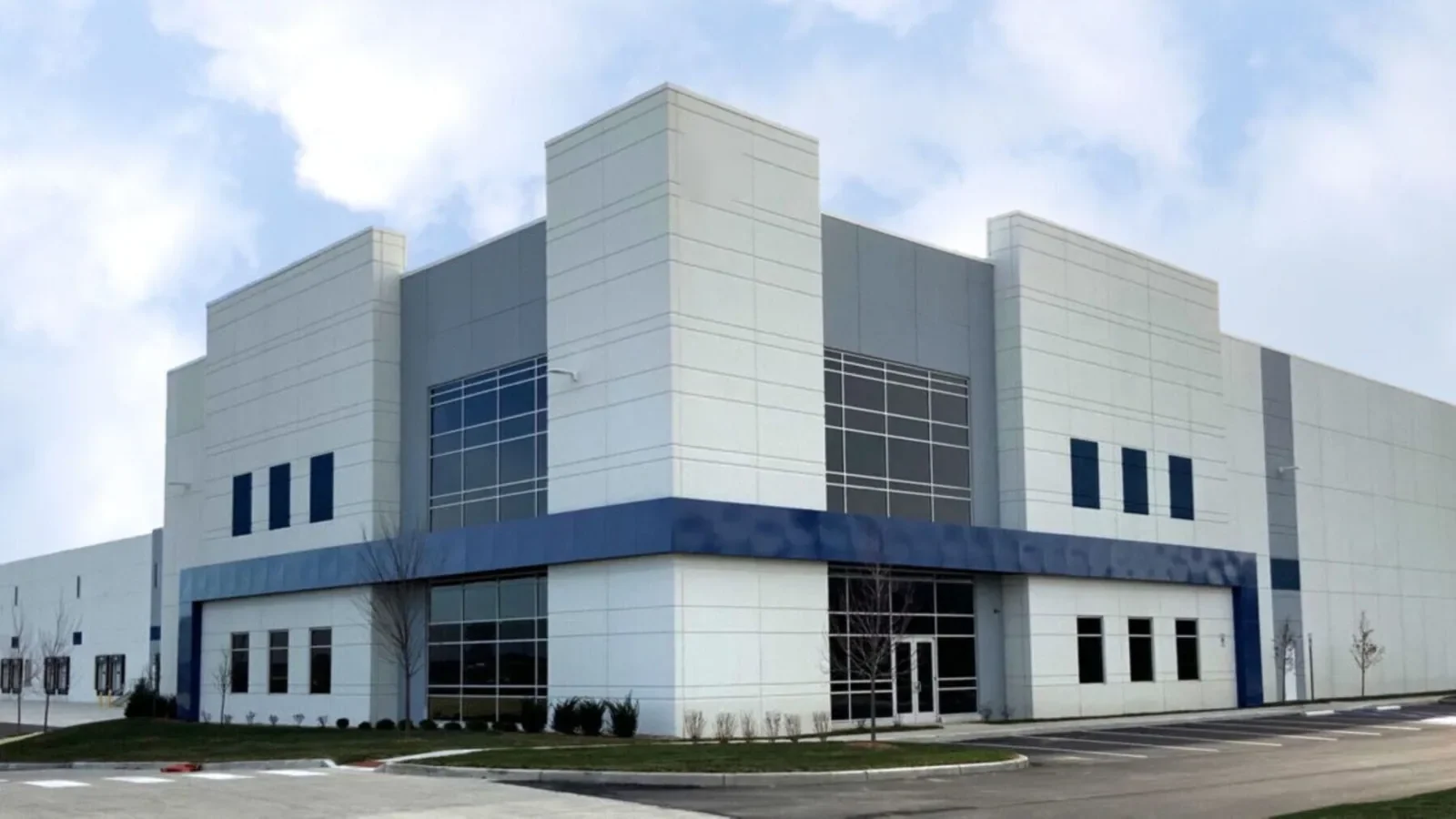
A warehouse roof may combine broad membrane fields with multiple drains, scuppers, curbs, and elevation changes. We map how water moves toward each outlet, then check for debris, displaced strainers, crushed leaders, surface depressions, and details that interrupt the path. A drain that accepts water at the bowl can still have a downstream restriction, while a low point beside a rooftop unit can hold water after surrounding areas clear. The report distinguishes maintenance conditions from defects in slope, flashing, or membrane so an owner does not pay for coating or patching that leaves the cause in place.
Industrial waterfront sites near the Port of Everett may have large loading and storage operations; Cascade Industrial Center connects manufacturing and distribution uses across Marysville and Arlington. Those area facts help frame logistics and access, not a conclusion about any individual roof. At the building, we identify which downspouts or interior leaders serve each zone and whether stored goods or equipment restrict safe access below. If ponding remains after outlets are cleared, a ponding-water repair evaluation can define correction options separately from membrane work.
Identify the assembly before selecting a repair
Warehouse owners often inherit roof records that name a product but omit the installed membrane, attachment, insulation, or repair history. We inspect exposed edges, penetrations, drains, and accessible seams to identify whether the roof is TPO, PVC, EPDM, modified bitumen, built-up, metal, or a coating over another assembly. A patch must be compatible with the surface and able to bond to sound material. Dirt, aged surfacing, trapped moisture, and earlier incompatible repair products can change preparation requirements.
For a single-ply field, seam condition and attachment can matter as much as the size of a visible puncture. An EPDM repair uses different preparation than a heat-welded thermoplastic seam; metal panels need review of fasteners, laps, and movement. We record the observed assembly and uncertainty instead of guessing from color. Owners comparing work can review distribution-center roof conditions where conveyor lines and dock schedules affect access, or the details on a TPO assembly when field identification supports that system. The site walk establishes what is actually present.
Protect receiving and storage activity
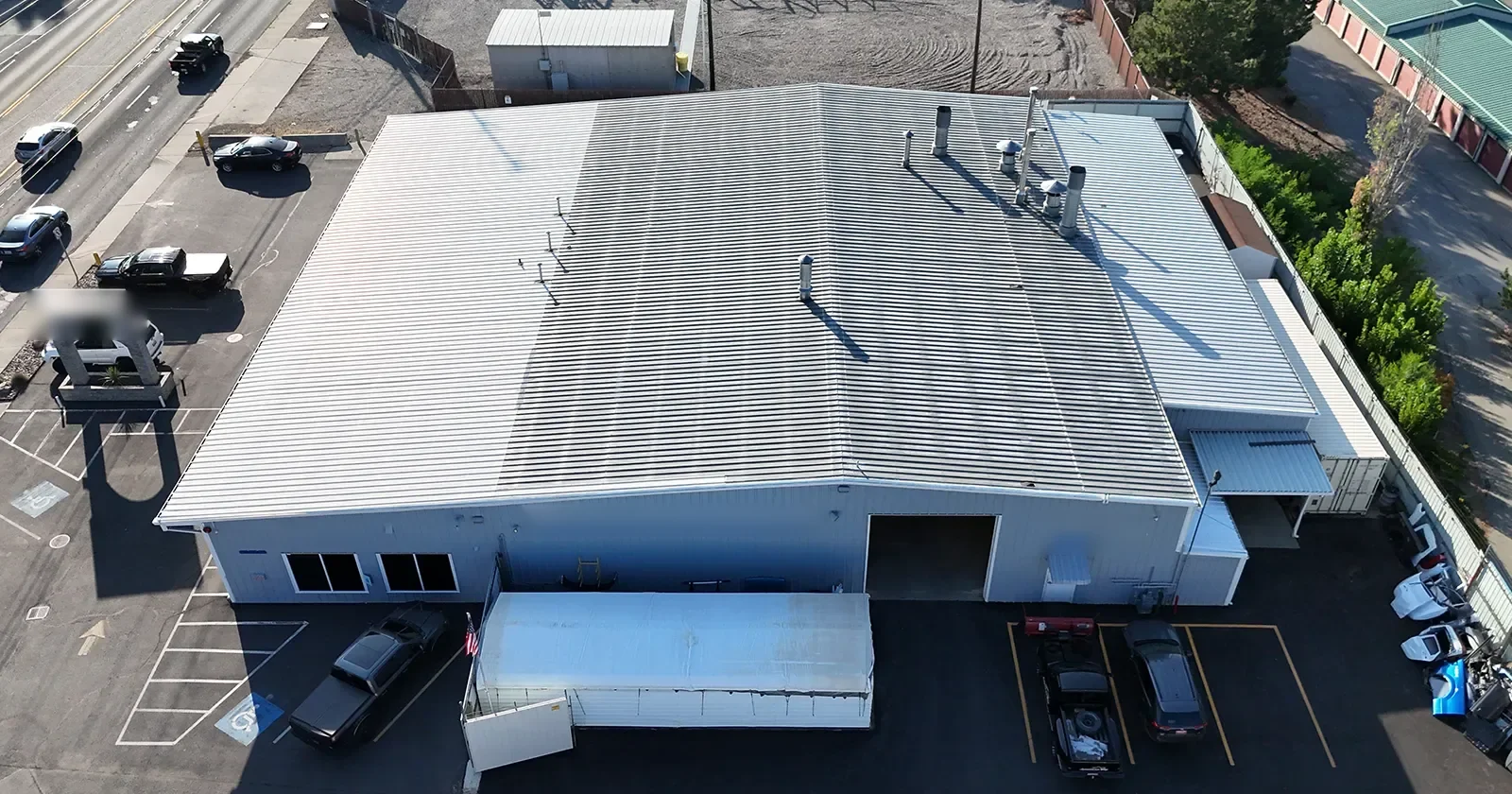
Leaks become more urgent when a drip lands above inventory, electrical equipment, a pick line, or a dock. We document interior symptoms with location, timing, and any changes after rain, then coordinate roof access with the person responsible for receiving, lift traffic, and restricted aisles. A small roof zone can require a staged response if product cannot be moved or if a tenant continues work beneath it. Temporary protection may limit exposure, but it does not establish that insulation has dried or that the entry point has been repaired.
At a warehouse serving Port or Paine Field area operations, truck movement and security procedures can shape staging and work windows. We confirm the building contact, loading constraints, roof hatch route, and areas that need to stay clear before bringing materials to the roof. When work affects an occupied facility, occupied-building phasing can sequence repairs or replacement so receiving activity has a defined path. If water is active, emergency roof protection can address immediate exposure while the permanent repair boundary is developed.
Separate wet insulation from surface staining
A brown ceiling mark is evidence of water movement, not a measurement of wet insulation. We compare the stain with roof penetrations, seams, wall intersections, and drainage direction, then inspect accessible material where opening a test area is justified. Water can travel along a deck flute or insulation facer before it appears inside, so a repair at the point of the stain may miss the entry. Where the extent changes a recover decision, infrared screening or targeted core cuts can help map a moisture boundary.
Moisture findings should distinguish readings, visible deterioration, and areas that remain unconfirmed. An owner may choose a localized repair when the substrate is sound, while widespread wet insulation can shift the decision toward selective removal or replacement. Infrared moisture mapping can help prioritize test locations under suitable conditions; a leak-path investigation can tie interior evidence to a roof detail. The report includes the limits of each test and identifies where more access is needed before a larger scope is priced. Refrigerated buildings add vapor and temperature differentials to the assembly review; the cold-storage roof evaluation addresses those conditions.
Plan work around a dry, safe access window
Rainfall in Everett is concentrated in late fall and winter, while occasional freezing nights can affect wet surfaces and exposed transitions. A repair needs a dry work area, compatible material, and enough time to close the roof before weather reaches an open seam. We check forecast conditions, surface moisture, and the planned sequence before opening multiple zones. When a shift ends, temporary tie-ins and protected edges should leave the assembly watertight until crews return.
Timing also depends on lift access, loading operations, roof traffic, and whether equipment must be shut down. We identify staging points, walk paths, penetrations, and any restrictions around exhaust or refrigeration equipment before work begins. If an owner is considering restoration, a coating assessment should follow repairs and moisture review, not substitute for them. For an aging roof where patching has become repetitive, a replacement review can compare tear-off, recover eligibility, insulation, and schedule constraints against the same evidence.
Leave a usable roof record
A warehouse roof plan is more useful when it identifies the repair zone, membrane type, observed moisture, drainage route, and details that still need attention. We photograph completed work, note materials and preparation, and mark locations that should be inspected after the next significant rain. The owner can then compare future leaks with the original condition rather than restarting the investigation from an interior stain. If a repair depends on a drain remaining clear, that maintenance item belongs in the closeout too.
For distribution and storage buildings around Metro Everett or the Cascade Industrial Center, work planning may involve different freight patterns, but the roof scope should stay tied to the building evidence. A written record can support budgeting, tenant coordination, and a later replacement decision. Schedule a warehouse roof evaluation with available leak history, prior work records, and the areas where operations need uninterrupted access.
Commercial Roofing Questions
A leak appears far from the closest drain. Where do you start?
We trace the drainage path from the interior symptom toward roof seams, curbs, walls, and openings that could admit water. The entry may be uphill from the stain, so the repair boundary follows physical evidence.
Can warehouse roofing work happen while inventory remains inside?
Work can be phased around receiving and occupied aisles when the roof condition and access allow it. We identify any area that needs temporary clearance, protection, or a shutdown before setting the repair sequence.
How do you determine whether insulation needs removal?
We inspect accessible material and use targeted testing when moisture extent affects the scope. The report separates confirmed wet insulation from areas that still need an opening or follow-up reading.
Does standing water mean the membrane has failed?
A pond does not prove a leak, but persistent water can expose seams and details to longer wetting. We check the outlet, low point, slope, and membrane before choosing maintenance or corrective work.
What information helps price a warehouse roof repair?
Roof access, assembly, leak timing, affected storage zones, previous repairs, and any available roof drawings help define the visit. We verify conditions on site before fixing the repair limits.
Questions Owners Ask
A leak appears far from the closest drain. Where do you start?
We trace the drainage path from the interior symptom toward roof seams, curbs, walls, and openings that could admit water. The entry may be uphill from the stain, so the repair boundary follows physical evidence.
Can warehouse roofing work happen while inventory remains inside?
Work can be phased around receiving and occupied aisles when the roof condition and access allow it. We identify any area that needs temporary clearance, protection, or a shutdown before setting the repair sequence.
How do you determine whether insulation needs removal?
We inspect accessible material and use targeted testing when moisture extent affects the scope. The report separates confirmed wet insulation from areas that still need an opening or follow-up reading.
Does standing water mean the membrane has failed?
A pond does not prove a leak, but persistent water can expose seams and details to longer wetting. We check the outlet, low point, slope, and membrane before choosing maintenance or corrective work.
What information helps price a warehouse roof repair?
Roof access, assembly, leak timing, affected storage zones, previous repairs, and any available roof drawings help define the visit. We verify conditions on site before fixing the repair limits.
Trace the warehouse roof condition
Schedule an Everett warehouse roof inspection. We will map the water path, identify the assembly, document affected zones, and define a repair or testing scope.
Related Roofing Work
- Commercial Roof Inspection
- Commercial Roof Condition Reports
- Ponding Water Roof Repair
- Distribution Center Roofing
- TPO Roofing
- Occupied Building Reroofing
- Emergency Commercial Roof Repair
- Cold Storage Roofing
Browse every page in Property Types We Roof, or request a roof assessment and we will walk the roof with you.
Questions about this roof? Call 555-555-5555.