
Commercial Roof Repair, Replacement & Maintenance
TPO Roofing in Everett, WA
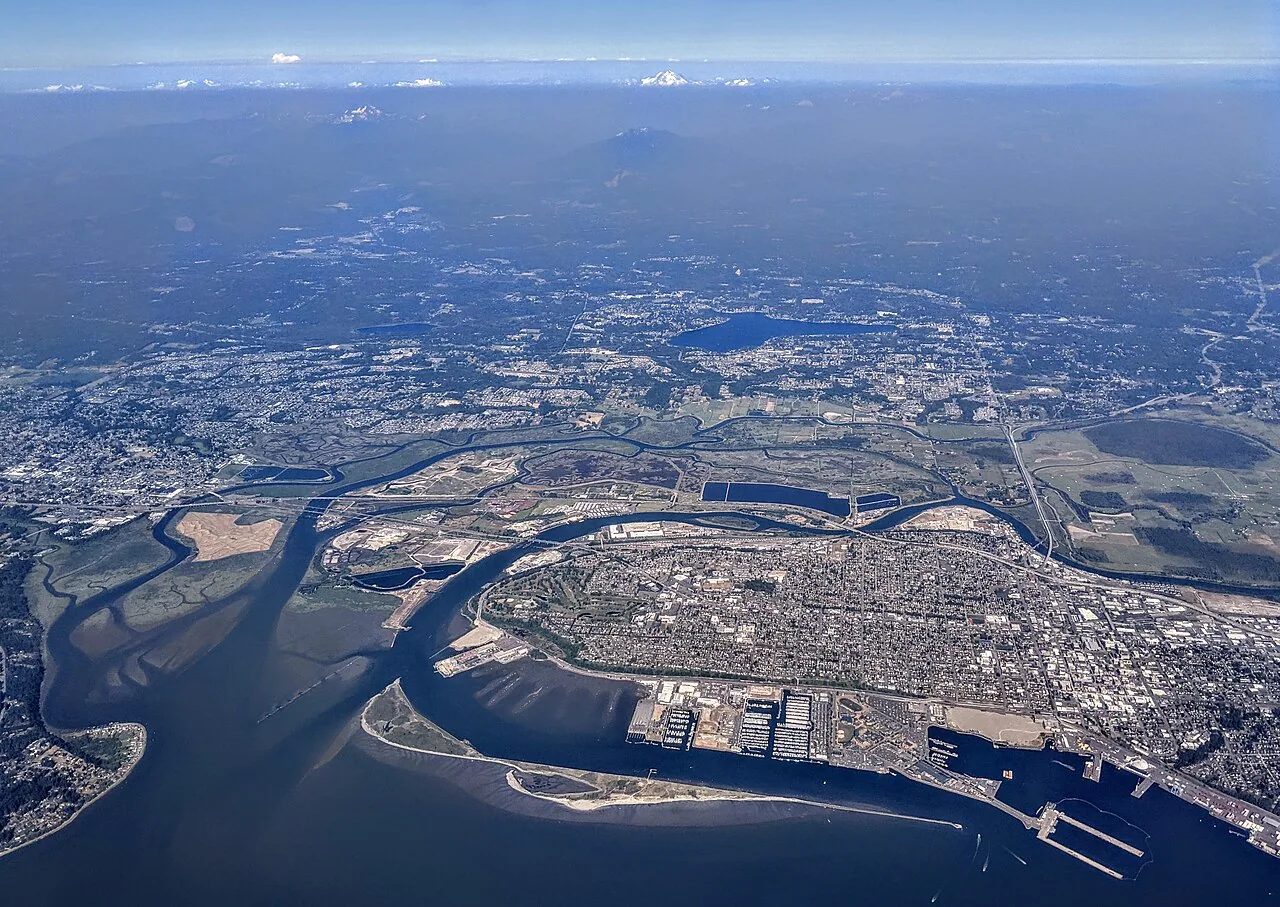
A TPO seam that has lifted at one corner can admit water even when the surrounding white membrane looks continuous. We examine the weld, sheet condition, attachment, flashing, and substrate before deciding whether the defect is localized or part of a larger moisture pattern. TPO is a thermoplastic single-ply membrane whose seams are heat welded, so repair depends on surface condition, compatible material, and a sound weld zone. Frequent wet-season rain in Everett makes seam and drain performance especially relevant. A roof detail may face repeated runoff after each storm, so we check weld continuity and how quickly drainage removes water. Port warehouses, Boeing-area industrial buildings, and Paine Field hangars reflect the region's varied commercial stock, but the roof assembly has to be identified in the field. Washington's adopted building code also governs construction scope where applicable. If you are assessing a TPO roof, begin with a hands-on inspection; if water is entering, a leak-path review can connect the symptom with the membrane detail.
Read the weld before selecting a repair
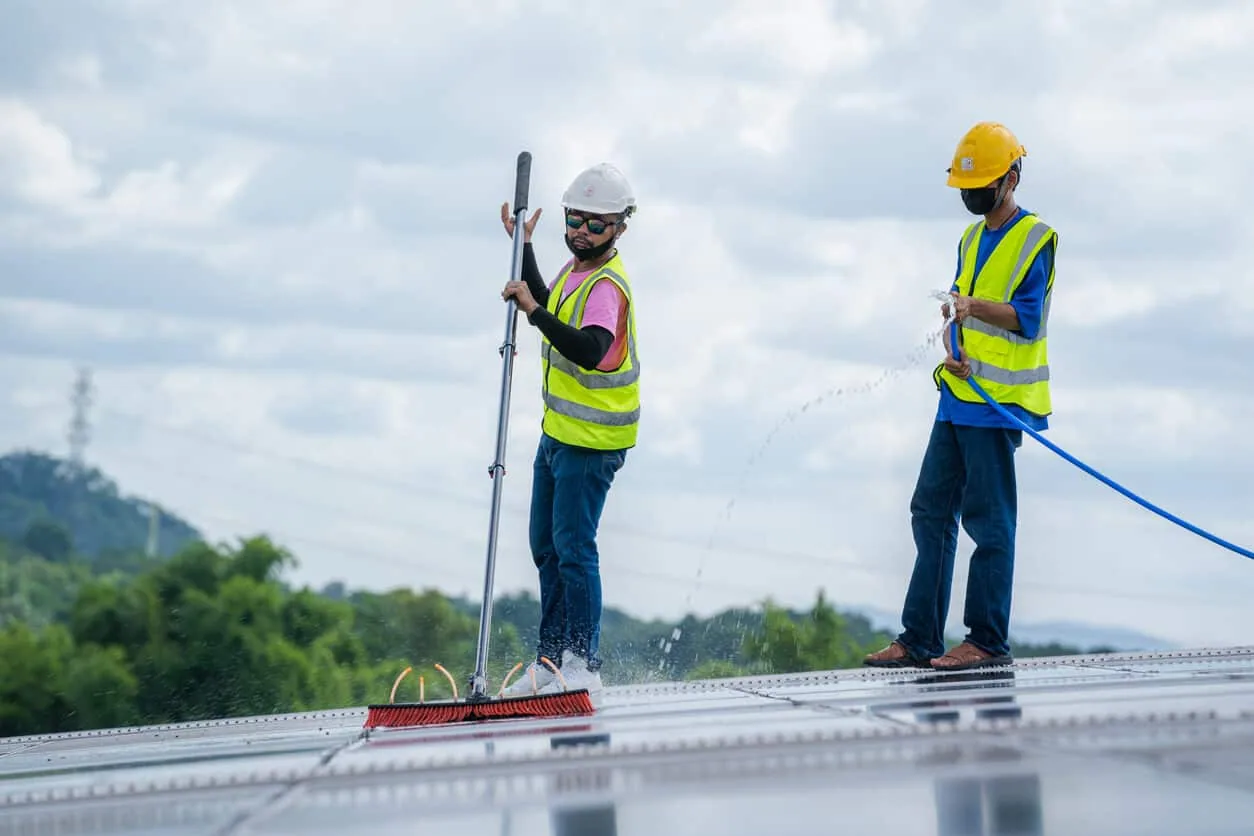
We inspect laps for open edges, fishmouths, contamination, incomplete fusion, mechanical damage, and evidence that a prior patch does not bond to the sheet. A probe can identify a visible opening, but it does not measure the full strength of a seam. The repair plan notes whether the weld zone can be cleaned and reheated, whether a new patch will reach sound membrane, or whether the damaged sheet must be removed.
Seam direction and roof drainage matter because water can follow a lap or collect at a low transition. We map the seam's relationship to drains, curbs, and field changes rather than treating every open edge alike. If the sheet has become brittle, chalked, or contaminated, a surface weld may not hold as expected. The inspection identifies the field condition and material limits before specifying heat-welded repair.
Check sheet attachment and movement
TPO systems may be mechanically attached, adhered, or ballasted, and the visible membrane does not always reveal the attachment pattern. We review available roof records and inspect exposed edges or representative areas where access permits. Loose sheet, flutter marks, displaced plates, or movement near a perimeter can point to attachment or wind concerns that need a broader review. We do not infer pullout capacity from a surface walk; testing or engineering may be needed where fastener performance matters.
At a large industrial property near the Everett industrial waterfront, roof zones may have distinct elevations, equipment screens, and edge details. A hangar in the Paine Field area may place special demands on equipment access and work windows. Metro Everett has a mix of commercial, civic, residential, and transportation activity, where occupied access can shape the inspection window. These site contexts help plan inspection routes, while the attachment design comes from the roof and project records. A wind damage review can map lifted edges and confirm what changed after exposure.
Inspect curbs, drains, and terminations
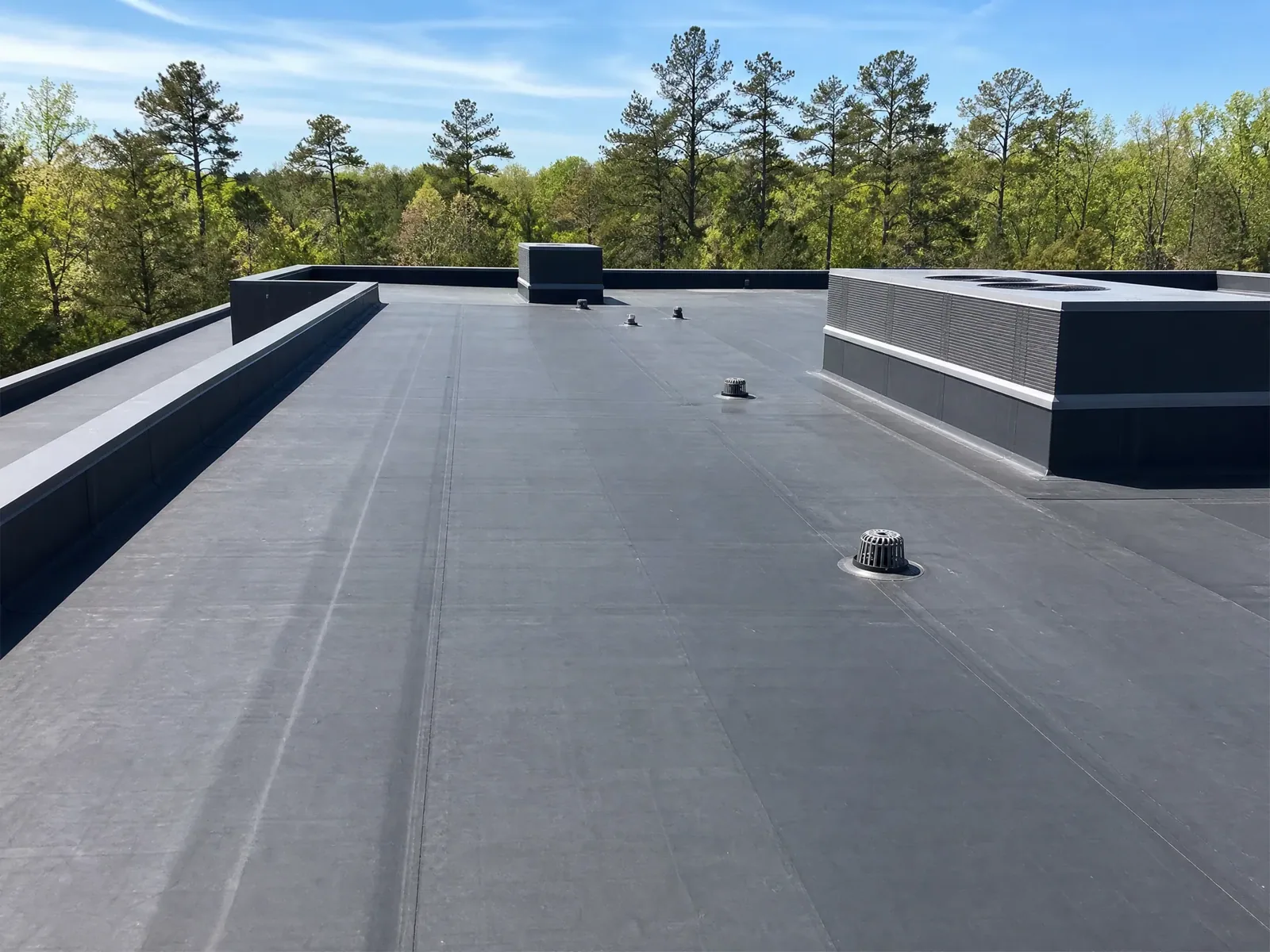
A TPO field can remain intact while a pipe boot, curb corner, wall transition, or drain flange has separated. We check membrane turn-ups, prefabricated accessories, welds around corners, termination bars, and compatibility with adjoining materials. At drains, the membrane must connect to the clamping ring or specified assembly without folds that hold water. At parapets, the detail must secure the sheet and protect its termination from runoff and movement.
Everett's wet winter period makes small gaps at these transitions worth recording before the next sustained rain. We photograph the condition with enough surrounding roof to identify the zone and relate it to an interior report. If insulation or deck appears affected, we define the suspected area and recommend verification. A drain inspection can address outlet details, while curb repair focuses on equipment interfaces.
Prepare and weld the repair area
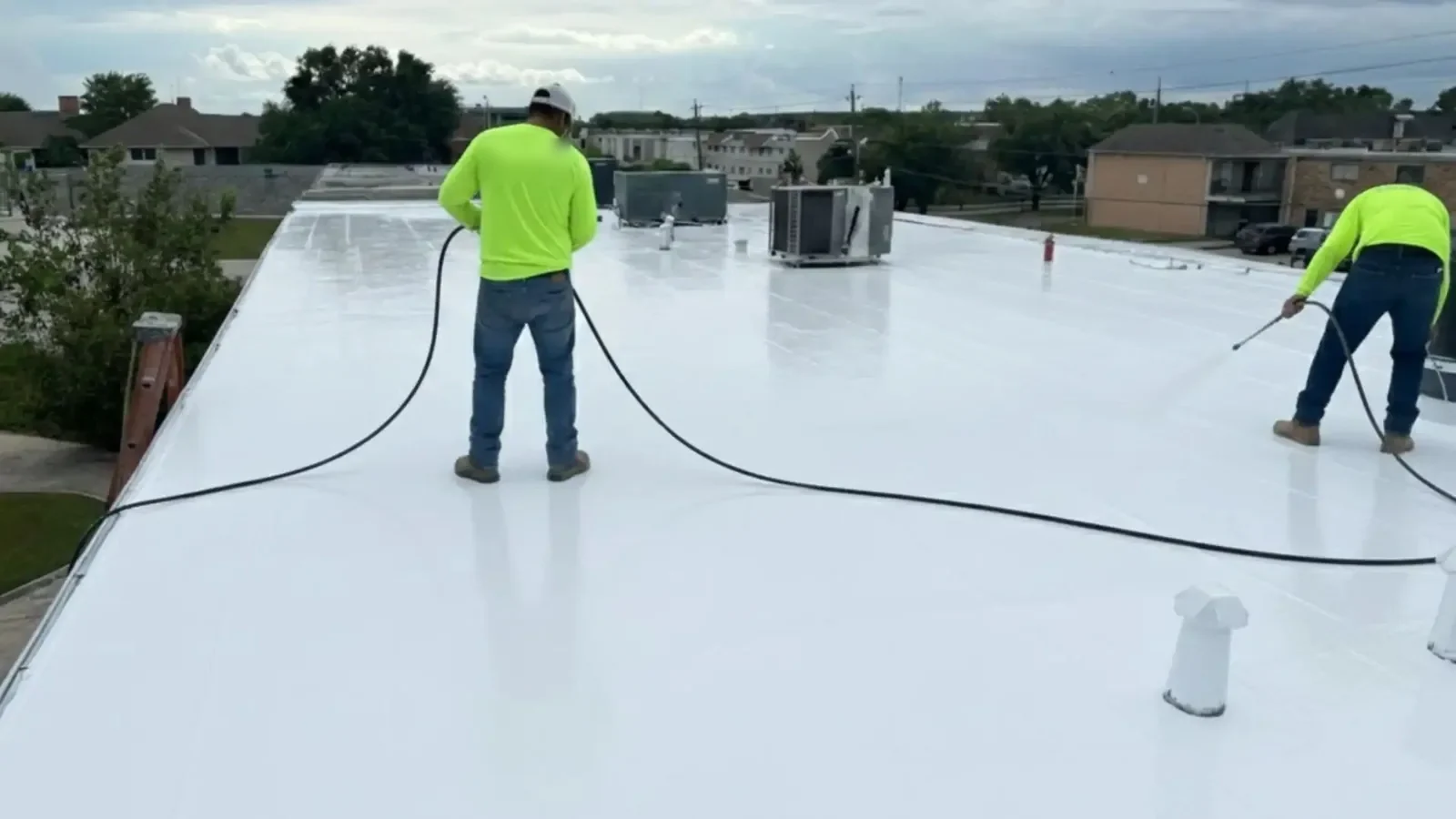
Heat welding needs a clean, dry, compatible surface and control of temperature, speed, and pressure. We remove contaminants and loose material, prepare the weld zone, and make a test weld when conditions or material age warrant it. A patch should extend onto sound membrane with rounded corners and a continuous welded perimeter. If the field sheet is wet, deteriorated, or too narrow to provide a reliable overlap, the scope may need a wider cutout or replacement section.
Repairs around penetrations require shaped flashing or compatible accessories, not a flat patch forced around a three-dimensional corner. We check each weld as it cools and probe the perimeter without damaging the sheet. Weather, access, and surface temperature can affect work quality. Everett's wet-season forecast may require a temporary cover before permanent welding can proceed; the record states which steps were completed and which await a suitable window.
Compare repair with recover or replacement
One isolated seam failure on a stable assembly may support a localized repair. Repeated open welds, widespread sheet shrinkage, wet insulation, poor attachment, or failing terminations can shift the choice toward recover or replacement. We document the number and distribution of defects, any moisture verification, and the condition of the substrate. We also compare how the installed system behaves against other assemblies rather than treating one material as a universal upgrade. PVC membranes use heat-welded thermoplastic seams but differ in formulation and chemical-resistance considerations; EPDM systems use a different seam and repair approach. The selected repair still has to match the existing sheet, accessory, and attachment detail. A coating or overlayer is not a substitute for repairing a loose or wet assembly.
Owners can compare a localized repair scope with a recover evaluation or replacement plan when the inspection supports a larger boundary. New insulation or cover board may alter drain and curb heights; a roof assembly review can address those transitions. The recommendation identifies what is confirmed and what remains untested.
Keep the TPO history serviceable
A repair record should identify the TPO zone, seam or flashing location, material used, surface preparation, weld checks, weather, and any limits. Photos of the repair and adjacent detail help the next inspector recognize whether later movement is new. If an interior leak triggered the work, the record preserves the symptom and whether the path was confirmed or inferred.
For facilities supporting industrial and aviation operations around Everett, access timing and equipment routes may need to be coordinated at each visit. A condition report can retain photos and repair boundaries; roof asset records can track follow-up across properties. Request a TPO inspection with any system documentation, past patches, and leak history so the repair method fits the installed membrane rather than its appearance alone. We can also note areas reserved for future equipment work so later penetrations do not cross recent repairs without review.
Commercial Roofing Questions
Can an open TPO seam be reheated?
Sometimes. The surface must be clean, dry, and capable of forming a new weld. The inspection checks material condition and available overlap before selecting a repair.
Does white membrane mean the roof is TPO?
No. Several systems can have a light-colored surface. We confirm the membrane from records and field characteristics before choosing a compatible repair.
How do you test an old weld?
Visual review and probing can identify visible separation. Test welds or additional investigation may be appropriate when surface age or contamination affects the repair method.
Can a TPO repair proceed in rain?
Permanent welding requires a suitable dry surface. Temporary protection may be used when safe, with the final weld scheduled for appropriate conditions.
When should repeated seam repairs prompt replacement review?
The distribution of failures, sheet condition, attachment, moisture, and substrate determine whether local work remains appropriate or the scope should expand.
Questions Owners Ask
Can an open TPO seam be reheated?
Sometimes. The surface must be clean, dry, and capable of forming a new weld. The inspection checks material condition and available overlap before selecting a repair.
Does white membrane mean the roof is TPO?
No. Several systems can have a light-colored surface. We confirm the membrane from records and field characteristics before choosing a compatible repair.
How do you test an old weld?
Visual review and probing can identify visible separation. Test welds or additional investigation may be appropriate when surface age or contamination affects the repair method.
Can a TPO repair proceed in rain?
Permanent welding requires a suitable dry surface. Temporary protection may be used when safe, with the final weld scheduled for appropriate conditions.
When should repeated seam repairs prompt replacement review?
The distribution of failures, sheet condition, attachment, moisture, and substrate determine whether local work remains appropriate or the scope should expand.
Inspect the welds and transitions
Schedule an Everett TPO roof inspection. We will identify membrane condition, weld integrity, attachment, water paths, and repair limits.
Related Roofing Work
- Commercial Roof Inspection
- Commercial Roof Leak Repair
- Everett Industrial Waterfront
- Paine Field and Boeing Manufacturing Center
- Wind Damage Roof Repair
- PVC Roofing
- EPDM Roofing
- Commercial Roof Repair
Browse every page in Roof Systems, or request a roof assessment and we will walk the roof with you.
Questions about this roof? Call 555-555-5555.