Commercial Roof Repair, Replacement & Maintenance
Office Building Roofing in Everett, WA
A ceiling tile changed after a rainstorm can affect a tenant suite without revealing where water crossed the roof. We begin with the reported room, roof level, nearby equipment, and drainage path, then compare that evidence with the membrane and flashing above. Metro Everett is an established civic and commercial core; Lynnwood's City Center is planned for dense office, retail, residential, and cultural uses. Neither district's land-use context establishes an individual building's roof assembly or condition. We identify both during the site visit. A commercial roof inspection maps conditions by zone, and a written condition report gives ownership and tenant-facing staff a record of what was found.
Separate the interior symptom from the roof entry
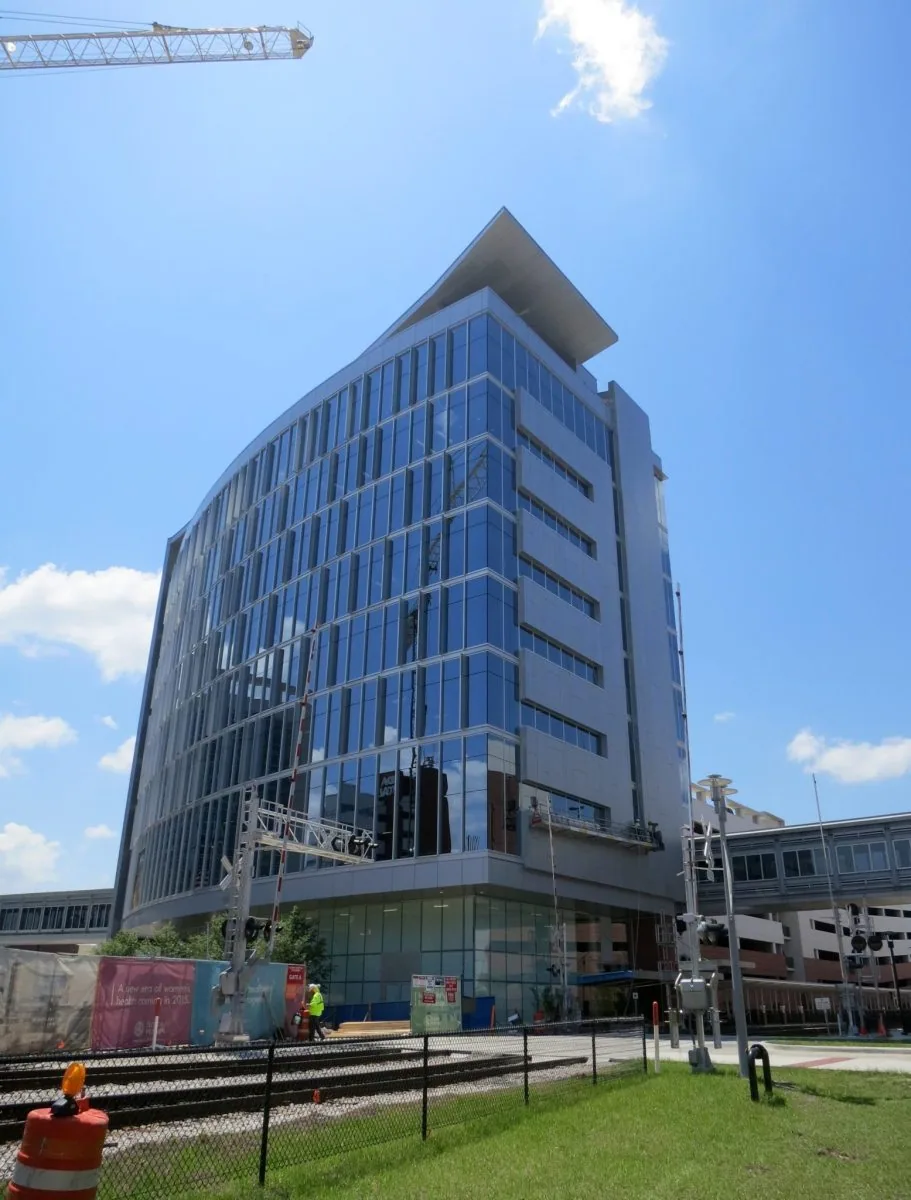
Water may travel along a deck, beam, insulation facer, or wall before it reaches a ceiling. We compare the time of the report with rainfall, HVAC operation, plumbing activity, and roof details above the affected suite. A stain that appears during dry weather may involve condensation or a building system rather than the roof. We inspect accessible materials and identify what additional test would distinguish those causes instead of opening a large area without a question to answer.
Office buildings can contain multiple tenants, conference areas, data closets, and finished interiors with different sensitivity to dust or noise. The access plan should state which rooms require protection or a short closure and who can authorize entry. We coordinate the roof walk and interior check through the property contact, then keep the repair boundary tied to the confirmed route. Where the interior is occupied, occupied-building phasing can set hours, overhead protection, and communication for each work zone.
Inspect rooftop units and the service path
HVAC replacements and routine service create repeated traffic at curbs, refrigerant lines, and electrical penetrations. We inspect flashing corners, support feet, pitch pockets, and walkway protection for separation or abrasion. A curb can remain in place while the unit changes, leaving old openings or an oversized counterflashing detail. Water may also collect behind screens where they cross the drainage plane. We record the equipment interface and nearby seams so repair addresses the assembly, not only the visible sealant.
Metro Everett and City Center development include commercial uses with different schedules, transit access, and staging constraints. A tenant improvement can bring rooftop work during business hours, but the property manager sets building-specific access rules. We identify roof hatch locations, service-lift or crane needs, loading windows, and any restricted mechanical area before mobilization. If a curb or support requires rebuilding, a curb and support repair can be coordinated with membrane work. When TPO is installed, a seam inspection follows each weld and checks the flashing transitions against the field sheet.
Check the drain pattern before coating or patching
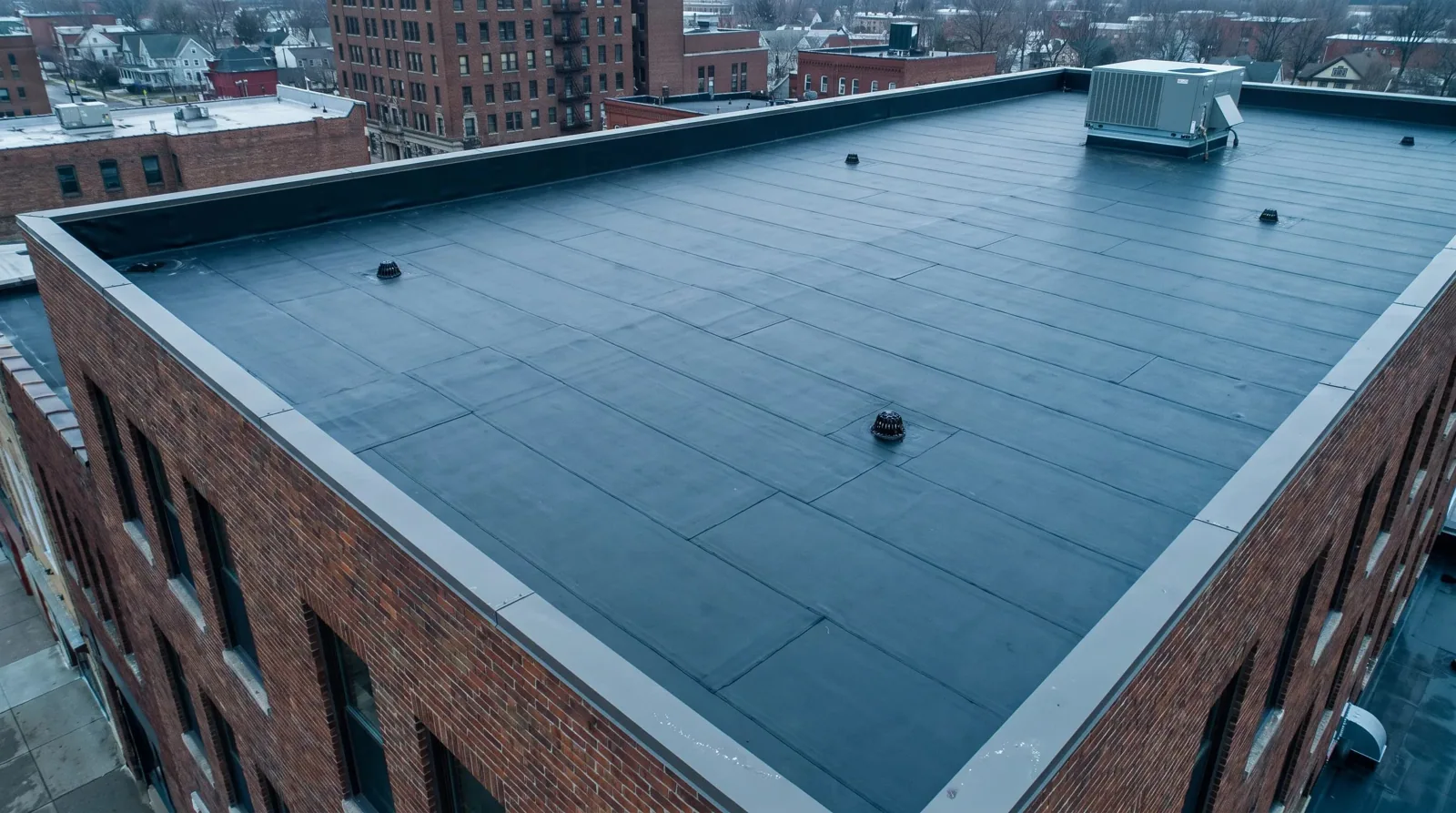
Office roofs commonly carry drains, scuppers, plumbing vents, rooftop units, and access walks across the same field. We inspect outlets, strainers, crickets, low areas, and wall intersections to see whether runoff reaches the drain without crossing a weak transition. Clearing debris can solve a restricted outlet, but it cannot correct deck deflection or a poorly formed sump. We record each condition and distinguish routine maintenance from an architectural or membrane correction.
Everett's wettest months fall in late autumn and winter, and occasional freezing nights can make water at exposed metal edges relevant. A We inspect each roof’s outlets and low areas during the visit, then set follow-up from observed conditions. We compare stains and leak reports with roof observations, then note whether the area was dry, damp, or under standing water at the time of inspection. A maintenance visit can keep outlets visible between major projects, while the property team retains a dated record of recurring low points.
Compare repair and replacement by roof zone
An office property may have separate roof sections above an original structure, a later addition, or a mechanical penthouse. We inspect exposed membrane edges, seams, insulation, deck transitions, parapets, and prior repair materials to identify the assembly. A single building can include more than one system, so a replacement proposal should not assume the same method works everywhere. Test openings can confirm moisture or deck condition where that finding would change recover eligibility or the removal boundary.
When a localized seam or flashing defect is found over dry, sound material, a repair can preserve the surrounding roof. If deterioration or wet insulation crosses multiple zones, replacement or selective tear-off may offer a clearer boundary. An adjacent medical office roof evaluation addresses sensitive clinical scheduling, while hotel roofing considers guest and service access; the same property may still require an office-specific roof map. The owner's decision should compare access, disruption, moisture, and long-term maintenance with the evidence gathered.
Schedule work around tenants and building access
Work over occupied offices may require protection at entrances, controlled material movement, service-lift reservations, and temporary restrictions around mechanical equipment. We confirm those requirements with management before staging. Repairs can be sequenced by roof zone, with each open area closed before the crew shifts to another location. If work requires heat, adhesives, noise, or a crane, the owner needs that information early enough to coordinate tenants and building operations.
Everett's wet-season rain can narrow the dry-in window. We stage the needed material and confirm tenant access before disturbing the membrane, then close each zone within the agreed work period. We check forecast, surface moisture, and cure conditions for the selected system. For immediate interior exposure, emergency protection can address the opening while permanent work is planned. A complex project near Metro Everett may involve loading and public access constraints, but the work plan is set for the property, tenant needs, and actual roof condition.
Give management a practical follow-up record
The closeout identifies which roof sections were inspected, what repairs were completed, and any areas that could not be reached. We use photos tied to drains, curbs, walls, or grid references so a future visit can return to the same location. The report records material preparation, moisture tests, and open items, then separates completed permanent work from temporary protection. That detail helps management answer tenant questions without overstating what the inspection confirmed.
A roof record can also guide a recurring maintenance visit and capital planning. When a tenant reports a later ceiling change, staff can compare the room, date, weather, and roof zone with previous findings. This is more useful than a blanket note that the building was inspected. Provide any roof plans, tenant access rules, leak history, and recent mechanical work before an evaluation so the inspection can be planned from observed evidence and building use.
Commercial Roofing Questions
Why can an office ceiling leak when the roof looks intact?
Water can move below the membrane before reaching the room, and condensation or plumbing can produce a similar symptom. We compare timing, location, and roof details before assigning the cause.
How do you limit disruption to tenants during roof work?
We coordinate access, staging, protection, and work windows with the property contact. Each repair zone is sequenced with a defined dry-in and any required interior clearance.
Does a roof replacement require tenants to leave the building?
Many projects can be phased while the property remains occupied, subject to safety, access, noise, and installation conditions. The plan identifies any temporary restrictions before work starts.
What if only one office wing has a repeated leak?
We inspect that zone and its transitions, then compare moisture and material condition with the adjacent roof. A localized repair is considered only when the surrounding assembly supports it.
Which records help with an office roof evaluation?
Roof plans, leak reports, prior repairs, mechanical replacements, and tenant access rules help focus the visit. We verify current conditions rather than assuming old drawings remain exact.
Questions Owners Ask
Why can an office ceiling leak when the roof looks intact?
Water can move below the membrane before reaching the room, and condensation or plumbing can produce a similar symptom. We compare timing, location, and roof details before assigning the cause.
How do you limit disruption to tenants during roof work?
We coordinate access, staging, protection, and work windows with the property contact. Each repair zone is sequenced with a defined dry-in and any required interior clearance.
Does a roof replacement require tenants to leave the building?
Many projects can be phased while the property remains occupied, subject to safety, access, noise, and installation conditions. The plan identifies any temporary restrictions before work starts.
What if only one office wing has a repeated leak?
We inspect that zone and its transitions, then compare moisture and material condition with the adjacent roof. A localized repair is considered only when the surrounding assembly supports it.
Which records help with an office roof evaluation?
Roof plans, leak reports, prior repairs, mechanical replacements, and tenant access rules help focus the visit. We verify current conditions rather than assuming old drawings remain exact.
Connect tenant reports to roof evidence
Schedule an Everett office-building roof inspection. We will trace reported symptoms, review equipment and drains, and document a repair or replacement boundary.
Related Roofing Work
- Commercial Roof Inspection
- Commercial Roof Condition Reports
- Occupied Building Reroofing
- Rooftop Equipment Curbs and Supports
- TPO Roofing
- Preventive Roof Maintenance
- Medical Office Roofing
- Hotel Roofing
Browse every page in Property Types We Roof, or request a roof assessment and we will walk the roof with you.
Questions about this roof? Call 555-555-5555.