

Commercial Roof Repair, Replacement & Maintenance
Senior Living Roofing in Everett, WA
A damp patch in a resident room can call for two coordinated checks: a search for roof entry and a plan for safe access before testing opens the assembly. We map the room, date, and reported symptom, then inspect the roof details above it, including seams, penetrations, drains, and wall transitions. Snohomish County includes healthcare and public-sector employment, and Metro Everett serves as a civic and commercial center with housing and transportation activity. Care routines and building layouts vary by community, so the facility team sets access, quiet periods, and interior protection needs. A roof inspection can trace the water path, while a condition report gives maintenance and operations staff clear findings and follow-up points.
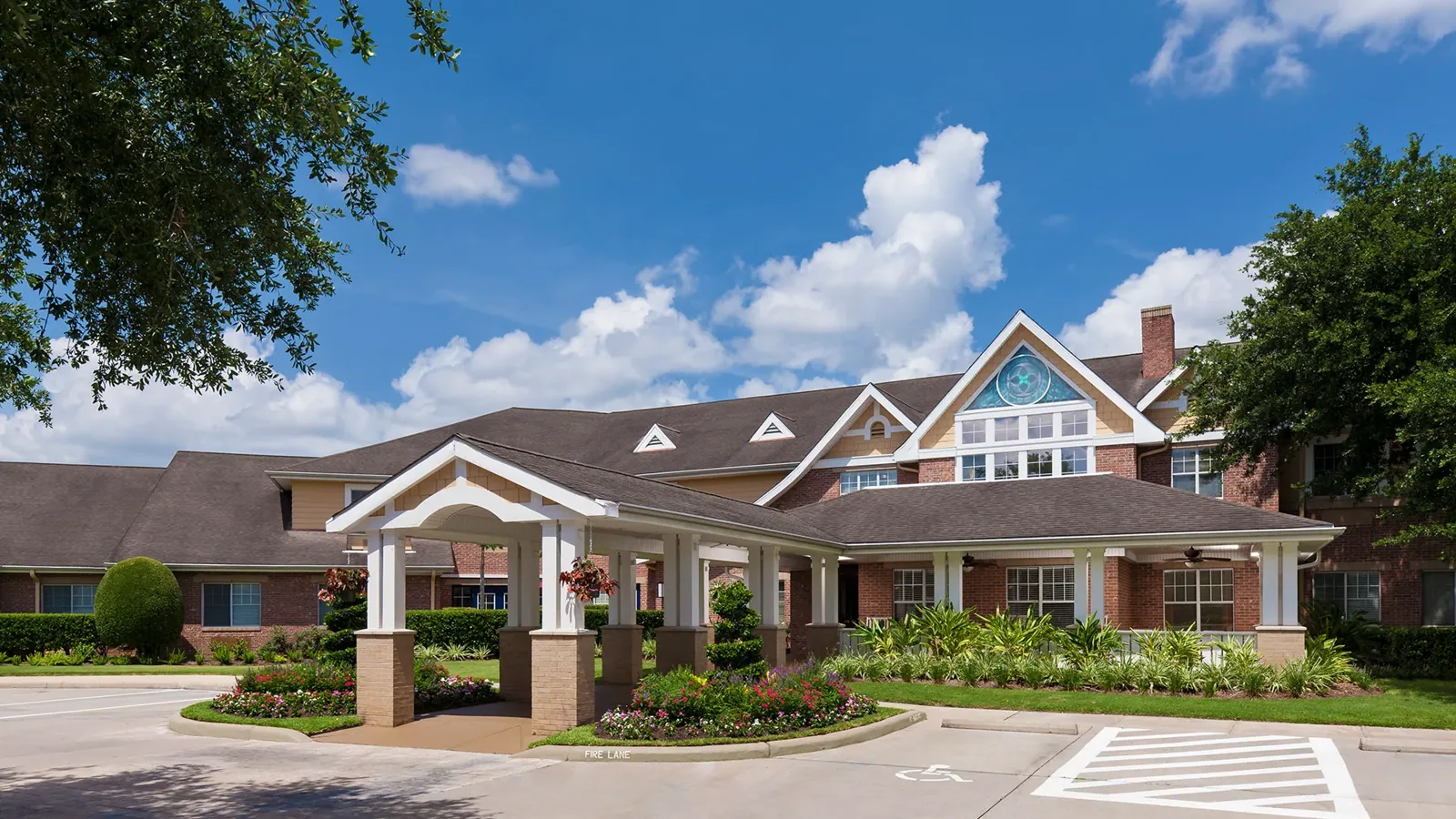
Protect resident routines during roof access
Residents may use outdoor paths, common rooms, dining spaces, and care areas on a regular schedule. We coordinate crew movement, lift staging, noise, and any temporary closure with the facility contact before entering the roof. If a repair zone sits above an occupied room, the plan should identify overhead protection and a watertight stopping point before work begins. Staff determine whether a resident room or corridor needs temporary access limits.
The inspection can be divided by wing, roof height, or work type, but the boundary should follow membrane transitions and drainage rather than convenience alone. Management may also have quiet hours or activity periods when roof work must pause. A phased occupied-building plan can define those windows and communicate access impacts. For apartment properties in the same portfolio, multifamily roof planning addresses resident notice and unit-level reports, while senior communities may need additional coordination with care operations.
Check water paths around rooms and common areas
Water may travel beneath a membrane and emerge at an interior ceiling away from the roof opening. We compare the room location with roof slopes, drains, scuppers, parapets, and penetrations to trace a likely path. A drain restriction can raise water toward a weak seam; a roof low point may continue to hold water after debris is removed. We document both the outlet and the surrounding membrane instead of assuming a wet floor below a drain proves that the bowl failed.
Everett's heaviest normal rainfall occurs in November, January, and December, so clear drainage and secure edges matter as wetter months approach. Occasional freezing nights can affect wet walking surfaces and metal transitions. Plan drain checks before the wet season and confirm the actual roof condition during the site visit. A drain and scupper inspection can define maintenance or repair needs, and a temporary roof response can reduce active exposure while permanent work is planned.
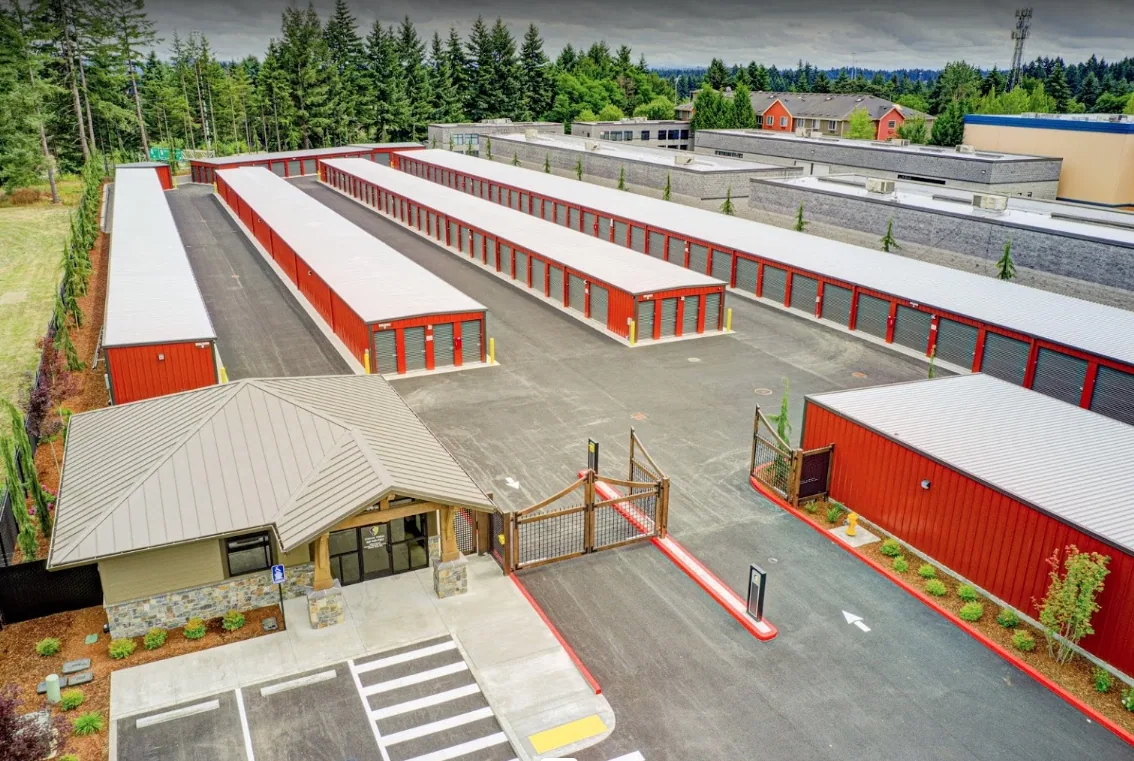
Inspect mechanical curbs and service routes
Heating, cooling, exhaust, and kitchen systems can create roof penetrations above resident rooms and common spaces. We inspect curb corners, flashing terminations, pipe collars, supports, and the membrane along service paths for movement or abrasion. A unit replacement may leave an abandoned penetration or a curb that no longer matches the flashing. Equipment service can also displace walk pads, making repeated access a risk to the roof field.
We coordinate any equipment shutdown with facility operations, while our scope addresses the roof connection and its water-shedding detail. Staff can identify restricted rooms, roof keys, and mechanical areas that need escort. If a building includes an outpatient or clinic area, medical-office roof planning can account for patient scheduling, but the senior community sets its own resident-care access rules. We record each area that could not be reached during the visit.
Test concealed material before replacing a roof zone
A ceiling mark may stop after a dry spell while insulation beneath the membrane remains wet. We inspect accessible materials, compare findings with leak dates, and use moisture readings or test cuts where hidden condition could change the repair. Infrared screening can help select a location under suitable conditions, and we pair those readings with a moisture test or targeted opening before mapping wet insulation. A test opening can reveal layers, deck condition, and the limits of a repair boundary when that answer changes the scope.
Testing above resident areas should be planned with interior protection and a clear restoration sequence. We identify the test point, record what was found, and separate confirmed moisture from adjacent areas that remain untested. When moisture is local and the substrate remains sound, a focused repair may protect unaffected sections. If the wet area extends into additional wings or transitions, the report should explain which follow-up opening would confirm the broader boundary before a replacement scope is set.
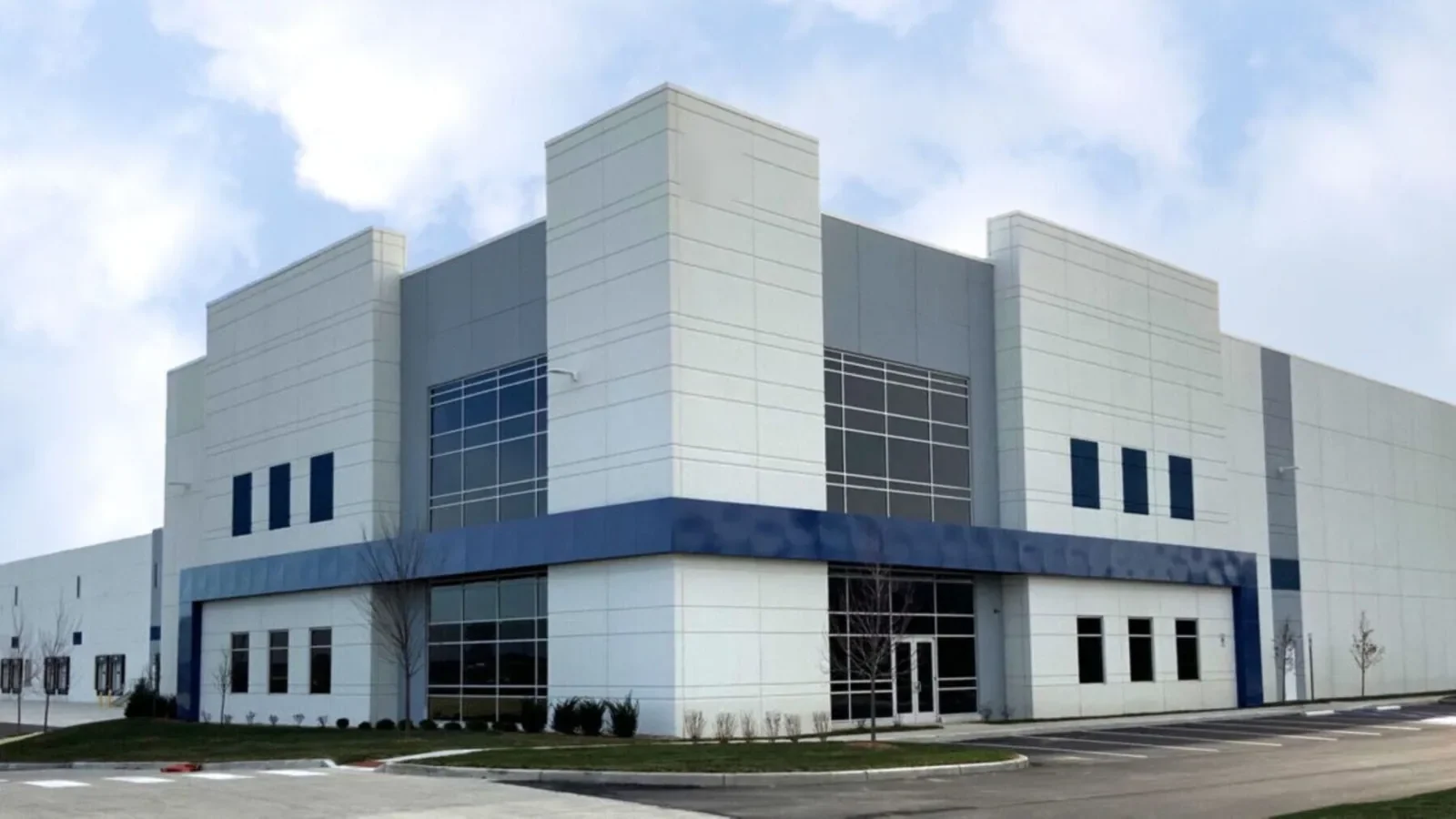
Set the dry-in window before staging materials
Everett's higher monthly rainfall arrives in late autumn and midwinter, while below-freezing night readings recur through the year. We plan access and temporary closures for those conditions. We select a work sequence that opens only what can be closed before conditions change. Material, protection, and staging should be ready before the first seam or penetration is disturbed. The crew checks drains, temporary tie-ins, and paths back to the hatch before leaving the site.
Senior communities may schedule deliveries, meals, activities, and care routines throughout the day. The facility contact helps identify a quiet period and the safest route for materials, while we record where lifts or work barriers will sit. If an active leak cannot wait for a planned project, emergency protection can be handled first and permanent repair later. A written phase list keeps each roof zone tied to its access window, interior protection, and closure point.
Give maintenance staff a record they can revisit
The closeout identifies roof sections inspected, the assembly observed, drains and curbs checked, moisture tests, and repairs completed. Photos connect each repair to a wing, parapet, or roof feature so the maintenance team can return to the same spot. We list temporary protection separately and state which area needs later confirmation. Label roof plans by building and roof zone, and keep resident names and room identifiers off the drawing.
For properties near Metro Everett or in Mill Creek, local rainfall patterns help with inspection timing, while the facility's own operating schedule guides the visit. Share roof plans, repair history, reported dates, and access rules when arranging an evaluation. We will trace the condition, coordinate around resident routines, and define the repair or testing scope supported by the field evidence. If a later report concerns the same wing, staff can compare its date and interior location with the roof-zone map. That helps distinguish a returning symptom from a separate transition without exposing resident information in the maintenance record. The record can also name the next inspection season and any drain or flashing task for routine staff.
Commercial Roofing Questions
Can roof work happen while residents remain in their rooms?
Some projects can be phased with residents in place if access, overhead protection, noise, and installation conditions allow. The facility contact sets room and corridor restrictions before work begins.
What should staff do when a ceiling stain appears?
Record the room, date, weather, and whether the mark changes after rain or equipment cycles. We use that information with roof conditions to trace the likely route.
Do drains need attention before winter?
Clear outlets and overflows are useful before heavier seasonal rain. We inspect the drain and nearby membrane to distinguish routine cleaning from a flashing or slope repair.
Can you check for wet insulation without opening the roof?
Readings or infrared screening can help target an area under suitable conditions. A controlled opening may be needed to confirm concealed layers when that answer changes the repair boundary.
How is emergency protection recorded?
We identify the temporary area, materials used, remaining risk, and permanent work still required. Follow-up is scheduled when access and weather support the repair.
Questions Owners Ask
Can roof work happen while residents remain in their rooms?
Some projects can be phased with residents in place if access, overhead protection, noise, and installation conditions allow. The facility contact sets room and corridor restrictions before work begins.
What should staff do when a ceiling stain appears?
Record the room, date, weather, and whether the mark changes after rain or equipment cycles. We use that information with roof conditions to trace the likely route.
Do drains need attention before winter?
Clear outlets and overflows are useful before heavier seasonal rain. We inspect the drain and nearby membrane to distinguish routine cleaning from a flashing or slope repair.
Can you check for wet insulation without opening the roof?
Readings or infrared screening can help target an area under suitable conditions. A controlled opening may be needed to confirm concealed layers when that answer changes the repair boundary.
How is emergency protection recorded?
We identify the temporary area, materials used, remaining risk, and permanent work still required. Follow-up is scheduled when access and weather support the repair.
Plan a roof inspection around resident care
Schedule an Everett senior-living roof inspection. We will trace reported leaks, review drains and equipment details, and coordinate access with facility staff.
Related Roofing Work
- Commercial Roof Inspection
- Commercial Roof Condition Reports
- Occupied Building Reroofing
- Apartment Building Roofing
- Medical Office Roofing
- Metro Everett
Browse every page in Property Types We Roof, or request a roof assessment and we will walk the roof with you.
Questions about this roof? Call 555-555-5555.