Commercial Roof Repair, Replacement & Maintenance
Restaurant Roofing in Everett, WA
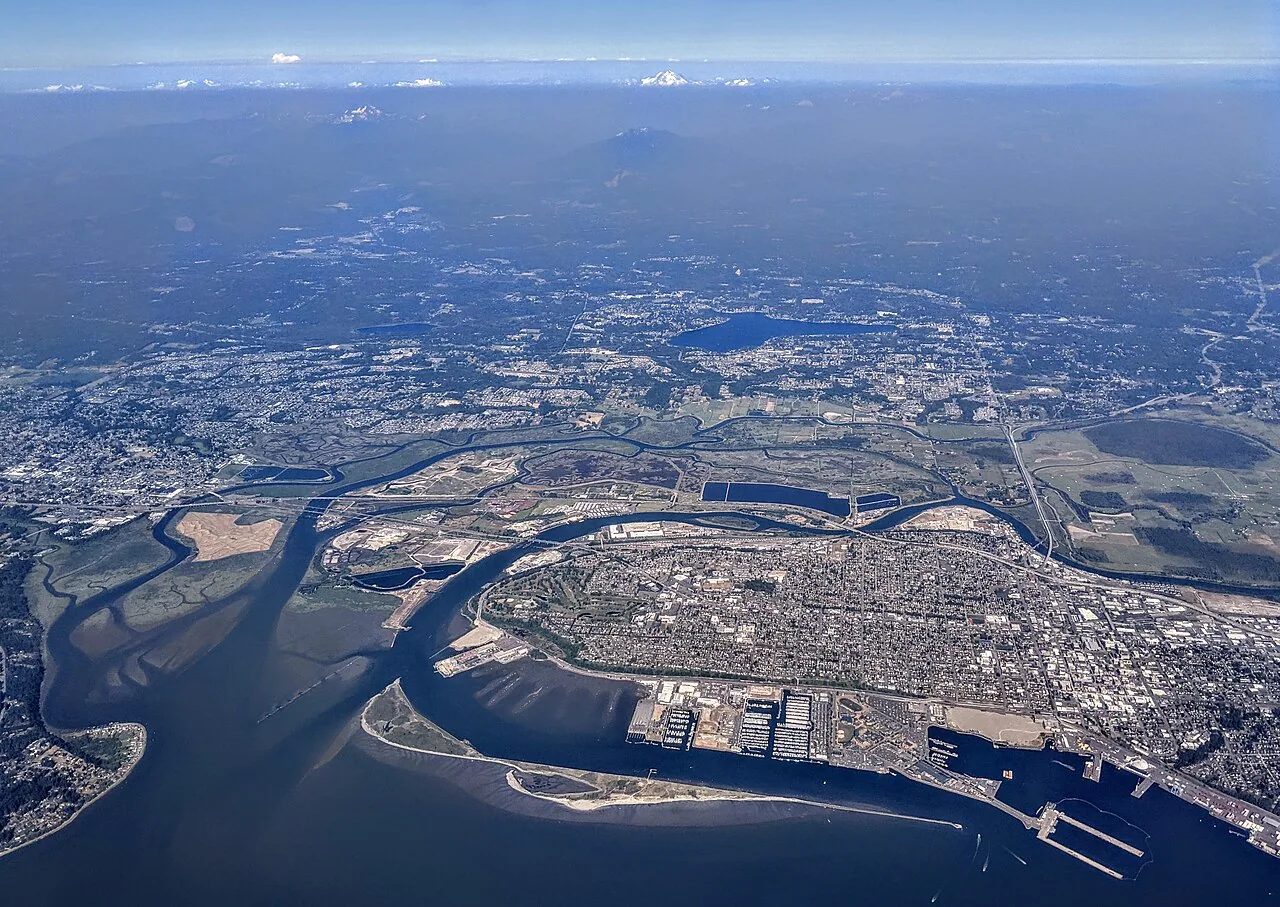
A water mark near a kitchen hood or dining room may come from roof entry, condensation, plumbing, or exhaust equipment. We compare the report with roof penetrations, curb flashing, drains, and the time the symptom appeared before assigning a cause. Metro Everett and the Everett Mall Area are established commercial centers, while Evergreen Way connects retail and service areas across the city. Those local districts provide context for access and schedules, not evidence about a particular restaurant roof. We inspect the actual assembly and coordinate with the operator. A roof inspection maps conditions, and a drain and scupper review checks outlets that may be affected by kitchen service or roof debris.
Inspect hood and exhaust transitions
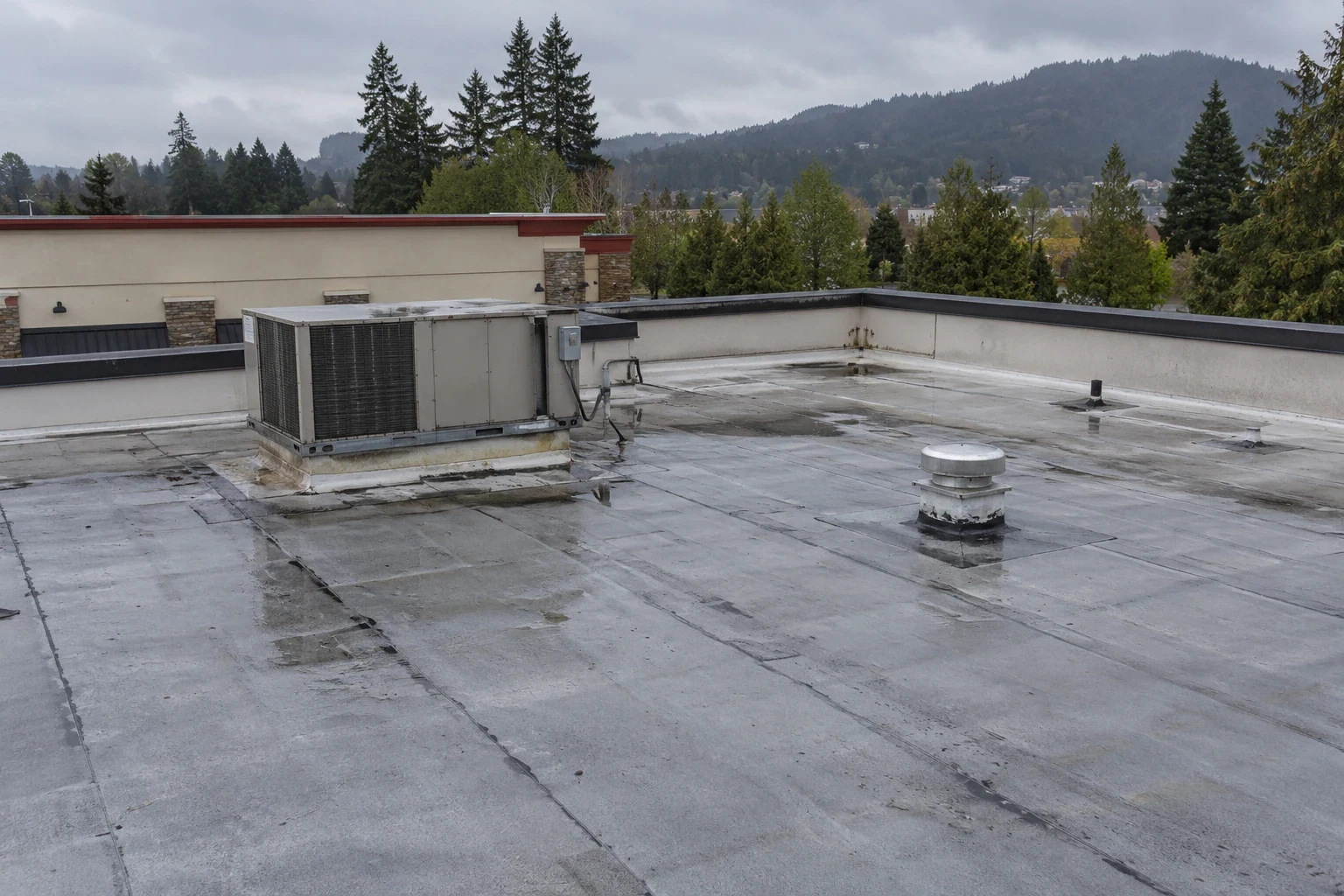
Kitchen exhaust hoods, ducts, and fans cross the roof at curbs that see heat, vibration, and recurring service. We check counterflashing, curb corners, support feet, membrane seams, and any visible residue or deterioration around the equipment. A hood replacement or duct change can leave a curb opening, unused fasteners, or a flashing shape that no longer matches the roof detail. We photograph the transition and identify what must be rebuilt before a surface coating or patch is considered.
Cleaning and service staff may need frequent roof access, so the travel route should be protected and kept away from drains. We note pads or walkways that have moved and any new penetrations added during equipment work. A curb and support review can identify which detail needs rebuilding before a new hood or fan is returned to service. If an exhaust curb needs repair, curb and equipment support work can be coordinated with the membrane detail. The restaurant contact confirms any shutdown or kitchen-service window; roofing work does not determine how exhaust equipment is operated.
Set the work window around meal service
Restaurant activity changes through the day, and work above a dining room may need to avoid food preparation, deliveries, customer entry, and staff movement. We coordinate staging and roof access with the operator, identify any interior area that needs protection, and set an agreed time for noisy or disruptive work. If a roof zone must be opened, we keep the work boundary small enough to restore before leaving and protect the room below while the condition is checked.
Metro Everett's office, civic, and transportation activity differs from commercial centers along Evergreen Way or near Everett Mall Area. A restaurant's actual loading, parking, and opening schedule still controls. We confirm the route for material delivery, lift staging, roof hatch access, and any limits on public entrances. In a multi-tenant retail property, shared-center roof planning can address tenant boundaries; a standalone food store may have equipment and delivery patterns closer to a grocery roof evaluation.
Keep runoff away from service areas
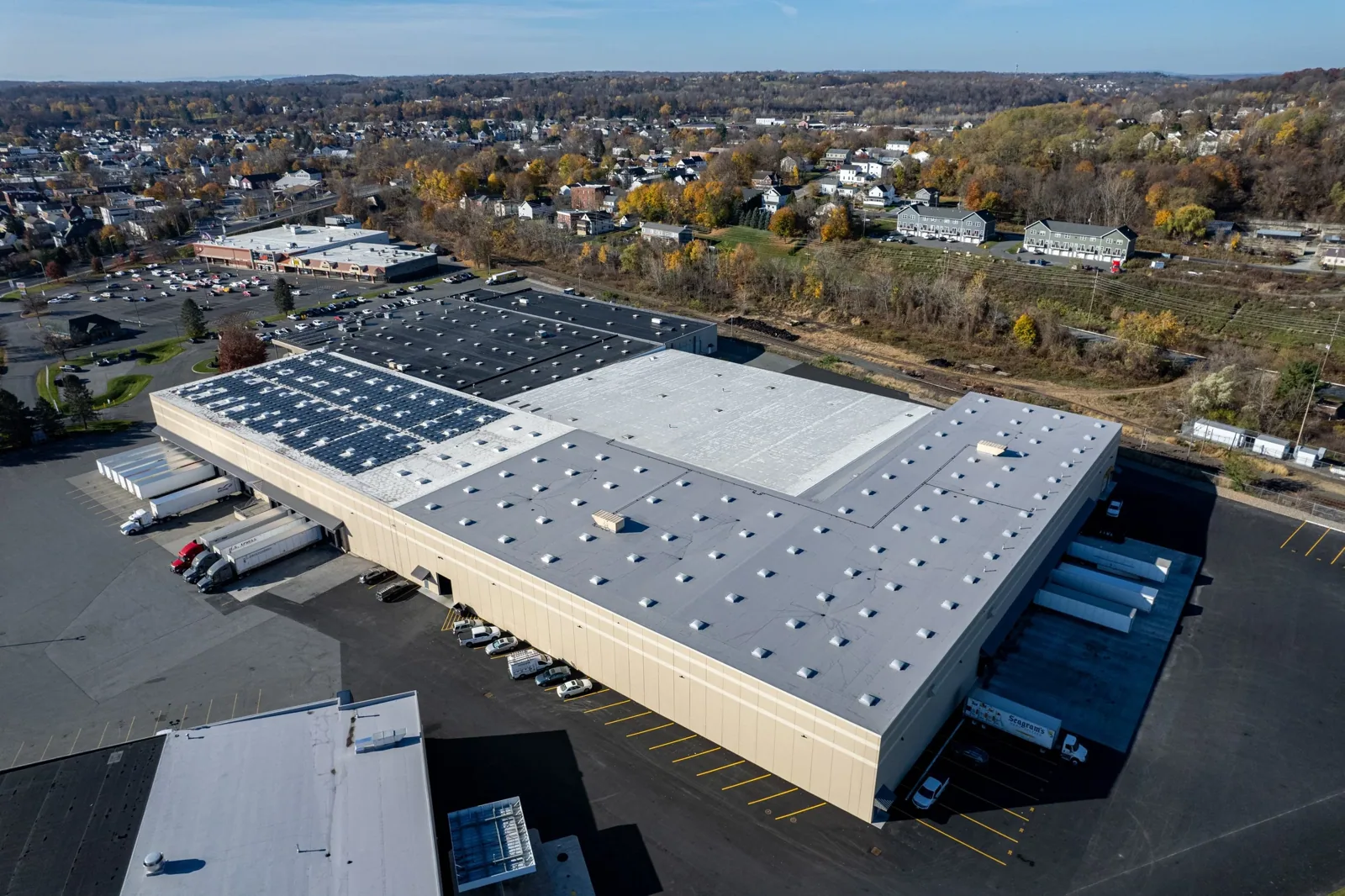
Water can collect behind an exhaust curb or cross a low roof area before reaching an outlet. We trace runoff, inspect strainers and drain bowls, and check the membrane around grease-exhaust equipment for deterioration or repeated patching. If an outlet is obstructed, cleaning may restore flow; if a low point remains after the drain is cleared, slope or flashing correction may be needed. We note whether the downspout or scupper discharges near a loading or customer route that needs protection during work.
Everett's wettest normal months are November, January, and December, which makes outlet maintenance particularly useful before winter rain. The We test the building condition and compare the roof map with interior symptoms before naming a leak path. A drain that appears clear at the bowl can still have a downstream restriction. Where persistent ponding or backflow is observed, we document the extent and schedule a corrective review rather than cover the area with coating. A preventive roof visit can inspect the outlet and record recurring debris or flashing concerns.
Separate roof leaks from kitchen moisture
Restaurants produce steam, heat, and frequent equipment cycles, so interior moisture may form below a roof even when the membrane is intact. We compare leak timing with rain, cooking activity, HVAC operation, and plumbing use. Roof inspection checks the outside details and accessible interior signs; a test opening can verify insulation condition where the answer affects the scope. The report separates confirmed entry from condensation or an unresolved source.
Water over food storage, electrical panels, or a dining area needs prompt attention regardless of the final cause. We identify the safe boundary, help protect affected contents, and inspect above the area without asserting that every wet ceiling comes from the roof. If active water is entering through a verified roof opening, emergency protection can limit exposure while the permanent repair is scoped. Follow-up testing can map wet insulation and document how far the condition extends.
Close each roof zone before weather shifts
Everett's heavier rain arrives in late fall and winter; cold nights can freeze water at exposed transitions and make rooftop access less predictable. A repair needs suitable conditions for preparation, adhesion, and closure. We stage material before opening the roof, protect drains, and sequence work so every disturbed edge has a temporary or permanent watertight boundary at the end of the shift. The crew checks that the access route remains safe for the operator or future service technicians.
Delivery activity around the Port and regional highways may influence how supplies reach a property, but the restaurant contact sets the receiving schedule. We plan lift locations and material movement around customer access and food deliveries, then confirm who can authorize an on-site weather stop. If a wider replacement is needed, each roof zone receives a separate dry-in plan, expected access limits, and a path for keeping kitchens and dining areas functional where feasible. We set a contact for weather decisions and record who can authorize a pause when conditions no longer support safe application.
Keep exhaust and roof repairs in one record
The closeout shows which curb, drain, seam, or flashing was repaired, what material was observed, and where moisture testing occurred. Photos should relate the work to the hood or roof zone so later kitchen service can avoid damaging a completed detail. We identify maintenance items such as drain cleaning separately from membrane repairs and note any temporary protection that needs another visit. The operator can keep the roof map with mechanical service records.
For a restaurant near Evergreen Way and Casino Road, the service-area name describes a broader commercial corridor, not one tenant address. Provide equipment service dates, leak timing, roof plans, and the preferred work window when arranging an inspection. We will trace the condition and coordinate a repair scope around the restaurant's operating plan.
Commercial Roofing Questions
Could a hood exhaust cause a roof leak?
A curb, duct penetration, or support can fail as equipment moves or is replaced. We inspect the flashing and adjacent membrane, then document whether the detail explains the interior symptom.
Can repairs be made between meal periods?
A short repair may fit a defined window if weather, access, and material conditions allow. We coordinate noise, staging, and any interior protection with the operator before opening the roof.
How do you tell kitchen condensation from roof entry?
We compare weather, equipment operation, plumbing use, interior pattern, and roof details. Testing may be required where concealed moisture or multiple sources remain possible.
Will roof coating solve ponding near the exhaust fan?
A coating cannot correct a blocked outlet, slope problem, or unstable curb. We inspect drainage and the equipment transition before considering a compatible restoration system.
What should the restaurant send before the inspection?
Share roof access rules, hood-service dates, leak timing, affected rooms, and available roof plans. We will use those details to target the roof walk and protect operating areas.
Questions Owners Ask
Could a hood exhaust cause a roof leak?
A curb, duct penetration, or support can fail as equipment moves or is replaced. We inspect the flashing and adjacent membrane, then document whether the detail explains the interior symptom.
Can repairs be made between meal periods?
A short repair may fit a defined window if weather, access, and material conditions allow. We coordinate noise, staging, and any interior protection with the operator before opening the roof.
How do you tell kitchen condensation from roof entry?
We compare weather, equipment operation, plumbing use, interior pattern, and roof details. Testing may be required where concealed moisture or multiple sources remain possible.
Will roof coating solve ponding near the exhaust fan?
A coating cannot correct a blocked outlet, slope problem, or unstable curb. We inspect drainage and the equipment transition before considering a compatible restoration system.
What should the restaurant send before the inspection?
Share roof access rules, hood-service dates, leak timing, affected rooms, and available roof plans. We will use those details to target the roof walk and protect operating areas.
Inspect the roof without losing the service window
Schedule an Everett restaurant roof inspection. We will review exhaust transitions, drains, and leak evidence, then coordinate a practical work window.
Related Roofing Work
- Commercial Roof Inspection
- Rooftop Equipment Curbs and Supports
- Shopping Center Roofing
- Grocery Store Roofing
- Preventive Roof Maintenance
- Evergreen Way and Casino Road
Browse every page in Property Types We Roof, or request a roof assessment and we will walk the roof with you.
Questions about this roof? Call 555-555-5555.