

Commercial Roof Repair, Replacement & Maintenance
Auto Dealership Roofing in Everett, WA
A drip over a showroom display or service lane can affect vehicles, electrical equipment, and customer movement before the roof entry is found. We compare the reported location with membrane seams, drains, unit curbs, skylights, and wall transitions, then map the likely water path. Everett Mall Area and Evergreen Way are commercial corridors, while the Port and Paine Field support different industrial and aviation activity around the city. Those place facts do not establish an auto property's roof or tenant layout. We verify the building and work schedule directly. A roof inspection can document the condition, and a repair assessment can define a response once the entry detail is confirmed.
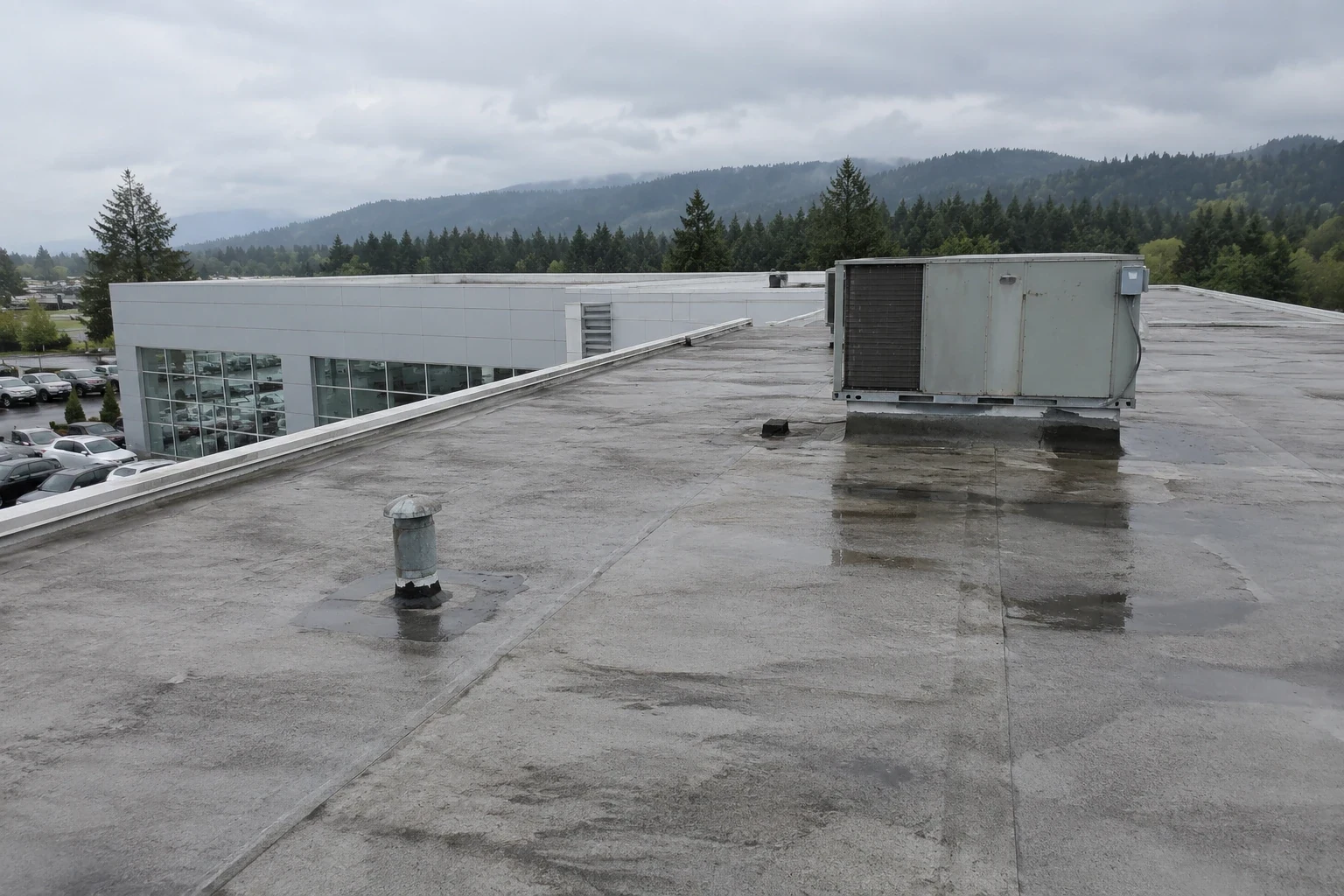
Protect showroom finishes and inventory
Showrooms can include glazed entries, finished ceilings, lighting tracks, and display areas that need protection if roof testing is required. We map the interior report against roof elevations and inspect accessible details above the affected zone. Water may run from a roof curb or seam along the deck before reaching a ceiling grid. We avoid placing a patch at the visible stain until the roof route supports that choice. Any test opening should have an interior protection plan and a defined restoration boundary.
Dealership managers can identify when vehicles move through the showroom, where customer traffic crosses a repair area, and which display zones cannot be closed. We coordinate staging and roof access to preserve the public entrance and keep tools away from vehicle paths. At an auto group with several buildings, each showroom, service bay, and parts area should have its own roof map. A large retail roof evaluation considers broad sales-floor exposure, while a warehouse roof inspection focuses on storage and loading demands that may overlap with parts operations.
Inspect exhaust and service-bay roof details
Service bays may have exhaust outlets, ventilation equipment, overhead doors, and piping that cross or terminate at the roof. We inspect the curb, flashing, fasteners, membrane, and any panel seams near the equipment. Repeated service access can abrade walkway protection or loosen a detail. If a unit was replaced, abandoned holes or a changed curb footprint may remain. We document the equipment interface and nearby roof surface rather than assuming the exhaust itself caused an interior leak.
Operations may require lifts, deliveries, vehicle movement, or a temporary bay closure. The dealership contact identifies the route and schedule, while the roofing plan protects drains and prevents materials from falling toward customer or vehicle areas. If an opening is active, emergency protection can be arranged before a wider repair scope is priced. A metal roof on a service wing needs review of panel movement and fastener lines; membrane sections follow different repair methods.
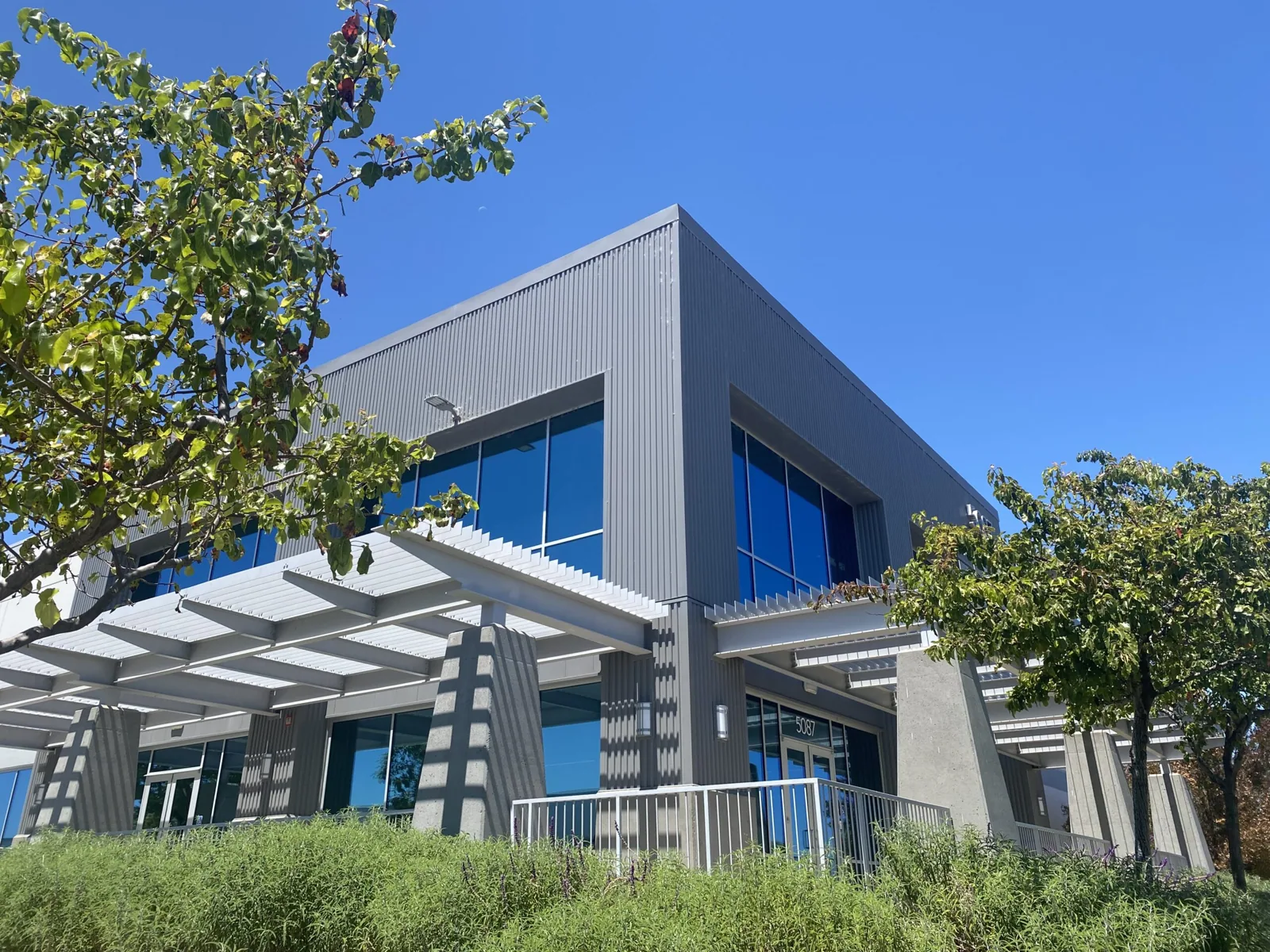
Trace runoff around canopies and roof breaks
A canopy, showroom addition, or service wing can change roof elevation and redirect water toward a gutter or wall. We inspect the drainage path, scuppers, downspouts, edge metal, and the transition to the adjoining roof. A slow drain can create water near a seam, but a low area may remain after debris is removed. The repair boundary should include the detail that interrupts flow, not only the place where water became visible inside.
Rainfall peaks again in Everett during November and midwinter, while overnight freezes recur periodically. That combination can leave metal door edges wet and make safe roof access less predictable. We check drains and transitions during the inspection and note whether water was present. A drain and scupper service can address a restricted outlet or flashing defect; regular maintenance can record recurring debris before it reaches the roof field. We do not infer a drainage problem from weather alone. A maintenance review can record recurring outlet debris and verify that service routes remain clear between major projects.
Confirm hidden damage before coating or recover
A ceiling mark over a service lane can stop after rain passes while wet insulation remains. We inspect accessible membrane edges, prior patches, penetrations, and deck transitions, then use targeted readings or test cuts if moisture extent changes the decision. An infrared pattern may indicate an area for closer review under suitable conditions, but the layer condition must be verified. The report states which zones were tested and what remained concealed.
If moisture is local to a curb and surrounding materials are sound, a targeted repair may be appropriate. If the wet area extends across a broader section or deck condition is affected, selective removal or replacement may need comparison. We separate the options and the evidence behind them. A coating should not hide a weak seam or wet assembly. Vehicle operations and indoor finishes can influence work sequence, but they do not change the technical findings.
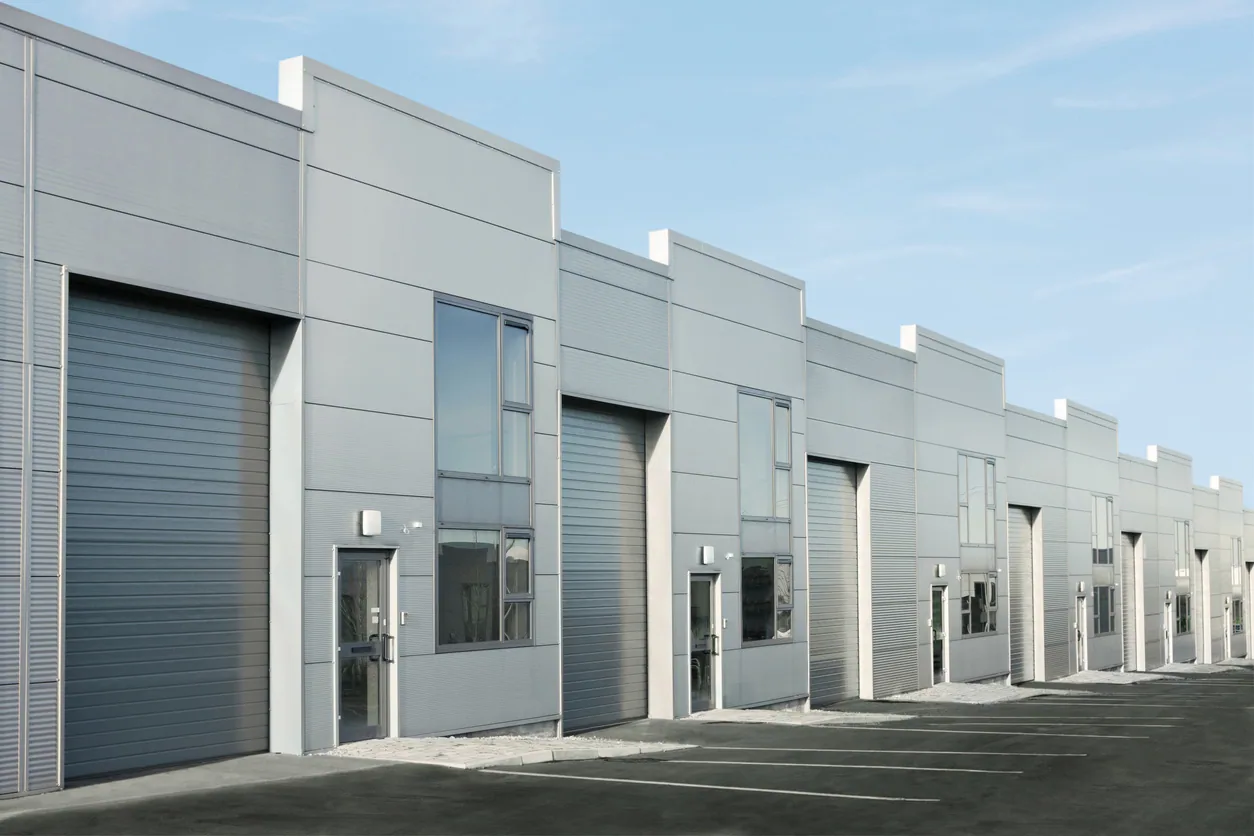
Coordinate work with sales and service traffic
Dealerships may have customer hours, vehicle deliveries, service appointments, and parts shipments that affect roof access. We agree on staging and traffic boundaries with management before bringing a lift or materials to the property. If a repair crosses a service lane, the plan names which bay is restricted and when it can reopen. Work above a public entrance or showroom needs clear overhead protection and a predictable end-of-shift closure.
Everett Mall Area and Evergreen Way have different street patterns, while regional freight routes connect properties to Port and industrial activity. The dealership provides exact delivery and access limits. Everett's rainy season can shorten dry-in windows, so material readiness and weather monitoring come before opening a membrane. If the facility needs an urgent response, a temporary measure should have a documented boundary and a return plan for permanent repair.
Keep the repair record tied to each building zone
The closeout records roof material, repair area, drains, equipment details, moisture tests, and any zone that needs follow-up. Photos show the repair in relation to a curb, canopy, or roof grid so maintenance staff can find it later. We note whether protection is temporary or permanent and list any access restriction that prevented a complete inspection. Separate roof maps help an auto group compare sites without assuming one property's findings apply to another.
For a dealership near Everett Mall Area or Evergreen Way, the corridor name describes broad commercial context, not a single business address. Provide plans, leak dates, recent equipment work, and the preferred service window when scheduling. We will trace the condition and define repair or testing needs with customer, inventory, and bay access in view. The follow-up record can note which repairs need a return check after heavy rain or the next equipment service visit.
Commercial Roofing Questions
Could a service-bay exhaust create a roof leak?
The curb, flashing, support, or adjacent membrane can fail even when the equipment itself operates. We inspect the transition and compare it with the reported interior location.
Can roofing work continue while vehicles are in the service area?
The manager identifies safe vehicle routes and any bay that must close. We stage materials away from those paths and define the overhead protection needed for each phase.
Why does water show up in a showroom away from the roof drain?
A deck or membrane slope may carry water across the building before it reaches the interior. We map the route from the stain to seams, curbs, and transitions.
Should we coat a dealership roof after a leak?
Only after the assembly, moisture, compatibility, and drainage are checked. A coating cannot correct wet insulation, a failed curb, or a low area that needs slope work.
What information helps plan a dealership roof visit?
Roof plans, reported rooms or bays, service schedules, equipment changes, and delivery restrictions help us coordinate. We verify current conditions before setting the work boundary.
Questions Owners Ask
Could a service-bay exhaust create a roof leak?
The curb, flashing, support, or adjacent membrane can fail even when the equipment itself operates. We inspect the transition and compare it with the reported interior location.
Can roofing work continue while vehicles are in the service area?
The manager identifies safe vehicle routes and any bay that must close. We stage materials away from those paths and define the overhead protection needed for each phase.
Why does water show up in a showroom away from the roof drain?
A deck or membrane slope may carry water across the building before it reaches the interior. We map the route from the stain to seams, curbs, and transitions.
Should we coat a dealership roof after a leak?
Only after the assembly, moisture, compatibility, and drainage are checked. A coating cannot correct wet insulation, a failed curb, or a low area that needs slope work.
What information helps plan a dealership roof visit?
Roof plans, reported rooms or bays, service schedules, equipment changes, and delivery restrictions help us coordinate. We verify current conditions before setting the work boundary.
Inspect the roof without blocking dealership operations
Schedule an Everett auto-dealership roof inspection. We will trace reported water, review exhaust and drainage details, and coordinate the work zone with management.
Related Roofing Work
- Commercial Roof Inspection
- Commercial Roof Repair
- Big-Box Retail Roofing
- Warehouse Roofing
- Preventive Roof Maintenance
- Everett Mall Area
Browse every page in Property Types We Roof, or request a roof assessment and we will walk the roof with you.
Questions about this roof? Call 555-555-5555.