

Commercial Roof Repair, Replacement & Maintenance
Commercial Roofing for Logistics and 3PL Operators in Everett, WA
A roof leak above a sort line, dock door, or pallet position can interrupt more than the space directly below it. For logistics and third-party distribution operators, the first useful step is to locate the roof zone, determine how water is moving, and protect the active operation while the condition is evaluated. We inspect seams, drains, penetrations, edge details, and transitions, then distinguish a confirmed opening from a suspected path. Everett's industrial base includes the Port of Everett, BNSF Delta rail yard, Boeing's assembly plant, and extensive warehousing and shipping activity. These operations make access and staging important planning details. A commercial roof inspection records observed conditions; a multi-site roof program helps operators keep separate facilities and findings organized.
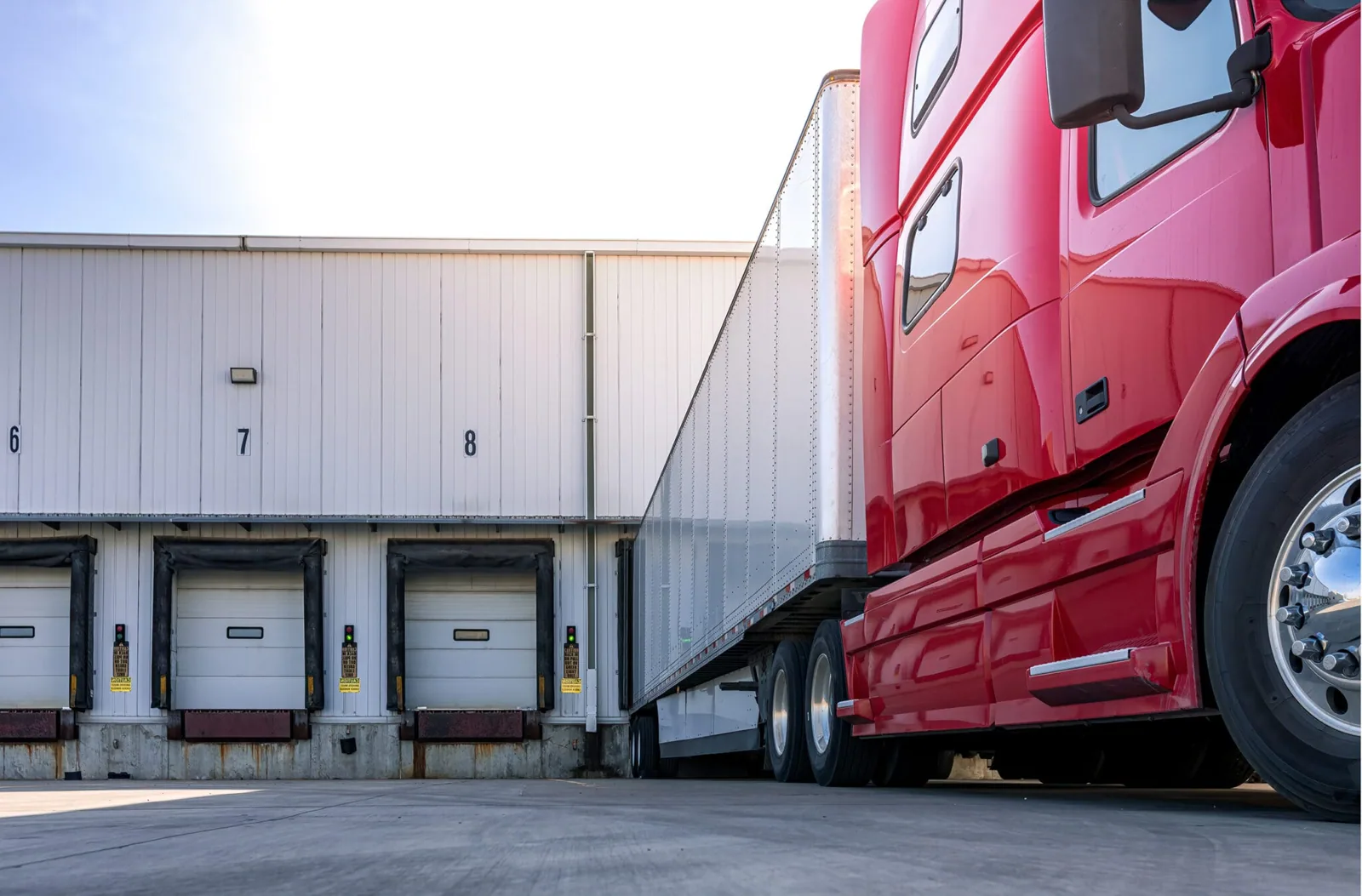
Protect the flow of goods while locating the roof issue
Distribution buildings combine high-bay storage, dock aprons, conveyor areas, offices, charging stations, and equipment zones. The leak report may identify a rack row or work cell, but that point does not automatically establish where the roof is open. We use the building layout, roof geometry, drainage direction, and penetrations to build an inspection path. The site team can identify aisles or doors that must remain in service and set a safe route for ladders, lifts, or interior access.
Before any intrusive test, we agree on the work boundary and how the area will be protected. A limited repair should not block a receiving lane if a separate access route is available; where the roof opening sits above sensitive inventory, the owner may choose a temporary move or protective covering. We document the agreed restriction, who controls it, and when the roof can be closed. That keeps the roofing decision tied to actual operating needs rather than a generic assumption about warehouse access.
Check drainage across long roof runs
Large roofs can carry water across several bays before it reaches a drain or scupper. Ponding, debris, a clogged outlet, or a low area can change where a leak appears, so we trace the route from high points toward the discharge rather than treating each ceiling stain as a separate roof opening. The report records drain condition, visible slope, nearby seams, and any obstruction observed on the visit. A drain and scupper review can define a maintenance correction when debris or an outlet condition is the immediate concern.
Everett's wettest normal months are November, January, and December, and the region sees repeated freeze-thaw exposure. Those seasonal conditions affect timing and safe access; they do not prove that a particular roof is holding water. We distinguish local weather context from site evidence and recommend a follow-up after rain only when the observed roof condition makes that check useful. At the Port of Everett, marine cargo operations include rail-served container and breakbulk facilities and warehouse space, while Paine Field has aviation and support tenants. Those different operating clusters call for site-specific staging, not one standard logistics work plan.
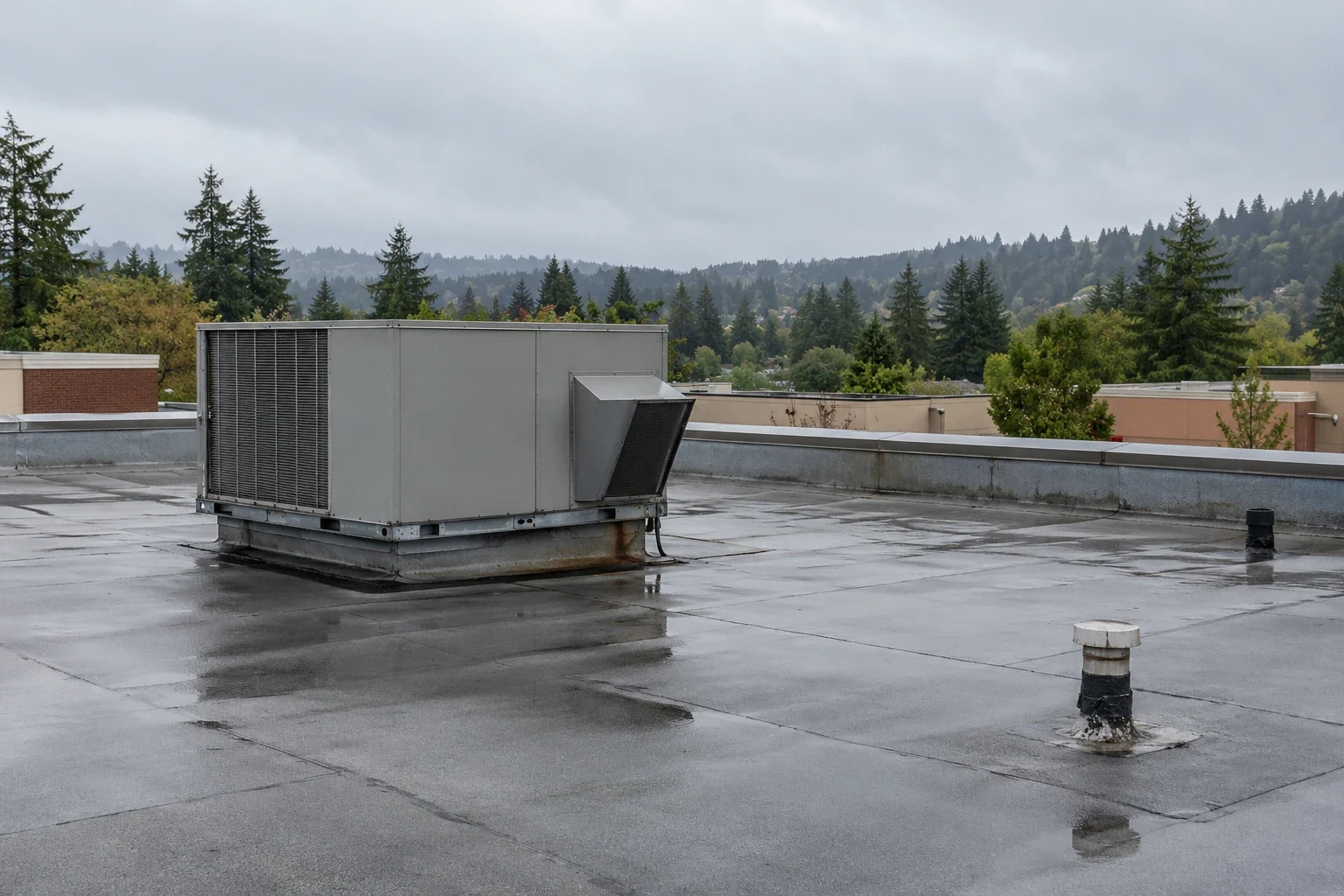
Trace leaks to their roof-level source
Water can travel along a deck, insulation facer, joist, or suspended service before it reaches a floor or ceiling. A wet carton or stain is a useful report point, not a complete diagnosis. We compare the location and timing with the roof plan, adjacent drains, wall lines, curbs, penetrations, and prior repairs. When the suspected area is concealed, targeted readings or a test cut may be needed. We identify the method and its limits so the operator can see which conclusions are confirmed and which remain open.
Where a roof contains multiple additions, the assembly can change at an expansion joint or parapet. We note those transitions before recommending a repair across them. If the water source is not confirmed, the next visit should narrow the test area instead of expanding the scope without evidence. A moisture survey may help select test locations under suitable conditions; it does not replace direct confirmation. The goal is a repair boundary that operations can schedule and ownership can price with confidence.
Coordinate loading areas, equipment, and roof access
Dock canopies, rooftop units, exhaust fans, electrical conduits, and piping all affect access and flashing details. We record equipment curbs, support feet, penetrations, and the clearance needed to move materials. Where a lift or crane is proposed, the operator identifies traffic-control requirements and any time when a dock or yard lane cannot be interrupted. A roof access point near a busy loading face may require a different delivery window than an office-side hatch.
The Everett Industrial Waterfront and rail-served areas include shipping, receiving, light assembly, and manufacturing uses; the Paine Field area adds aircraft service and hangar activity. Operators near the Southwest Everett Industrial Center can use a site-specific delivery route. Confirm the facility's dock routes, roof access, equipment zones, and operating hours with the site contact before staging work. The facility contact remains the authority on gates, escorts, hazardous areas, and shift changes. A distribution-center roof review can focus on high-bay and dock interfaces, while equipment-curb detailing can address roof transitions around mechanical work.
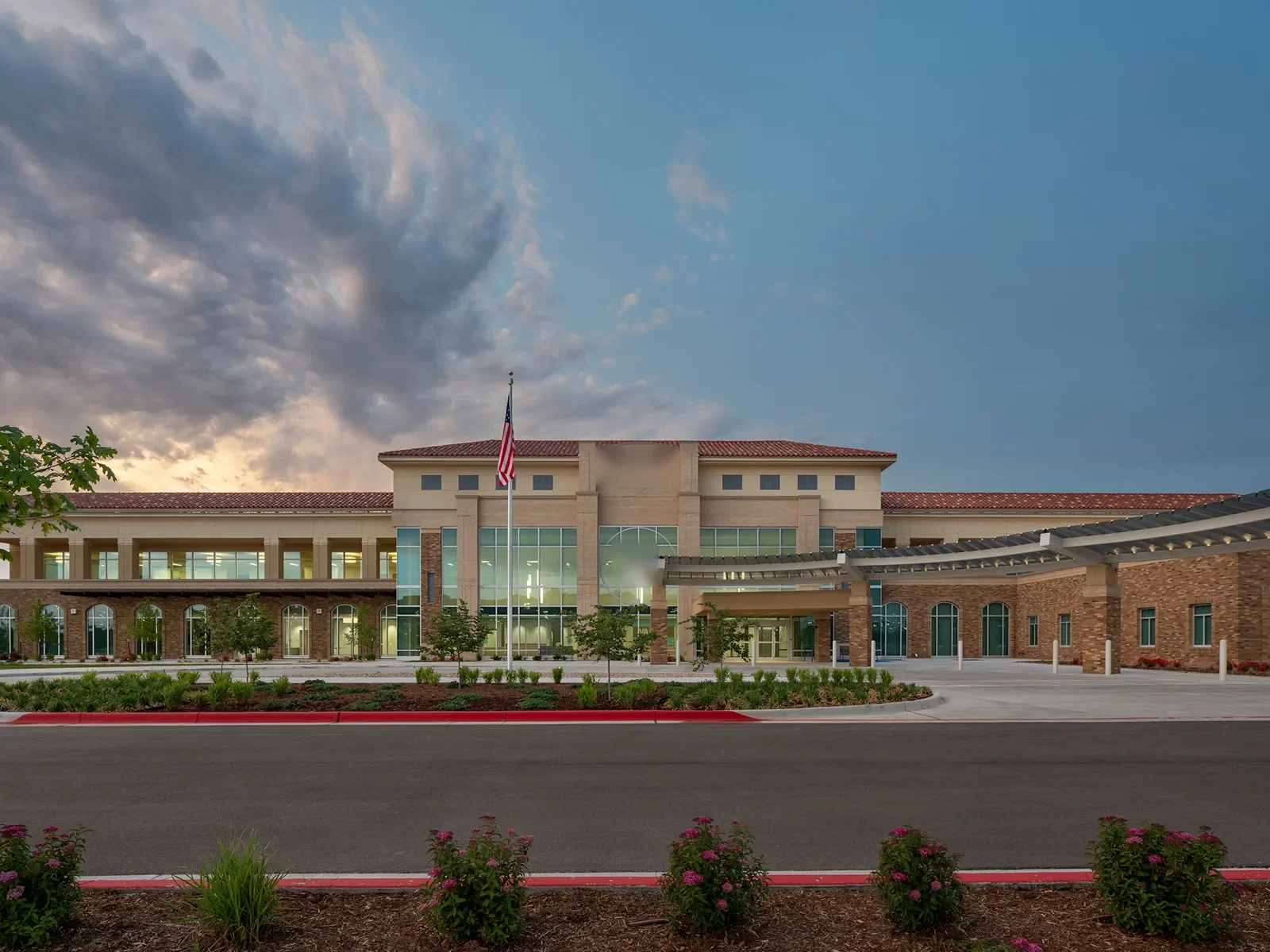
Compare repair and replacement with useful records
A repair decision should state the condition, location, extent, and expected interruption. If deterioration is limited and surrounding material is sound, a localized repair may preserve service. If wet insulation or repeated failures extend across zones, selective replacement or a broader project may be more defensible. We show the roof area and assumptions behind each option, including access, protection, testing, and disposal needs. A low initial number is not useful if it excludes the work required to keep loading operations protected.
For operators with several buildings, use common condition fields while preserving each site's photographs, assembly, and repair limits. Facilities can then compare urgency without treating a Port-area warehouse, a Paine Field support building, and a neighborhood delivery hub as interchangeable. A property-management workflow can coordinate inspections and work orders; the record still needs roof-specific evidence. If a weather event is involved, a restoration review can organize photos and dates without implying that every leak is claim-related.
Leave a shift-ready work and closeout plan
Before mobilization, the written scope should identify the roof zone, access route, material staging, loading impacts, protection requirements, and the point at which the day's work will be watertight. The site contact approves any dock closure, interior exclusion, escort, or after-hours entry. We keep those operational controls separate from the technical repair description so each group can confirm its part. If conditions change after opening the roof, work pauses at the agreed safe closure point while the owner reviews the finding.
Closeout includes completed locations, repair materials, photographs, remaining limitations, and any maintenance item that should be tracked. A follow-up recommendation names a practical trigger, such as checking a repaired transition after the next significant rain or clearing an identified outlet. It should not promise a roof-life figure that the inspection cannot support. Provide roof plans, leak dates, shift windows, equipment schedules, and prior repair records before the visit. We will map conditions by building and help the operations team plan work around the flow of goods.
Commercial Roofing Questions
Can roofing work happen while a distribution center stays open?
Often, if the facility defines protected zones, access routes, and dock restrictions before work begins. Intrusive testing or roof opening may require a narrower approved window.
Does a wet floor show where the roof is leaking?
It marks where water became visible. Water can travel along deck, insulation, or framing, so the roof source needs to be traced separately.
When should a logistics operator request moisture testing?
Consider it when the suspected area is concealed, multiple roof zones are involved, or the repair decision depends on whether insulation is wet. The method must be confirmed against the assembly.
Can every roof drain be cleared during an inspection?
The visit can record accessible outlet conditions and debris. Clearing may require separate authorization, safe access, and an agreed maintenance scope.
What should be ready before a roof crew arrives?
Share the roof plan, leak locations and dates, shift schedule, loading restrictions, access rules, equipment work, and any inventory-protection requirements.
Questions Owners Ask
Can roofing work happen while a distribution center stays open?
Often, if the facility defines protected zones, access routes, and dock restrictions before work begins. Intrusive testing or roof opening may require a narrower approved window.
Does a wet floor show where the roof is leaking?
It marks where water became visible. Water can travel along deck, insulation, or framing, so the roof source needs to be traced separately.
When should a logistics operator request moisture testing?
Consider it when the suspected area is concealed, multiple roof zones are involved, or the repair decision depends on whether insulation is wet. The method must be confirmed against the assembly.
Can every roof drain be cleared during an inspection?
The visit can record accessible outlet conditions and debris. Clearing may require separate authorization, safe access, and an agreed maintenance scope.
What should be ready before a roof crew arrives?
Share the roof plan, leak locations and dates, shift schedule, loading restrictions, access rules, equipment work, and any inventory-protection requirements.
Plan roof work around logistics operations
Schedule an Everett facility roof evaluation. We will map the reported condition, document access limits, and define a repair or testing plan that fits the site schedule.
Related Roofing Work
- Commercial Roof Inspection
- Multi-Site Commercial Roof Programs
- Commercial Roof Drains and Scuppers
- Infrared Moisture Survey
- Southwest Everett Industrial Center
- Distribution Center Roofing
- Rooftop Equipment Curbs and Supports
- Commercial Roofing for Property Management Companies
Browse every page in Industries We Serve, or request a roof assessment and we will walk the roof with you.
Questions about this roof? Call 555-555-5555.