
Commercial Roof Repair, Replacement & Maintenance
Built-Up Roofing in Everett, WA
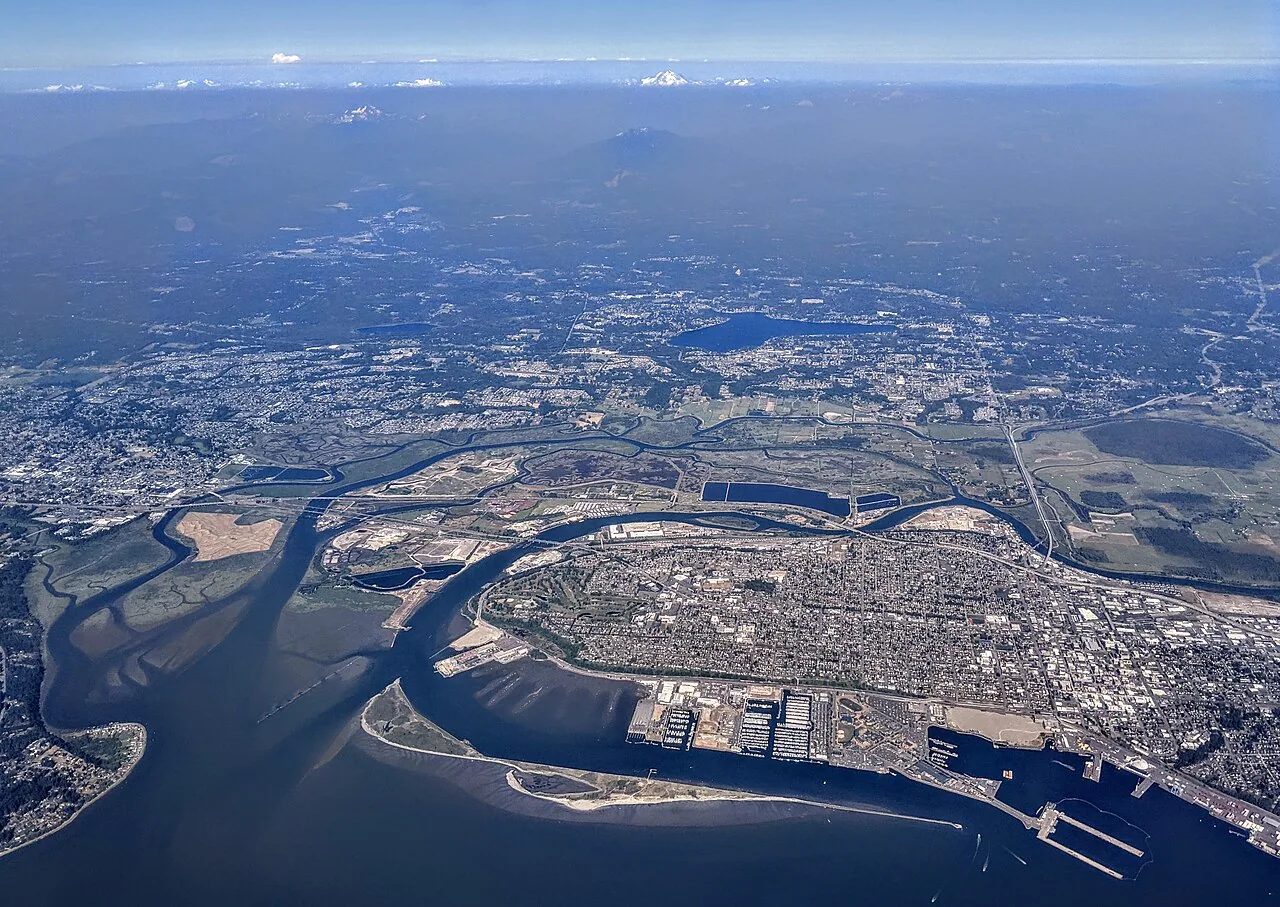
Loose gravel around a roof drain can expose the cap sheet and complicate a leak inspection on a built-up roof. BUR is constructed from alternating reinforcing plies and asphaltic bitumen, often with a surfaced cap layer or aggregate; the number and condition of those layers matter when defining a repair. We inspect surfacing, ply exposure, blisters, drainage, flashings, and substrate rather than judging the roof from the gravel alone. Everett's annual precipitation normal is 40.25 inches, with November, January, and December the wettest monthly periods, so a small opening may face repeated water exposure. Port warehouses, rail-served buildings, and Paine Field hangars reflect distinct commercial operations and roof access needs. We confirm the assembly and any surfacing before selecting a patch or tear-off. The inspection also notes whether loose aggregate can be safely moved and how the exposed layers will be protected during repair. A hands-on inspection can map layers and drainage; a leak investigation can trace an interior symptom across the built-up assembly.
Read the layers beneath the surfacing
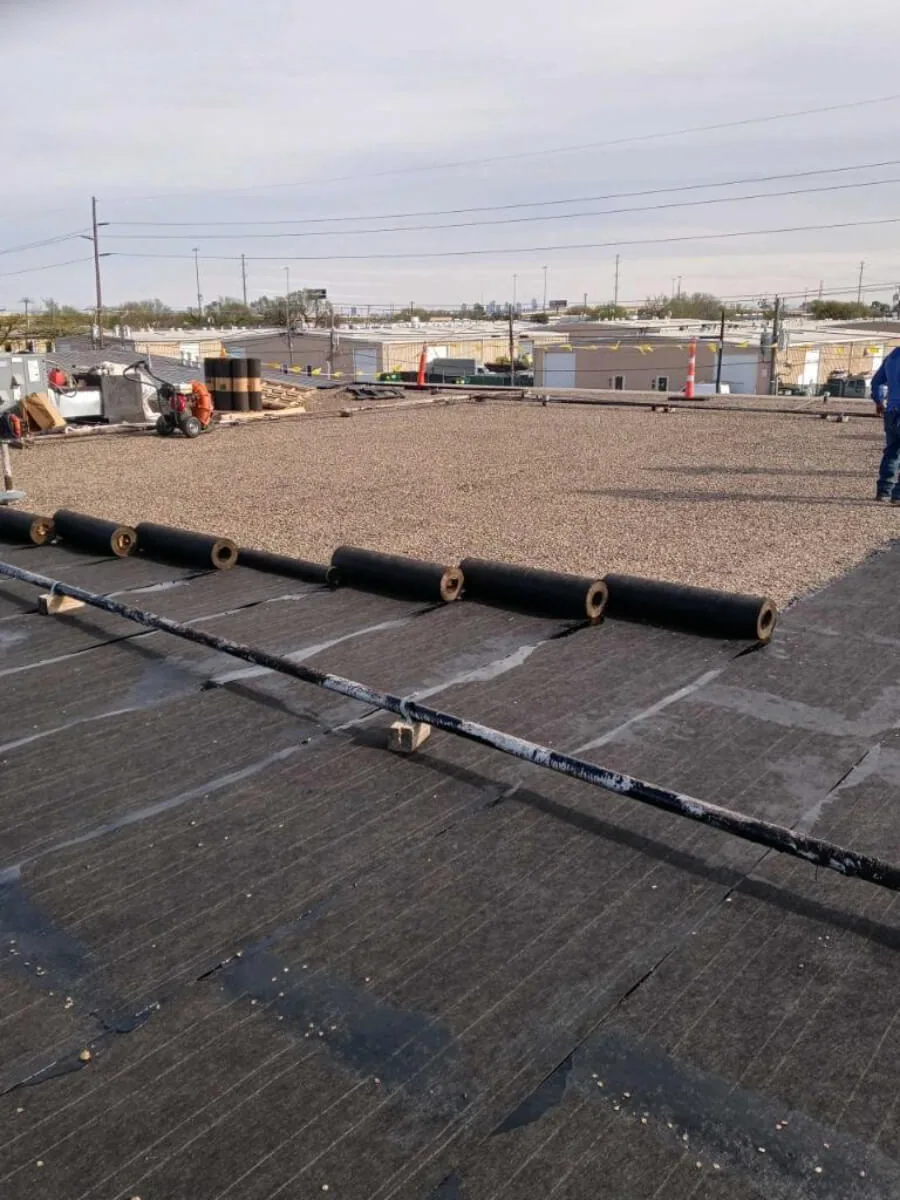
Built-up roofs can have several reinforcing plies, interply bitumen, and a cap sheet or aggregate. At an exposed edge, we identify the layers, bond condition, and whether moisture has entered between plies. An area that looks dark at the surface may be wet, shaded, coated, or simply a change in surfacing; a test opening may be needed to establish the assembly. We record what each layer shows and close any opening with a compatible repair.
Blisters can form when air or moisture is trapped beneath a ply. Their perimeter, height, and relation to drains and seams help determine whether they are stable or changing. We do not cut a blister solely for appearance; the repair depends on whether it is wet and how far the separation extends. The condition report identifies the observed area and any verification that remains.
Inspect gravel, cap sheet, and traffic paths
Aggregate ballast and cap-sheet surfacing protect the asphaltic layers, but they can hide seam openings or punctures. We inspect gravel depth, displaced areas, bare cap sheet, loose embedded material, and scuff marks along service routes. At drains, debris or aggregate can collect at the strainer and reduce flow. The repair plan identifies whether surfacing needs to be moved, removed, or restored after the underlying work.
Heavy foot traffic around equipment can displace gravel and wear the cap layer. A walkway or access route should be compatible with the assembly and placed to avoid blocking drains. On long industrial roofs near the Everett waterfront, recurring maintenance routes may cross several zones; we label the location and distinguish traffic wear from a membrane failure. A maintenance visit can record changes in surfacing and drainage over time. Where aggregate is moved to reach a repair, we protect nearby drains, keep material out of access paths, and confirm the restored surfacing does not bury a strainer or hold water at the patch edge.
Trace runoff and hidden entry paths
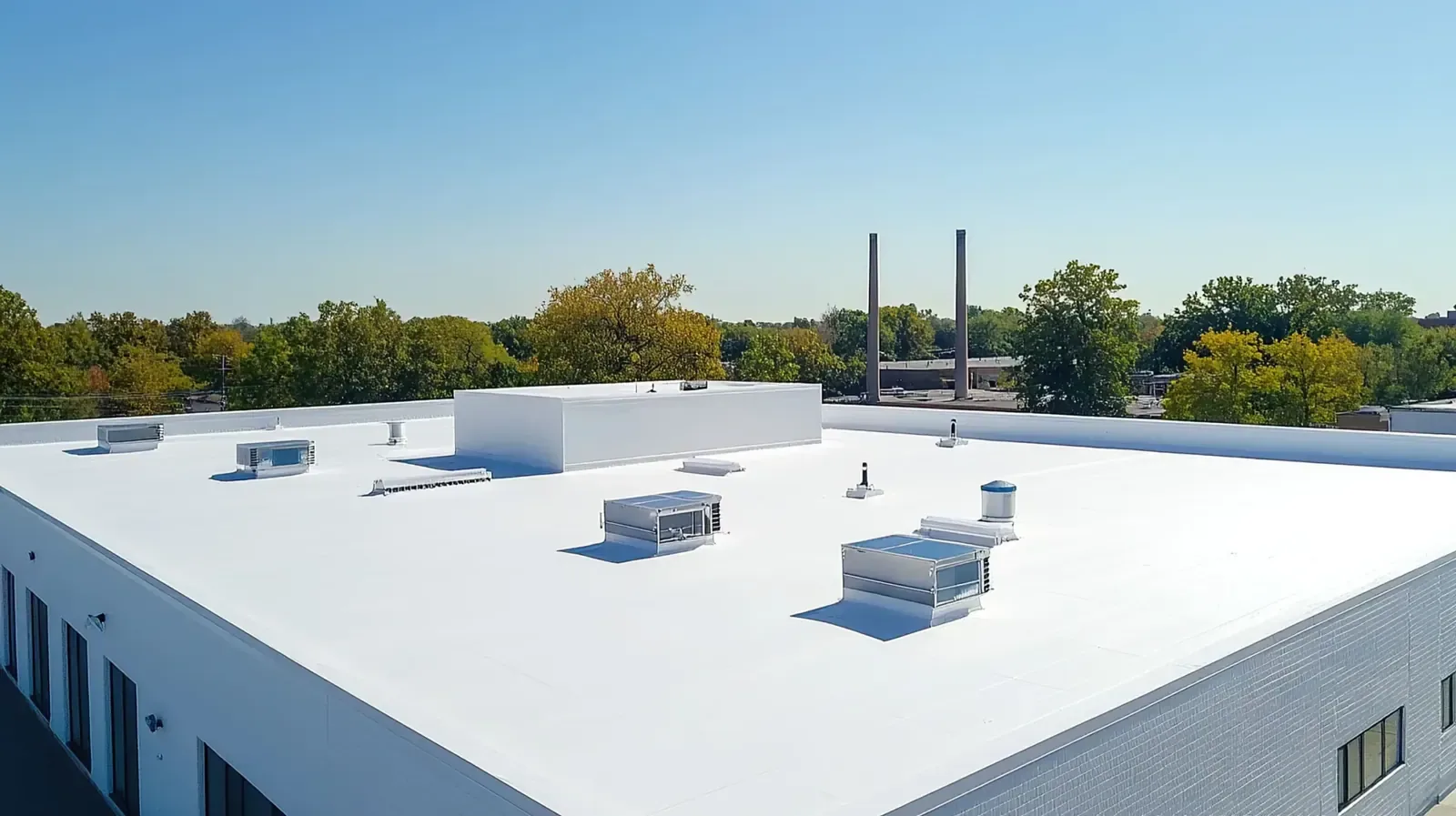
Water can move across aggregate, enter at a flashing, and travel within the assembly before reaching an interior ceiling. We map low points, drains, scuppers, wall transitions, equipment bases, and prior patches, then compare that route with the leak report. A nearby stain is not automatically the entry point. If the BUR layers appear intact at the surface but moisture is suspected below, selective opening or a moisture survey may be needed.
Everett's wet months make water movement a useful inspection priority. We distinguish a blocked outlet from a low roof basin and from a failed drain-to-membrane detail. A drain review can inspect outlet and flashing condition, while a moisture survey may help identify test locations. Each method answers a different question; the report explains which evidence supports the repair boundary.
Repair the ply system and transitions
A localized patch may require moving surfacing, cutting back damaged cap sheet, drying or removing wet layers, and installing compatible reinforcing plies. The repair should extend to sound, well-bonded material and restore the surface protection. At a penetration or parapet, the flashing must tie into the BUR layers without leaving an exposed edge. The method may use asphaltic materials, cold adhesive, or another approved detail depending on the system and site restrictions. Hot-applied work requires a safe kettle location, controlled hose route, fire watch, and clear separation from combustible materials. Cold-applied products still need a suitable surface and ventilation plan. We coordinate equipment placement and protection with the facility before mobilizing.
Heat and odor controls matter on occupied sites. We plan the method, fire precautions, staging, and work window with facility staff. If wet substrate or damaged deck is discovered, the crew protects the opening and records the proposed change before extending removal. The closeout names the ply sequence and materials installed so later inspection can identify the repair as part of the roof assembly rather than a surface coating.
Compare repair with a new roof system
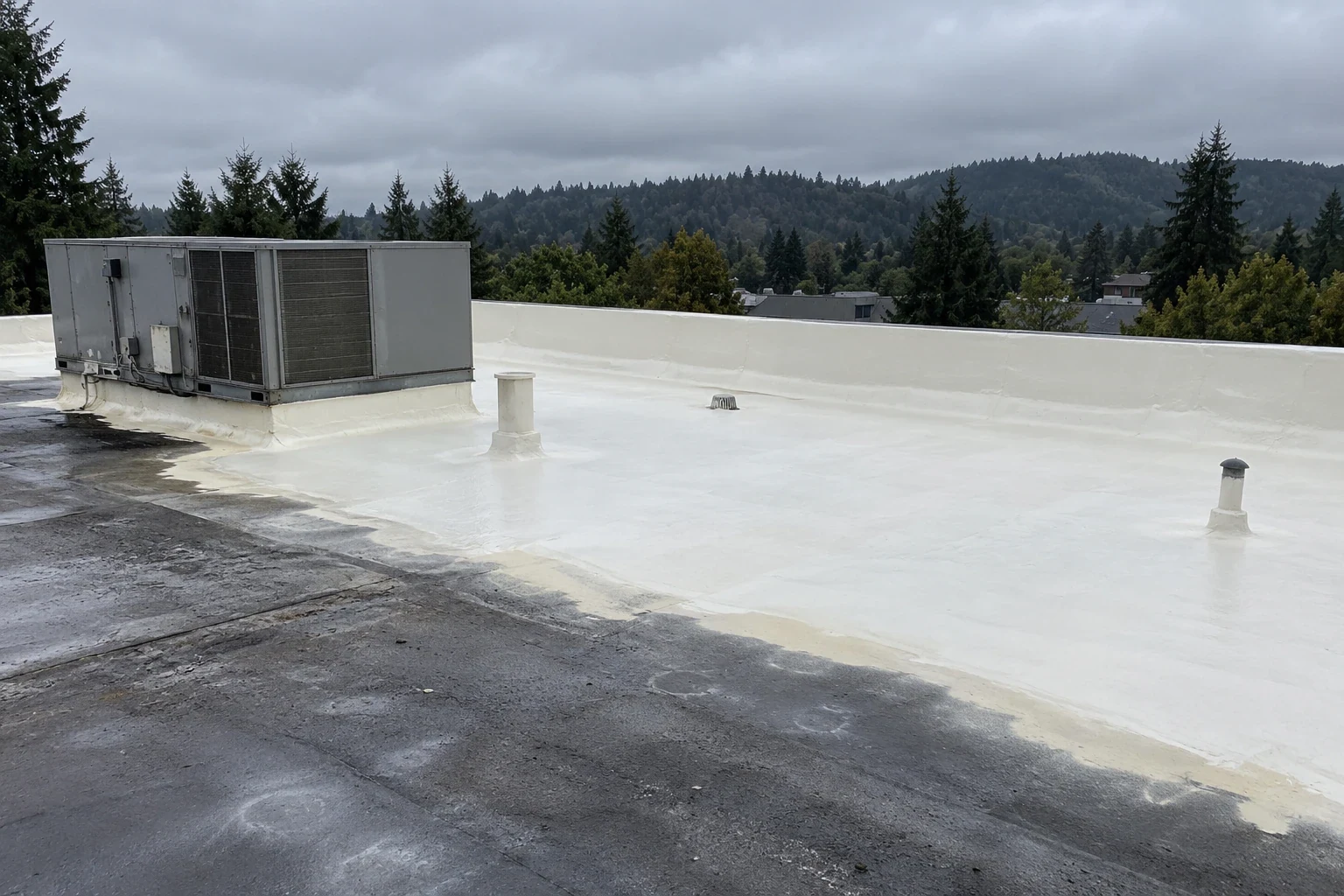
A few isolated defects on a stable BUR assembly may support targeted repair. Widespread wet insulation, loose plies, recurring blisters, extensive exposed reinforcement, or damaged deck may require a broader rehabilitation or replacement. We map the observed conditions and confirm moisture before comparing options. Adding a new system over a multi-ply roof can affect weight, height, drainage, and attachment, so it requires an assembly review.
Owners can compare a localized repair with a replacement assessment. Modified bitumen uses asphaltic reinforcing sheets in a different sheet-based construction; a modified-bitumen system has distinct lap and surfacing details. A single-ply alternative such as TPO changes seam and attachment details. The recommendation should follow roof condition, project criteria, and drainage geometry.
Keep access and repair evidence organized
Closeout identifies the roof zone, number and condition of exposed plies, moisture findings, repair method, and surfacing restored. Photos show the opening before closure and the completed tie-in. We note weather and access limits and identify any untested area. This record helps the next service visit compare the same detail instead of disturbing sound material.
At a waterfront industrial property or a Paine Field facility, access windows can affect when aggregate or materials are moved. We coordinate staging with site staff, while the observed BUR layers determine the technical scope. A condition report can retain photos and maintenance priorities. At Metro Everett, offices, shops, residences, and civic uses can require close coordination below the roof when a repair moves surfacing or opens a section. Schedule a BUR evaluation with roof plans, prior repair records, and any moisture history so the inspection distinguishes surface wear from a multi-ply failure.
Commercial Roofing Questions
Can you inspect BUR without removing gravel?
Some conditions are visible at the surface, but surfacing can conceal seams and patches. We move material only where needed to answer the inspection question and restore it afterward.
What does a blister mean on a built-up roof?
It may reflect trapped air, moisture, or separation between plies. We inspect its perimeter and may open a selected area to determine the repair boundary.
Can new asphaltic material repair every BUR leak?
The assembly, surfacing, moisture, and substrate determine the compatible repair. A wet or unstable area may need removal rather than a surface application.
Will aggregate be replaced after repair?
Where the roof uses aggregate surfacing, the scope identifies how it is moved and restored around repaired plies and drains.
When is replacement considered for BUR?
Broad wet areas, recurring separation, deteriorated plies, or damaged deck can make a larger scope appropriate. Inspection and moisture verification support that comparison.
Questions Owners Ask
Can you inspect BUR without removing gravel?
Some conditions are visible at the surface, but surfacing can conceal seams and patches. We move material only where needed to answer the inspection question and restore it afterward.
What does a blister mean on a built-up roof?
It may reflect trapped air, moisture, or separation between plies. We inspect its perimeter and may open a selected area to determine the repair boundary.
Can new asphaltic material repair every BUR leak?
The assembly, surfacing, moisture, and substrate determine the compatible repair. A wet or unstable area may need removal rather than a surface application.
Will aggregate be replaced after repair?
Where the roof uses aggregate surfacing, the scope identifies how it is moved and restored around repaired plies and drains.
When is replacement considered for BUR?
Broad wet areas, recurring separation, deteriorated plies, or damaged deck can make a larger scope appropriate. Inspection and moisture verification support that comparison.
Inspect the plies beneath the surface
Schedule an Everett built-up roof assessment. We will document surfacing, ply condition, moisture, drainage, and the repair boundary before material is selected.
Related Roofing Work
- Commercial Roof Inspection
- Commercial Roof Leak Repair
- Commercial Roof Repair
- Modified Bitumen Roofing
- TPO Roofing
- Everett Industrial Waterfront
- Metro Everett
Browse every page in Roof Systems, or request a roof assessment and we will walk the roof with you.
Questions about this roof? Call 555-555-5555.