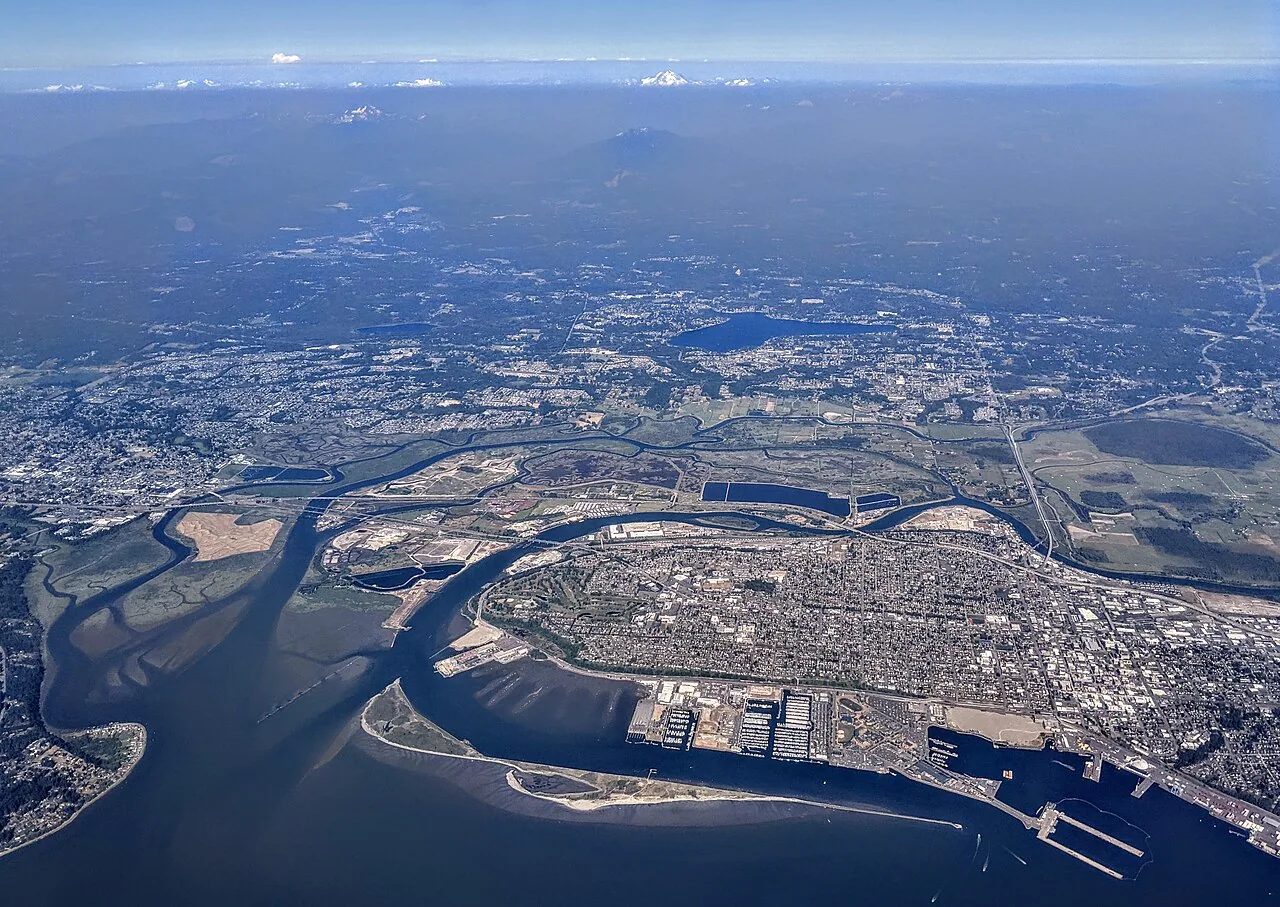

Commercial Roof Repair, Replacement & Maintenance
Roof Damage Repair
in Everett, WA
Damage on a commercial roof is a condition to investigate before it becomes a line item. Everett's repeated rain can keep a small opening active, while wind, equipment work, and foot traffic can affect separate roof zones. We document the reported symptom, inspect the assembly, and trace the physical path that supports a repair. Where evidence is incomplete, the report names the next test rather than extending the scope by guesswork. The owner receives a defined repair boundary and a record of what remains uncertain.
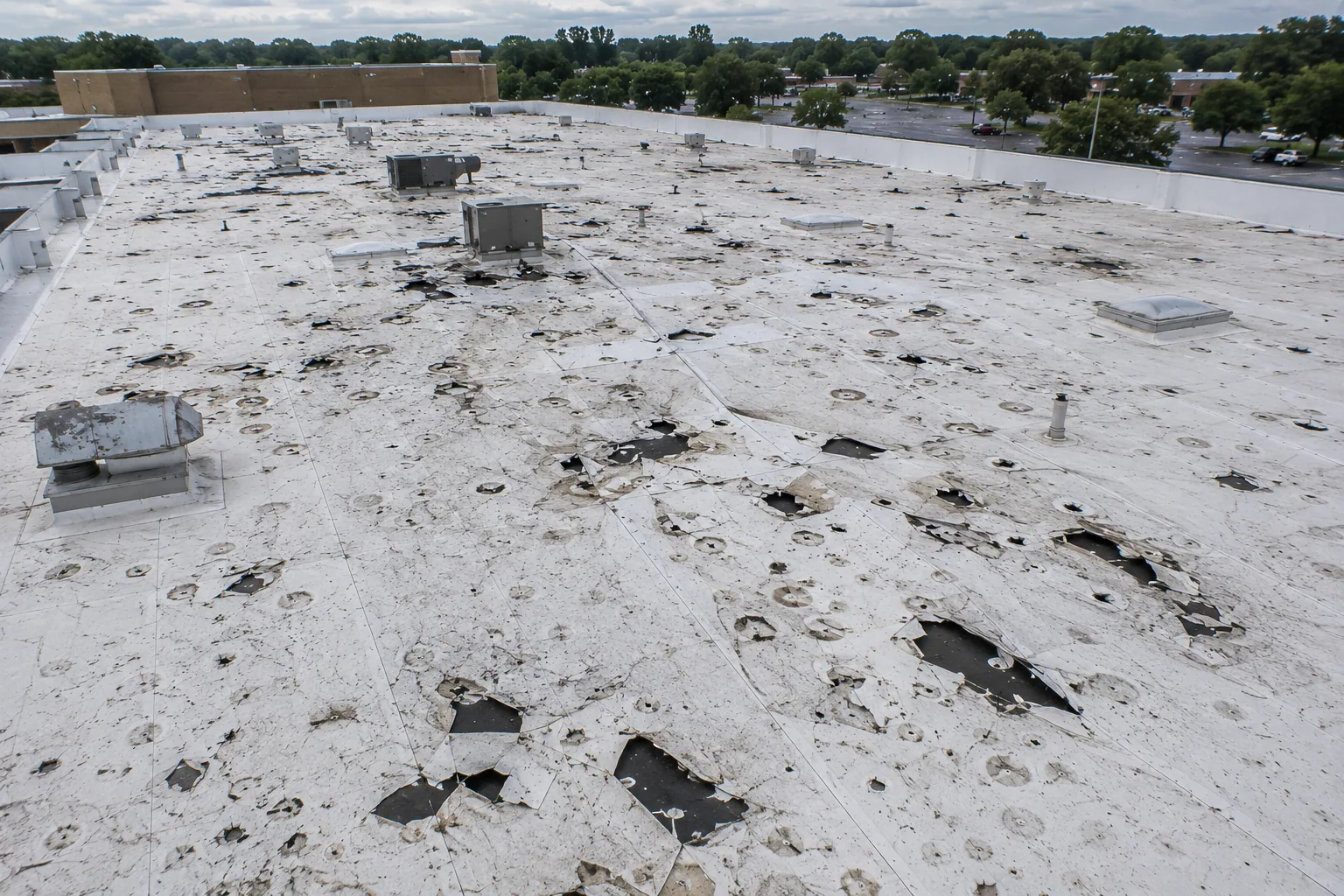
Wind Damage Roof Repair
Everett wind damage roof inspections trace lifted edges, displaced metal, punctures, and water entry before repairs are scoped for the building.
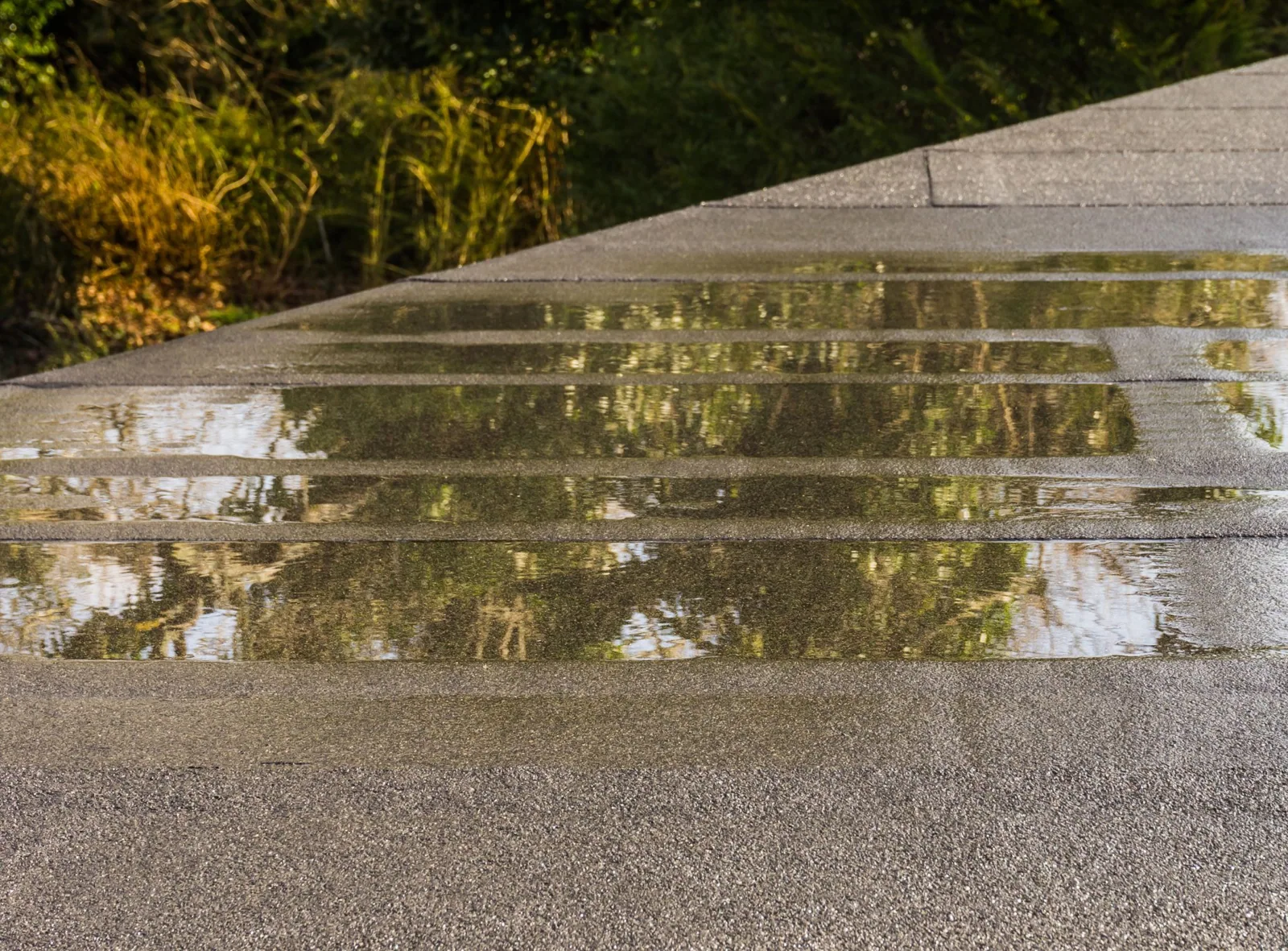
Ponding Water Roof Repair
Everett ponding-water inspections map low areas, drains, deflection, and wet insulation before a drainage correction or roof repair is scoped.
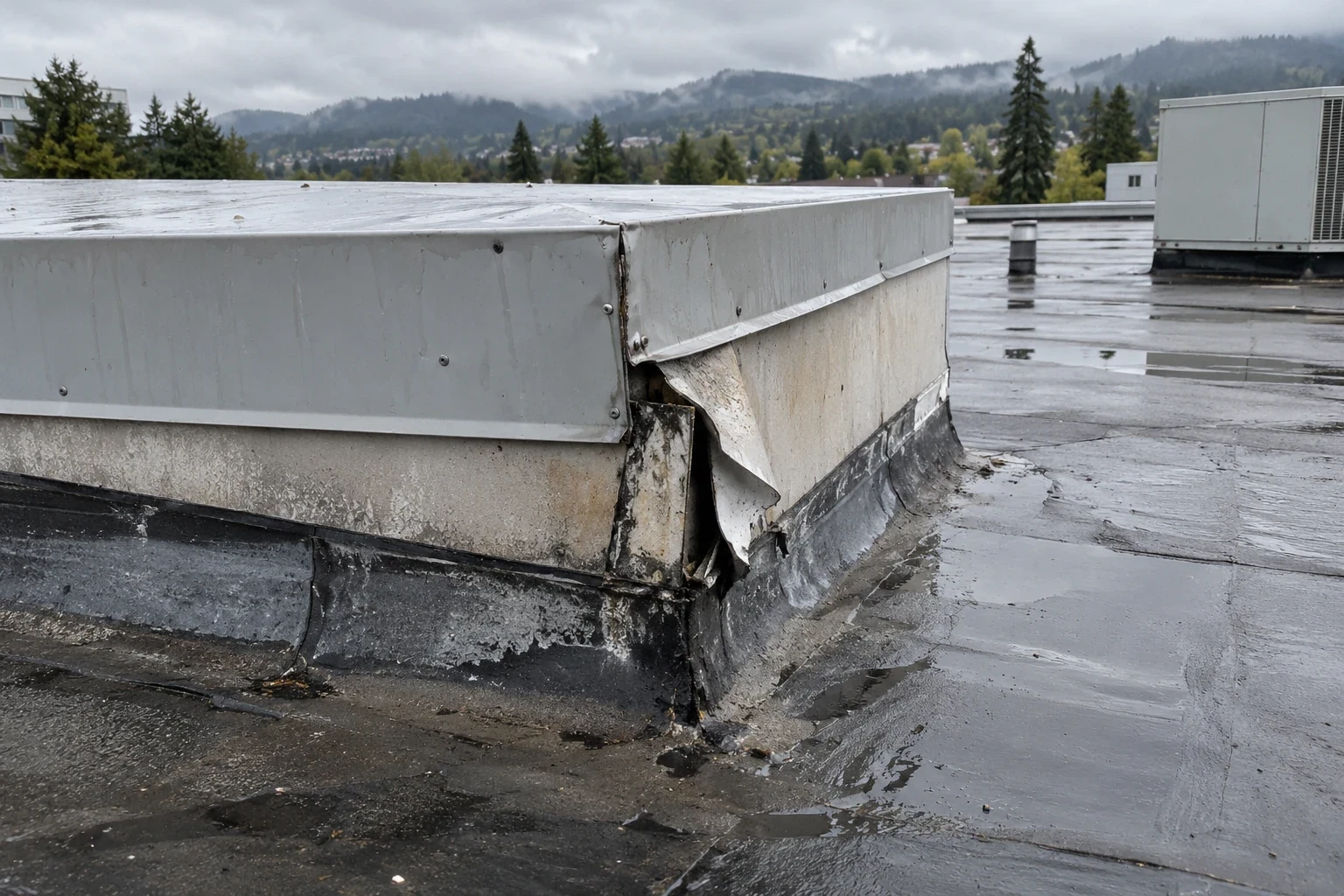
Commercial Roof Flashing Failure Repair
Everett roof flashing inspections trace open wall, curb, edge, and penetration transitions before repair scope is set for the affected assembly.
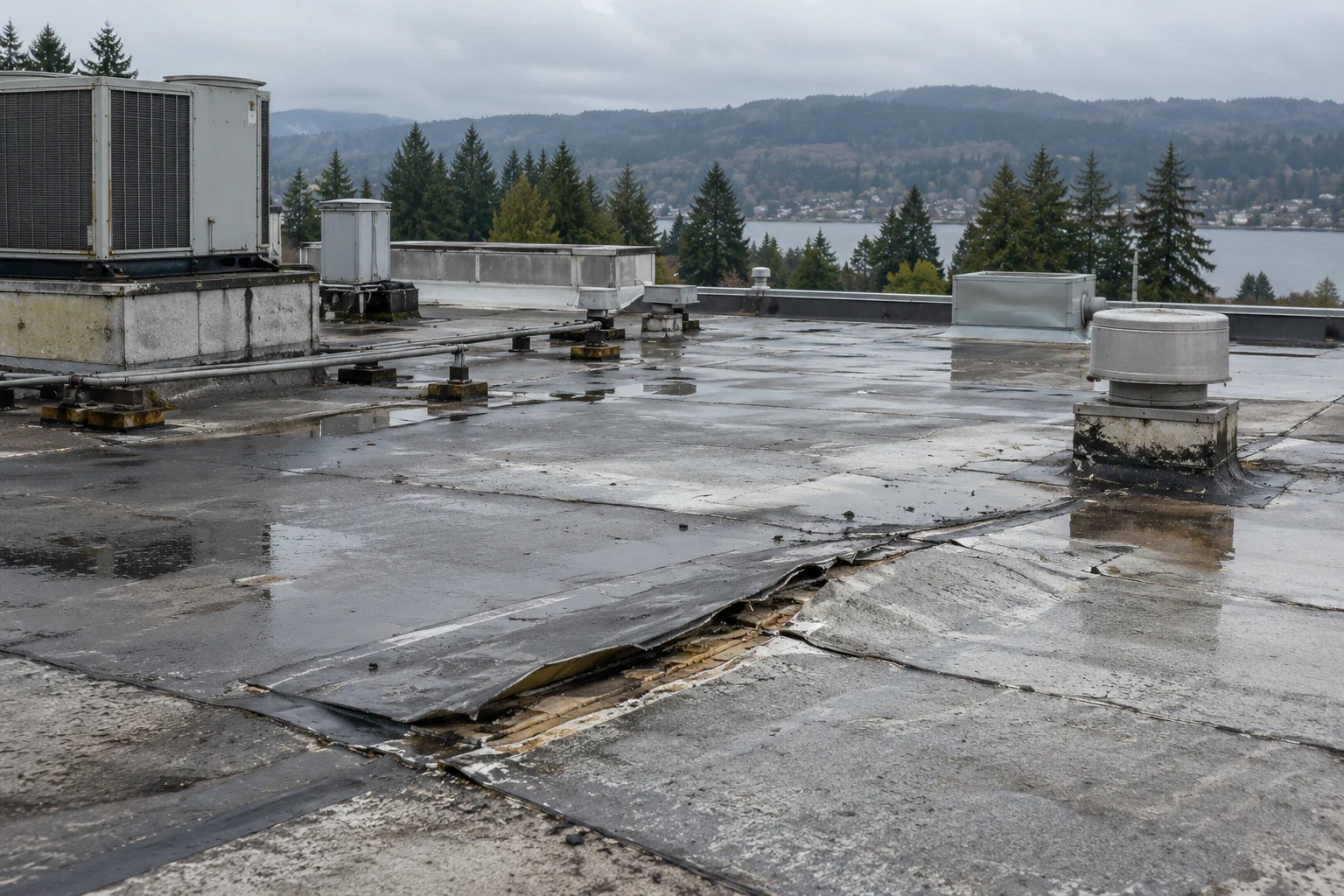
Commercial Roof Seam Failure Repair
Everett roof seam inspections identify open laps, failed welds, movement, and wet insulation before the repair area and system detail are selected.
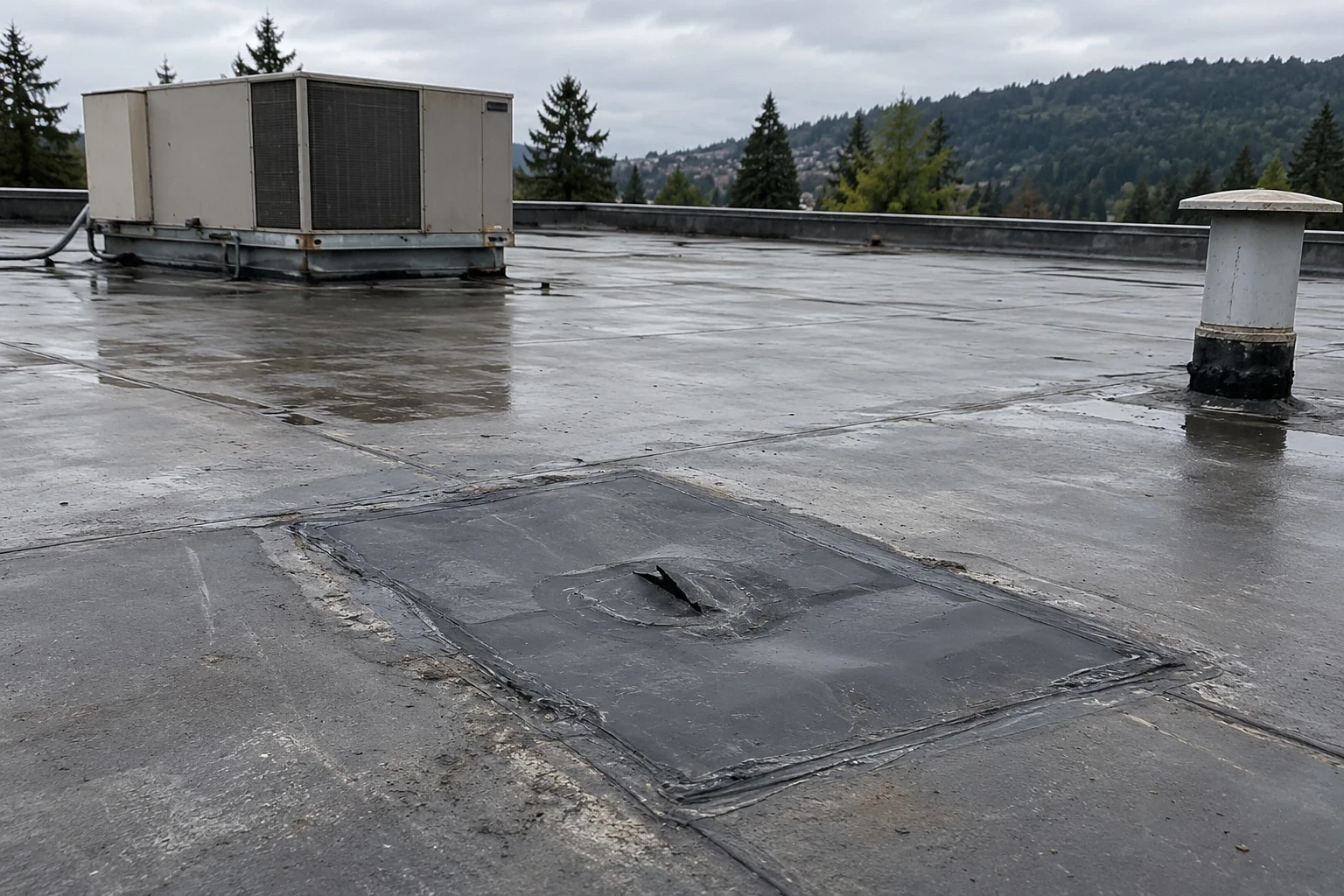
Commercial Roof Membrane Puncture Repair
Everett membrane puncture inspections identify the breach, roof system, affected layers, and safe repair limits after foot traffic or impact damage.
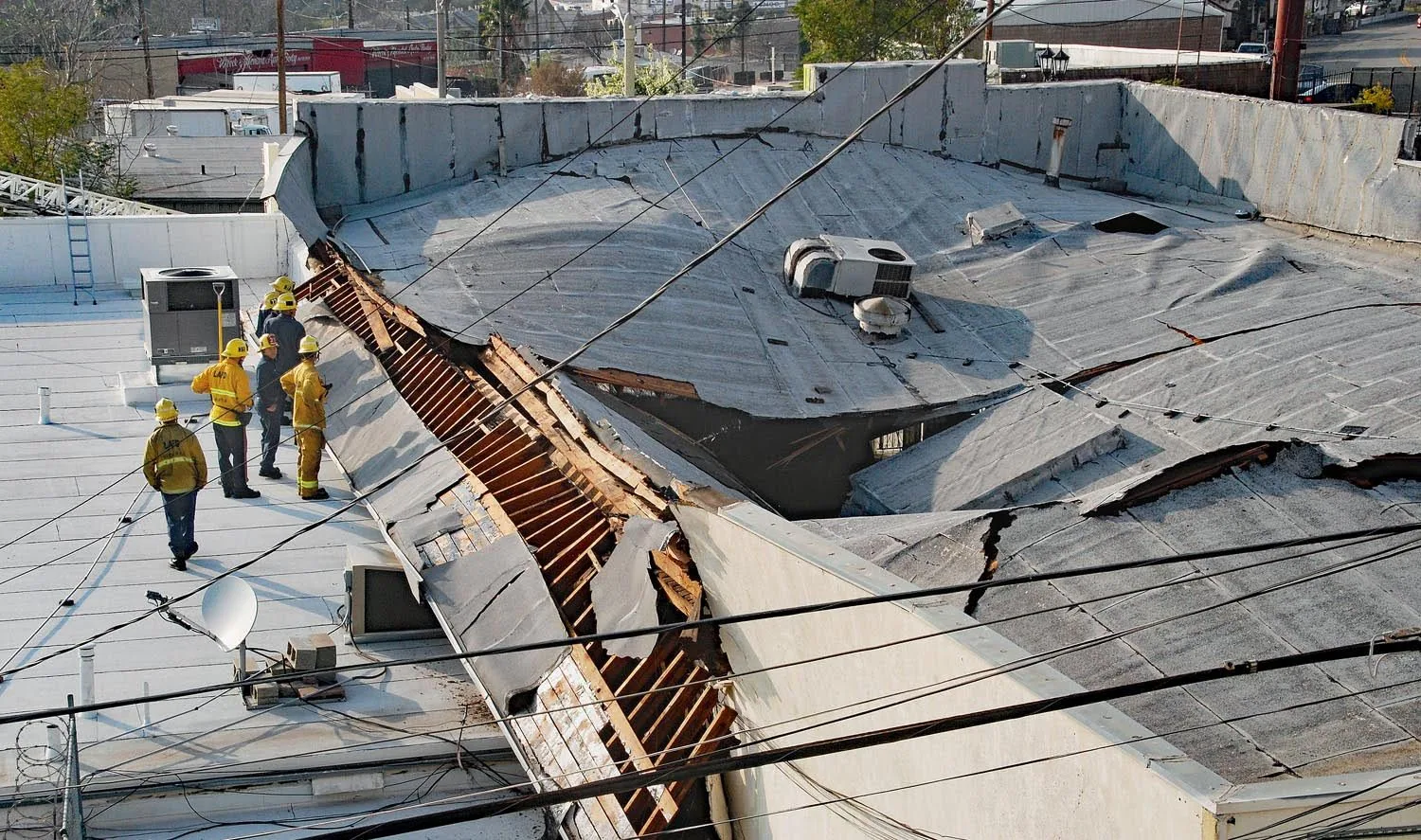
Commercial Roof Fire and Smoke Damage Repair
Everett fire-related roof inspections document heat damage, openings, membrane condition, and temporary protection before restoration work is scoped.
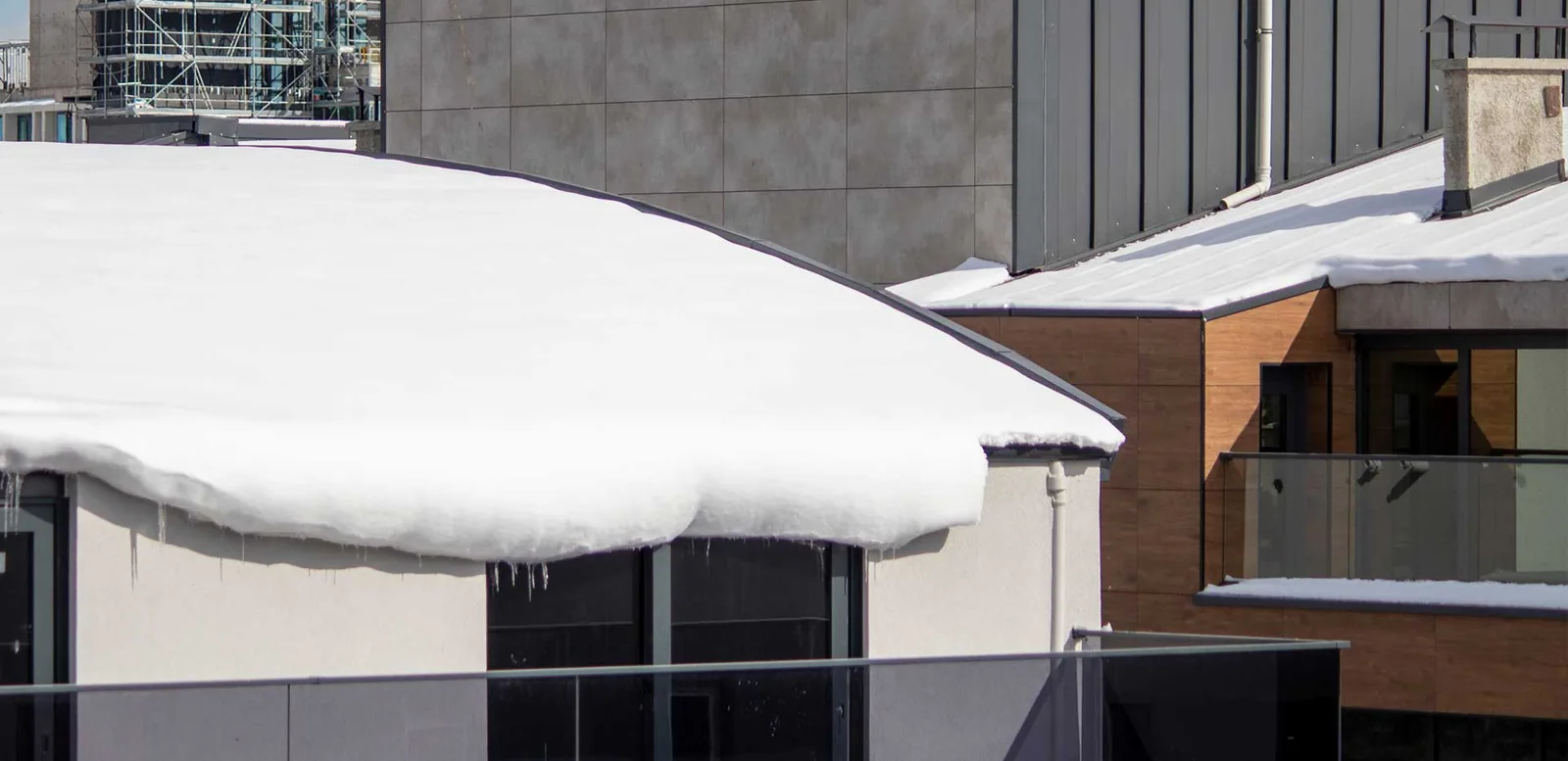
Commercial Roof Snow and Ice Damage Repair
Everett snow and ice roof checks focus on drains, refrozen water, membrane movement, and safe inspection after occasional winter conditions.
What Owners Should Know
Trace the symptom to a roof detail
A ceiling stain can sit far from the point of entry. Our ponding-water review maps standing-water areas against drains and roof slope; flashing repair checks walls, curbs, and terminations; seam repair examines lap separation and bond. For an active leak, record the room, timing, weather, and recurrence before choosing a test point. A site near Silver Lake or the Port still requires a roof-specific inspection.
Keep the repair compatible and measurable
A membrane puncture needs compatible material and sound substrate around the opening. If wind has moved an edge or disturbed attachment, wind damage work should identify the perimeter length and fastening detail. A fire-damage assessment may require review of heat-affected roof layers and interior protection. Each scope names preparation, material, tie-in, completion check, and what would trigger additional work.
Protect the building while confirming the cause
When water is active, temporary stabilization can protect contents while testing determines whether insulation, deck, or adjacent seams are affected. Mark the covered zone and schedule permanent follow-up. Everett's wetter months fall in late fall and winter, so a roof opening needs a dependable dry-in and accessible drainage route at the end of each shift. Where snow or ice contributes to damage, snow and ice review should evaluate load paths, blocked drainage, and affected details without treating one symptom as a full-roof conclusion.
Close with the condition and the next action
Repair records should show dated photos, a roof-plan mark, material installed, tested areas, and any access limitation. If the defect is isolated, a targeted repair may be appropriate; repeated failure or broad wet insulation can support a separate renewal review. Owners with facilities in Everett, Arlington, or Mukilteo can compare records by the same fields while keeping findings tied to the inspected building. Schedule a damage inspection to identify the water path, measure the repair zone, and agree on follow-up before authorizing permanent work.
Commercial Roofing Questions
Should an active leak be patched immediately?
Protect the interior and stabilize the opening when needed, then document the temporary measure and inspect the connected roof details before setting permanent scope.
Can ponding water be solved by clearing a drain?
Clearing may restore flow, but the roof should also be checked for drain condition, slope, overflow route, and membrane details around the outlet.
How do you price damage with wet insulation?
Define the visible repair and an approval method for added removal, then document the boundary as layers are exposed.
What is included in damage closeout?
Marked roof location, before-and-after photos, repair material, completion check, temporary measures, and remaining items.
Inspect the damage before expanding the repair
Tie the scope to the roof evidence and record the permanent next step.
Request a roof assessment or call 555-555-5555.