
Commercial Roof Repair, Replacement & Maintenance
School Roofing in Everett, WA
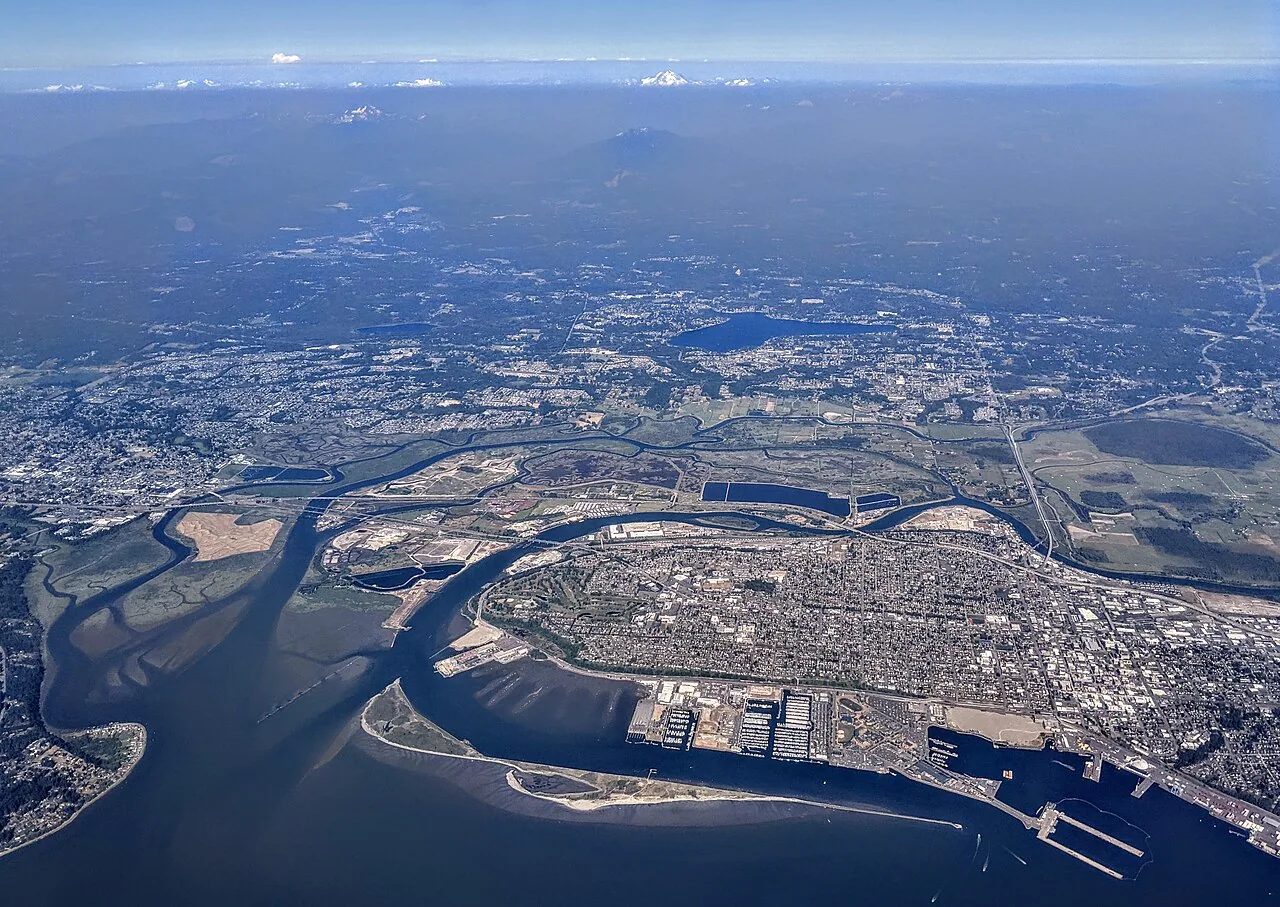
A ceiling stain over a classroom tells staff where water became visible, not which roof detail allowed it inside. We compare the room location and timing with drains, seams, rooftop units, and wall transitions before assigning a repair boundary. North Broadway is a community hub in Everett's urban framework, where education and other community services are part of the planned center; Metro Everett is the historic civic and commercial core. These broader facts do not identify a specific school roof, so we verify the campus layout and operating calendar during the visit. A roof inspection can map the condition, while a written report gives administrators and facilities staff a shared record.
Match roof zones to classroom and activity areas
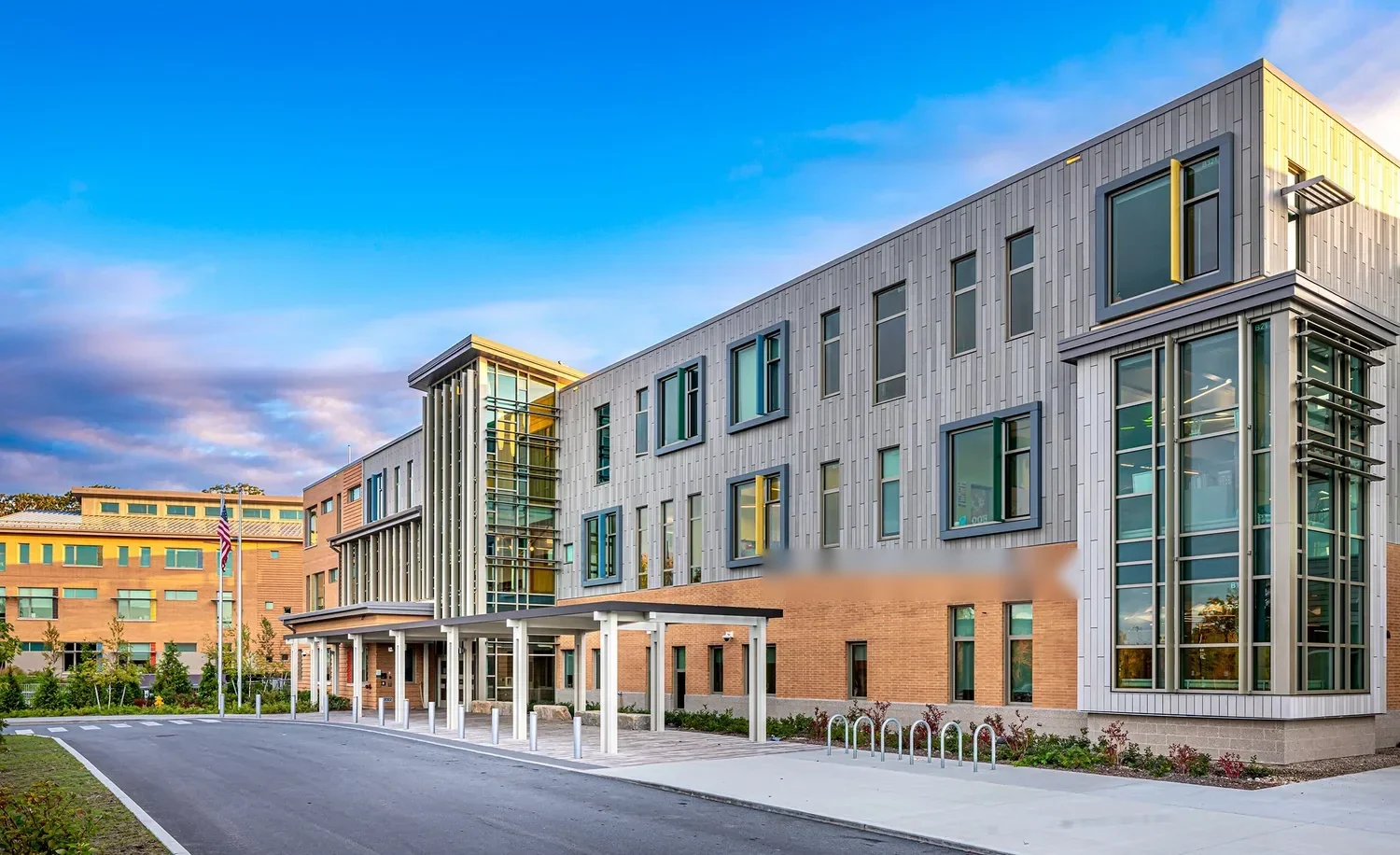
A school may include classrooms, a gym, cafeteria, administrative rooms, covered walkways, and additions built in different periods. We identify which section sits above the reported room and inspect the roof transitions that could carry water between elevations. Gym roof spans and classroom wings may have different deck, insulation, and drainage conditions. We record observed materials at each section rather than assume one membrane covers the campus.
Interior access can be limited by class schedules, testing, meals, or after-school use. The school contact can identify rooms that need protection or a short closure while we inspect above. On the roof, we mark areas that need test openings separately from visible repairs. If a campus includes higher-education facilities or mixed-use space, college and university roof planning addresses those broader building patterns, but the school scope remains specific to its own roofs and calendar. District facilities teams may also maintain community or worship buildings; a separate church roof evaluation can account for different occupancy patterns and roof transitions without combining the two property records.
Inspect drains before seasonal rain returns
Leaves, sports equipment, and maintenance debris can collect near drains and scuppers, but a pond beside a clear outlet may point to a low area or slope issue. We trace runoff, inspect drain bowls, strainers, overflow paths, and nearby flashing, then distinguish cleaning from repairs to the roof field. A drain should remain accessible during construction, and temporary materials must not block an outlet when the work zone is closed for the day.
Everett's wettest months fall in late autumn and winter, so a school may have a narrow summer period for broader roofing work before rain returns. We check roof condition before the schedule is set, allowing moisture tests, flashing repairs, and material lead times to be planned. A drain and scupper inspection can define outlet tasks, while occupied-campus phasing can organize work around summer programs, staff presence, or active classrooms.
Check rooftop equipment and roof access
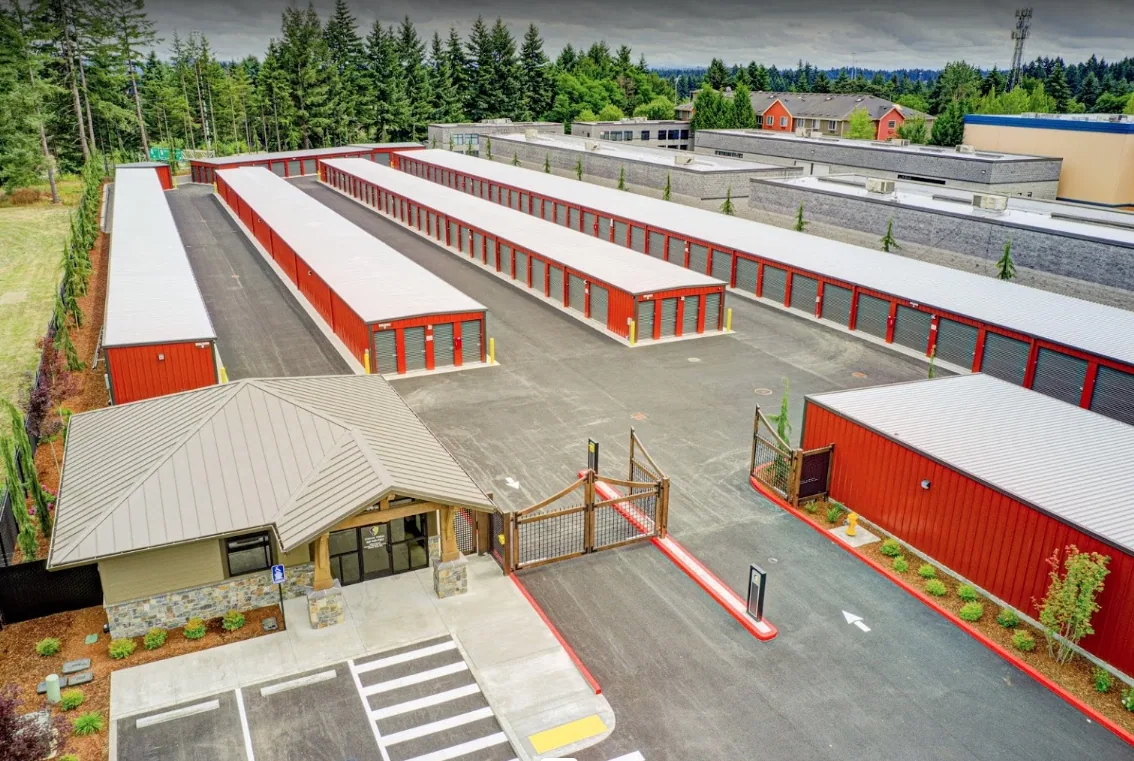
HVAC units, exhaust fans, kitchen hoods, conduits, and skylights break up the roof surface and create transitions that need inspection. We check curb corners, fasteners, flashing, walkway protection, and sealant where equipment service may have moved materials. A replacement unit may sit on a different curb footprint, and abandoned penetrations can remain under patches. We identify each opening and note what must be rebuilt before coating or replacement work proceeds.
Safe access matters on an active campus, especially when roof ladders or hatches open near students or staff. The school sets access controls and roof-entry timing; we confirm the route, staging area, and any activity that limits work overhead. If an active opening threatens an occupied room, emergency roof protection can reduce exposure until a permanent repair is coordinated. The repair record should show which room or campus zone was affected without naming student or staff information.
Test the insulation before a recover decision
Water can travel along a deck or insulation facer before it reaches a classroom ceiling, so a surface patch at the stain may not stop the entry. We inspect accessible materials and relate leak history to roof details, then use targeted readings or core cuts if moisture extent changes the scope. Infrared screening can help prioritize a test location under suitable conditions, but it does not by itself establish whether insulation is wet.
A recover preserves existing layers only when deck condition, attachment, moisture, and project requirements support that option. The findings should separate confirmed wet areas from locations that need more testing. If a gym, cafeteria, and classroom wing have different roof assemblies, each can receive a separate repair or replacement path. The school can then weigh interior protection, schedule, and future maintenance against the evidence instead of treating the campus as one undifferentiated roof.
Use the school calendar without rushing dry-in
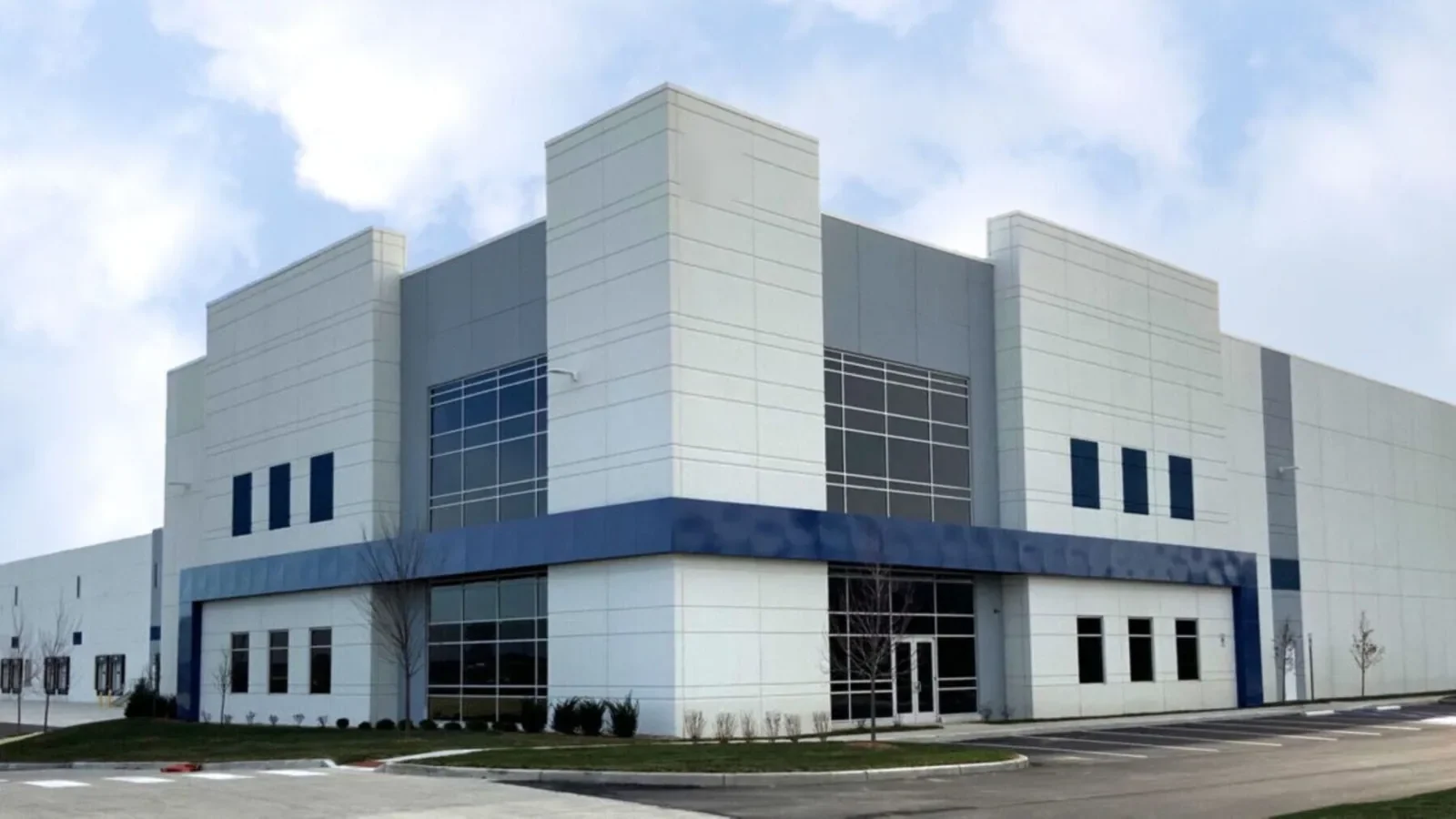
Everett receives more rain in late fall and winter, and occasional freezing nights can affect exposed edges and wet access surfaces. A school project planned for summer still needs a weather contingency, because a roof should not be left open while classrooms remain below. We divide the work into manageable sections, confirm that material is on site, and close each zone before weather reaches it. The daily plan includes temporary tie-ins and a check that drains remain clear.
Delivery and staging can also affect student routes, bus movement, play areas, and staff parking. A site contact identifies safe boundaries before lifts arrive or materials are placed. North Broadway's role as a transit-oriented community hub makes local street and access planning relevant, but campus rules determine where crews work. We document the staging point, roofing zone, and any restrictions so administrators can communicate a predictable schedule to building users.
Leave campus staff with a roof map
A useful school roof closeout records the assembly by section, repair locations, drainage findings, moisture tests, and areas not inspected. Photos should connect each repair to a roof grid, drain, curb, or wing so facilities staff can return to that point. We note materials and preparation, identify temporary work separately, and list follow-up tasks with the access needed to complete them. The record can support maintenance and capital planning across academic years.
For schools near North Broadway or elsewhere in Everett, the climate context remains citywide while the roof evidence is campus-specific. Provide drawings, leak dates, previous repairs, and the school's calendar when scheduling. We will inspect the roof, explain what the evidence supports, and define a scope that respects occupied areas and the next dry-in window. If a later ceiling mark appears, staff can log the room, weather, and date against the mapped roof zone before requesting a follow-up visit.
Commercial Roofing Questions
Can roofing work happen while school is in session?
It can be phased when access, overhead protection, noise, and installation conditions permit. We coordinate each roof zone with the school contact and identify any room or route that needs temporary clearance.
Why does a classroom leak appear away from a roof drain?
Water can follow a deck flute, insulation facer, or seam before reaching the room. We compare the ceiling location with roof slopes and transitions to trace the likely route.
Is summer always the best time to replace a school roof?
The calendar can offer fewer classroom conflicts, but material availability, roof condition, weather, testing, and dry-in capacity still control the sequence. Planning begins with an inspection.
Can we coat an older school roof instead of replacing it?
Only if the existing membrane is compatible, dry enough, and structurally sound for restoration. We inspect adhesion, flashing, drains, and moisture before comparing coating with repair or replacement.
What campus documents are useful for a roofing visit?
Roof plans, past leak reports, repair records, room locations, and calendar restrictions help focus the inspection. We verify current roof conditions rather than relying on drawings alone.
Questions Owners Ask
Can roofing work happen while school is in session?
It can be phased when access, overhead protection, noise, and installation conditions permit. We coordinate each roof zone with the school contact and identify any room or route that needs temporary clearance.
Why does a classroom leak appear away from a roof drain?
Water can follow a deck flute, insulation facer, or seam before reaching the room. We compare the ceiling location with roof slopes and transitions to trace the likely route.
Is summer always the best time to replace a school roof?
The calendar can offer fewer classroom conflicts, but material availability, roof condition, weather, testing, and dry-in capacity still control the sequence. Planning begins with an inspection.
Can we coat an older school roof instead of replacing it?
Only if the existing membrane is compatible, dry enough, and structurally sound for restoration. We inspect adhesion, flashing, drains, and moisture before comparing coating with repair or replacement.
What campus documents are useful for a roofing visit?
Roof plans, past leak reports, repair records, room locations, and calendar restrictions help focus the inspection. We verify current roof conditions rather than relying on drawings alone.
Plan the school roof around the campus calendar
Schedule an Everett school roof inspection. We will trace leak paths, check drainage and moisture, and map the work zones for administrators and facilities staff.
Related Roofing Work
- Commercial Roof Inspection
- Commercial Roof Condition Reports
- College and University Roofing
- Church and House of Worship Roofing
- Occupied Building Reroofing
- North Broadway
Browse every page in Property Types We Roof, or request a roof assessment and we will walk the roof with you.
Questions about this roof? Call 555-555-5555.