
Commercial Roof Repair, Replacement & Maintenance
Aircraft Hangar Roofing in Everett, WA
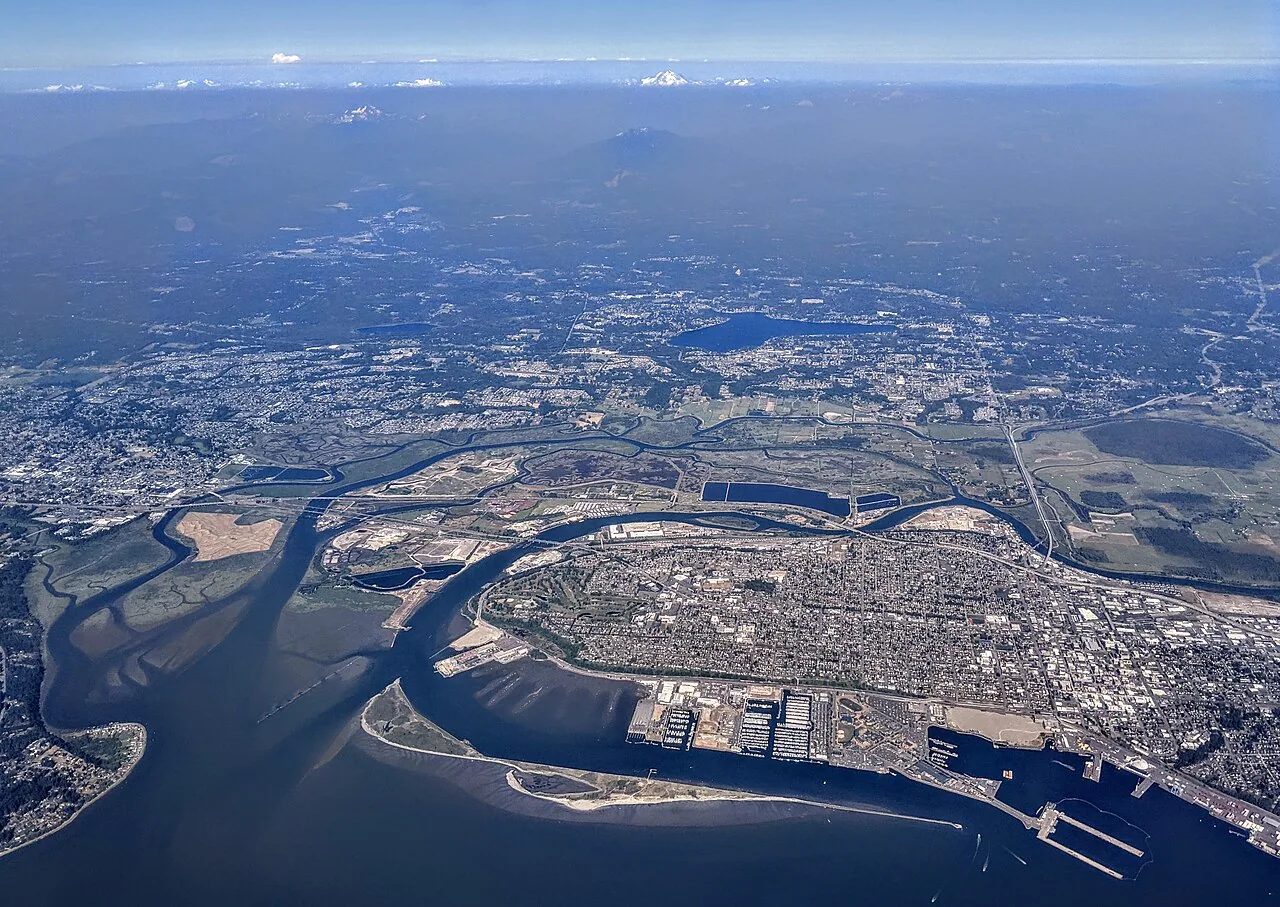
A leak beside a hangar door track can come from a roof edge, wall transition, or a seam above the opening, and the repair boundary must preserve aircraft and ground access. We inspect the roof geometry, membrane or panels, drains, equipment penetrations, and door perimeter before recommending work. Paine Field supports aviation operators, aircraft maintenance, hangars, and airport services in southwest Everett; Naval Air Station Whidbey Island and Naval Station Everett add military aviation and maritime installations to the wider region. Those places provide building and access context, not evidence of our work at any facility. We verify each property and its restrictions. A roof inspection can map findings, and Paine Field area service addresses local aviation-property needs.
Inspect the wide opening and roof-edge transition
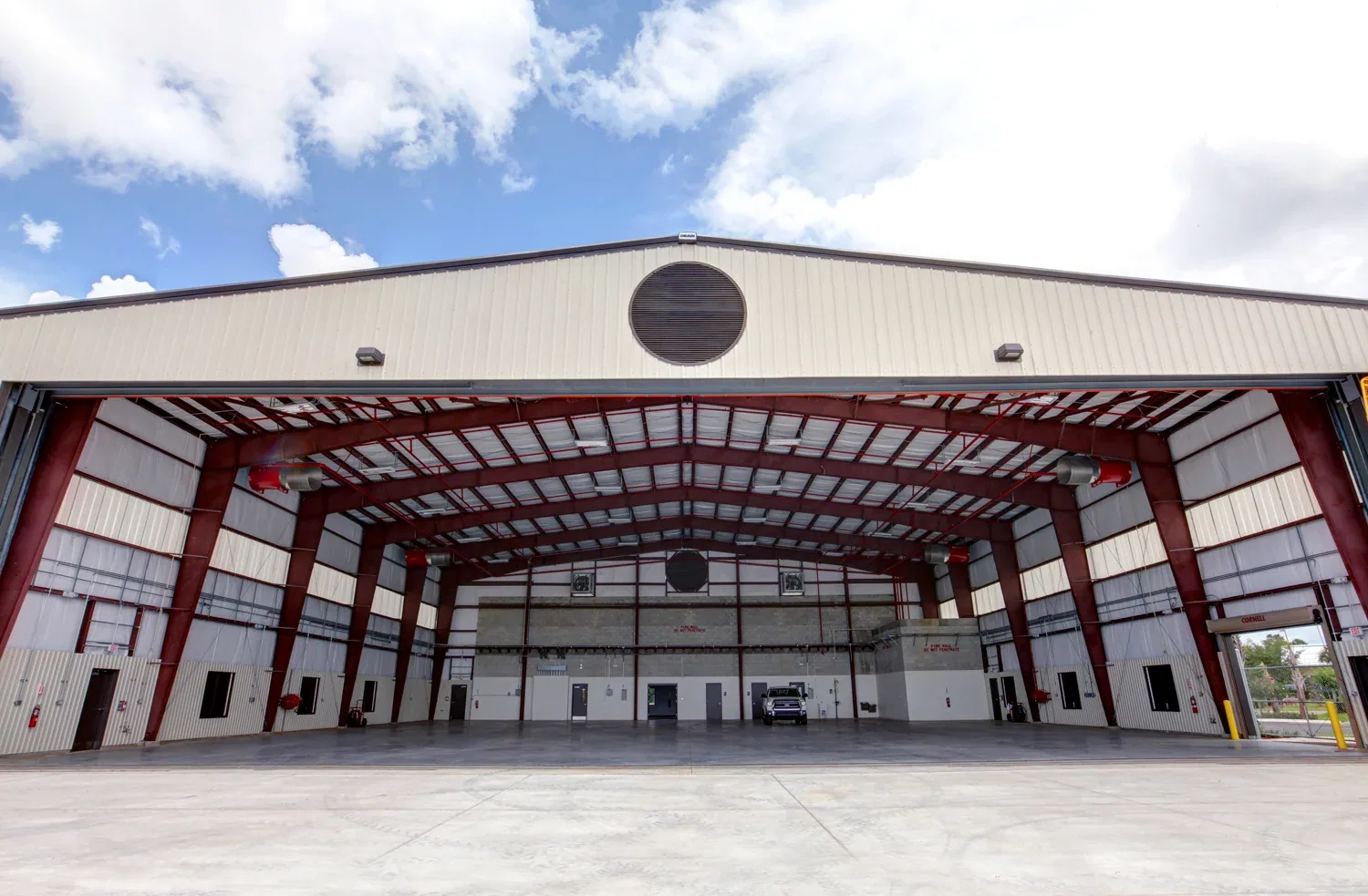
Hangar doors place large moving assemblies beside the roof edge, and the adjacent flashing may experience vibration, water entry, or repeated contact. We inspect the head and jamb details, edge metal, fasteners, seals, and wall-to-roof transition, then compare them with interior water marks. A track or door operator can also have a separate drainage or mechanical issue. We record which condition belongs to the roofing assembly and where the door contractor may need to coordinate.
Large clear-span interiors can make leak location difficult because water may travel along structural framing before it appears at the floor. We map roof bays and door positions with the facility contact, then photograph the detail from safe access points. A flex-industrial roof review considers mixed production and storage space, but the hangar's door height, aircraft clearances, and maintenance route require their own work plan.
Verify panels, membrane, and structural movement
Hangars can use metal panels, low-slope membranes, or different systems over adjacent support areas. We identify the assembly at exposed edges and seams, note panel direction or membrane attachment, and inspect penetrations and prior repairs. Metal panels move as temperatures change; rigid sealant across a moving joint can fail. A membrane seam can require compatible welding or adhesive preparation. We specify a repair only after confirming which material is present and whether the substrate is sound.
Roof framing and door movement should be considered where a leak sits near a structural transition. We do not infer a structural problem from a roof stain, but we record visible deck or flashing distortion for appropriate review. When metal is installed, metal-roof retrofit conditions can be evaluated against attachment, panel condition, and weathering. A separate interior office wing can have another roof type and should not be included in the hangar repair by assumption.
Coordinate access around flight-line operations
Aviation facilities may control entry, escort, badges, vehicle movement, tool handling, and hours when work can occur. The facility contact defines those requirements, and we arrange roof access and staging before arriving. We identify where lifts or cranes can set up without crossing an aircraft route and what area must remain unobstructed. Work around aviation assets needs a sequence that protects the building and leaves an agreed dry-in if operations change the access window.
Paine Field has tenant and support activity, while Naval Air Station Whidbey Island at Ault Field supports Navy aviation, including hangar and maintenance facilities. Naval Station Everett supports Navy surface ships and Coast Guard vessels. These installations provide regional aviation and maritime context; the facility establishes its actual security procedures. Access, escort, and permit conditions are set through the facility process, and we plan work only within an approved window. A naval-facility roof review addresses those operating constraints for the specific building.
Trace water across broad roof spans
Long roof runs can direct water toward interior drains, gutters, or scuppers far from the point where it enters. We inspect the slope, outlets, low areas, curbs, and panel or membrane seams along the path. Debris at a drain may be a maintenance issue, while persistent water after cleaning can indicate a low spot, poor sump, or interrupted flow. We note the physical evidence without assigning a load or structural conclusion that the inspection cannot support.
Everett's wettest normal months are November, January, and December, and occasional freezing nights can affect exposed roof edges. Weather informs the work window, but the roof visit determines if water is held at a particular hangar. We keep drains open during repairs and secure temporary edges before ending a shift. A drone-assisted roof review may document broad areas where safe and permitted, but hands-on inspection or test openings may still be required around critical details.
Test the assembly before choosing a large repair
A moisture boundary can extend beyond the visible leak, particularly where water moves through insulation or along a deck flute. We compare interior symptoms with roof seams and penetrations, then use readings or test cuts when the result will change a recover or replacement decision. Infrared images may help prioritize a test area under suitable conditions, but do not confirm wet insulation or corrosion on their own. We record where each test was performed and what the opening revealed.
Aircraft maintenance schedules can influence the available access period, so a test opening needs to be restored before the area returns to use. We prepare temporary closure materials and protect the interior from debris. If evidence is limited to a door transition, a localized repair may be sufficient; if moisture extends across the roof field, broader removal may be compared. The report states uncertainty and the next test needed instead of treating the whole hangar as one condition.
Document the roof and the access boundary
The closeout identifies the roof material, inspected bays, repairs, drain findings, moisture tests, access limits, and any temporary work. Photos should tie a seam or door detail to a numbered bay or feature that the facility can locate later. We list required follow-up and distinguish it from completed permanent work. If portions of the roof were unavailable due to flight-line operations or security restrictions, the record names those areas without assigning a condition.
For a facility near Paine Field and Boeing Manufacturing Center, aviation uses and industrial activity can shape staging and access. A hangar in another Everett-area district may have different requirements. Provide the roof plan, door schedule, access rules, recent equipment work, and leak dates when requesting a visit. We will map observed conditions and define a repair scope that respects aircraft movement and the approved work window. The closeout can identify which bay or door edge should be checked after the next heavy rain, and what roof access is needed to complete that follow-up.
Commercial Roofing Questions
Can hangar doors stay in use during roof repairs?
The facility contact sets aircraft and vehicle movement limits. We plan work around the door opening and protect the repair zone, but an active door area may need a temporary restriction.
How do you inspect a roof leak above a wide hangar floor?
We map the interior location to roof bays, structural lines, seams, drains, and door transitions. Water may travel before it reaches the floor, so the inspection follows the likely route.
Can drone imagery inspect a hangar roof?
It can document visible surfaces when flight and site rules permit. It cannot verify attachment or concealed moisture, so hands-on review may still be required.
What access details should we arrange for a military facility?
A facility sponsor identifies escort, badging, tool, vehicle, and scheduling procedures. We coordinate within those rules and do not assume access or credentials.
Does every hangar need a metal roof repair plan?
No. We identify the actual membrane, panel, attachment, and transitions first. Each system has different movement and repair requirements.
Questions Owners Ask
Can hangar doors stay in use during roof repairs?
The facility contact sets aircraft and vehicle movement limits. We plan work around the door opening and protect the repair zone, but an active door area may need a temporary restriction.
How do you inspect a roof leak above a wide hangar floor?
We map the interior location to roof bays, structural lines, seams, drains, and door transitions. Water may travel before it reaches the floor, so the inspection follows the likely route.
Can drone imagery inspect a hangar roof?
It can document visible surfaces when flight and site rules permit. It cannot verify attachment or concealed moisture, so hands-on review may still be required.
What access details should we arrange for a military facility?
A facility sponsor identifies escort, badging, tool, vehicle, and scheduling procedures. We coordinate within those rules and do not assume access or credentials.
Does every hangar need a metal roof repair plan?
No. We identify the actual membrane, panel, attachment, and transitions first. Each system has different movement and repair requirements.
Inspect the hangar roof around aviation access
Schedule an Everett aircraft-hangar roof evaluation. We will review roof bays, door transitions, drainage, and the approved access window.
Related Roofing Work
- Commercial Roof Inspection
- Paine Field and Boeing Manufacturing Center
- Flex and Light-Industrial Roofing
- Metal Roof Retrofit
- Naval Facility Roofing
- Paine Field and Boeing Manufacturing Center
Browse every page in Property Types We Roof, or request a roof assessment and we will walk the roof with you.
Questions about this roof? Call 555-555-5555.