Commercial Roof Repair, Replacement & Maintenance
Commercial Roofing in Evergreen Way and 50th Street, Everett, WA
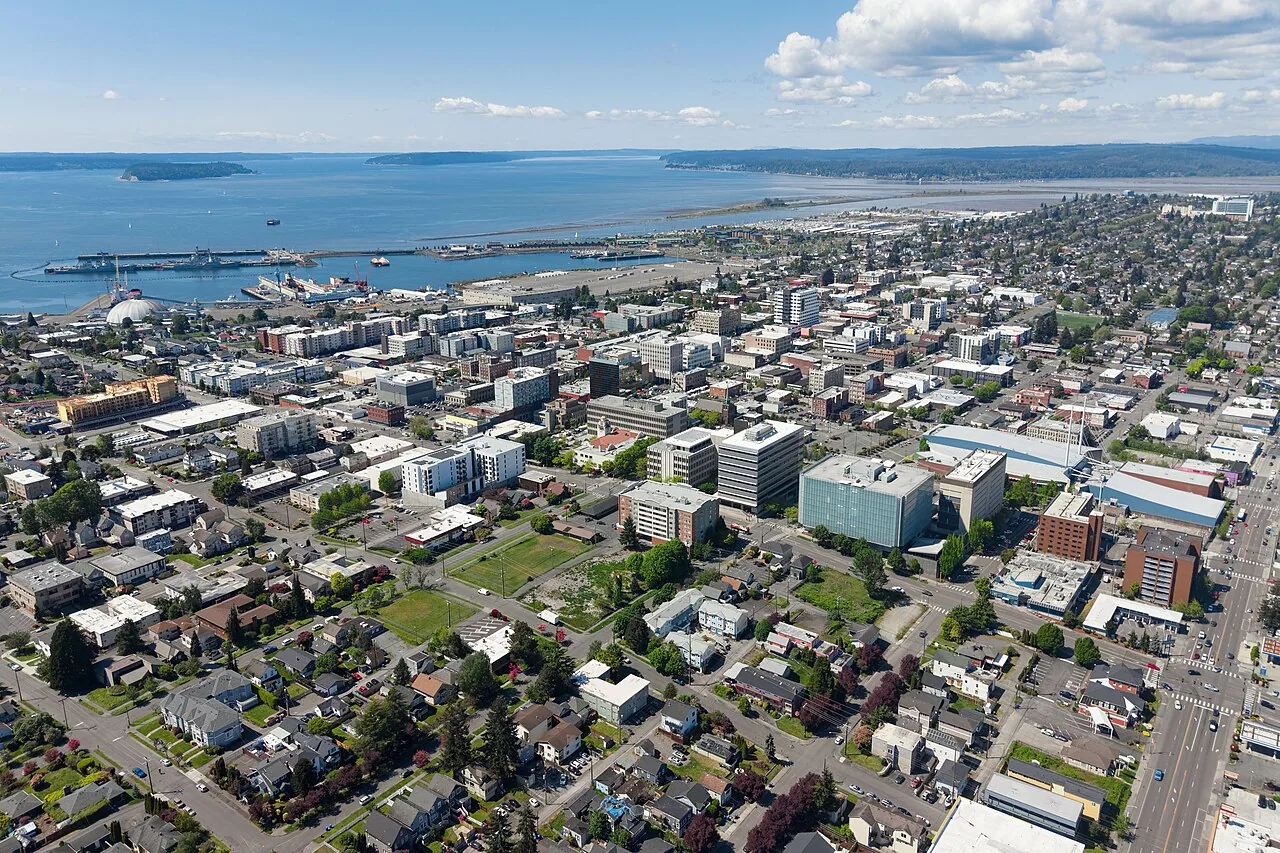
Evergreen Way and 50th Street is identified as a neighborhood node on Everett's commercial spine. The adopted framework describes nodes as local centers for neighborhood businesses and services. That gives property managers a useful area reference, but it does not tell us what is installed on any particular roof. We confirm the building's system, access, leak history, and operating limits before a scope is priced. A first walk can identify visible seam, edge, drain, or flashing concerns and mark where more testing may be needed. A commercial roof inspection sets the evidence baseline for work near Evergreen Way and 50th Street.
Use the corridor context for access planning
The city places this node on the Evergreen Way commercial spine, where local business and service uses connect with surrounding neighborhoods. For roof work, the useful question is how the individual property functions. Confirm hours, loading and customer routes, roof access, equipment contacts, and any areas that cannot be closed. If a building has several occupants, agree on who approves work and who receives notice about access, noise, or temporary changes.
Do not assume a roof type or tenant mix from the center designation. The crew should verify the actual property, identify a safe route to the work area, and plan protection below. A lift or material staging area can affect parking and sidewalk access. If service needs to remain available, establish a daily closure point and who checks temporary protection. A repair visit can be coordinated more accurately when those constraints are part of the written estimate.
Connect interior reports to testable roof details
For a leak, write down the date, room or suite, recurrence, weather, and any recent work above the affected area. Map the interior location against roof drains, pipe penetrations, equipment curbs, seams, wall transitions, and the roof edge. Water can move under the membrane or along framing before it becomes visible. A nearby seam is a place to inspect, not a confirmed cause. Photograph the field condition with enough context to return to it and label each test point on a plan.
Everett receives about 40.25 inches of precipitation in a normal year, with the wetter monthly totals in late fall and winter. That makes drain access and protected work sequencing useful considerations near the commercial spine. Check each roof's drains, overflow routes, and membrane transitions before setting the maintenance scope. Check the outlet, clamping detail, overflow path, and surrounding membrane independently. If conditions are concealed, discuss a moisture survey or selective opening and explain what would be learned before expanding the scope. A leak assessment should separate observed evidence from an untested possibility.
Check the assembly from perimeter to penetration
A roof walk should record the membrane or system when it can be verified, visible repairs, seams, wall flashing, penetrations, drains, metal edges, and access limitations. Look for lifted laps, open welds, punctures, blistering, loose metal, or sealant pulling away from an adjacent material. Map each condition rather than describing a whole roof with one broad label. The inspection should show what was actually checked and what remained inaccessible.
Review available plans and past repair records against the field. Additions, equipment changes, and repeated service visits can leave a roof with separate materials or a modified drainage path. Ask who last worked on the equipment or membrane and whether the invoice or scope is available. Check supports and walk paths for damage from maintenance traffic. If a moisture test is recommended, identify why and what decision depends on its result. A condition report can make the roof map and inspection limits available to a future service crew.
Select a repair boundary the owner can verify
A targeted repair needs a defined location, compatible material, preparation method, and a way to check the finished detail. Include access, protection, cleanup, and any interior safeguards. Where wet insulation or deck damage may be present, state how removal and added quantities will be authorized. If a temporary measure is installed, mark it as temporary and set a follow-up trigger. A patch that hides a leak without addressing the substrate can leave the cause unresolved.
If several areas show failure, compare restoration or replacement rather than extending a series of uncertain patches. A proposal should identify membrane, insulation, cover board, attachment, edge metal, drains, flashing, tear-off assumptions, disposal, and warranty limits. A replacement scope should disclose unit prices for hidden damage and explain whether the existing system can remain. Washington building and energy requirements apply to project design and permitting; verify the code path for the specific work. Keep each bid on the same roof area and assumptions so the owner can compare complete scopes.
Set daily protection before opening the roof
Everett's maritime climate brings a pronounced wet season, so work planning should define how an exposed section will be closed at the end of each day. Check forecasts, product temperature limits, substrate moisture, and the route water could take if rain arrives early. Keep drains open during work and protect occupied areas below. Put temporary cover materials and a named decision maker in the plan. Record when a section is opened and how it is secured overnight.
Everett averages roughly 51 days per year with minimum temperatures at or below freezing; check roof-surface conditions before applying adhesives or coatings. This describes regional exposure, not the condition of a specific roof surface. Check the actual substrate before applying an adhesive or coating and follow product instructions. A shaded surface can stay damp or colder than expected. Build contingency time into the schedule when sidewalk or customer access limits available work windows. For urgent water entry, emergency roof repair can stabilize exposure while a permanent detail is planned for suitable conditions.
Keep the property record current
After service, retain dated photos, a roof plan with work locations, materials used, test results, and the limits of what the crew inspected. Write down whether drains and overflows were clear, which seams were probed, and whether any area was inaccessible. If an issue needs a return visit after rain or after equipment work, give the owner a clear date or condition for that check. The next technician should be able to find the repaired detail.
Everett's framework directs long-term growth toward centers and corridors, including this node. Keep roof records current as commercial properties change and planned corridor improvements proceed. Note tenant or equipment changes that could affect roof access. A maintenance plan can set inspection timing by observed condition, warranty obligations, and operating consequence. Owners coordinating work near Evergreen Way and Madison Street or Evergreen Way and Casino Road can align calendars without merging the roofs' histories.
Leave clear next steps after the visit
The closeout should answer what was inspected, what was found, what was done, and what remains uncertain. Attach a marked plan and labeled photos. Distinguish confirmed damage from a suspected path and identify any test that could change the recommendation. If the roof can remain in service, define what warrants another look. If replacement is proposed, show the conditions and quantities that support that decision.
Evergreen Way and 50th Street is a neighborhood node for businesses and services on a major commercial corridor. The local designation gives the owner area context; a property-specific report remains the basis for spending. Review immediate repair, follow-up testing, and longer-term capital needs separately. Store access notes with the roof plan so future work begins with the current building record. For broader city context, compare this corridor with Metro Everett, where civic and commercial activity creates different access considerations.
Commercial Roofing Questions
What is the Evergreen Way and 50th Street node?
Evergreen Way and 50th Street is a neighborhood node along Everett's commercial spine, serving nearby businesses and services.
Can the area designation identify a building's roof system?
No. Plans, product records, and field observations are needed to verify the assembly and its condition.
What should a repair estimate describe?
Include the repair boundary, material compatibility, preparation, access, protection, concealed-condition process, and completion check.
How should maintenance timing be chosen?
Use roof condition, past repairs, warranty duties, seasonal exposure, and the consequence of service interruption.
Questions Owners Ask
What is the Evergreen Way and 50th Street node?
Evergreen Way and 50th Street is a neighborhood node along Everett's commercial spine, serving nearby businesses and services.
Can the area designation identify a building's roof system?
No. Plans, product records, and field observations are needed to verify the assembly and its condition.
What should a repair estimate describe?
Include the repair boundary, material compatibility, preparation, access, protection, concealed-condition process, and completion check.
How should maintenance timing be chosen?
Use roof condition, past repairs, warranty duties, seasonal exposure, and the consequence of service interruption.
Inspect the roof before approving a repair
Schedule commercial roof service near Evergreen Way and 50th Street. We will document conditions, access, and next steps for the property.
Related Roofing Work
- Commercial Roof Inspection
- Commercial Roof Repair
- Commercial Roof Leak Repair
- Commercial Roof Condition Reports
- Commercial Roof Replacement
- Preventive Roof Maintenance
- Evergreen Way and Madison Street
- Evergreen Way and Casino Road
Browse every page in Service Areas, or request a roof assessment and we will walk the roof with you.
Questions about this roof? Call 555-555-5555.