Commercial Roof Repair, Replacement & Maintenance
Commercial Roofing for Property Management Companies in Everett, WA
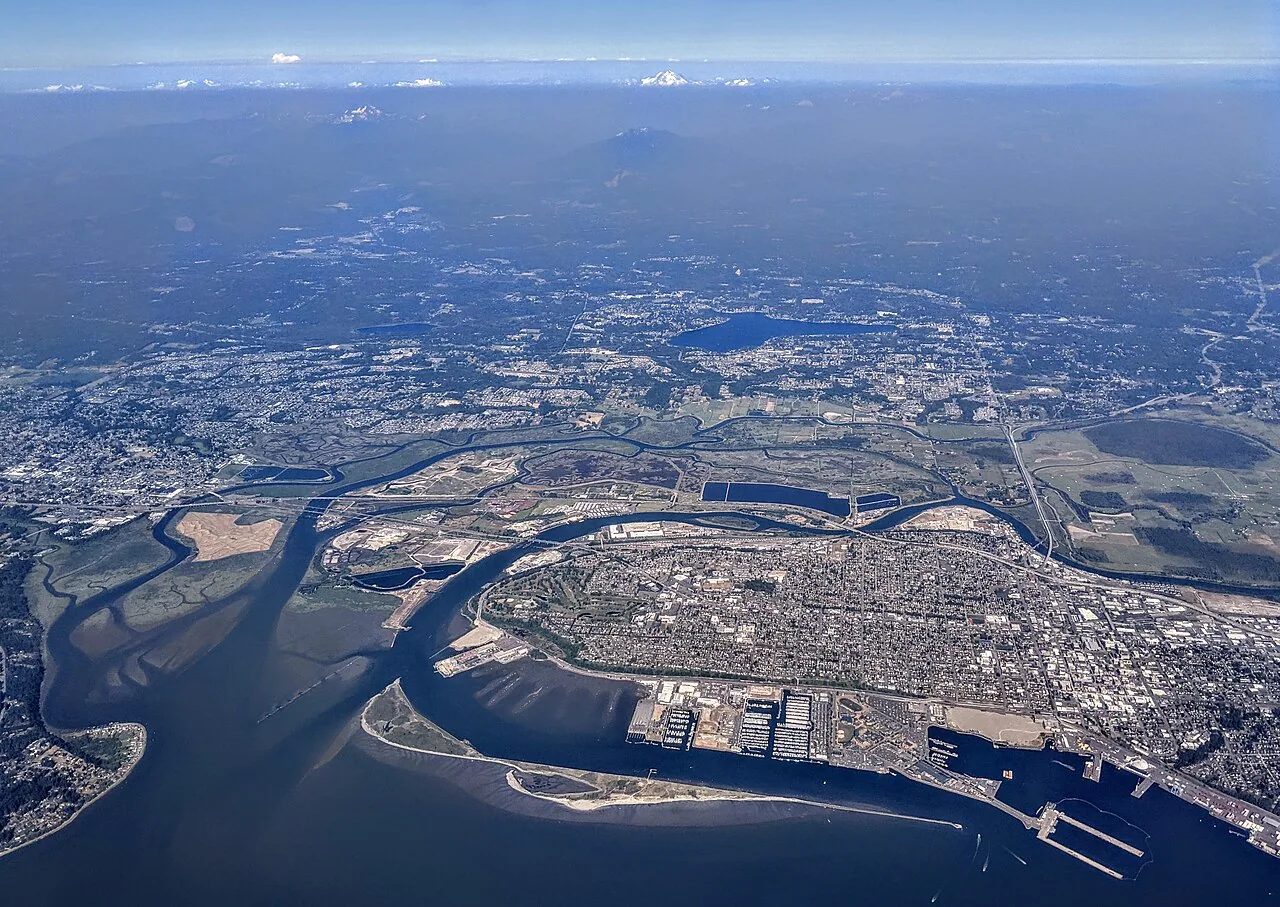
On a multi-building Everett portfolio, a roof walk can reveal three drainage layouts even when the service log groups every leak under one property name. The useful comparison starts with the assembly, access, water path, and repair history at each address, then gives management a consistent way to see what needs attention. Buildings near Metro Everett may have offices, shops, residences, and civic uses, while the Paine Field employment area includes aviation, maintenance, and industrial facilities. Those differences change roof access and operating constraints. We inspect each roof as installed, then organize findings so the portfolio view preserves the details that drive each decision. A multi-site roof program can connect those building records without treating unlike roofs as interchangeable.
Give each roof its own condition record
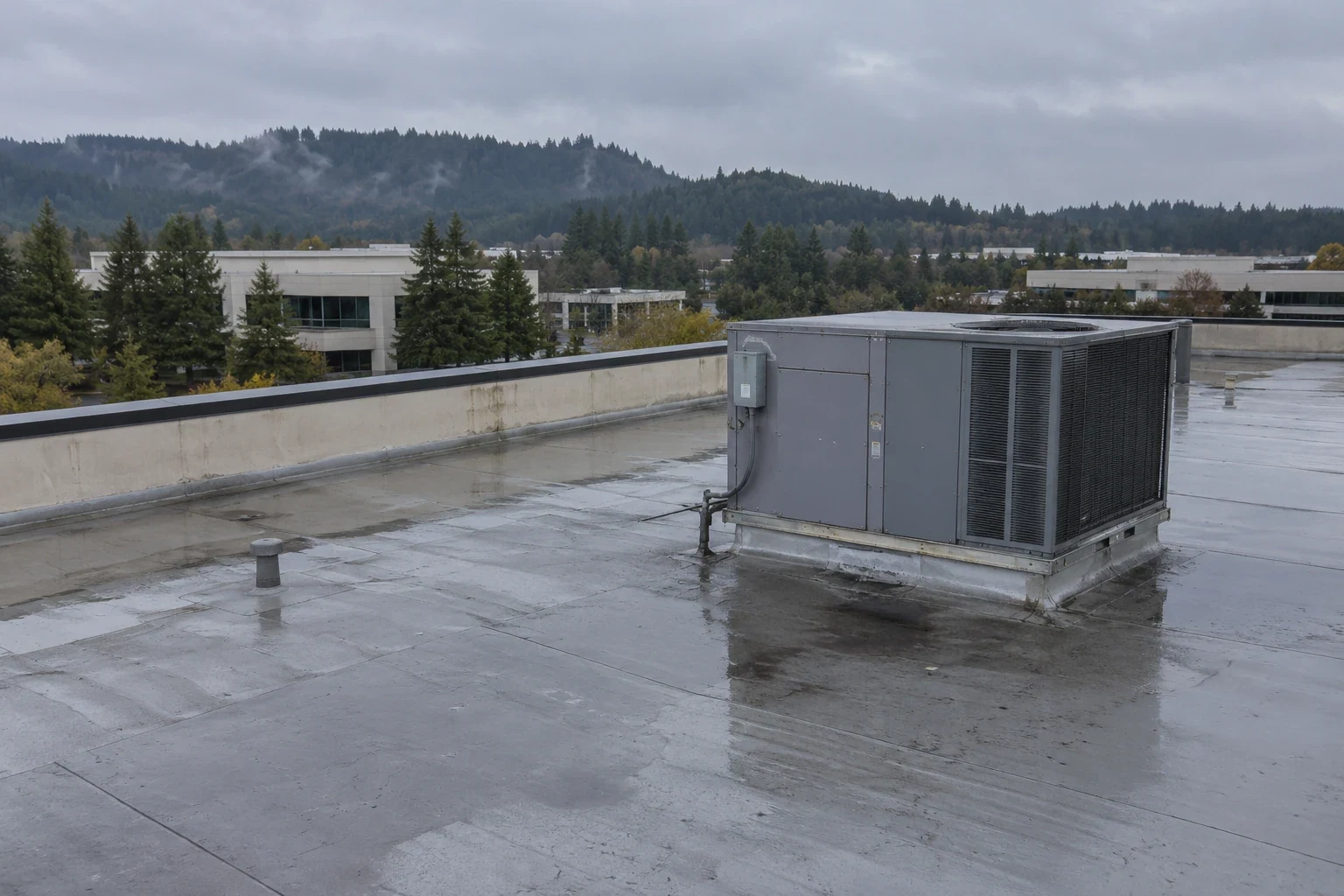
Portfolio management needs an inventory that identifies roof sections, system type, approximate age when records support it, drainage details, penetrations, prior work, and areas that were inaccessible. We confirm visible construction at the property rather than copying a label from an old invoice. A single building can contain an original membrane, a later addition, and patches from several service visits. The report should show where each condition sits, what evidence supports it, and whether a test opening or follow-up visit is needed before pricing broader work.
Everett's industrial mix includes maritime facilities and warehousing near the Port, as well as aerospace and airport-support uses around Paine Field. That context can suggest different equipment, loading, or security questions for site access, but it does not identify any individual roof. We record building-specific controls, such as hatch location, escort needs, restricted rooms, and lift scheduling, alongside the roof map. When a manager oversees both manufacturing and investment-owned properties, separate records help compare condition and exposure without assuming the buildings share a maintenance history.
Separate active water from planned work
A report of water above a tenant suite, a loose edge detail, and an aging but dry roof belong in different response lanes. We trace an active leak from the interior symptom to roof transitions, drains, curbs, and seams, then identify any immediate protection needed while the permanent repair is scoped. A condition that is not admitting water can still warrant repair before the next wet period, but urgency should follow observed deterioration, consequence, and exposure. We separate temporary protection from permanent work in the scope, so a call made during active rain does not blur the final repair boundary. Where several tenants share a building, we also note which rooms or operations could be affected if the condition expands. For a portfolio manager, a written roof inspection makes the basis for that priority visible to ownership and building staff.
Everett's annual precipitation normal is just over 40 inches, with the wettest normals concentrated in November, December, and January. Track outlets and open transitions before the rainy season, then prioritize each property from its inspection findings. We note whether an outlet was obstructed, water remained after rain, or the roof surface was dry during the visit. A drain and scupper review can address observed outlet conditions, while broader deterioration needs a separate membrane and substrate assessment.
Tie each recommendation to a repair boundary
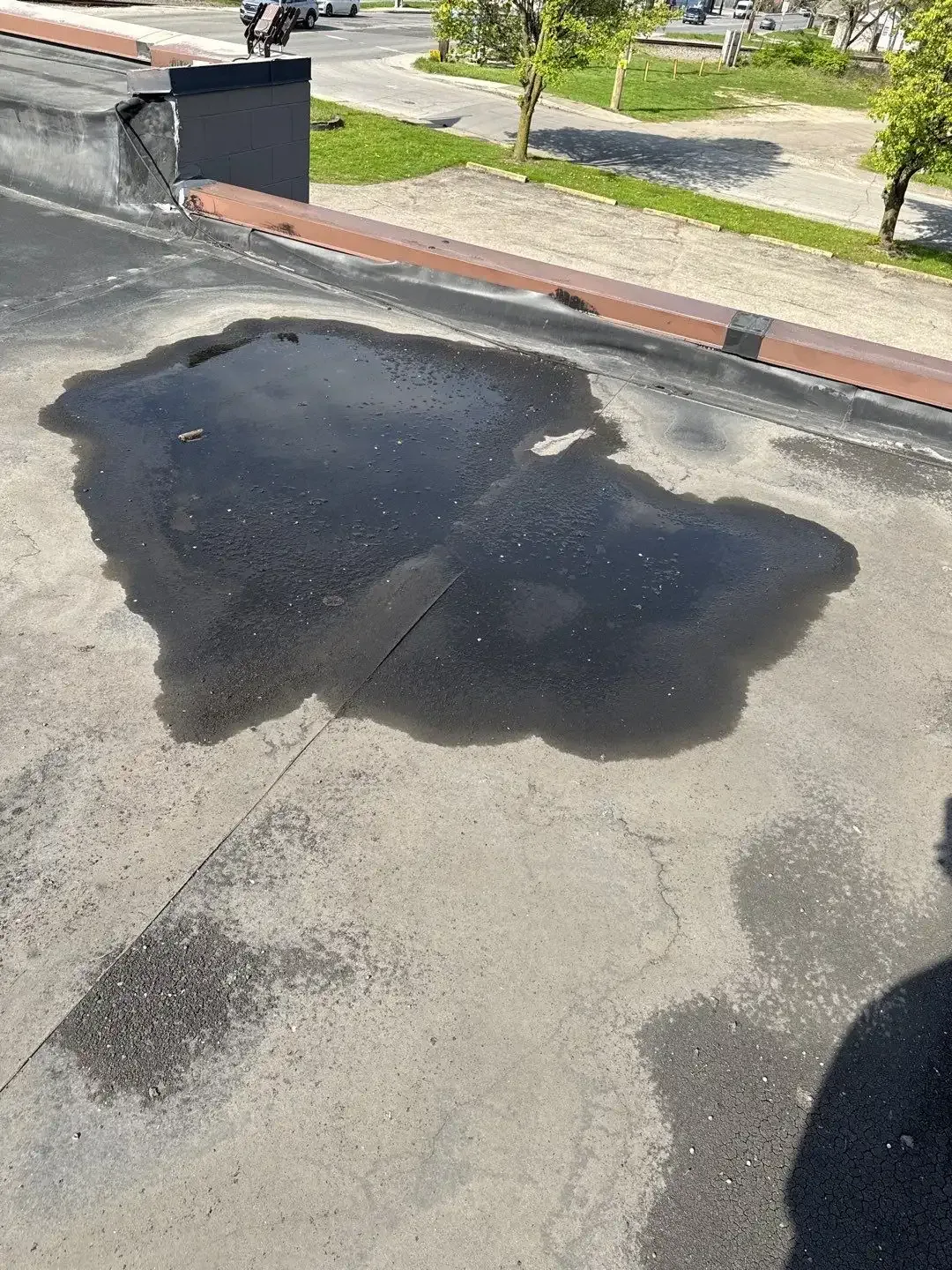
Owners need to know whether a proposal covers one penetration, a roof zone, or a full assembly. We describe the defect, the material it reaches, the preparation required, and the edge where repair stops. If moisture extends beyond a visible opening, targeted testing can help determine whether insulation or deck work changes the scope. Where the roof is sound outside a localized defect, a compatible repair may retain serviceable material. If wet insulation, failed attachment, or widespread seam deterioration continues across zones, selective removal or replacement may be the better comparison.
Repeat visits matter when earlier work concealed the surface or when multiple contractors used different materials. We photograph the current detail, compare available records, and mark repairs that need observation after the next rain. A condition report should distinguish confirmed findings from items that could not be verified, so the next manager does not mistake a limitation for a clean bill of health. For industrial assets around the Port, or tenant-facing buildings near Metro Everett, the physical scope stays tied to that building's roof and access plan.
Sequence budgets by condition and consequence
A portfolio capital plan is useful when it connects roof condition to a practical time horizon, rather than ranking every property by age alone. We group work by observed failure mode, moisture extent, repair recurrence, drainage performance, and the cost or operational effect of delaying action. A membrane with a limited flashing defect may remain a repair candidate; widespread wet insulation or repeated failures at multiple transitions can change the economics of further patching. The recommendation records the evidence and the next decision point so ownership can compare current repair with a larger project.
Timing also follows access and weather. A wet-season leak may need immediate protection, while planned replacement can be scheduled around tenant activity, equipment shutdowns, loading periods, and suitable installation conditions. We can stage work by roof zone when the building remains occupied, with a defined path for protection and dry-in. Recurring service through preventive roof maintenance can keep drains and transitions visible between capital projects. For manufacturing and logistics clients, manufacturing roof planning calls for the same building-specific review of process equipment and operating windows.
Keep tenant reports connected to roof work
Management often receives the first warning from a tenant, janitorial staff, or a building engineer. A useful intake note captures the room or bay, date and time, weather, whether the symptom returned, and any nearby plumbing or mechanical change. We compare that report with the roof plan and previous repair photos before setting access. If an interior check is needed, staff can arrange entry and protect sensitive areas while the roof inspection follows the same location references. This reduces the chance that a second report starts from zero.
At turnover, ownership needs a clear record of completed repairs, open items, warranties or manufacturer documents available for that specific assembly, and maintenance tasks that remain. We list any areas not reached and state what further access would resolve the uncertainty. Property managers can then give new staff a concise roof history without presenting an old inspection as current. For a portfolio that includes distribution and warehouse buildings, dock operations and interior storage constraints belong in the site record as much as the roof hatch and drain map. Schedule an inspection with available leak logs, roof plans, prior invoices, and tenant access requirements.
Commercial Roofing Questions
Can one inspection format work across a mixed portfolio?
Yes, the record can use common fields for condition, urgency, and next action while preserving each roof's assembly, location, and access details.
How should we rank a recurring leak against an older dry roof?
Start with confirmed moisture, repair history, affected use, and the consequence of another failure. Age alone does not show which roof needs work first.
What should a roof report say when a section was inaccessible?
It should mark the area not inspected, explain the access limit, and identify what follow-up access or testing is needed before drawing a conclusion.
Can repairs be scheduled without closing an occupied property?
Many scopes can be phased, subject to roof safety, weather, noise, equipment, and tenant access. We define any restricted area before work begins.
Which records help compare repair with replacement?
Roof plans, prior scopes, leak dates, moisture findings, and repair invoices help establish the history. We verify present conditions because records may not reflect later work.
Questions Owners Ask
Can one inspection format work across a mixed portfolio?
Yes, the record can use common fields for condition, urgency, and next action while preserving each roof's assembly, location, and access details.
How should we rank a recurring leak against an older dry roof?
Start with confirmed moisture, repair history, affected use, and the consequence of another failure. Age alone does not show which roof needs work first.
What should a roof report say when a section was inaccessible?
It should mark the area not inspected, explain the access limit, and identify what follow-up access or testing is needed before drawing a conclusion.
Can repairs be scheduled without closing an occupied property?
Many scopes can be phased, subject to roof safety, weather, noise, equipment, and tenant access. We define any restricted area before work begins.
Which records help compare repair with replacement?
Roof plans, prior scopes, leak dates, moisture findings, and repair invoices help establish the history. We verify present conditions because records may not reflect later work.
Build the next roof decision from field evidence
Schedule an Everett portfolio roof inspection. We will map conditions by building, identify urgent exposure, and document repair and capital-planning priorities.
Related Roofing Work
- Multi-Site Commercial Roof Programs
- Commercial Roofing for Real Estate Investors
- Commercial Roof Inspection
- Commercial Roof Drains and Scuppers
- Commercial Roof Condition Reports
- Metro Everett
- Preventive Roof Maintenance
- Commercial Roofing for Manufacturers
Browse every page in Industries We Serve, or request a roof assessment and we will walk the roof with you.
Questions about this roof? Call 555-555-5555.