
Commercial Roof Repair, Replacement & Maintenance
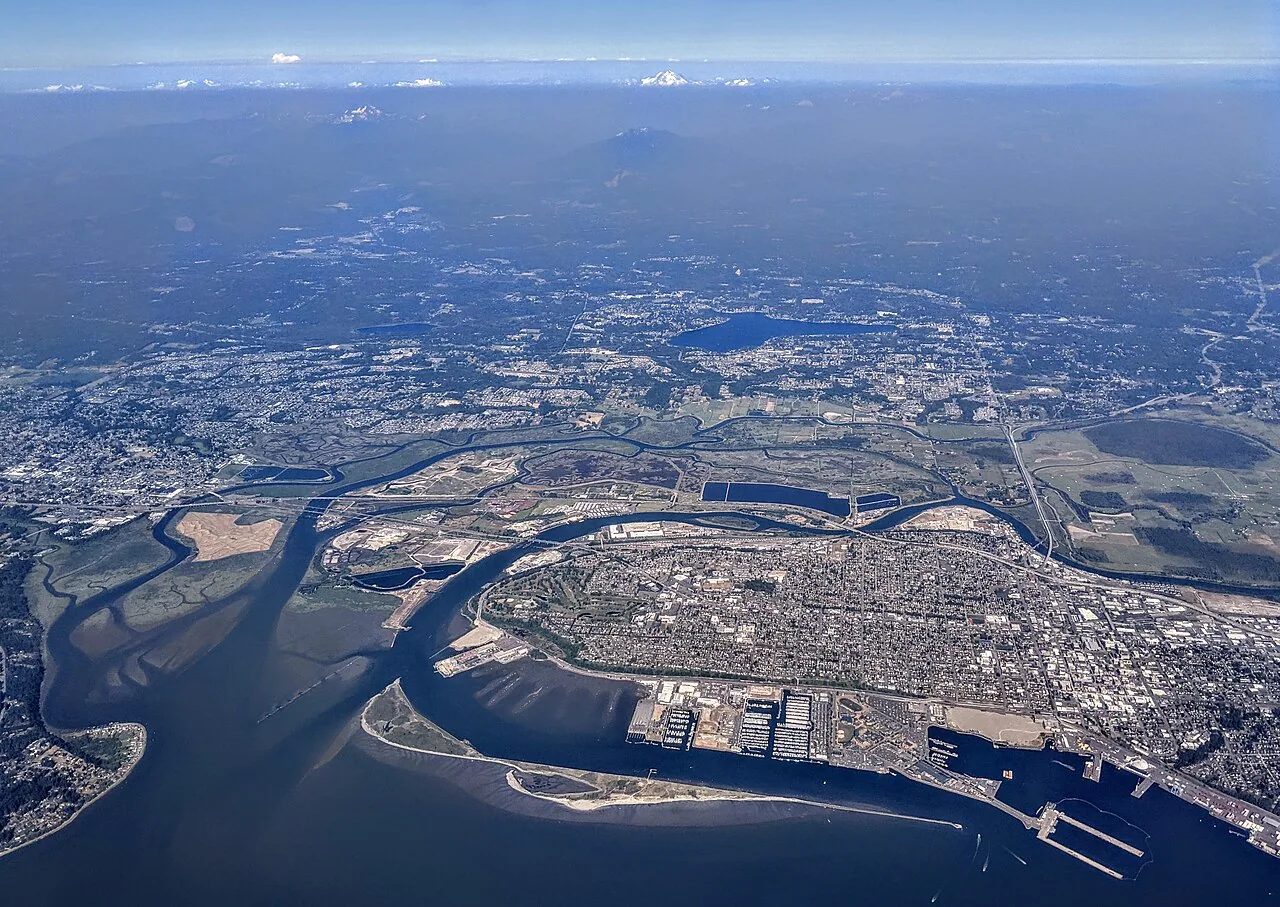
Medical Office Roofing in Everett, WA
A ceiling stain above a treatment room needs a careful route from interior evidence to roof detail, with access coordinated so patient care can continue safely. We compare the reported time and location with roof seams, penetrations, HVAC equipment, drainage, and any recent service work before setting the repair boundary. Healthcare is a major employment category in Snohomish County, and Metro Everett includes civic, office, and commercial uses; Mill Creek supports local business and development activity. Confirm each clinic's roof assembly, patient-access schedule, and equipment shutdown requirements with the site contact. We verify the assembly and building schedule directly. A roof inspection can map the condition, and a written condition report lets facilities and clinical operations coordinate from the same findings.
Coordinate roof access with patient operations
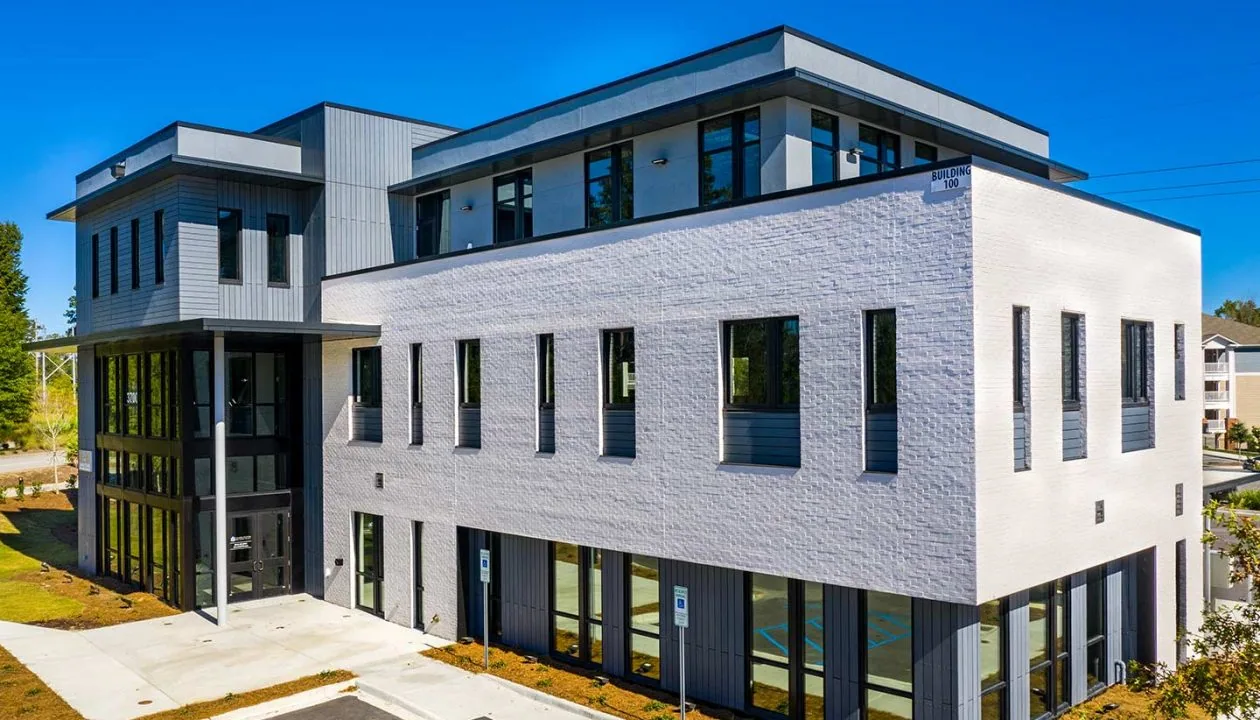
Clinics may have appointment schedules, pharmacy deliveries, medical equipment, and patient entry routes that cannot be treated like an empty building. We confirm roof hatch access, work hours, noise restrictions, and any zones where dust or odors require advance notice. A repair is staged so an open roof area is closed at the planned point in the shift, and interior protection is established before materials move above a sensitive room. The facility contact controls clinical access and any needed system shutdown.
Work around Metro Everett or Mill Creek may occur in properties with different parking and loading conditions, but each clinic defines its own operating rules. We coordinate the lift or material route, identify entrances that need protection, and keep drains clear during staging. If a larger project must proceed while the practice remains open, occupied-building phasing can specify the sequence and temporary boundaries. For a more complex campus with hospital functions, hospital roofing addresses those broader circulation and equipment needs.
Trace leaks beside medical equipment
Rooftop units, exhaust fans, intake hoods, conduit, and plumbing vents can place several penetrations near a patient room. We inspect flashing terminations, curb corners, sealant joints, and the membrane between equipment and the drain. A condensation line or plumbing leak may resemble roof entry, so we compare the symptom with HVAC operation and weather timing. If a water mark changes after system cycling rather than after rain, that observation can help narrow the next test.
Equipment service often involves repeated foot traffic and temporary removal of panels. We look for a puncture or loose walkway protection along the route and record any abandoned curb or altered support. A curb and support inspection can define the roof detail work while the facility team handles mechanical activity. We avoid assuming the nearest unit caused an interior leak; the path and material condition have to support that conclusion.
Check drainage and interior moisture together
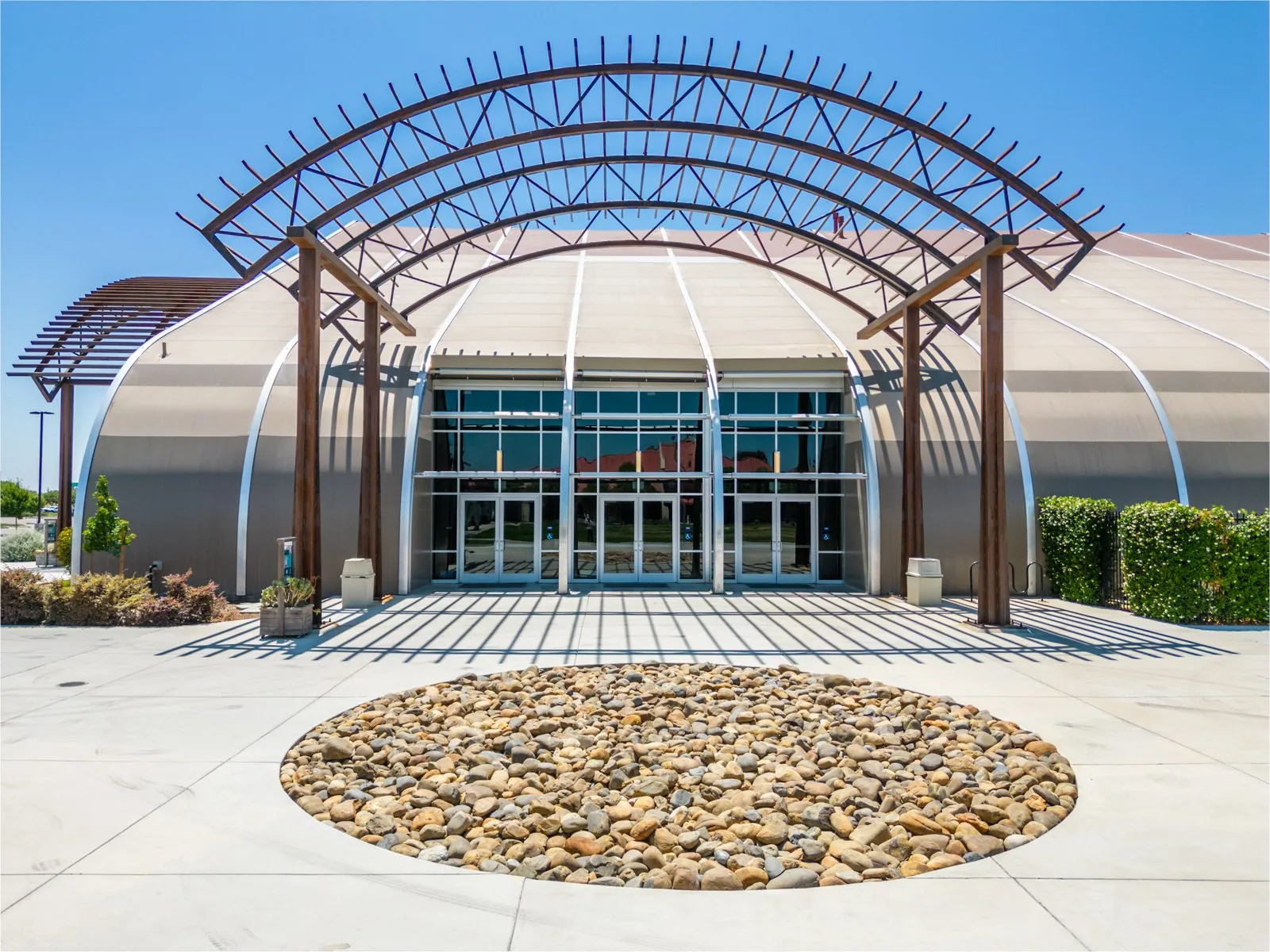
Water can back up at a restricted drain, move beneath a membrane, and emerge at an interior partition far from the roof low point. We inspect strainers, drain bowls, scuppers, parapets, and crickets, then compare the roof pattern with the room report. If a facility has a history of recurring ceiling repairs, we look for repeated symptoms and their dates rather than relying on one observation. Testing may include accessible insulation readings or a targeted opening when the result changes the work plan.
Everett's wet season is strongest in late fall and winter, while occasional freezing nights can affect exposed metal transitions and water at outlets. The regional pattern helps schedule attention but does not prove a building has a leak. A maintenance program can keep drains and flashings visible between projects, while a roof-specific EPDM inspection checks seam and flashing details when that membrane is confirmed. Findings should identify what was observed, what was tested, and what remains uncertain.
Protect finishes without hiding the cause
Ceiling tile replacement or paint can restore a room while the roof condition remains unresolved. Before interior finishes are closed, we identify whether insulation is wet, whether the deck shows corrosion, and whether a penetration or seam remains open. The inspection can separate a roof repair from plumbing, HVAC, or condensation work that belongs to another system. That distinction helps the owner avoid repeating interior repairs after the next rain.
Medical offices may share a building with administrative, imaging, or laboratory functions. We do not infer what equipment or construction is present from a property label; the site contact identifies the affected room and any operating restrictions. A nearby office-building roof review addresses tenant spaces and interior finishes, but a clinic's patient schedule should inform the actual phasing. If a roof zone cannot be accessed during the first visit, the report lists it for a separate inspection rather than assigning a condition without evidence.
Secure the roof before the next weather change
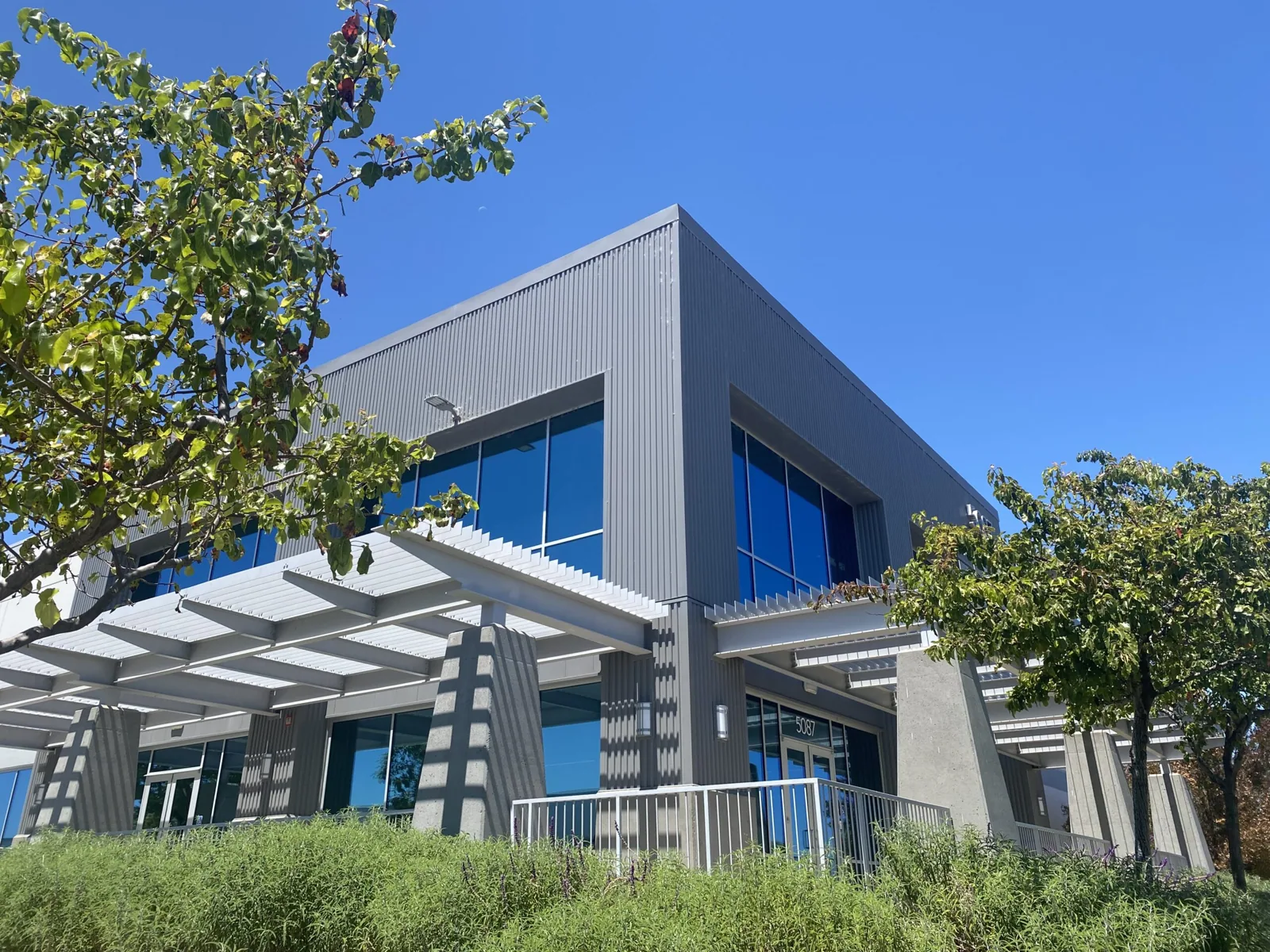
An active opening above a patient area may need immediate protection while a permanent repair is developed. We locate the likely entry, determine whether the surface can be safely worked, protect the affected roof zone, and record what remains open. A temporary measure has a defined boundary and follow-up requirement; it is not described as a permanent repair until the detail and materials are restored.
Rain can shorten the dry-in window in Everett, so staging, material compatibility, and access need to be ready before the roof is opened. We coordinate with the clinic contact on room use and any temporary move or closure below the work. When water is entering, emergency roof protection can reduce immediate exposure; a later visit confirms the moisture extent and permanent repair. For a multi-location provider, consistent records help compare facilities without assuming their assemblies match.
Leave findings usable for the facilities team
The closeout records the repair zone, roof assembly, flashing and drain conditions, interior symptom, moisture tests, and any restricted area that remains uninspected. Photos tie details to a curb, parapet, or roof grid so future maintenance can find the same point. We note the temporary versus permanent work, materials used, and any additional access required. That record lets facilities staff answer what was observed without treating a visible ceiling stain as proof of a roof defect.
Healthcare properties near Metro Everett or elsewhere in Snohomish County can have distinct tenant and patient schedules. Share room-use limits, roof plans, water-event dates, and recent mechanical service details when arranging a visit. We will trace the condition, explain the evidence, and define the roof work separately from any building-system issue that needs another review. If water reappears, record the room, time, recent system operation, and weather so the follow-up can compare the same evidence with the repaired roof zone.
Commercial Roofing Questions
Can roof work continue during clinic hours?
The work window depends on access, noise, odors, overhead risk, and the room below. We coordinate the roof phase with the facility contact and identify any brief restriction before opening a section.
How do you handle a leak above a treatment room?
We connect the room symptom to roof conditions, protect the interior as needed, and establish a safe access plan. The permanent repair follows evidence about the entry path and wet materials.
Could an HVAC drain be mistaken for a roof leak?
Yes. We compare timing with rain and equipment operation, then inspect both the roof detail and any accessible mechanical source before assigning the cause.
Will the roof inspection require ceiling removal?
Not always. We begin with accessible roof and interior evidence, then recommend a test opening only when concealed conditions could change the repair or replacement decision.
What should a clinic prepare for the visit?
Share roof access rules, affected rooms, appointment or equipment restrictions, and prior repair records. The facility contact identifies any clinical area that needs special coordination.
Questions Owners Ask
Can roof work continue during clinic hours?
The work window depends on access, noise, odors, overhead risk, and the room below. We coordinate the roof phase with the facility contact and identify any brief restriction before opening a section.
How do you handle a leak above a treatment room?
We connect the room symptom to roof conditions, protect the interior as needed, and establish a safe access plan. The permanent repair follows evidence about the entry path and wet materials.
Could an HVAC drain be mistaken for a roof leak?
Yes. We compare timing with rain and equipment operation, then inspect both the roof detail and any accessible mechanical source before assigning the cause.
Will the roof inspection require ceiling removal?
Not always. We begin with accessible roof and interior evidence, then recommend a test opening only when concealed conditions could change the repair or replacement decision.
What should a clinic prepare for the visit?
Share roof access rules, affected rooms, appointment or equipment restrictions, and prior repair records. The facility contact identifies any clinical area that needs special coordination.
Plan the roof visit around patient care
Schedule a medical-office roof inspection in Everett. We will trace the reported condition, coordinate access, and document the repair boundary for facilities staff.
Related Roofing Work
- Commercial Roof Inspection
- Commercial Roof Condition Reports
- Occupied Building Reroofing
- Hospital Roofing
- Preventive Roof Maintenance
- EPDM Roofing
- Office Building Roofing
- Metro Everett
Browse every page in Property Types We Roof, or request a roof assessment and we will walk the roof with you.
Questions about this roof? Call 555-555-5555.