
Commercial Roof Repair, Replacement & Maintenance
Wind Damage Roof Repair in Everett, WA
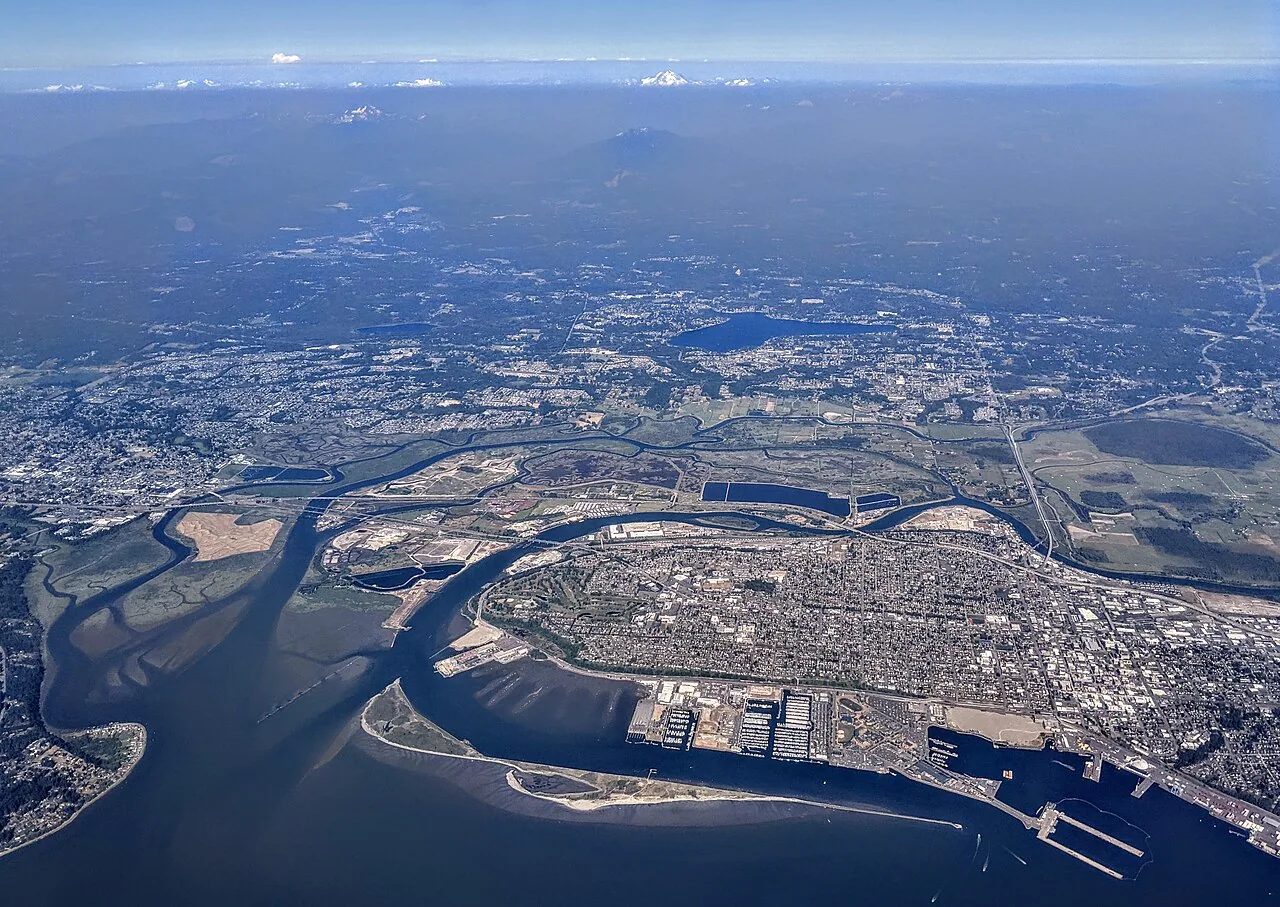
A lifted edge, displaced coping cap, or loose rooftop component after a wind event deserves a roof-level inspection before the repair boundary is set. Wind can expose a fastening problem, open a seam, or move debris into a drain, and those conditions do not all call for the same repair. We document the affected zone, compare it with nearby details, and check whether water reached the insulation or deck. Everett's industrial waterfront, Port Gardner, and Paine Field contain buildings with different roof heights, equipment, and access constraints. For an active opening, a wind response can secure the roof; a storm-damage inspection records the observed condition before permanent work is chosen.
Inspect edges and corners before the field membrane
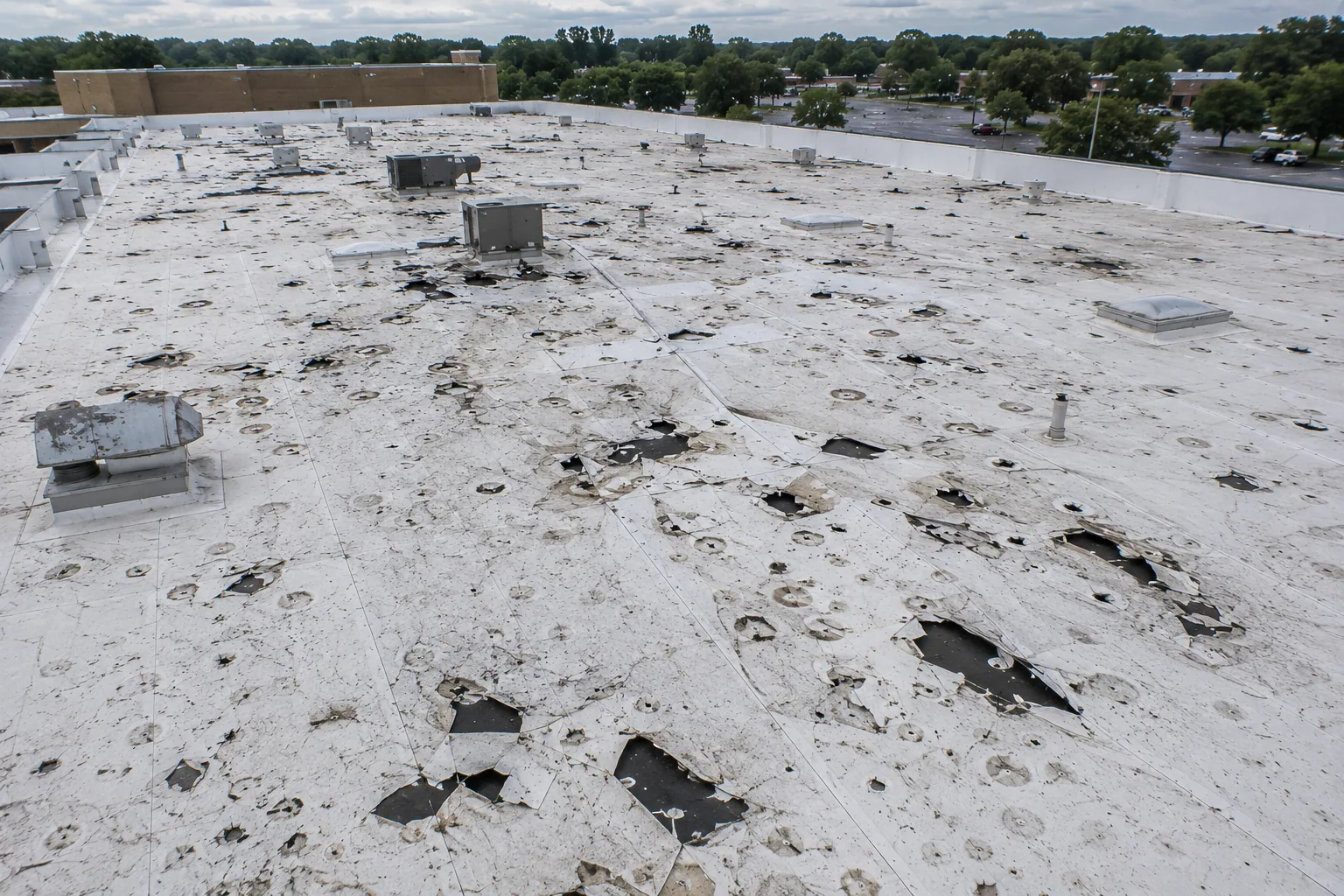
Wind pressure changes around roof corners, parapets, overhangs, and changes in building height. We start at the reported area and look at edge metal, coping, termination bars, fasteners, and nearby membrane. A lifted section may be the visible sign of a longer attachment issue, while a single damaged cap may be limited to one detail. The report names the roof zone and the observed condition instead of describing the whole assembly from one photograph.
At the Port of Everett and BNSF Delta rail yard, local industrial buildings include large operating sites and transportation uses. At each building, confirm attachment at exposed edges or from project records. We inspect the assembly, consider exposure around rooftop screens and transitions, and note any access limit. If the building has a metal perimeter, a flashing repair review can define whether the metal needs refastening, replacement, or a connection detail that must be corrected with the membrane.
Separate impact marks from wind-driven debris
Wind can carry branches, loose sheet metal, or other debris onto a roof. A puncture, scrape, or dent needs a close inspection to determine whether the membrane is breached, whether the insulation is affected, and whether the object moved after contact. We photograph the mark with enough surrounding context to locate it on the roof plan, then check the underside or interior report when access permits. A surface scuff does not by itself establish a leak.
If the debris is still present, the owner decides how it can be removed safely. Before covering a damaged spot, we clean and prepare the substrate, inspect the cut or puncture boundary, and use a compatible repair detail for the roof system. A localized roof repair may be appropriate when the damage is isolated and the surrounding membrane remains sound. Where water has spread beneath the surface, the repair area should follow the verified moisture boundary, not just the point where debris landed.
Trace any leak to a confirmed roof opening
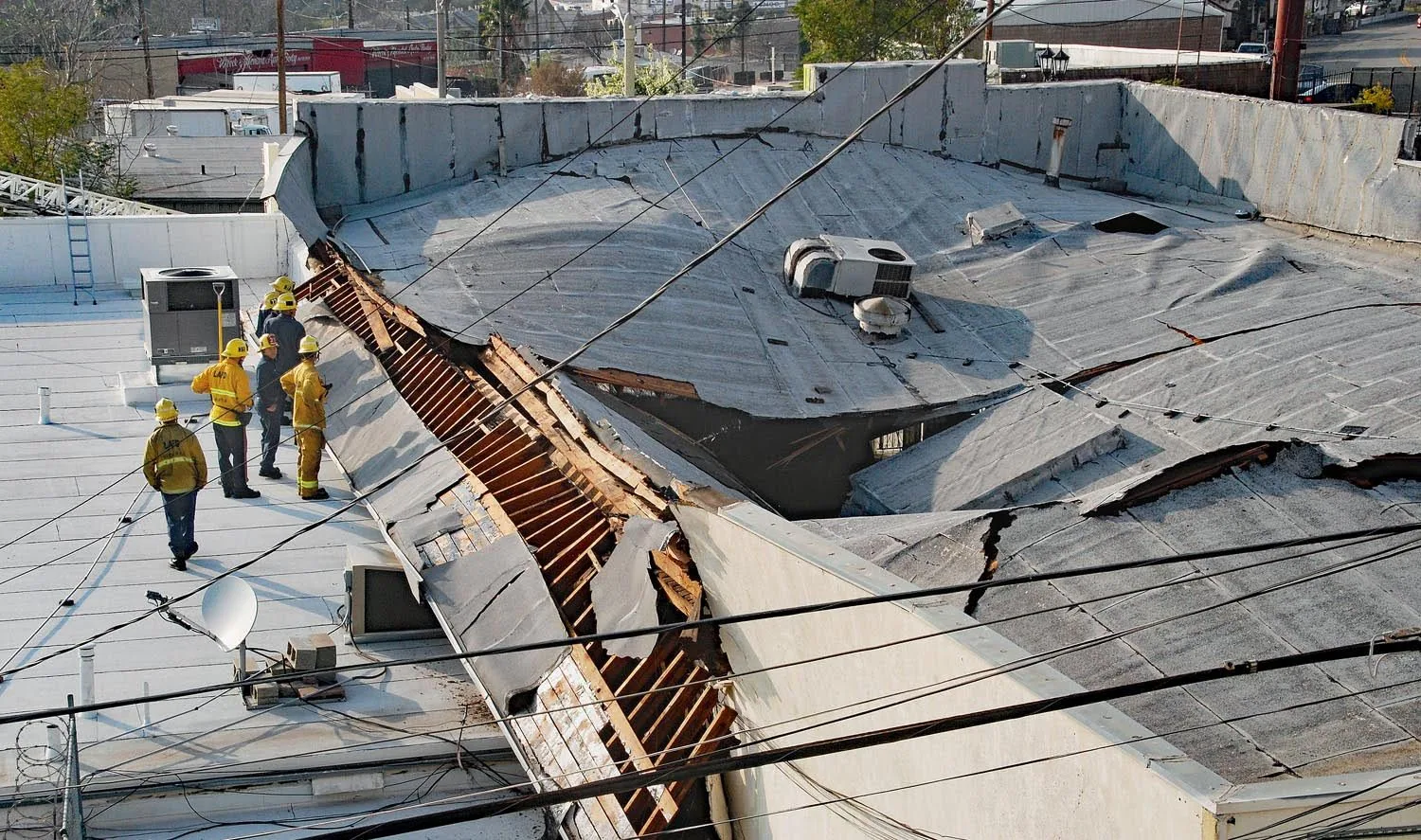
Interior water may appear downwind or downhill from the roof defect. Water can travel along insulation facers, a deck flute, framing, or a service line before it reaches a ceiling. We compare the leak timing with wind direction reported by the owner, roof drainage, seams, penetrations, and any displaced detail. Those inputs guide inspection; they do not substitute for observed evidence. If the path remains uncertain, targeted moisture testing or a limited test cut can determine whether concealed materials are wet.
The report should distinguish direct observation from inference: lifted edge, open seam, punctured membrane, wet insulation, or an unconfirmed interior mark. An infrared survey can help prioritize test locations under suitable surface conditions, but readings need confirmation where they affect the scope. If a leak is not active during the visit, we state that limit rather than treating a dry ceiling as proof the repair is complete. The next inspection step should answer a specific question about water path or material condition.
Check rooftop equipment and penetrations
Wind can load equipment screens, ductwork, exhaust fans, rooftop piping, and supports. We check whether brackets moved, flashing pulled away, fasteners loosened, or a curb corner opened. Mechanical condition and roof condition are related at these interfaces, but they are separate scopes. We document the roof-side detail and coordinate any equipment movement with the owner and mechanical contractor rather than shifting a unit as part of an unapproved roof repair.
Paine Field's tenant area includes aviation operators, aircraft maintenance, hangars, and airport-support facilities. For roof work near the field, coordinate equipment access, escorts, and shutdown windows with the property contact. A curb and support inspection can define the flashing boundary around affected equipment. If a screen or conduit is unstable, the scope should say which trade will secure it before the roofing detail is restored.
Plan closure around Everett weather
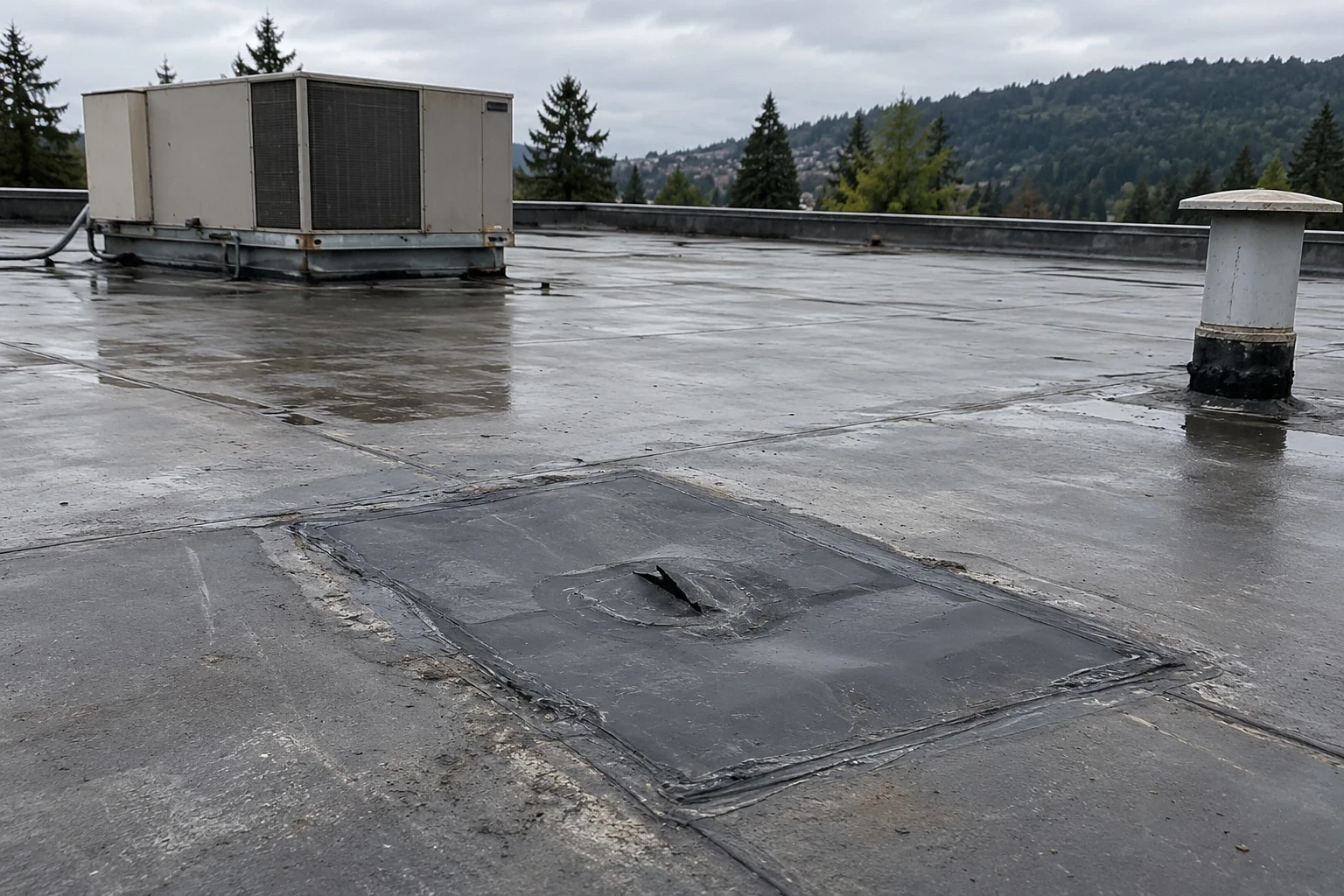
Everett's long-term precipitation normal is 40.25 inches a year, with late fall and winter carrying the wettest monthly periods. The station also records regular freezing nights, so a wind repair may need a dry surface and a suitable installation window. We check the actual field condition and material requirements before opening or covering the roof. A temporary patch should be inspected after weather passes and recorded separately from the permanent repair.
Freeze-thaw can stress an existing opening or loose metal transition. We inspect the perimeter, seam, or penetration, then tie the repair recommendation to the field evidence. A standing-seam roof review can consider panel clips and perimeter details, while a Port Gardner area assessment can account for the broader commercial setting and access route. Each roof still needs a building-specific inspection.
Keep stabilization and permanent work separate
After the roof is safe, the owner can compare a focused repair with broader work. The estimate states the repair area, material, preparation, affected insulation, flashing transition, access, and closure standard. If the surrounding membrane is aged or has repeated failures, that condition can change the decision, but it should be shown with evidence. We do not extend a small wind-related finding across an uninspected roof without explaining why.
For a portfolio, keep photos and repair limits tied to the individual building. Restoration documentation can organize event dates and observed damage, while property-management records can track follow-up. The owner, adjuster, or other reviewer makes decisions within their roles. Our report identifies what the roof showed, what was repaired, and what remains to test or monitor.
Record the repaired zone and remaining exposure
Closeout photographs should show the affected detail before and after repair, with the roof zone identified. We list what materials were used, whether wet material was removed, how the edge or penetration was restored, and any open item. If a temporary cover remains, its location and follow-up date belong in the handoff. That lets maintenance staff inspect the same point after the next wind and rain without guessing where the crew worked.
Provide the event date, leak report, roof plan, prior repairs, and access requirements before the visit. We will inspect the roof surface and transitions, trace any reported water path, and mark the repair boundary. Around Everett Industrial Waterfront, Port Gardner, or Paine Field, site rules and operations can change how materials reach the roof, so the owner should identify those constraints early. A precise field record helps choose a repair that addresses the observed condition and leaves the rest of the roof appropriately characterized.
Commercial Roofing Questions
Does a lifted edge mean the entire roof failed?
Not by itself. We inspect the adjacent attachment, perimeter, and membrane to determine whether the condition is isolated or extends into another zone.
Can wind-blown debris puncture a membrane without an interior leak?
Yes. A breach may not show indoors immediately. The roof detail and any concealed moisture should be checked before the repair is closed.
What should be done before a permanent wind repair?
Secure an active opening, photograph the condition, and identify the roof assembly and affected materials. The lasting detail follows the verified boundary.
Will infrared testing show exactly where the roof is open?
No. It may help target a moisture test under suitable conditions, but direct inspection is needed to confirm the opening and material condition.
What information helps after a wind event?
Share the event and discovery dates, interior leak locations, roof plan, prior repairs, and any access or equipment restrictions.
Questions Owners Ask
Does a lifted edge mean the entire roof failed?
Not by itself. We inspect the adjacent attachment, perimeter, and membrane to determine whether the condition is isolated or extends into another zone.
Can wind-blown debris puncture a membrane without an interior leak?
Yes. A breach may not show indoors immediately. The roof detail and any concealed moisture should be checked before the repair is closed.
What should be done before a permanent wind repair?
Secure an active opening, photograph the condition, and identify the roof assembly and affected materials. The lasting detail follows the verified boundary.
Will infrared testing show exactly where the roof is open?
No. It may help target a moisture test under suitable conditions, but direct inspection is needed to confirm the opening and material condition.
What information helps after a wind event?
Share the event and discovery dates, interior leak locations, roof plan, prior repairs, and any access or equipment restrictions.
Inspect wind damage before setting the repair limit
Arrange an Everett commercial roof inspection. We will document lifted details, displaced components, any moisture evidence, and the scope needed to secure the building.
Related Roofing Work
- Emergency Commercial Roof Repair
- Storm Damage Roof Repair
- Commercial Roof Flashing Failure Repair
- Ponding Water Roof Repair
- Infrared Moisture Survey
- Rooftop Equipment Curbs and Supports
- Standing Seam Metal Roofing
- Port Gardner Waterfront
Browse every page in Roof Damage Repair, or request a roof assessment and we will walk the roof with you.
Questions about this roof? Call 555-555-5555.