Commercial Roof Repair, Replacement & Maintenance
Commercial Roofing for Insurance Restoration in Everett, WA
After a storm or sudden leak, the owner needs a clear record of what happened at the roof, what was already present, and what work will protect the building. We inspect the affected area, photograph roof-level conditions, and separate observed damage from age, maintenance, or a condition that needs more testing. The report supports the property and its restoration team; it does not determine insurance coverage. Everett's building mix ranges from industrial waterfront and rail-served facilities to retail districts, schools, and aviation properties near Paine Field. Those differences affect access and documentation. A commercial roof inspection records physical conditions; property managers can use the findings to coordinate work across separate buildings.
Preserve the timeline and separate prior conditions
Start with the date and time the event was reported, when water first appeared, where it entered the occupied space, and what changed afterward. Gather earlier leak logs, invoices, photographs, and maintenance visits. A date sequence helps the reviewer compare the reported event with the roof condition seen during inspection. It does not by itself establish the cause or the portion of damage attributable to any one event.
We identify recent patches, aged seams, open penetrations, debris, and other visible conditions as separate observations. If the roof has more than one assembly or prior repair campaign, the report marks those boundaries. The owner can then discuss scope with the appropriate adjuster or consultant without confusing pre-existing issues with newly observed damage. A storm-damage assessment can organize the inspection and immediate roof needs, while any coverage interpretation belongs to the insurer and policyholder.
Photograph the roof detail and its location
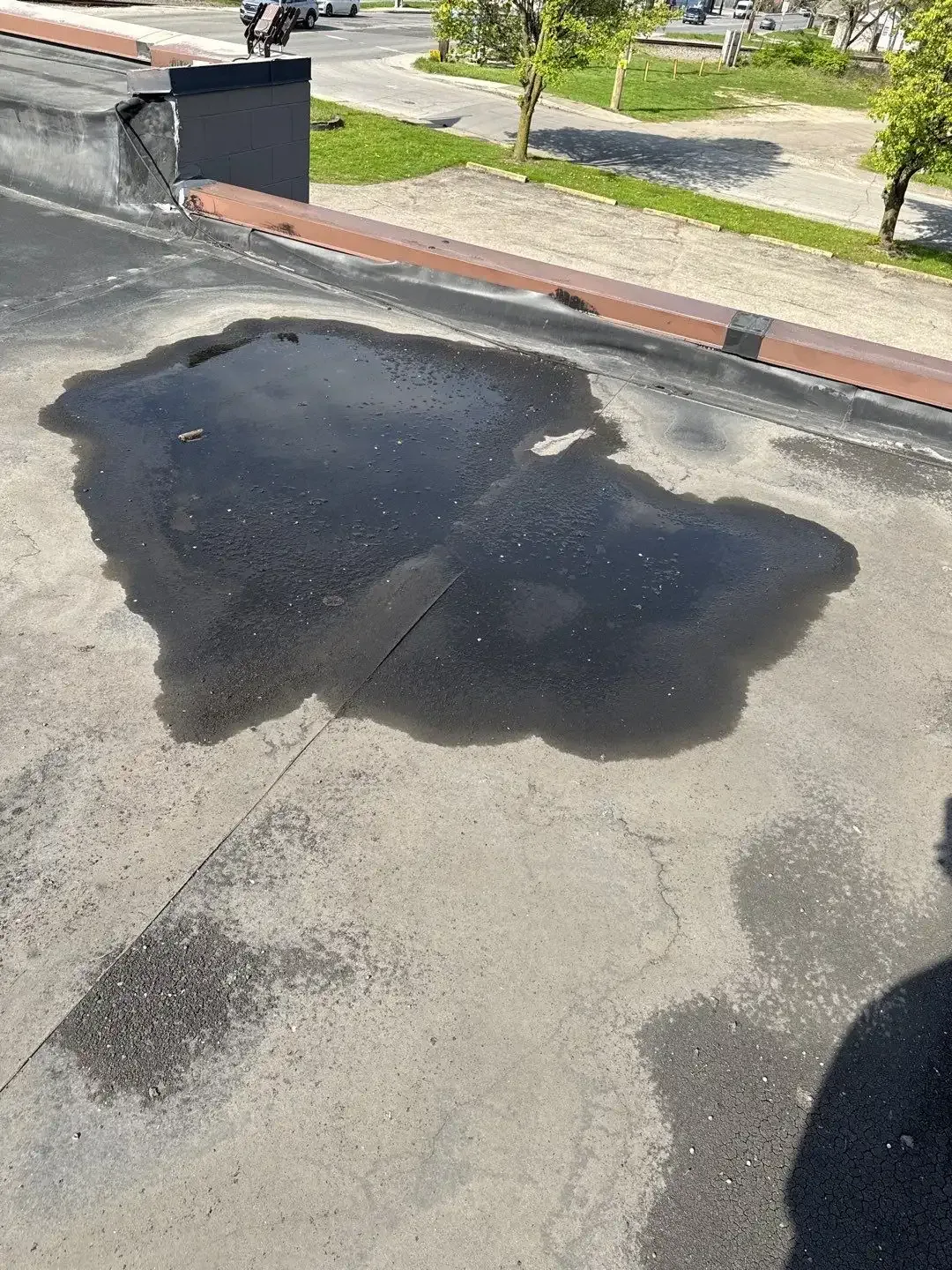
Useful documentation connects each close-up to an identifiable place on the roof. We record a roof plan or zone, take context and detail photographs, and note seams, edges, drains, penetrations, equipment, or impact marks that may be relevant. An image without direction or scale can be difficult to compare later, so the field record should make clear what the photo depicts and why it matters.
When weather exposure is reported, the inspection describes the visible condition rather than assigning a cause beyond the available evidence. Dents, punctures, displaced material, and water marks have different implications and may require different follow-up. If a component is concealed or inaccessible, state that limit. A claim-support file can organize roof observations, dates, and repair information for review; the insurer determines coverage and any policy requirements.

Test concealed moisture only where it informs scope
Water may move through an assembly before it appears indoors. If the repair decision depends on wet insulation or deck condition, we explain the proposed sampling location and method. Infrared readings can help identify a potential test area under appropriate conditions but cannot confirm moisture by themselves; surface conditions and temperature differences affect the interpretation. A test cut or other direct check may be needed, with owner authorization and a plan to restore the opening.
We report test quantity, location, observed layers, and limitations. A broad conclusion should not be drawn from one sample if the roof assembly changes across additions or drainage zones. Likewise, visible interior damage does not establish the full roof area requiring replacement. A moisture survey may assist with test planning; the recommended repair area follows verified findings, not only a thermal image or room stain.
Document stabilization apart from permanent repair
If water is active, the owner may need temporary protection before the full assessment is complete. We identify what can be safely isolated or covered, where the temporary measure begins and ends, and how it will be checked. That work should be recorded separately from permanent repairs so later reviewers understand what changed between the event and the inspection.
A temporary patch can limit further exposure but does not prove the underlying assembly is dry or the final repair is complete. The closeout should include photos before and after stabilization, materials used, any interior protection, and a plan for inspection after weather passes. A emergency response can focus on containment and safe closure; a permanent repair should specify substrate preparation, compatible materials, flashing detail, and warranty documentation where applicable.
Use Everett conditions as context, not proof
Rainfall is distributed across the year in Everett, but the local normal reaches its highest monthly totals in November, January, and December; the annual figure is 40.25 inches. This regional context can help explain why prompt closure and drain maintenance matter, but it does not establish that a specific storm caused a particular roof condition. The inspection records weather dates supplied by the owner alongside visible roof evidence and any prior maintenance history.
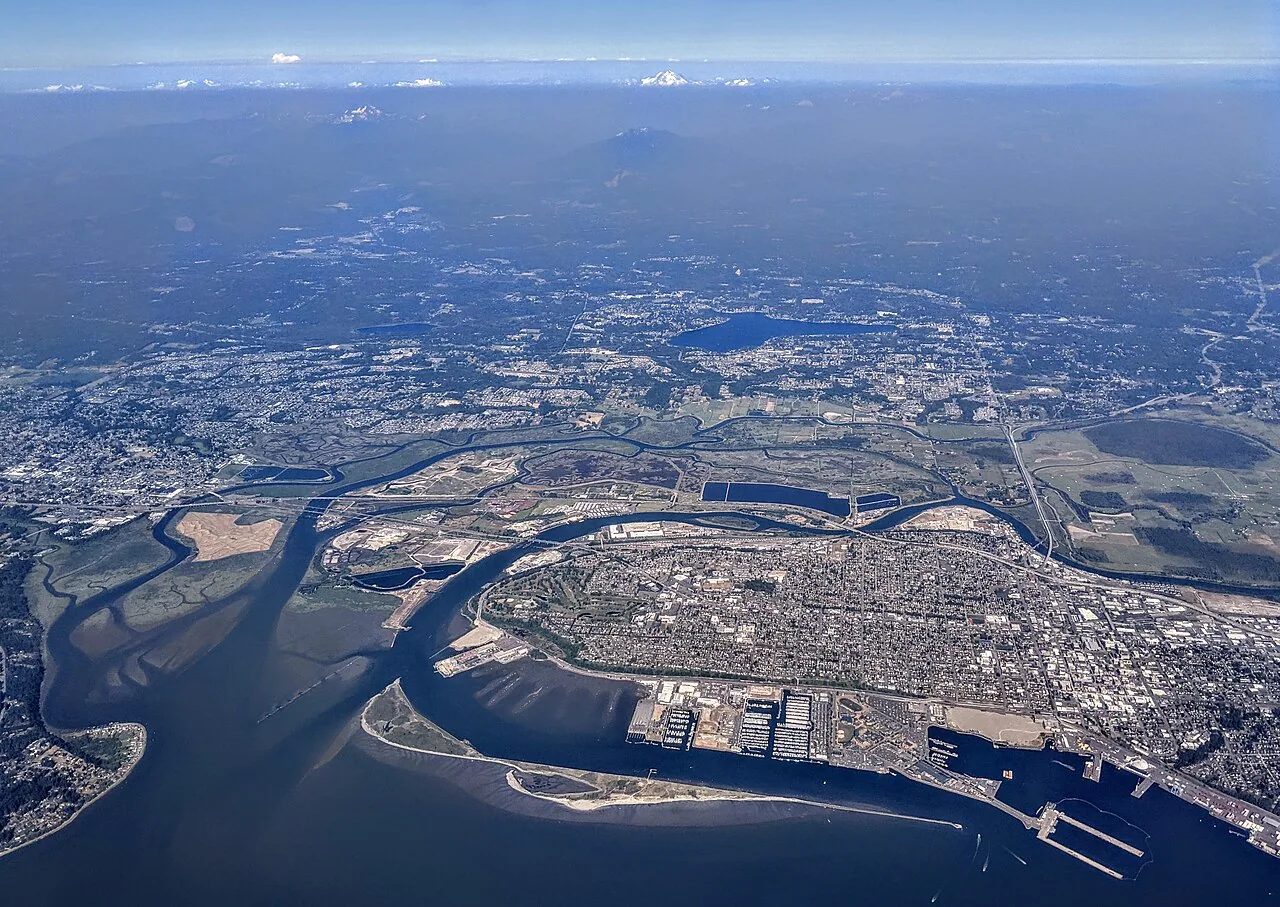
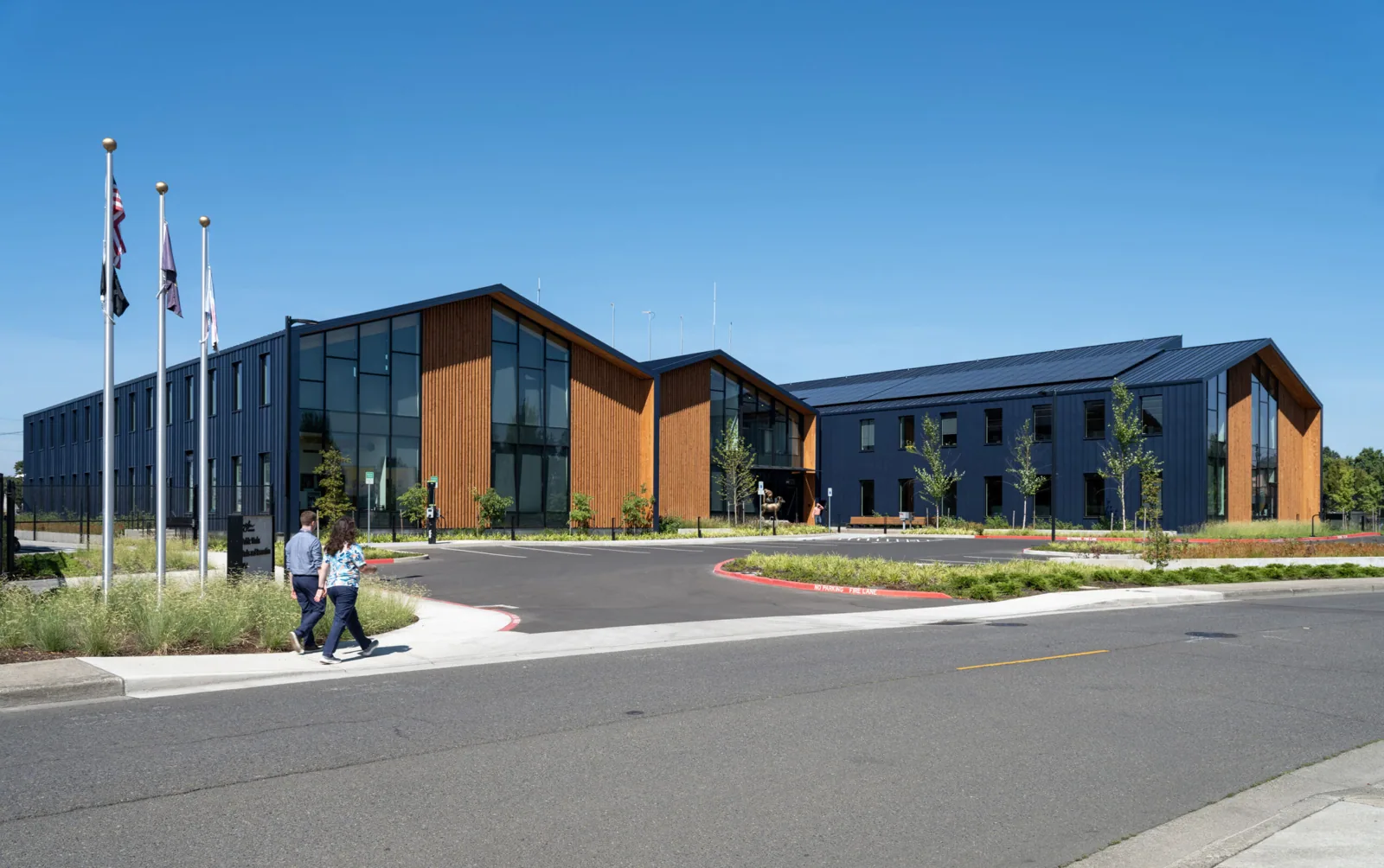
Metro Everett and the Everett Industrial Waterfront have different building and access patterns. Paine Field adds hangars, aviation businesses, and airport support facilities. Those are local settings, not evidence that a property in one area experienced damage. We assess each building and roof section individually. The Everett Industrial Waterfront has distinct marine and industrial uses; the service-area reference supplies geography while the inspected roof supplies the claim facts.
State repair alternatives and open questions plainly
A repair estimate should distinguish confirmed work from an option that depends on further testing. Identify quantities, access, protection, demolition, disposal, tie-ins, and the closure standard. If the owner is comparing repair with replacement, explain what each option includes and which condition would make the broader scope necessary. Do not blend emergency work, deferred maintenance, and permanent restoration into one number without showing the boundary.
A complete property file can include the original report, later tests, approved scope, change notes, invoices, and final photographs. Assign a record owner so inspection findings, approvals, and completed work stay associated with the correct roof area. Portfolio owners and hospitality operators can then compare documentation across properties while preserving site-level evidence. The owner and insurer handle their respective decisions. We provide a factual roof record and define work that can be inspected in the field.
Keep the restoration record useful after the event
At completion, document repaired details, material, location, date, photographs, tests, and any remaining observation. If a condition was excluded or could not be reached, keep that limitation explicit. A future leak review can use the record to distinguish a repeated opening from a separate roof area. Clear documentation also helps maintenance staff protect the repair through routine drain and flashing checks.
For a property around Metro Everett, Everett Mall Area, the Everett Industrial Waterfront, or another Snohomish County location, the climate and operating context inform scheduling but do not determine cause. Provide event and discovery dates, prior repair documents, room reports, roof plans, and access procedures before inspection. We will report observed evidence, testing limits, temporary actions, and repair options. Policy decisions remain with the carrier and policyholder; the roof report supports their discussion with a verifiable description of the building.
Commercial Roofing Questions
Does a roof inspection decide whether a claim is covered?
No. It documents physical conditions, tests, and repair needs. The insurer and policyholder interpret the policy and make coverage decisions.
What records should an owner collect after a leak?
Keep the report date, location, photos, prior repairs, maintenance history, temporary work, and any later test or estimate.
Can infrared imaging prove storm damage?
Infrared imaging may help select a test area under suitable conditions. Direct inspection or sampling may be required to verify concealed moisture.
Should emergency work be included in the permanent repair estimate?
Record stabilization separately from permanent scope so the owner can see what was done immediately and what remains to restore the roof.
How should prior roof problems be handled in the report?
Identify them as separate observations with dates or records when available. Do not combine prior conditions with newly observed damage without evidence.
Questions Owners Ask
Does a roof inspection decide whether a claim is covered?
No. It documents physical conditions, tests, and repair needs. The insurer and policyholder interpret the policy and make coverage decisions.
What records should an owner collect after a leak?
Keep the report date, location, photos, prior repairs, maintenance history, temporary work, and any later test or estimate.
Can infrared imaging prove storm damage?
Infrared imaging may help select a test area under suitable conditions. Direct inspection or sampling may be required to verify concealed moisture.
Should emergency work be included in the permanent repair estimate?
Record stabilization separately from permanent scope so the owner can see what was done immediately and what remains to restore the roof.
How should prior roof problems be handled in the report?
Identify them as separate observations with dates or records when available. Do not combine prior conditions with newly observed damage without evidence.
Build a clear commercial roof restoration record
Arrange an Everett roof assessment. We will document observed conditions, testing limits, temporary protection, and repair options for the owner’s review.
Related Roofing Work
- Commercial Roof Inspection
- Commercial Roofing for Property Management Companies
- Storm Damage Roof Repair
- Roof Insurance Claim Assistance
- Infrared Moisture Survey
- Emergency Commercial Roof Repair
- Everett Industrial Waterfront
- Commercial Roofing for Real Estate Investors
Browse every page in Industries We Serve, or request a roof assessment and we will walk the roof with you.
Questions about this roof? Call 555-555-5555.