
Commercial Roof Repair, Replacement & Maintenance
Rooftop Equipment Curbs and Supports in Everett, WA
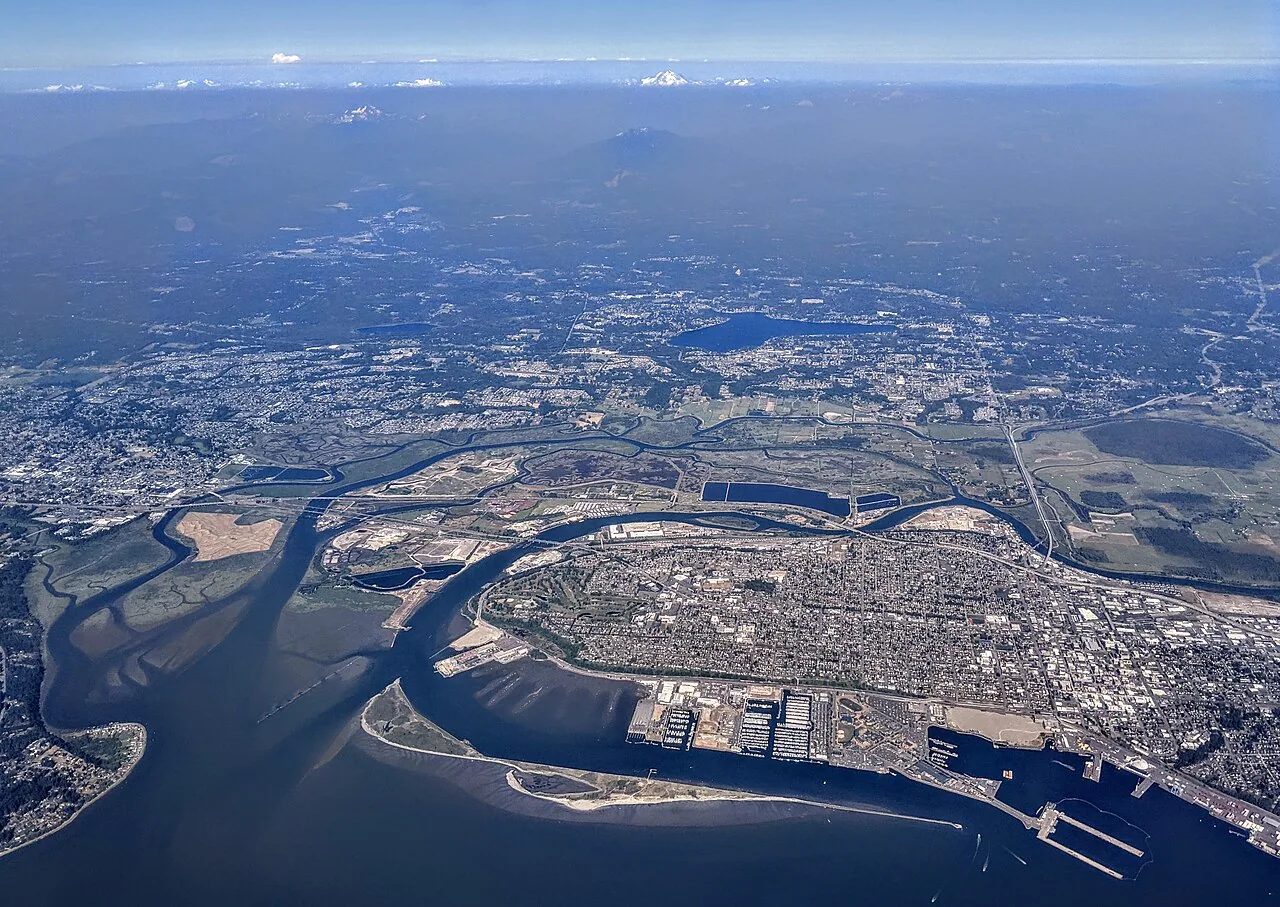
A rooftop unit supported by a curb concentrates weight, vibration, and weather exposure at a small area of membrane. When the curb shifts or a pipe support loosens, the visible symptom may be a split corner, a water mark below the unit, or a damaged roof surface along the service route. We inspect the equipment base, support, flashing, attachment, and nearby drainage together so a repair does not stop at a bead of sealant. Everett's building stock includes aerospace assembly, maritime operations, rail freight, and aviation facilities, where rooftop equipment serves active production and transport uses. Paine Field tenants include hangars and maintenance businesses, while the Port's marine terminal supports cargo operations. Inspect each curb, support, flashing, and adjacent membrane before defining the repair boundary. Rain exposure is also material: Everett's annual normal is 40.25 inches, with late fall and winter among the wettest periods. For a reported leak, begin with a water-path inspection; recurring equipment-area findings can be logged through condition reports.
Identify the equipment and support path
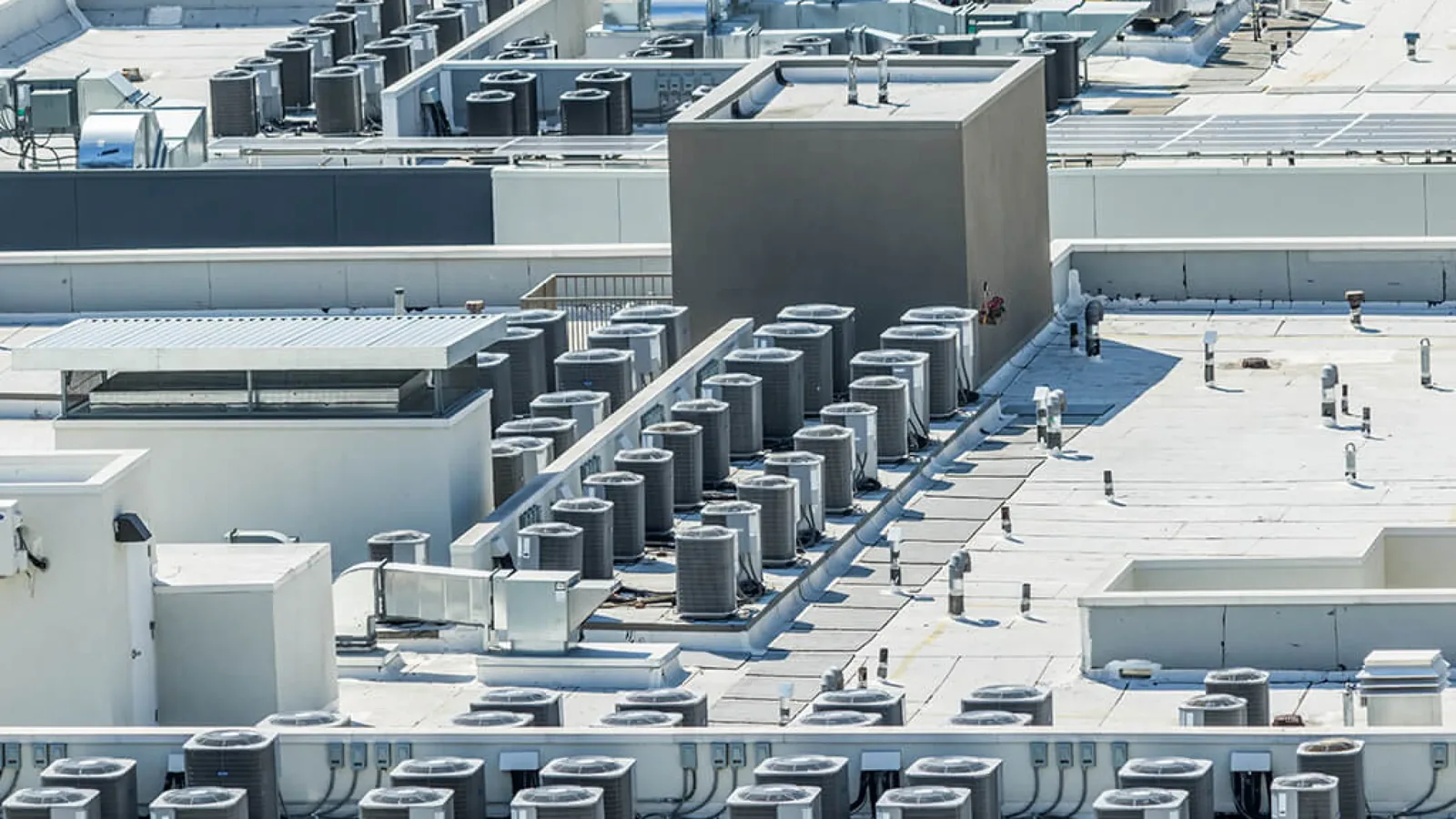
We start by listing the unit or service line, its curb or rail support, nearby conduits and piping, and the route technicians use to reach it. The support may transfer load to structural framing, a sleeper, or a curb; the visible roof covering alone does not show whether the base is adequate. We note loose bolts, damaged isolation pads, rusted components, unprotected pipe feet, and any movement observed during safe inspection. If support design or attachment capacity needs engineering, the roofing scope identifies that need rather than assuming the deck can accept a new load.
Equipment histories help establish whether a unit was replaced or moved, but we verify current field conditions. A new curb may sit over a former opening, or abandoned supports may remain as penetrations. We map each active and unused interface, distinguish roof work from mechanical work, and avoid covering service labels or access requirements. The work area is planned with the facility contact so a unit remains available when operations require it.
Inspect curb flashing and membrane tie-in
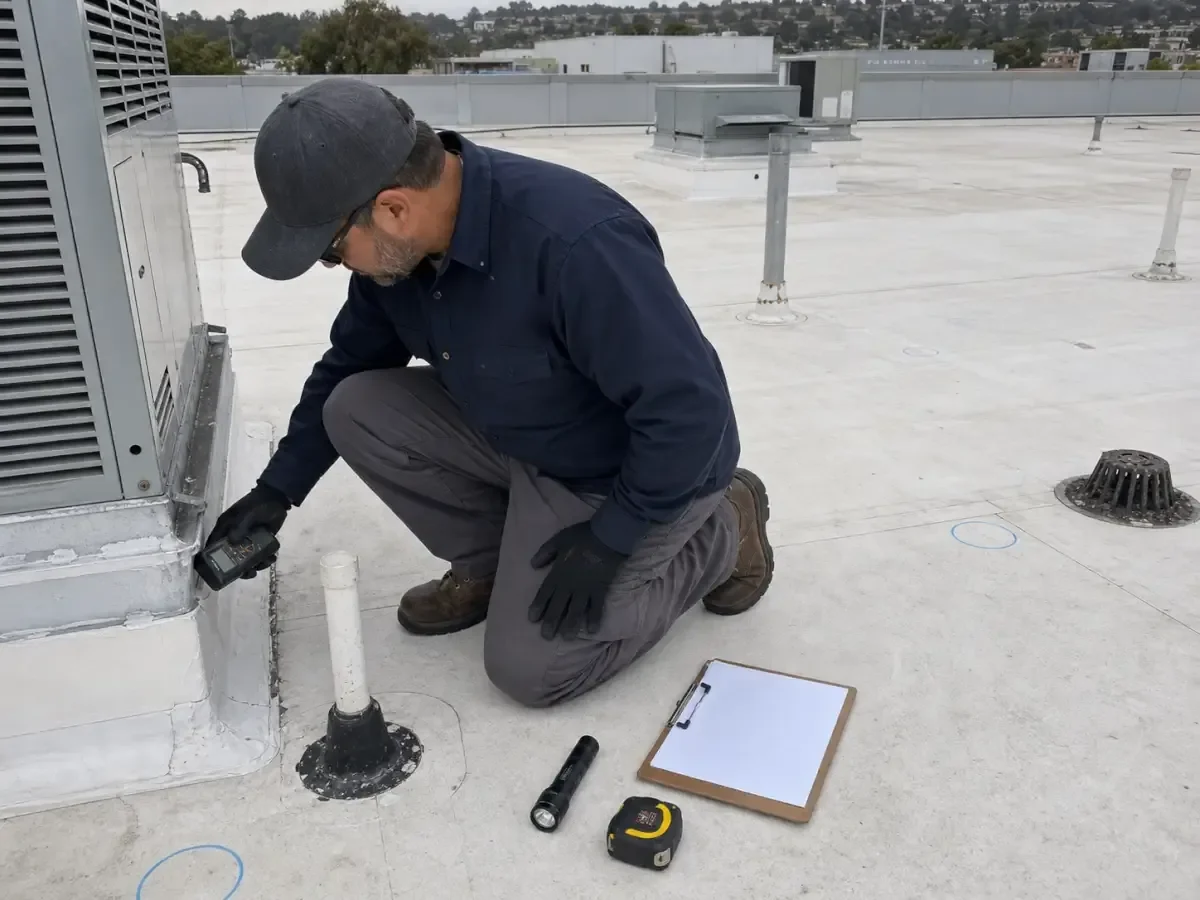
At each curb, we inspect the vertical flashing, membrane turn-up, corners, termination, counterflashing, and surrounding field seams. A split corner, open lap, loose termination bar, or unsealed fastener can admit water. We also examine whether the curb height and flashing geometry leave enough room for the roof system and service access. If moisture has reached insulation or deck, we define that boundary before closing the detail.
A pipe support has its own water path. Unprotected feet can cut a membrane, while a sealed base can fail if the pipe moves or the support transfers vibration. We identify whether the support can be reset, isolated, or relocated with mechanical coordination. Around Paine Field and Everett's industrial waterfront, HVAC and production equipment can be tied to work that cannot stop without notice. We schedule around the actual operation and keep each curb or penetration labeled by roof zone.
Account for vibration, expansion, and service
Equipment cycles, pipe movement, thermal expansion, and maintenance traffic can stress flashing and support points. We look for polished wear, elongated fastener holes, shifted pads, cracked sealant, and repeated repairs that sit beside the movement rather than accommodate it. A rigid patch can split again if a pipe remains free to move. The correction may need a flexible transition, a rebuilt curb corner, or mechanical adjustment to the support, with each trade's responsibility defined.
Everett's frequent winter temperatures at or below freezing make movement at exposed metal and membrane transitions worth checking when the field shows separation. The regional Inspect the curb, flashing, and supported equipment interface before selecting a repair. We document the equipment state, nearby vibration or service route if apparent, and any areas that cannot be shut down during work. When the curb serves a critical system, sequencing protects both the roof opening and the unit's operation.
Choose repair, reset, or replacement
A localized flashing defect may be repaired when the curb and substrate are stable. If the curb is loose, corroded, too low, or damaged, rebuilding the flashing alone may not solve the connection. We identify the material to remove, whether the unit must be lifted, what substrate needs restoration, and how the new membrane ties into the existing system. A support that moves or rests on an unsuitable pad may require mechanical correction before roofing closes the interface.
Where several curbs show similar movement, we inspect them individually and group work only after verifying that the details match. An owner can compare a localized roof repair with a broader replacement option only if the building-wide evidence supports it. If the curb sits near a skylight or wall, a penetration-flashing review may help define adjacent work. Each scope states which equipment or mechanical task requires coordination.
Coordinate roof work with operators
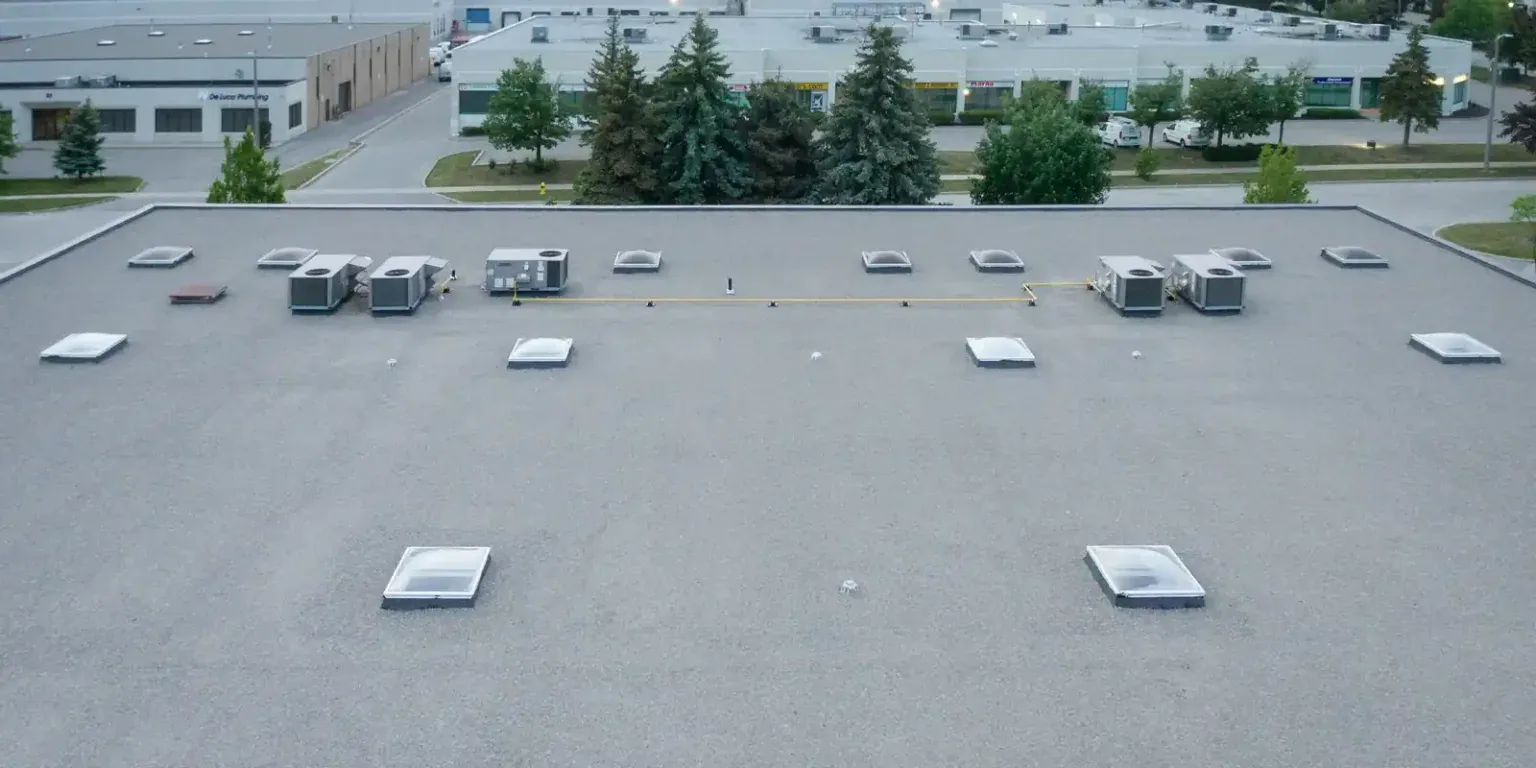
Roof access around equipment requires clearances, safe walking routes, fall protection, and a plan for tools and removed material. We mark fragile surfaces, maintain access to service panels where required, and avoid blocking intakes, exhausts, or equipment paths. When a unit must be taken offline or lifted, that work is coordinated with the facility's mechanical provider and owner. The roofing plan records the intended outage window and temporary closure method. For a facility in the Southwest Everett Industrial Center, the route between the unit, service access, and loading area should be confirmed with operations before staging.
Everett's regional manufacturing and freight activity creates varied work schedules. Paine Field facilities can involve aircraft maintenance and airport-support operations; Port properties may have cargo or vehicle routes near staging. Those broad local uses help anticipate coordination, while management confirms actual site rules. For recurring work across facilities, a multi-site roof program can keep unit locations and repair histories separate by property.
Record the curb and support condition
At closeout, we photograph each repaired curb, support, termination, and surrounding membrane. The record identifies work performed, materials, equipment coordination, and any area left for monitoring. If a mechanical support could not be corrected during the roofing visit, the record states the open item and what is needed before the roof detail can be finished. A later visit can compare vibration, movement, or leakage with the original observation.
Properties near the Everett industrial waterfront or Paine Field may have distinct access windows, but the report remains tied to the actual building and equipment. Request a curb and support inspection with equipment schedules, prior leak notes, and any mechanical drawings available. We will map the interface, explain the likely water path, and define the repair boundary before work begins.
Commercial Roofing Questions
Can a curb leak be repaired without shutting down the unit?
Often, but the exact sequence depends on access, curb condition, and whether equipment must be moved. We coordinate any outage with the facility and mechanical provider.
Why does a leak return near a rooftop unit?
The curb, pipe support, nearby seam, or service route may move or admit water. We inspect the base and surrounding roof rather than patching only the visible stain.
Do you repair mechanical equipment supports?
We assess the roof interface and coordinate structural or mechanical changes with the appropriate trade. The roofing scope identifies what must be reset before flashing is closed.
Can an unused curb be covered?
It can be removed or permanently closed only after confirming what penetrates the assembly and how the opening can be restored. The record distinguishes active from abandoned components.
What should be available before the inspection?
Equipment schedules, roof plans, prior leak records, access rules, and the facility contact help identify the correct unit and work window.
Questions Owners Ask
Can a curb leak be repaired without shutting down the unit?
Often, but the exact sequence depends on access, curb condition, and whether equipment must be moved. We coordinate any outage with the facility and mechanical provider.
Why does a leak return near a rooftop unit?
The curb, pipe support, nearby seam, or service route may move or admit water. We inspect the base and surrounding roof rather than patching only the visible stain.
Do you repair mechanical equipment supports?
We assess the roof interface and coordinate structural or mechanical changes with the appropriate trade. The roofing scope identifies what must be reset before flashing is closed.
Can an unused curb be covered?
It can be removed or permanently closed only after confirming what penetrates the assembly and how the opening can be restored. The record distinguishes active from abandoned components.
What should be available before the inspection?
Equipment schedules, roof plans, prior leak records, access rules, and the facility contact help identify the correct unit and work window.
Inspect the equipment base and roof connection
Schedule an Everett curb and support inspection. We will document movement, flashing, attachment, access limits, and the repair work requiring coordination.
Related Roofing Work
- Commercial Roof Leak Repair
- Commercial Roof Condition Reports
- Commercial Roof Repair
- Commercial Roof Replacement
- Commercial Skylight and Penetration Flashing
- Southwest Everett Industrial Center
- Multi-Site Commercial Roof Programs
- Everett Industrial Waterfront
Browse every page in Commercial Roofing Services, or request a roof assessment and we will walk the roof with you.
Questions about this roof? Call 555-555-5555.