Commercial Roof Repair, Replacement & Maintenance
Commercial Roofing in Port Gardner Waterfront, Everett, WA
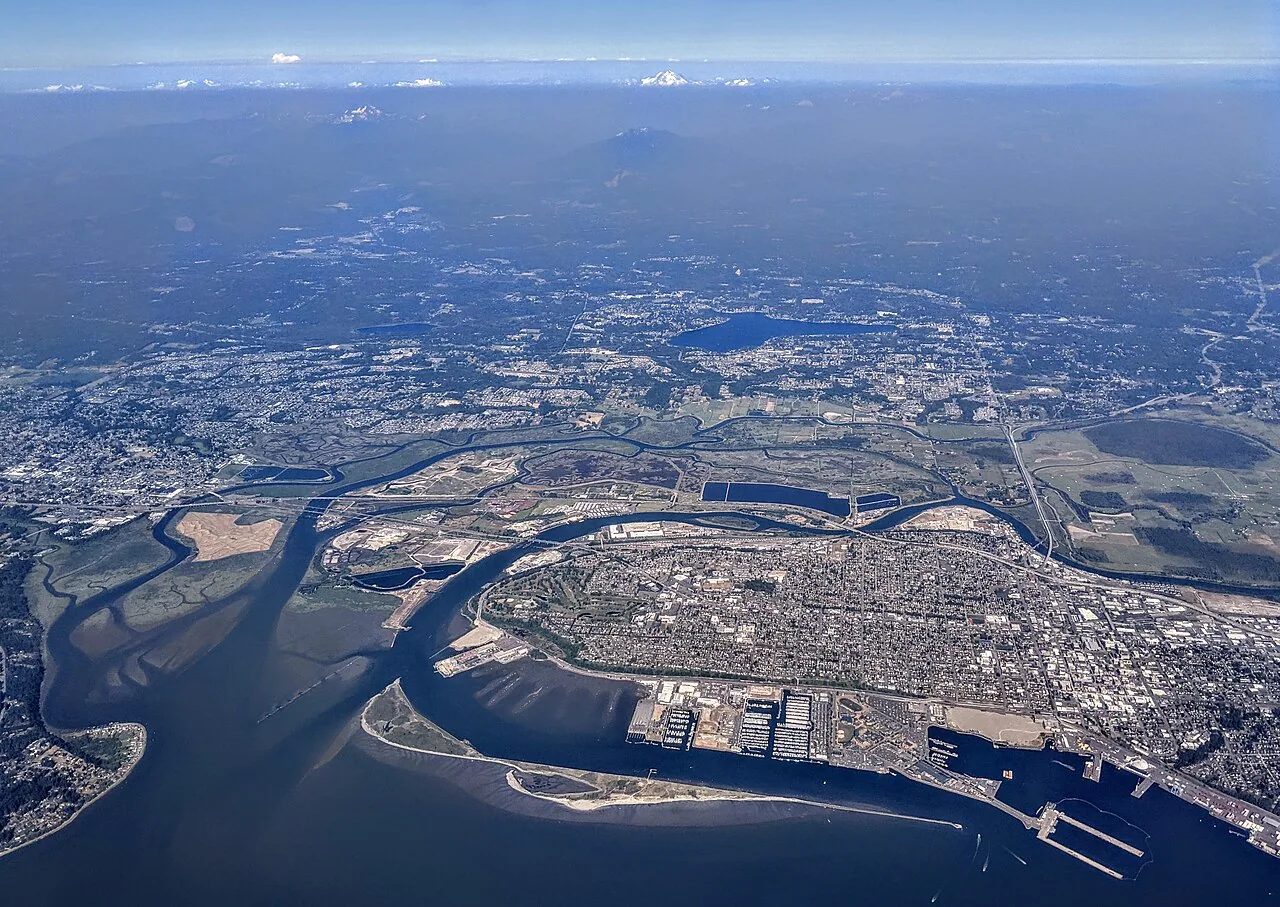
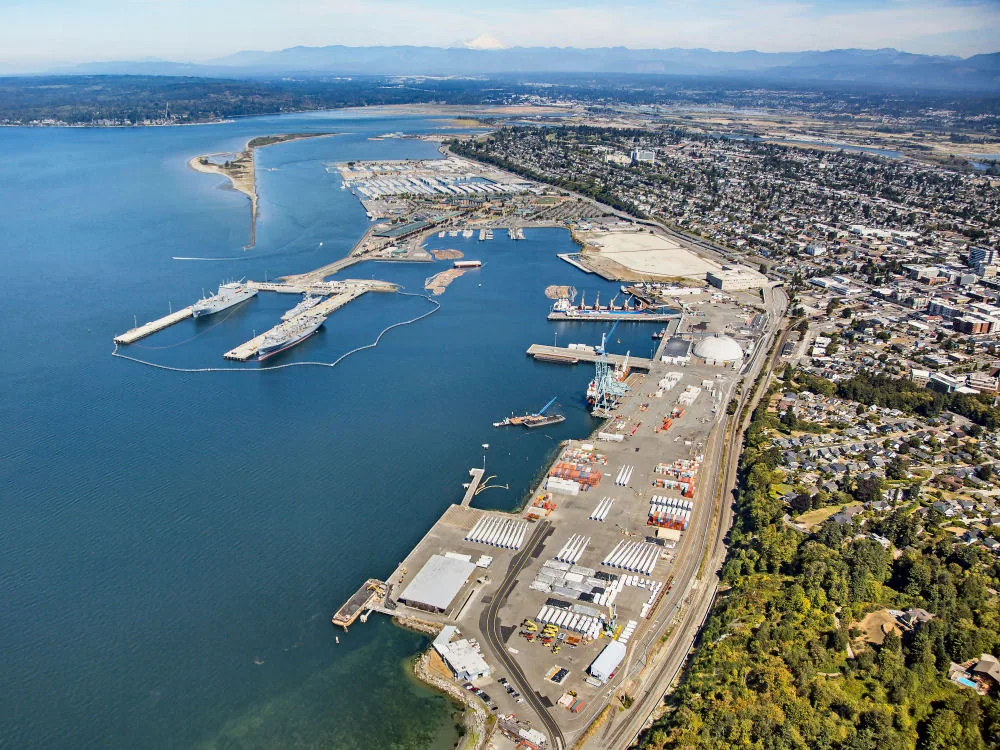
Everett sits at the mouth of the Snohomish River on Port Gardner Bay, where the deep-water bay and Port support trade, commerce, and marine activity. Port Gardner's cargo facilities connect rail and highway freight with container, breakbulk, forest-product, and shipyard operations. This route serves the broader working waterfront, not a single terminal. Each property's roofing needs depend on its verified assembly, access, use, and condition. We inspect the specific building, coordinate with the site contact, and document findings before pricing work. A commercial roof inspection can establish a practical plan for a property along Port Gardner Waterfront.
Coordinate roof access with the working waterfront
Port and marine activity can place equipment, vehicles, freight, and safety rules around a roofing work zone. Confirm the facility's actual access process before a crew is dispatched. Identify gates, escorts, vehicle routes, overhead clearance, staging space, work permits, and any restrictions around active loading or vessel-related activity. Port Gardner cargo operations connect rail and highway freight with container, breakbulk, forest-product, and shipyard activity. Each property contact sets the work schedule and boundary.
Plan how workers and materials reach the roof without crossing an active movement area. Confirm who can authorize a lift, move equipment, or isolate a work zone. If the building supports cargo storage, protect materials and interior goods below. If a terminal is adjacent to the repair, do not treat its operating conditions as the customer's; validate boundaries with the owner. A roof repair scope should include confirmed access limits, staging, and the daily closure process so operations can review them before the work date.
Identify the building's roof system and boundaries
Industrial waterfront property can include warehouses, terminals, and shipyard-oriented buildings, but those categories do not identify the roof system on a particular structure. Check plans, repair history, warranty documents, and field details. Record the membrane or roof type only when evidence supports it. Mark seams, penetrations, drains, edge metal, roof-to-wall transitions, and any additions. If two sections use different materials or were installed in separate phases, show that boundary on the plan.
Roof plans can be especially useful on large facilities where a leak report names a bay, aisle, or work cell. Match the interior location to the roof zone and photograph a wide view before a close detail. Ask whether mechanical, electrical, or cargo-handling contractors have modified the roof. Their work may have changed a penetration or access path. If records and field observations conflict, note the mismatch and identify what test or sample could clarify it. A condition report should distinguish verified material from an unconfirmed system label.
Trace water while keeping cargo and production protected
Ask when water appeared, where it entered the building, whether the issue returned, and what weather or roof work occurred beforehand. Check the area above the report, then nearby drains, seams, flashing, curbs, penetrations, and perimeter details. Water may travel across a deck or through insulation, so the ceiling mark may not align with the entry point. Mark all tested locations and list areas that could not be reached.
Everett's annual precipitation normal is about 40.25 inches, with the wettest monthly totals in November, January, and December. Keep drain paths open and plan a secure closure when work exposes the assembly during these wetter months. If an active leak occurs while cargo or production continues, agree where goods can move and which interior surfaces require temporary protection. A leak evaluation should say what was confirmed and what access, moisture testing, or opening may still be needed. Do not widen a repair until the owner understands the evidence and authorization step.
Scope compatible repairs and a safe work sequence
A repair scope identifies the location, defect, preparation, materials, tie-in boundary, and inspection method. Include safe access, fall protection, protection below, waste removal, and any traffic or cargo controls. If removal may uncover wet insulation or damaged deck, state how the owner approves the added area and how the work is measured. Temporary dry-in should be dated, photographed, and tracked until permanent work is complete.
Where the roof system is unknown, identify it before applying a repair material. Confirm compatibility with the membrane or substrate and review manufacturer's detail requirements. Check if metal edges, drains, or penetrations need work in addition to the field membrane. If multiple crews are on site, assign responsibility for each transition and for restoring access after completion. For storm-related damage, a wind-damage inspection can record displaced flashing or uplift evidence, but the repair should target the verified area.
Compare reroof options against the facility's requirements
Replacement pricing should cover removal, deck repairs, insulation, cover board, membrane, attachment, perimeter details, drainage, penetrations, access equipment, staging, disposal, and protection for working areas. State assumptions about freight or crane access and any operating periods that limit the sequence. If the project has multiple buildings, price each roof separately and disclose shared mobilization assumptions.
Before design is finalized, confirm which state construction and energy provisions govern the proposed work and which local reviews remain. If construction is phased, show where the temporary tie-ins go, who checks them, and what conditions must be met before operations resume. A replacement proposal should use comparable scope and quantities across bidders. A capital plan can rank roofs by condition and operational impact while preserving the technical basis for each recommendation.
Maintain service records by property and roof zone
For each building, store its roof plan, inspection date, weather, photos, tested details, drain work, repair materials, and unresolved questions. Record access contacts and any safety orientation that must be repeated. A portfolio schedule can coordinate mobilization across Port Gardner and the Everett Industrial Waterfront, but keep findings separate by property. Distinct roof areas may have different assemblies, work rules, and maintenance obligations.
Use follow-up visits to check earlier repairs and drainage paths. If the issue has not returned, note the observation without guaranteeing future performance. If new water appears, compare its location with prior roof-zone marks. A preventive maintenance visit can check accessible outlets, edges, and repairs before the wet season. Confirm that material staging or cleaning will not block a port route, contaminate cargo areas, or affect water discharge. Close each task with dated photos and a clear list of work that remains.
Give the site team evidence it can act on
A completed report should identify the facility and roof area, access provided, conditions observed, tests performed, repairs made, and limitations. Attach photos to a marked plan. Separate immediate protection from permanent scope and identify what owner approval is required. Keep documentation for materials, approved changes, and warranty obligations with the building's roof record.
Port Gardner Bay and the Port's freight connections explain why this is a working maritime district. At each waterfront property, inspect the roof, transitions, and drainage before pricing a repair or replacement. The roofing recommendation should be tied to the property actually inspected and the access conditions in effect during the visit. A clear closeout allows operations staff to plan the next safe window and facilities staff to budget the remaining work. For nearby aviation and manufacturing sites, the Paine Field and Boeing Center has a separate operating context.
Commercial Roofing Questions
What does Port Gardner Waterfront cover?
It refers to Everett's broader working waterfront on Port Gardner Bay, with the Port's marine facilities and freight activity as supporting context.
Can roof work be scheduled around cargo operations?
The owner and facility contact must confirm access, equipment movement, safety procedures, staging, and work windows before mobilization.
Does a port cargo building have a standard roof system?
No. Review project documents and field conditions at the specific building before selecting repair materials.
What should be included in a waterfront roof repair quote?
State the repair boundary, access and staging, cargo protection, preparation, materials, tests, concealed-condition process, and daily closure.
Questions Owners Ask
What does Port Gardner Waterfront cover?
It refers to Everett's broader working waterfront on Port Gardner Bay, with the Port's marine facilities and freight activity as supporting context.
Can roof work be scheduled around cargo operations?
The owner and facility contact must confirm access, equipment movement, safety procedures, staging, and work windows before mobilization.
Does a port cargo building have a standard roof system?
No. Review project documents and field conditions at the specific building before selecting repair materials.
What should be included in a waterfront roof repair quote?
State the repair boundary, access and staging, cargo protection, preparation, materials, tests, concealed-condition process, and daily closure.
Inspect the facility before committing to repairs
Request commercial roof service across Port Gardner Waterfront. We will coordinate access, document the roof, and define a building-specific scope.
Related Roofing Work
- Commercial Roof Inspection
- Commercial Roof Repair
- Commercial Roof Condition Reports
- Commercial Roof Leak Repair
- Commercial Roof Replacement
- Commercial Roof Capital Planning
- Everett Industrial Waterfront
- Preventive Roof Maintenance
Browse every page in Service Areas, or request a roof assessment and we will walk the roof with you.
Questions about this roof? Call 555-555-5555.