
Commercial Roof Repair, Replacement & Maintenance
Commercial Roof Membrane Puncture Repair in Everett, WA
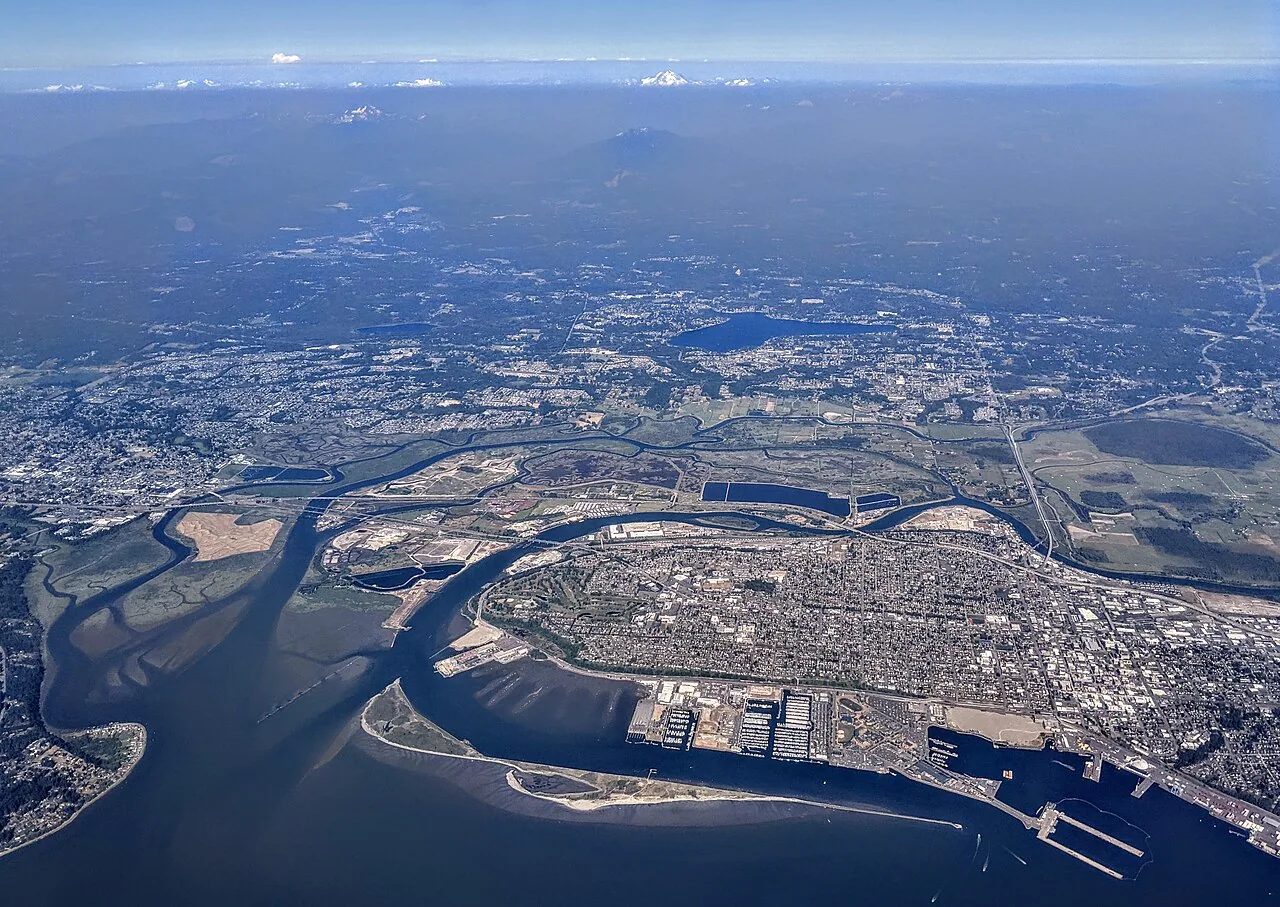
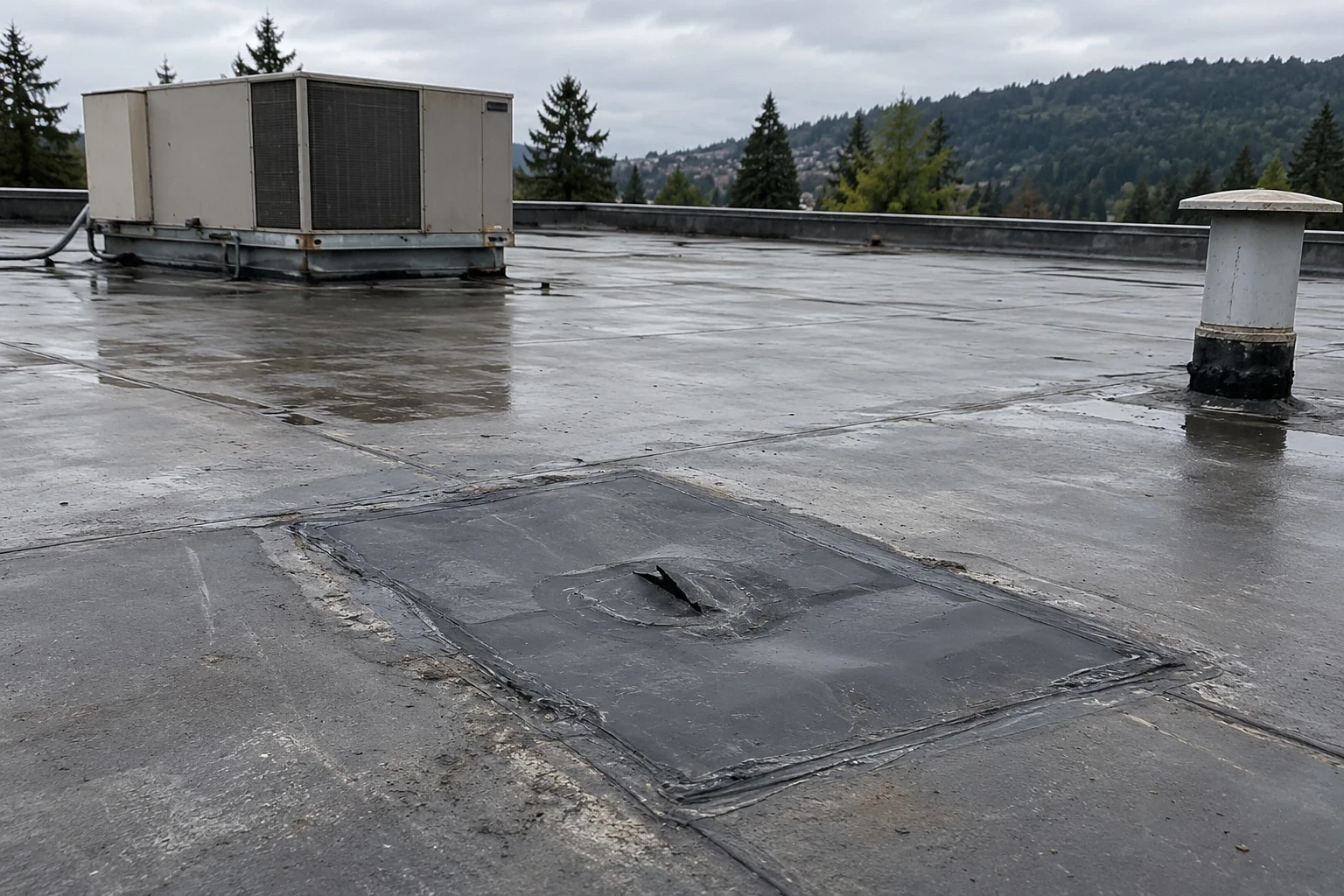
A small cut or puncture can admit water before the roof surface looks broadly damaged. We inspect the opening, identify the membrane, check for foot-traffic or impact marks nearby, and determine whether moisture reached insulation or deck. The repair depends on the material and its surface condition, not simply the size of the visible hole. Everett's industrial waterfront and aviation employment areas have roofs with frequent equipment access and service routes. A roof inspection locates the damage and surrounding transitions, while seam evaluation can rule out an adjoining lap as the actual entry point.
Identify the object or activity that reached the membrane
Foot traffic near rooftop units, dropped tools, a sharp debris edge, or a work cart can puncture or abrade a membrane. We record the mark's location, shape, surrounding scuffs, and any activity the owner knows about. A cut near an access ladder may need a different protection detail than an isolated impact below an equipment service path. The inspection should not assign fault where the evidence shows only a damaged surface.
At Everett Industrial Waterfront and Paine Field, local buildings support maritime, warehouse, manufacturing, aviation, and maintenance uses. Those use types suggest why roof access controls matter, but do not establish that a specific facility has traffic damage. The property contact identifies who enters the roof and whether a service vendor worked near the puncture. An equipment-access review can address the route around curbs and supports when that is part of the observed condition.
Match the patch to the membrane and surface
TPO, PVC, EPDM, modified bitumen, built-up roofing, and coated systems need different preparation and repair details. We verify the installed material and consider whether the surface is aged, contaminated, coated, or covered by an earlier patch. A new patch must bond to a clean, stable substrate and overlap sound material by the system's requirements. If the roof type is uncertain, material confirmation comes before a repair method is selected.
A smooth membrane may allow a welded detail, while an EPDM repair may use a compatible adhesive or tape. Granulated or coated surfaces need their own preparation. We check whether the opening extends beneath a lap, crosses a reinforcement layer, or reaches insulation. A TPO repair assessment applies only when that system is confirmed; EPDM membrane work follows a different bond detail. These distinctions keep a patch from lifting because the repair method did not match the surface.
Check the layers below the puncture
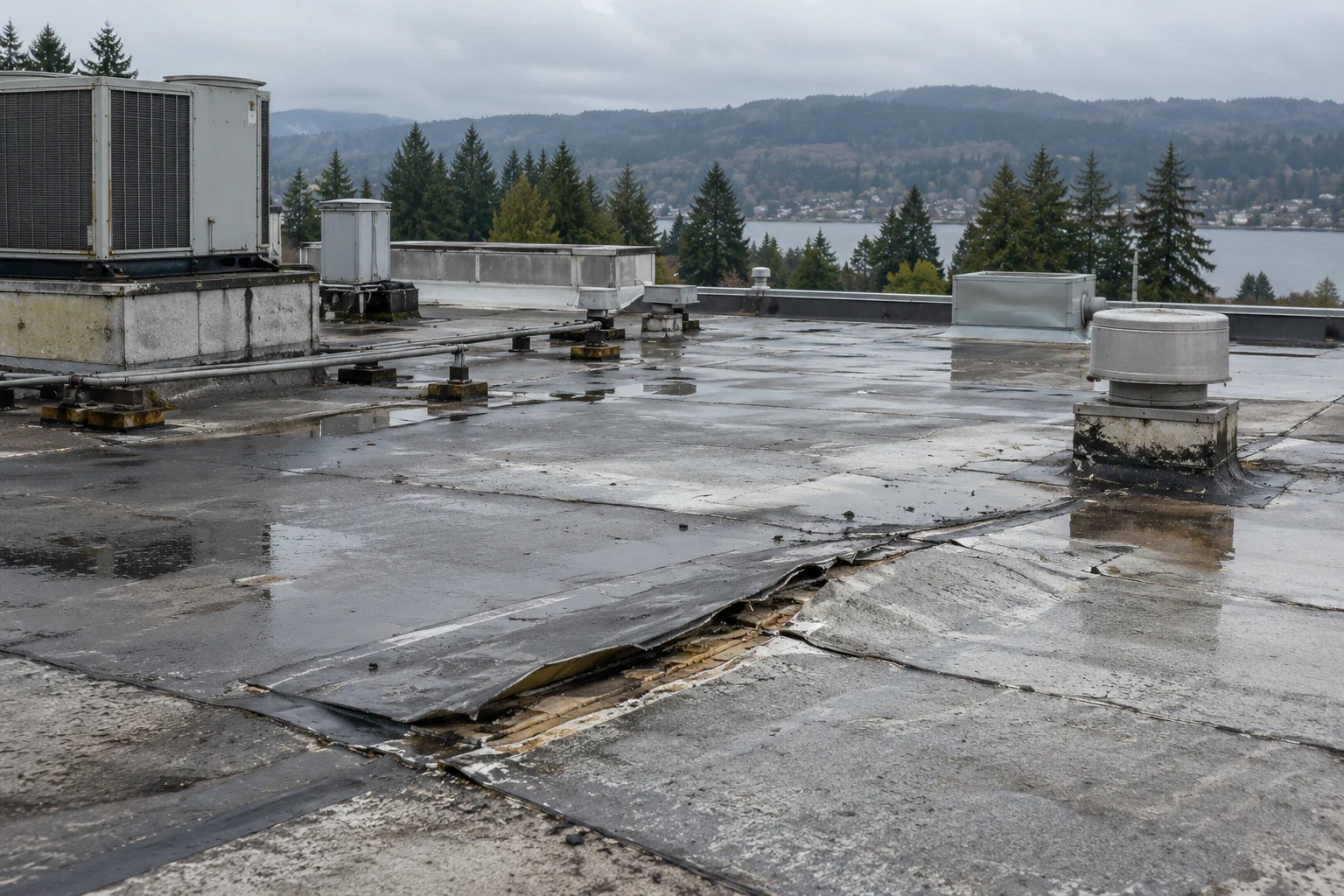
Water can enter a small opening and spread laterally along a facer, deck, or insulation joint. We compare the puncture with interior reports and adjacent seams, then test concealed material where the result changes the scope. A test cut shows the layers at that point; additional samples may be needed when the assembly changes or the wet boundary extends beyond the first opening. The report labels each test location and its result.
Infrared imaging can help prioritize test locations when temperature and weather conditions support the method, but it does not confirm wet insulation by itself. A moisture survey may narrow the investigation. The owner decides whether to authorize destructive sampling; if testing is declined, the repair scope states its assumptions. If wet material is confirmed, remove it to the approved boundary and restore the assembly before closing the membrane detail.
Restore the damaged area and protect the access path
Repair begins with removing dirt, loose material, incompatible sealant, and any patch that blocks a sound bond. We prepare the membrane, install the compatible patch or flashing, and check the finished edge for a continuous seal. A puncture within a larger worn zone may need more than a small square of material; the repair boundary should reach membrane that can hold the detail. We photograph the opening before preparation and the completed work afterward.
Where service traffic caused repeated wear, a walkway or access protection may help keep the repaired area from becoming a recurring call. The owner should confirm the route used by maintenance and mechanical vendors. A maintenance inspection can document access paths and developing wear. Near the Paine Field and Boeing Center, aviation and manufacturing uses make controlled roof access useful context; the individual site's escort and operating rules still govern the visit.
Close the roof before the next wet window
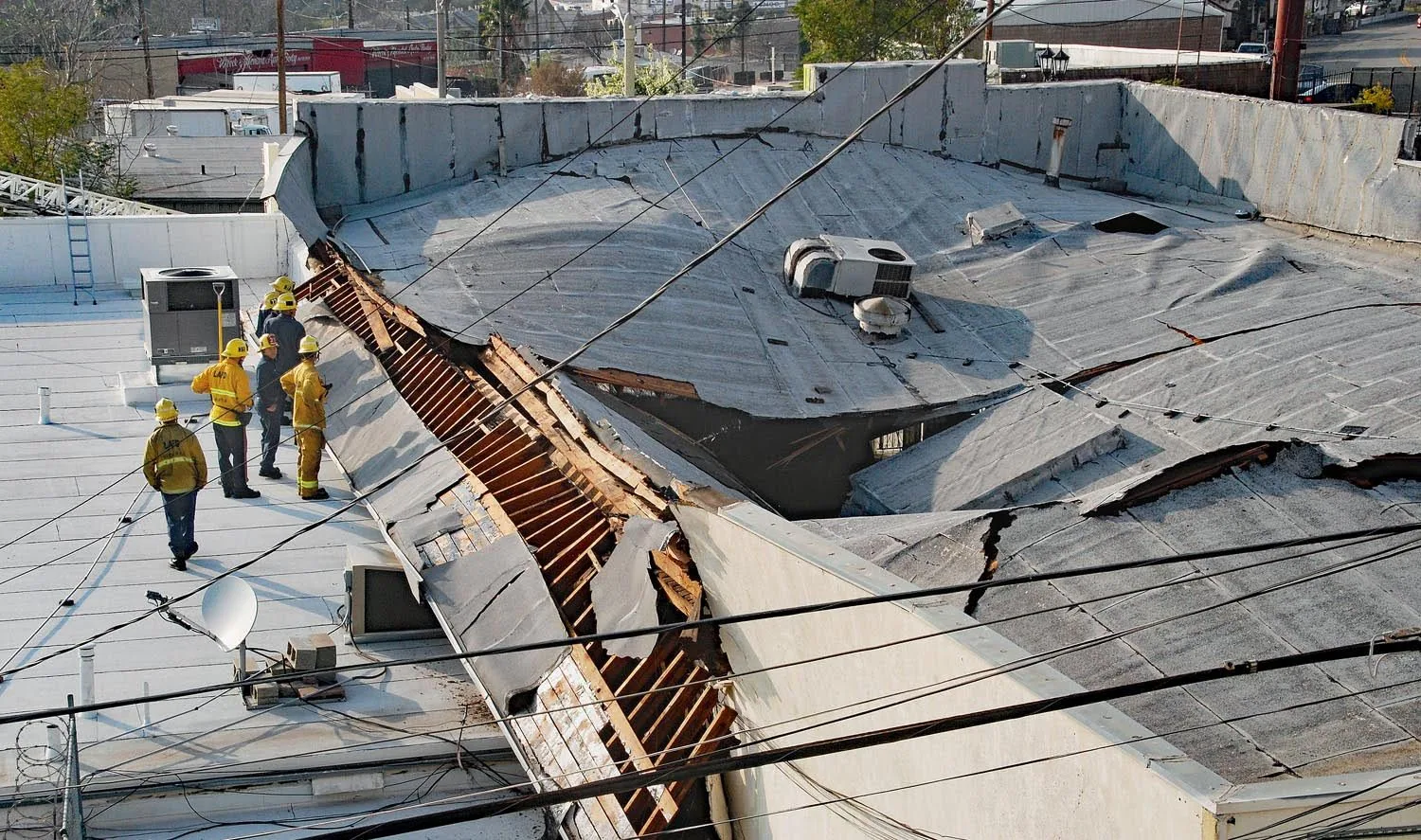
Everett receives rain throughout the year, with late fall and winter carrying higher monthly normals. If the puncture is active, protect the opening promptly and keep the temporary measure separate from the permanent repair. Before installing a patch, verify that the substrate is dry enough for the selected adhesive or weld. If the surface is wet, the crew may need to stop, dry the area, or use a temporary closure that can be revisited.
The station also records frequent freezing nights, which can affect surface preparation and cure time. A puncture's cause is established by the roof surface and the water path, not by weather alone. We check current conditions and material requirements, then secure the repair boundary before leaving. A wind-damage inspection can separately evaluate displaced perimeter details if those are also reported. Do not fold unrelated roof findings into a puncture repair without documenting them.
Decide whether one repair or a broader survey is justified
An isolated puncture with dry surrounding material may need a focused patch. Several marks, recurring wear, widespread surface deterioration, or wet insulation can change the recommendation. We list the number of repair locations, tests, materials, access assumptions, and any optional protection measure. If the repair cannot be completed without moving equipment or disturbing another trade's work, state that dependency and the responsible approval.
Portfolio teams can keep different roofs comparable while preserving each site map and repair history. Property managers can connect the inspection to a recurring maintenance visit, and logistics operators can plan around high-bay operations and inventory. Each record should identify the roof and material tested, not only the property name. This helps the owner see whether the damage is isolated, recurring along an access route, or part of a larger assembly concern.
Keep the puncture location visible in the roof record
Closeout lists the roof zone, membrane type, repair material, preparation, tests, and photos. It states whether insulation was opened or remains untested, and whether a walkway or access change was included. If a temporary patch remains, set a follow-up date and state the conditions that would require earlier replacement. The next technician can then compare a new leak with the original repair instead of treating the roof as an undocumented surface.
Before inspection, share roof plans, the reported cause, service-vendor activity, previous patches, leak dates, and access procedures. We will identify the membrane, trace the opening, define any moisture test, and restore the damaged area with a compatible detail. Everett's industrial waterfront and Paine Field districts provide local context for varied equipment and access needs; roof-specific evidence determines the work. A clear closeout gives facilities staff a practical path for preventing another puncture and monitoring the repaired area.
Commercial Roofing Questions
Can a puncture be patched without replacing the roof?
Yes, when damage is isolated and surrounding membrane and substrate are sound. Testing may change the boundary if concealed layers are wet.
How can a technician identify the right patch material?
Confirm the roof system and surface condition first. Preparation and patch method differ across TPO, PVC, EPDM, bitumen, and coating systems.
Should a patch be installed over a wet area?
The substrate and product requirements govern. If moisture is present, remove or dry affected material to the approved limit before closing the membrane.
Can roof traffic cause repeated punctures?
It can. The inspection can document access paths and consider a protection route where service activity repeatedly crosses vulnerable membrane.
What should be recorded after puncture repair?
Keep the roof zone, material, repair detail, photographs, test results, and any untested or temporary area in the closeout.
Questions Owners Ask
Can a puncture be patched without replacing the roof?
Yes, when damage is isolated and surrounding membrane and substrate are sound. Testing may change the boundary if concealed layers are wet.
How can a technician identify the right patch material?
Confirm the roof system and surface condition first. Preparation and patch method differ across TPO, PVC, EPDM, bitumen, and coating systems.
Should a patch be installed over a wet area?
The substrate and product requirements govern. If moisture is present, remove or dry affected material to the approved limit before closing the membrane.
Can roof traffic cause repeated punctures?
It can. The inspection can document access paths and consider a protection route where service activity repeatedly crosses vulnerable membrane.
What should be recorded after puncture repair?
Keep the roof zone, material, repair detail, photographs, test results, and any untested or temporary area in the closeout.
Trace the puncture before selecting a patch
Arrange an Everett roof inspection. We will identify the membrane, inspect the affected layers, and define a compatible repair and access plan.
Related Roofing Work
- Commercial Roof Inspection
- Commercial Roof Seam Failure Repair
- Rooftop Equipment Curbs and Supports
- Infrared Moisture Survey
- Preventive Roof Maintenance
- Paine Field and Boeing Manufacturing Center
- Wind Damage Roof Repair
- Commercial Roofing for Property Management Companies
Browse every page in Roof Damage Repair, or request a roof assessment and we will walk the roof with you.
Questions about this roof? Call 555-555-5555.