
Commercial Roof Repair, Replacement & Maintenance
Commercial Skylight and Penetration Flashing in Everett, WA
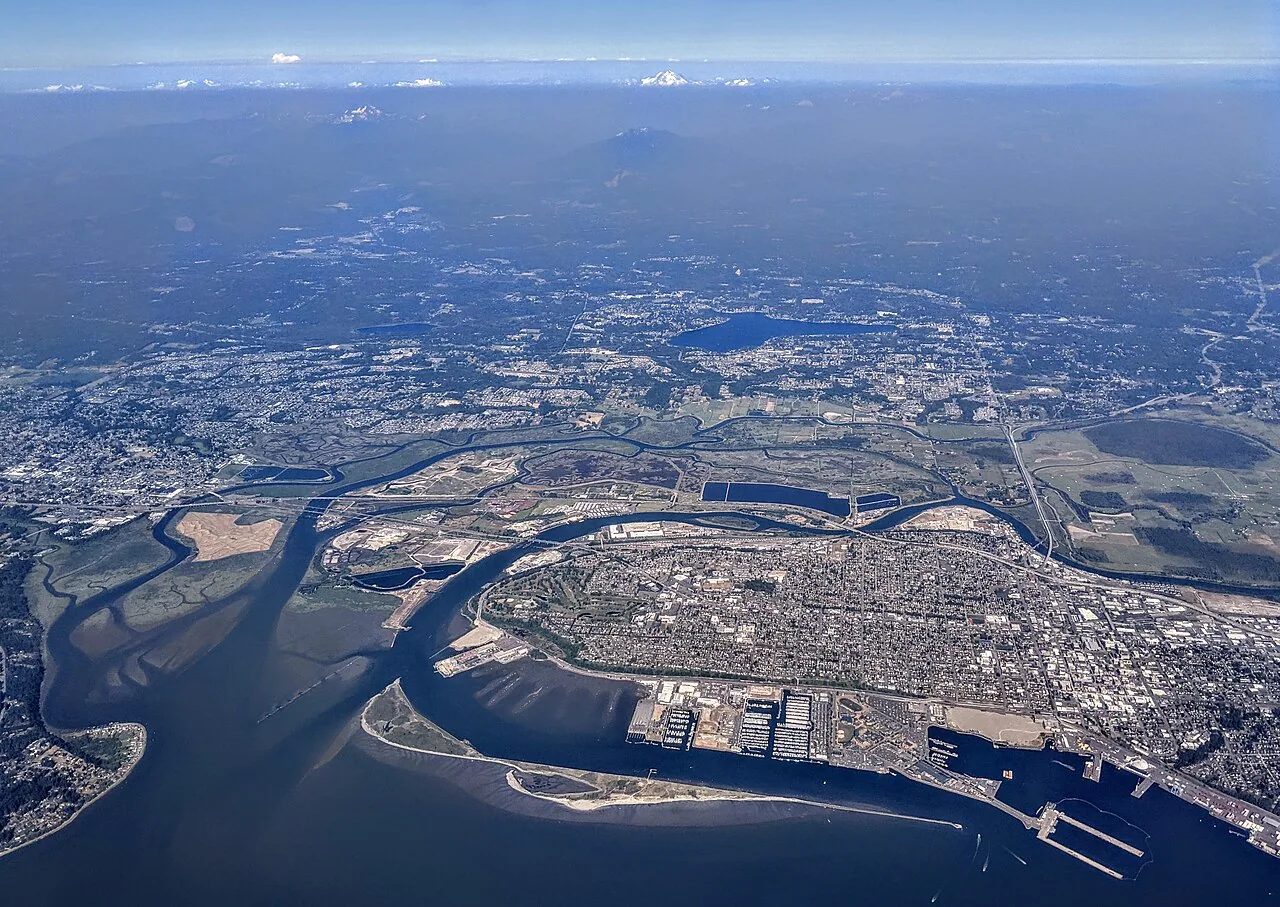
A skylight curb can remain dry through one rain and admit water at a corner during wind-driven exposure, while the ceiling stain appears several feet away. The assembly includes the frame, curb, membrane flashing, counterflashing, fasteners, and the roof surface that directs water toward it. We inspect those parts together, then compare the detail with interior symptoms and earlier repairs before recommending a patch or rebuild. Everett receives substantial precipitation, with the highest monthly normals in November, January, and December; periodic freezing nights also make movement at frame and membrane transitions relevant when visible conditions support it. Commercial roofs near Paine Field include aviation and maintenance facilities, while the Port and Metro Everett contain varied industrial and occupied buildings. Access around equipment, skylights, and active tenants must be planned with the facility. For uncertain moisture below the membrane, a moisture survey may help define the test area; an inspection documents the adjacent field and drainage conditions.
Relate the interior symptom to the curb
We record the room, timing, wind direction if known, and whether water appears at one corner, along a frame, or across a broader ceiling area. That pattern can direct the roof review, but it does not prove that the skylight is the entry point. Water may travel along a deck or framing before reaching the room. We compare the symptom with the curb height, nearby seams, penetrations, and drainage route, then describe which physical connection remains uncertain.
Condensation can also resemble a roof leak. Interior humidity, cold framing, and glazing surfaces may produce water without a failed roof flashing. We look for staining, water tracks, recurring timing, and the relationship to weather, while avoiding a diagnosis from appearance alone. If the interior evidence points to condensation or an HVAC source, that finding is separated from any observed roof defect.
Inspect frame, curb, and glazing
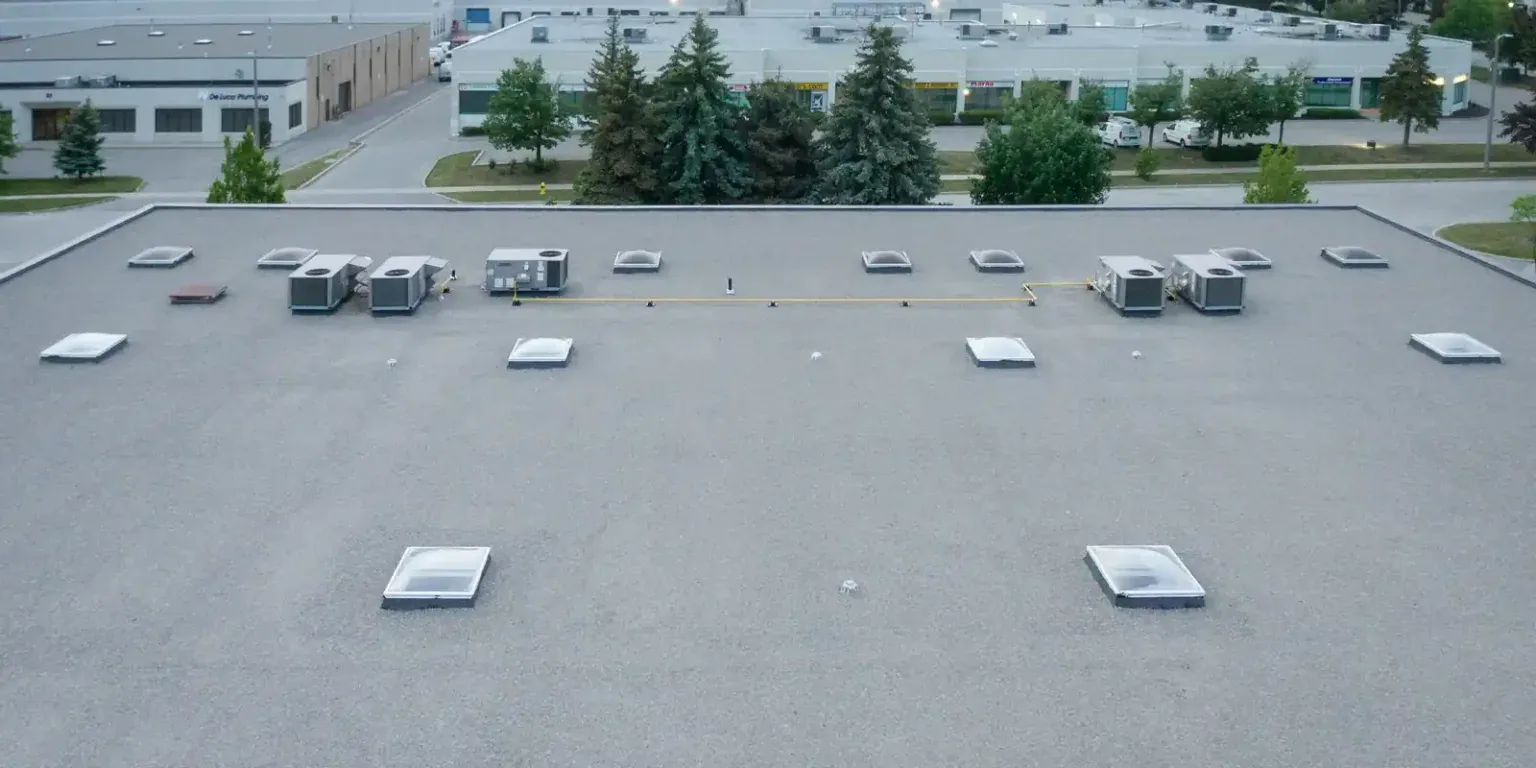
At the skylight, we look for frame separation, cracked glazing, failed gaskets, loose fasteners, corrosion, damaged corners, and evidence of movement between the frame and curb. The curb should be stable and high enough for the roof configuration; the flashing must remain continuous around all sides. We inspect the sill and corners for debris that can hold water, and check whether repairs have bridged a moving joint or blocked a drainage path.
Each curb face can behave differently depending on orientation, nearby equipment, and exposure. A bead of sealant along the visible edge may hide a gap underneath or fail where the frame moves. We identify the affected face and material so any repair reaches a stable connection. On a large building, each skylight or curb is numbered by roof zone; repeating locations should not be grouped as one repair if their conditions differ.
Trace membrane and metal flashing
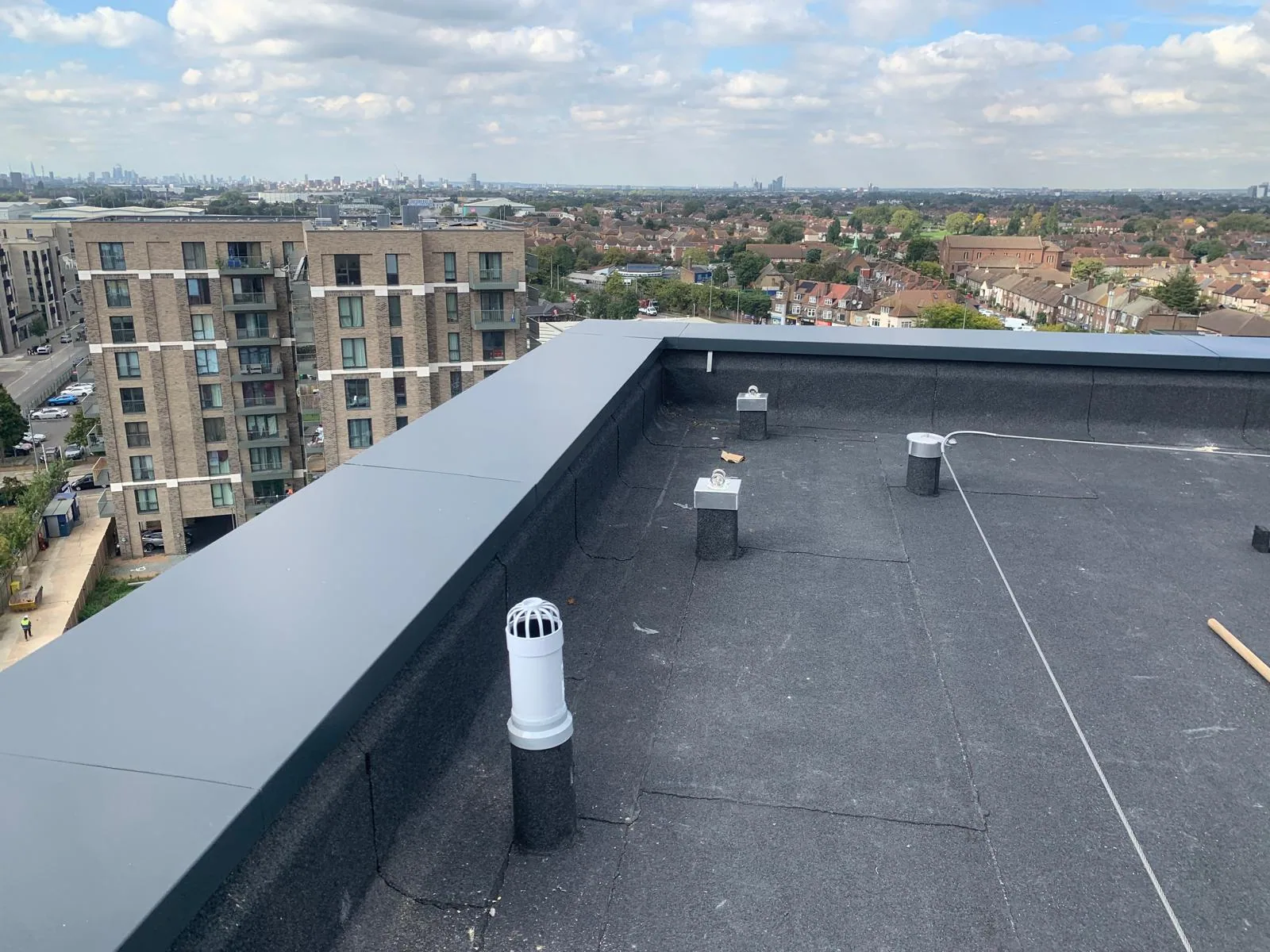
We follow the membrane up the curb, around corners, and beneath counterflashing where present. Open laps, fishmouths, loose termination bars, split corners, and fastener movement can interrupt the water path. Metal counterflashing needs to shed water over the membrane flashing without directing runoff behind it. If the substrate is soft or wet, the repair may need to remove layers and rebuild the transition instead of covering the surface.
Everett's Inspect the curb-to-roof connection for open laps, movement, and seal failure after reported water entry. We photograph the detail from each side, note where water can collect, and compare it with the reported leak. If the skylight is intact and the opening appears at a nearby pipe or curb, we inspect that penetration separately. A flashing failure review can define the corrective detail when separation or loss of attachment is confirmed.
Choose patch, rebuild, or removal
A small puncture in sound flashing may accept a compatible patch after cleaning and preparation. A split corner, low curb, deteriorated frame, or wet substrate can require a wider rebuild or skylight replacement. The scope identifies the materials removed, substrate condition, new flashing layers, and how the work ties into the roof membrane. If no safe termination exists, a surface patch should not be presented as a permanent correction.
Where multiple units show similar age or movement, we document each one and compare condition before proposing a larger replacement package. At Paine Field, facilities include hangars and airport-support buildings, but no roof type should be assumed from the tenant's activity. The inspection reports the actual system and access limits at the property. We also compare the curb height with nearby membrane and drainage, because runoff can reach the lower side of a frame while the high side remains dry. Before a removal, we identify how the opening can be protected overnight and which materials will close the assembly if weather changes. These steps keep the repair boundary tied to a detail that can be safely opened and restored. Owners can compare a focused repair scope with a broader replacement review when the surrounding assembly also shows deterioration.
Control access around fragile openings
Skylights can be fragile even when the glazing looks intact. We set a work boundary, use appropriate fall protection, and avoid leaning tools or material against the frame. On roofs with many openings, a marked route helps prevent accidental foot traffic across a translucent panel. If access is obstructed by equipment or a tenant restriction, we document the inaccessible curb and schedule a safe return rather than infer its condition from the next unit.
Everett's aviation and industrial building clusters may have restricted work zones, escort rules, and active vehicle routes. At a property near Paine Field, the facility contact can confirm operating boundaries; in the industrial waterfront, cargo activity may affect staging. These constraints inform access planning but do not change the flashing diagnosis. Repairs around occupied buildings in Metro Everett may also require interior protection and tenant coordination.
Verify the rebuilt transition
After correction, we inspect the curb corners, membrane tie-in, termination, counterflashing, fasteners, and any frame work included in the scope. We photograph the completed detail and note which adjacent conditions remain outside the repair zone. If the work includes a new skylight or curb, the record identifies the interface with the existing roof so future maintenance can inspect the same points.
The closeout also names whether water testing was performed and what the result means. A controlled test may show that a visible connection holds under the test conditions; it does not certify unrelated areas. We preserve the original symptom and repair location so a later visit can compare evidence. For recurring leaks, a leak investigation can revisit the path if water returns, while maintenance can check accessible frames and flashing at planned intervals. Request a curb inspection with interior photographs, roof access details, and any prior skylight repairs.
Commercial Roofing Questions
Can water at a skylight be condensation?
Yes. Interior humidity, glazing temperature, and framing can produce condensation. We compare timing and roof evidence before assigning the water to flashing.
Does new sealant fix a leaking skylight curb?
Only when the joint and substrate are suitable for that repair. A split corner, loose termination, damaged frame, or wet material can require rebuilding the detail.
Can you inspect a skylight without walking beside it?
Aerial images can help locate visible conditions, but physical inspection is needed to assess frame, curb, flashing, and attachment where access is safe.
Do you replace the skylight or only repair the flashing?
The recommendation depends on frame condition, curb geometry, glazing, substrate, and the surrounding roof. The scope identifies the layer that needs correction.
How do you protect the building during a curb repair?
We coordinate interior protection, weather timing, safe access, and temporary closure before removing material. The closeout lists any limits or return work.
Questions Owners Ask
Can water at a skylight be condensation?
Yes. Interior humidity, glazing temperature, and framing can produce condensation. We compare timing and roof evidence before assigning the water to flashing.
Does new sealant fix a leaking skylight curb?
Only when the joint and substrate are suitable for that repair. A split corner, loose termination, damaged frame, or wet material can require rebuilding the detail.
Can you inspect a skylight without walking beside it?
Aerial images can help locate visible conditions, but physical inspection is needed to assess frame, curb, flashing, and attachment where access is safe.
Do you replace the skylight or only repair the flashing?
The recommendation depends on frame condition, curb geometry, glazing, substrate, and the surrounding roof. The scope identifies the layer that needs correction.
How do you protect the building during a curb repair?
We coordinate interior protection, weather timing, safe access, and temporary closure before removing material. The closeout lists any limits or return work.
Inspect the full curb transition
Schedule a skylight or penetration-flashing inspection in Everett. We will document frame and membrane conditions, likely water paths, and the repair boundary.
Related Roofing Work
- Infrared Moisture Survey
- Commercial Roof Inspection
- Commercial Roof Flashing Failure Repair
- Commercial Roof Repair
- Commercial Roof Replacement
- Paine Field and Boeing Manufacturing Center
- Metro Everett
- Commercial Roof Leak Repair
Browse every page in Commercial Roofing Services, or request a roof assessment and we will walk the roof with you.
Questions about this roof? Call 555-555-5555.