Commercial Roof Repair, Replacement & Maintenance
Multi-Site Commercial Roof Programs in Everett, WA
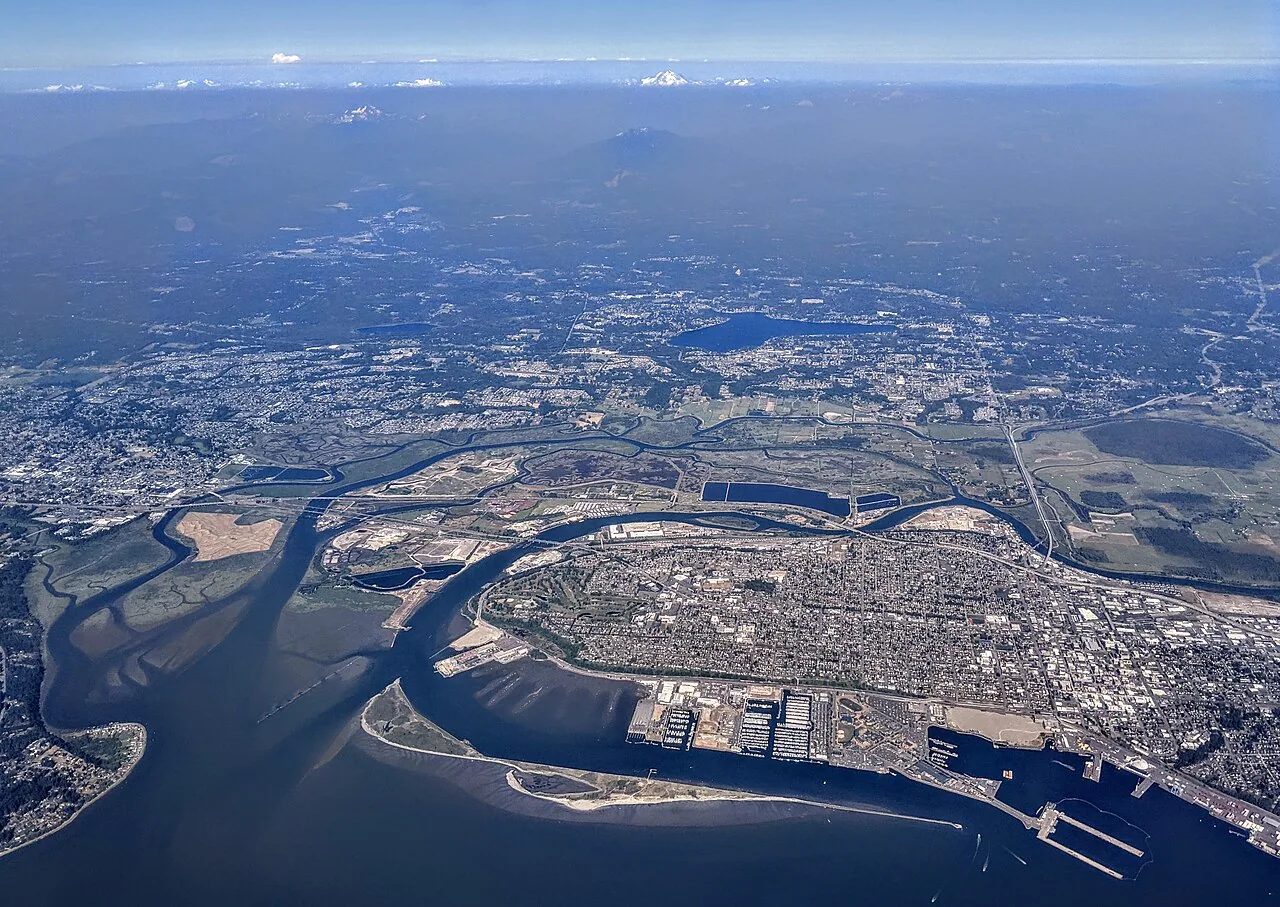
A portfolio program should make inspections and repair decisions easier to coordinate without making separate roofs look the same. We use shared report fields and a common work-order path, then keep each building's system, photographs, test points, and repair history tied to its own record. Everett owners may oversee port-side warehouses, Paine Field aviation support, offices in Metro Everett, and properties across Snohomish County. Access and operating schedules vary. A maintenance program can establish recurring visits, while asset tracking preserves building-level history.
Set one process for intake and site-level decisions
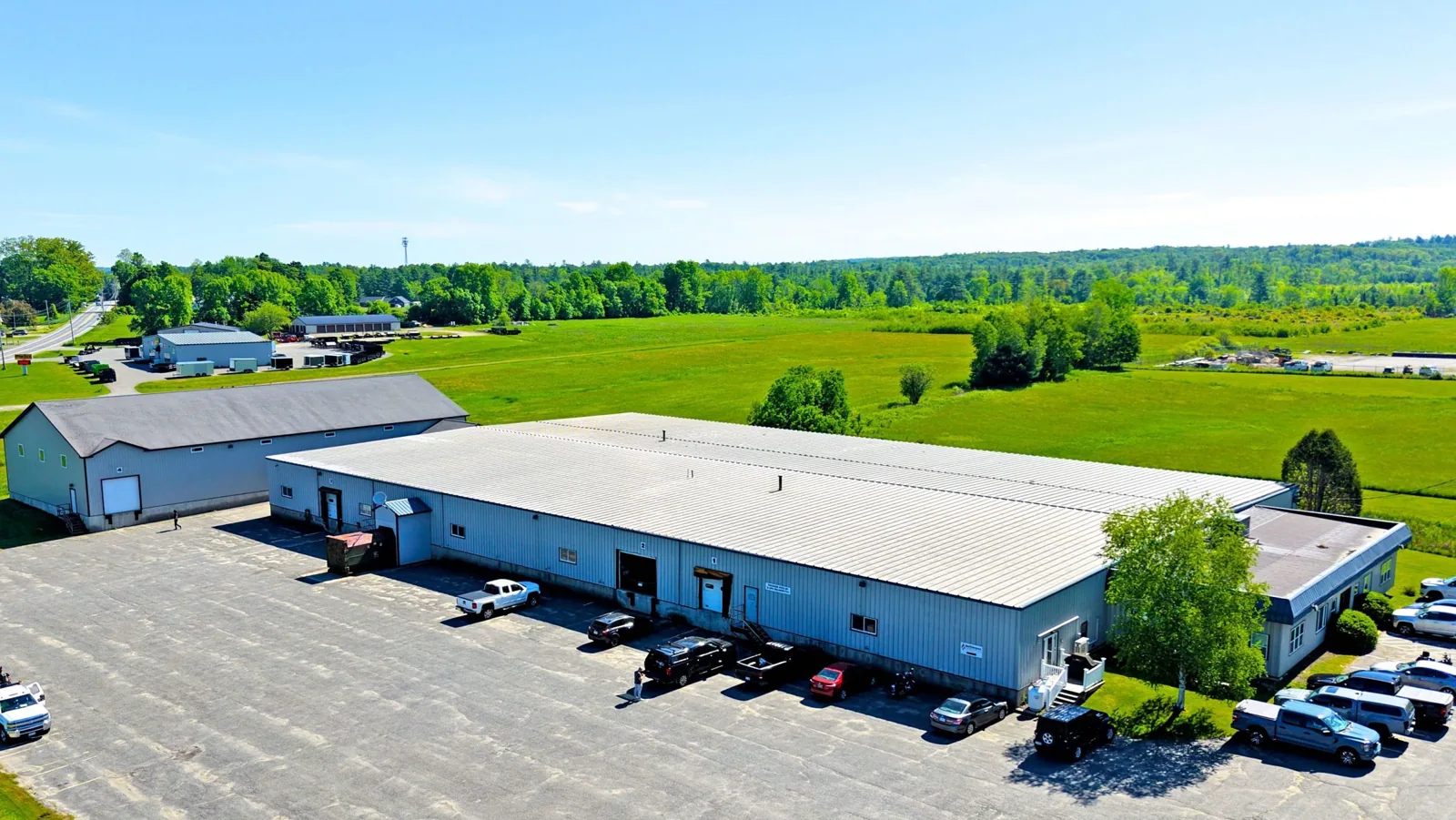
Use a consistent intake form for the property, roof area, leak date, active water, interior impact, and site contact. The form routes an urgent opening differently from a routine drain concern, but it should not diagnose the roof before inspection. Each visit receives a separate work order and roof map. A regional summary can group properties by status while preserving the evidence and repair boundary at each site. Define the status terms before rollout: new report, inspection scheduled, active stabilization, scope pending test, repair authorized, complete, and monitor. Each status should have an owner and next action. The portfolio lead reviews overdue tasks at a fixed cadence and records whether a site visit, price, or approval is missing. Without that rule, an old open item can remain on a report long after its conditions changed, while an urgent leak may be buried under routine work orders.
At the Port of Everett, rail-served cargo and warehouse operations add access and freight considerations; the Paine Field area has aviation, maintenance, hangars, and airport support. Those clusters show the range of commercial settings in the market. They do not mean a single scheduling rule will fit every building. A distribution operator program may coordinate with active shifts; a property manager may need tenant contacts and recurring work-order assignments.
Keep inspection methods and findings comparable
Use the same core fields for system, drain condition, seams, penetrations, moisture, photographs, repair needs, and access limits. Let the inspector describe the assembly and condition rather than forcing every roof into a preset rating. If a roof section is inaccessible, label it as not reviewed. If a sample is taken, keep its location and material result tied to the property. These controls make portfolio comparison useful without overstating uniformity.
Everett's 40.25-inch annual precipitation normal and recurring freezing nights help with seasonal scheduling. They do not establish a leak or condition at any individual roof. A written report can hold the detailed photos and test boundaries; an infrared survey can help prioritize direct tests when appropriate. The program should record the method used so a portfolio score based on visual inspection is not compared as if it included sampling.
Route emergencies without losing permanent follow-up
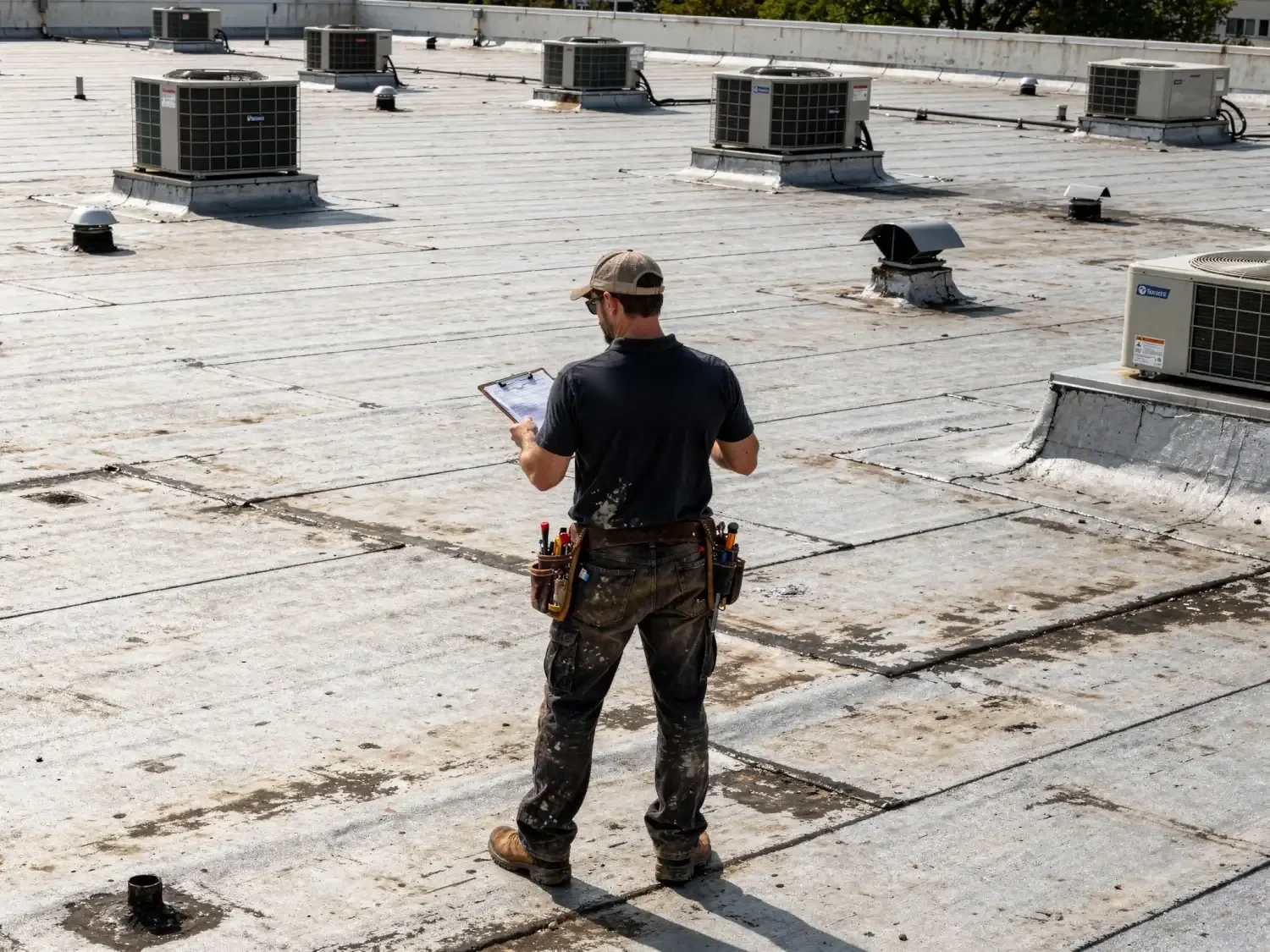
When a leak is active, define who can request temporary stabilization and who will approve permanent work. Capture date, location, roof zone, protection installed, and any interior restriction. Add a follow-up task before closing the response record. The temporary measure should not disappear into a completed ticket if the roof still needs a permanent detail or moisture test.
For a property around Metro Everett, public or tenant entry may affect the response window. At an industrial building in another part of the area, an escort or loading restriction may matter more. Emergency response addresses the immediate opening; a later inspection can document the permanent scope. The program manager assigns the contact and confirms access, while the local facility team controls operations and safe entry.
Schedule preventive work from observed conditions
Recurring maintenance should come from the roof's history: drains that collect debris, flashing that needs observation, rooftop equipment changes, or a repaired seam that should be checked after rain. Assign the work by property and roof zone, with an interval or event trigger. Do not copy a task to all locations solely because they share a portfolio. Close each work order with photos and the status of unresolved items.
In Everett, late fall and winter are the wetter parts of the annual pattern. An owner can schedule accessible drain and edge checks before that period, then reserve response capacity for active leaks. The program should record the actual maintenance completed and any area skipped. Outlet maintenance and perimeter checks can be tracked independently so completion in one category does not mask an open issue elsewhere.
Use portfolio summaries without averaging away risk
A regional dashboard can show open leaks, planned repairs, testing needs, and capital candidates by site. Each status should link back to an individual report with photos and assumptions. Avoid one blended reserve or condition score that hides a roof with wet insulation among several roofs that have clear visual findings. If replacement is being considered, show what tests and quantities support it and which areas remain unknown.
Washington's adopted commercial building and energy codes apply to project scopes as required, so a portfolio replacement program still needs project-specific design and permitting review. Capital planning can arrange priorities and timing; a portfolio-owner review can compare work across assets. The program coordinator should preserve the distinction between common process and local technical decision. That is how a summary can remain concise while still being auditable.
Make the program portable across property teams
Store current roof plans, warranties, access directions, inspection reports, and work orders in a structure the owner can transfer when staff or vendors change. Keep sensitive gate or security details in an approved access record. Label photos by site and zone, and record the report date. When a roof is repaired or replaced, update the assembly and warranty file without erasing the prior condition history.
Everett Industrial Waterfront, North Broadway, and Snohomish County municipalities represent different service contexts within the owner's portfolio. Use location to route crews and plan travel, not to infer roof conditions. Before a program visit, provide a current property list, site contacts, leak intake, access rules, and any scheduled mechanical work. We will return separate building records and a portfolio summary that reflects the work actually completed.
Commercial Roofing Questions
Can one roof program cover several Everett properties?
Yes, with a shared process and separate records for each building, assembly, inspection, and repair boundary.
How should an active leak enter a multi-site workflow?
Route stabilization promptly, capture the temporary action, and assign a permanent follow-up before closing the response ticket.
Can buildings be ranked using one condition score?
A common scale can help sort status, but every score should link to site-specific photos, tests, limits, and next actions. Preserve when the score was assigned, who reviewed it, and what evidence would raise or lower the priority. A score should not carry forward automatically after a repair, roof replacement, or new leak report. Update it after the next inspection and retain the earlier rating as history so regional comparisons remain explainable. Set a review date for unresolved samples, permit questions, or pricing requests so the portfolio summary does not leave them indefinitely in a pending category. If a site opts out or cannot provide access, record that decision and its date. These exceptions matter when leadership reviews completion rates because they distinguish a contractor delay from an owner-controlled access decision.
How often should every property be inspected?
Set timing from each roof condition, access, maintenance record, and observed issues rather than copying one interval across all assets.
What should transfer when a property manager changes?
Transfer roof plans, inspection reports, warranties, repair history, work orders, open items, and controlled access instructions.
Questions Owners Ask
Can one roof program cover several Everett properties?
Yes, with a shared process and separate records for each building, assembly, inspection, and repair boundary.
How should an active leak enter a multi-site workflow?
Route stabilization promptly, capture the temporary action, and assign a permanent follow-up before closing the response ticket.
Can buildings be ranked using one condition score?
A common scale can help sort status, but every score should link to site-specific photos, tests, limits, and next actions. Preserve when the score was assigned, who reviewed it, and what evidence would raise or lower the priority. A score should not carry forward automatically after a repair, roof replacement, or new leak report. Update it after the next inspection and retain the earlier rating as history so regional comparisons remain explainable. Set a review date for unresolved samples, permit questions, or pricing requests so the portfolio summary does not leave them indefinitely in a pending category. If a site opts out or cannot provide access, record that decision and its date. These exceptions matter when leadership reviews completion rates because they distinguish a contractor delay from an owner-controlled access decision.
How often should every property be inspected?
Set timing from each roof condition, access, maintenance record, and observed issues rather than copying one interval across all assets.
What should transfer when a property manager changes?
Transfer roof plans, inspection reports, warranties, repair history, work orders, open items, and controlled access instructions.
Coordinate roof work across Everett properties
Set up an Everett multi-site roof program. We will align intake and reporting while keeping each building’s condition, testing, and repair decisions distinct.
Related Roofing Work
- Preventive Roof Maintenance
- Commercial Roof Asset Management
- Commercial Roofing for Logistics and 3PL Operators
- Commercial Roofing for Property Management Companies
- Commercial Roof Condition Reports
- Metro Everett
- Emergency Commercial Roof Repair
- Commercial Roof Drains and Scuppers
Browse every page in Roofing Capabilities, or request a roof assessment and we will walk the roof with you.
Questions about this roof? Call 555-555-5555.