

Commercial Roof Repair, Replacement & Maintenance
Commercial Roofing in Paine Field and Boeing Manufacturing Center, Everett, WA
Southwest Everett and Paine Field form a major manufacturing and industrial area for Snohomish County. Boeing's aircraft assembly plant and Paine Field Airport are major parts of a broader employment area that includes aerospace, aircraft manufacturing, and high-technology work. Paine Field supports maintenance operators, aviation businesses, hangars, and airport departments. The airport and Boeing operations occupy the broader area, so confirm access rules, work windows, and roof assembly with each property contact. We inspect the individual property, verify access rules, and map the assembly and reported condition before proposing work. A commercial roof inspection can establish safe next steps in the Paine Field and Boeing Center.
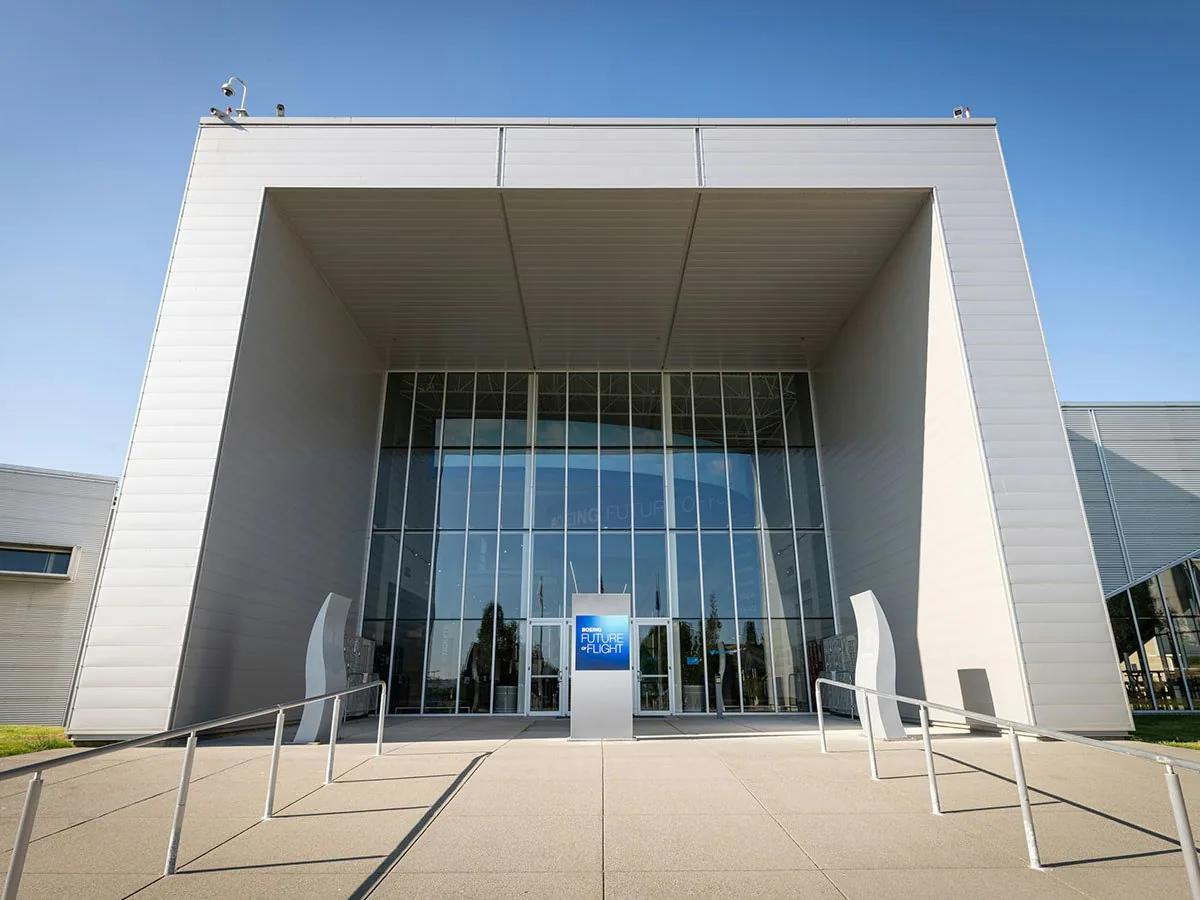
Coordinate roofing with industrial and aviation activity
An active manufacturing or aviation property may have production schedules, controlled entrances, escort rules, sensitive equipment, and restricted roof areas. Confirm these conditions with the site's authorized contact before scheduling. Identify whether vehicles, cranes, or aircraft operations affect overhead access and where materials may be delivered. Paine Field has multiple aviation and support users. Confirm the property's roof access rules and operating limits with its authorized contact.
Plan the route from arrival to roof entry. Confirm identification requirements, fall-protection procedures, roof hatch keys, equipment shutdown contacts, and emergency access. If an escort is required, reserve that time in the estimate. For manufacturing roofs, ask which process lines or services cannot be interrupted and where work could affect intake or exhaust. Keep a daily closure and site-clearance checklist. A repair scope should state these access assumptions before price and duration are finalized.
Document the roof as an assembly, not a product label
Industrial roofs can span large areas and support equipment, but local planning records do not identify the system on any particular Paine Field property. Confirm membrane or roof type from available records and field indicators. Mark seams, flashing, drains, roof penetrations, equipment supports, edge conditions, and repair patches. If a roof includes multiple construction phases, keep each section distinct on the plan. Check transition details where an addition meets the original roof.
Review warranty papers and project submittals against observed materials. Ask whether aircraft or manufacturing equipment changes have led to new rooftop conduits, curbs, or supports. A later modification may interrupt the original waterproofing details or change maintenance access. Do not assume that an existing patch is compatible simply because it has lasted through one season. If the surface cannot be identified, state the uncertainty and explain what sample, test, or record could resolve it. A condition report should preserve both the verified system and any unresolved identification questions.
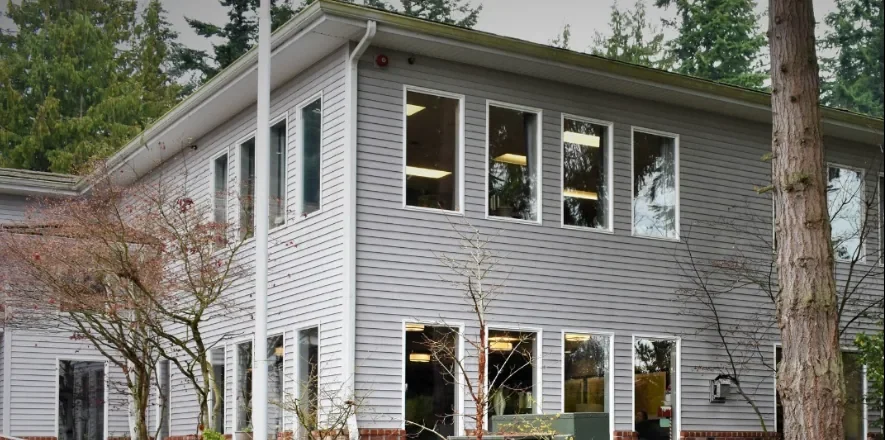
Investigate leaks without disrupting production unnecessarily
Start with a specific interior location, time, weather, recurrence, and any equipment or piping activity above. Compare that area with roof details and trace likely water routes. Check drains, overflow paths, seams, wall flashing, equipment curbs, and penetrations separately. Water may move along a deck or insulation before it appears below. Mark test locations and photograph the context so the site contact can review findings without requiring a second orientation walk.
Everett averages about 40.25 inches of precipitation each year, with late fall and winter bringing the heaviest monthly totals. Keep drains open during staging and set a daily dry-in check whenever a roof section is exposed near active production. If operations require a limited access window, prioritize the evidence needed to decide whether temporary protection is enough or a follow-up is necessary. A leak investigation should identify its limits if escort time, production schedules, or roof conditions prevent a complete review.
Control roof access and dropped-object exposure
On a large facility, roof access may cross energized equipment, fragile surfaces, exhaust paths, or restricted work zones. Confirm fall protection and rescue procedures before entry. Keep tools and materials secured, protect openings, and plan lifts or hoisting with the site contact. If a temporary barrier or shutdown is required, identify who provides it and how it will be checked. Do not enter controlled areas or approach operating aircraft without authorization. A roofing work plan should fit the facility's own safety system.
Map the roof zone and the route to the repair. If several buildings or hangars are included in a program, confirm the access process at each structure. A shared campus does not mean the roofs share one system, safety contact, or escort. Work at an aerospace plant may need different sequencing from an airport maintenance hangar or office. State these differences in the mobilization plan and keep them separate from technical conclusions about membrane condition.
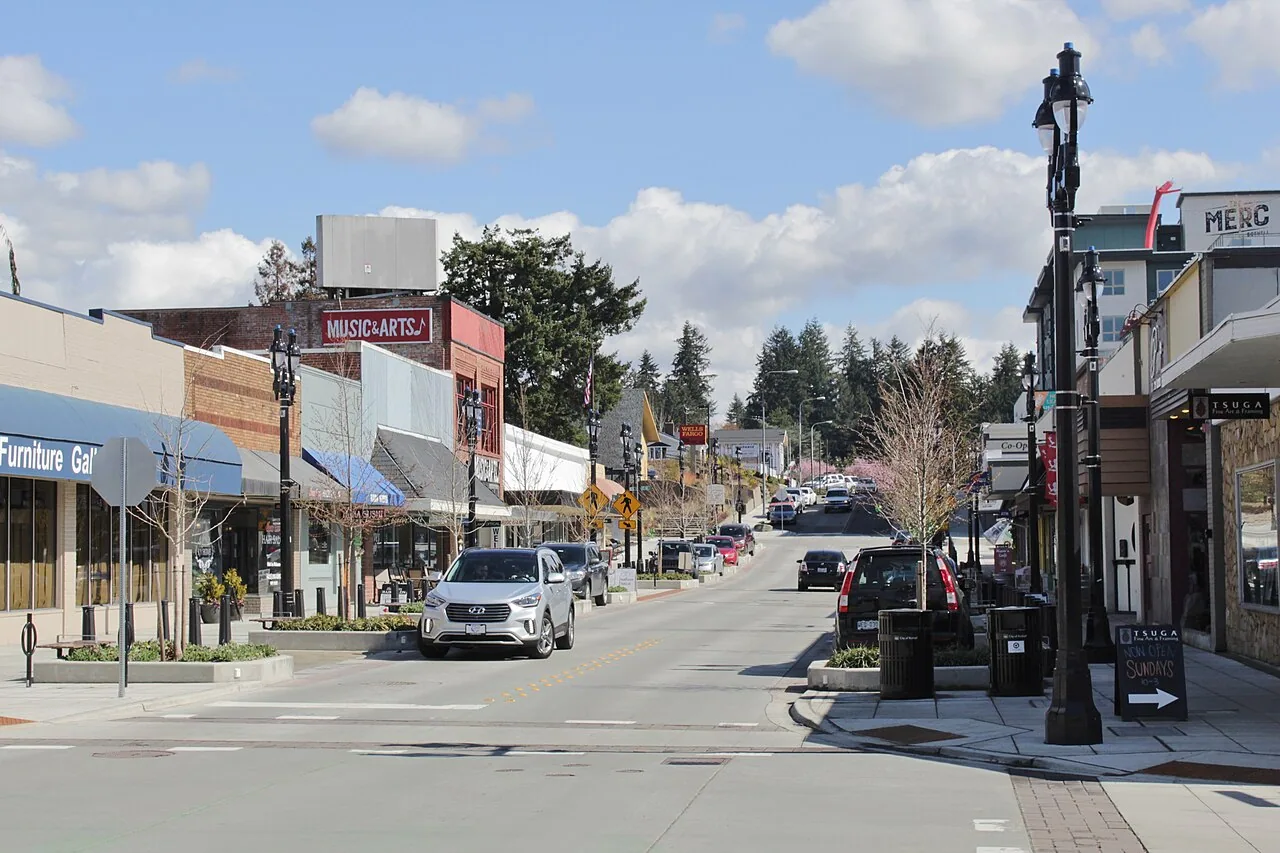
Set repair boundaries and compare full-scope options
For a localized defect, specify the material, preparation, extent, flashing tie-in, and inspection method. Include protection and interior controls. If concealed wet insulation or deck corrosion is possible, describe a test opening and who approves added removal. Temporary dry-in should be labeled and tracked until permanent work is complete. On a large roof, use a plan grid or consistent zone names so crews and facility staff can refer to the same area.
For replacement, compare tear-off, substrate work, insulation, cover board, attachment, membrane, edge metal, penetrations, drains, and access provisions. Include disposal, crane or lift assumptions, and production shutdown costs where they apply. Washington's building and energy codes apply to construction design and permitting; confirm requirements for the actual facility and scope. A replacement proposal should define exclusions and unit costs for concealed findings. Compare TPO or metal options only when the structure, wind design, geometry, and operation support them.
Use planned inspections to protect critical schedules
Inspection timing should reflect condition, system requirements, operational consequence, and access burden. Keep a record of seams tested, drains checked, roof areas reached, repairs, and conditions outside the scope. On critical buildings, define who receives an urgent call, who can approve temporary protection, and where after-hours access is arranged. A baseline plan and current contact list reduce delay when a leak appears during production.
Rainy-season checks can confirm that drain paths remain open and previous repairs are intact. Work should be coordinated with the facility's safety and maintenance teams, particularly when roof traffic from other trades is expected. A preventive maintenance program can log those observations without treating a routine visit as a structural assessment. Owners managing nearby Southwest Everett Industrial Center or Everett Industrial Waterfront buildings can group mobilizations while retaining separate roof records.
Record the work for the next authorized crew
At closeout, provide a marked plan, dated photographs, materials installed, tests performed, and areas not reached. Identify temporary measures, warranty documents, approved changes, and remaining questions. Note the authorized site contact and any restrictions that will apply to future access. If a repair relies on equipment shutdown or escort, record the coordination step for the next visit.
The Paine Field and Boeing manufacturing area supports a substantial employment base in aerospace and high technology. The area includes aircraft assembly and airport operations alongside aviation operators, maintenance businesses, hangars, and airport departments. Aerospace and airport uses make access controls and operating windows important across the broader service area; confirm requirements with each site's contact. Each recommendation should reflect evidence from the specific building and preserve operational limits. A waterfront industrial property has different staging considerations; the work record should remain specific to the site actually inspected.
Commercial Roofing Questions
Does the Paine Field/Boeing area include only one facility?
No. Southwest Everett contains a broad manufacturing area alongside Paine Field aviation and airport-support businesses.
What roof details should be documented at a hangar or plant?
Record the verified system, seams, penetrations, equipment, drainage, edges, access limits, and any construction-phase transitions.
Can roof work proceed while aircraft or manufacturing operations continue?
That depends on the facility's safety rules, access controls, work zone, shutdown requirements, and approved schedule.
What should be ready before a roofing crew arrives?
Arrange authorized access, escorts if needed, work permits, shutdown contacts, roof plans, leak history, and material or lift staging.
Questions Owners Ask
Does the Paine Field/Boeing area include only one facility?
No. Southwest Everett contains a broad manufacturing area alongside Paine Field aviation and airport-support businesses.
What roof details should be documented at a hangar or plant?
Record the verified system, seams, penetrations, equipment, drainage, edges, access limits, and any construction-phase transitions.
Can roof work proceed while aircraft or manufacturing operations continue?
That depends on the facility's safety rules, access controls, work zone, shutdown requirements, and approved schedule.
What should be ready before a roofing crew arrives?
Arrange authorized access, escorts if needed, work permits, shutdown contacts, roof plans, leak history, and material or lift staging.
Coordinate an inspection around facility operations
Request commercial roofing service in the Paine Field and Boeing Center. We will verify access, document the roof, and define a property-specific scope.
Related Roofing Work
- Commercial Roof Inspection
- Commercial Roof Repair
- Commercial Roof Condition Reports
- Commercial Roof Leak Repair
- Commercial Roof Replacement
- Preventive Roof Maintenance
- Southwest Everett Industrial Center
- Everett Industrial Waterfront
Browse every page in Service Areas, or request a roof assessment and we will walk the roof with you.
Questions about this roof? Call 555-555-5555.