

Commercial Roof Repair, Replacement & Maintenance
Commercial Roof Condition Reports in Everett, WA
A useful roof report lets a facilities manager return to the same location and understand what was observed, what was tested, and what remains uncertain. We map the roof zones, document seams, drains, penetrations, edges, and interior reports, then tie recommendations to those findings. Everett's port, rail, aerospace, and commercial properties present different assemblies and access rules, so a report needs building-level detail. A commercial roof inspection supplies the field observations; a roof asset record keeps them available for maintenance and capital planning.
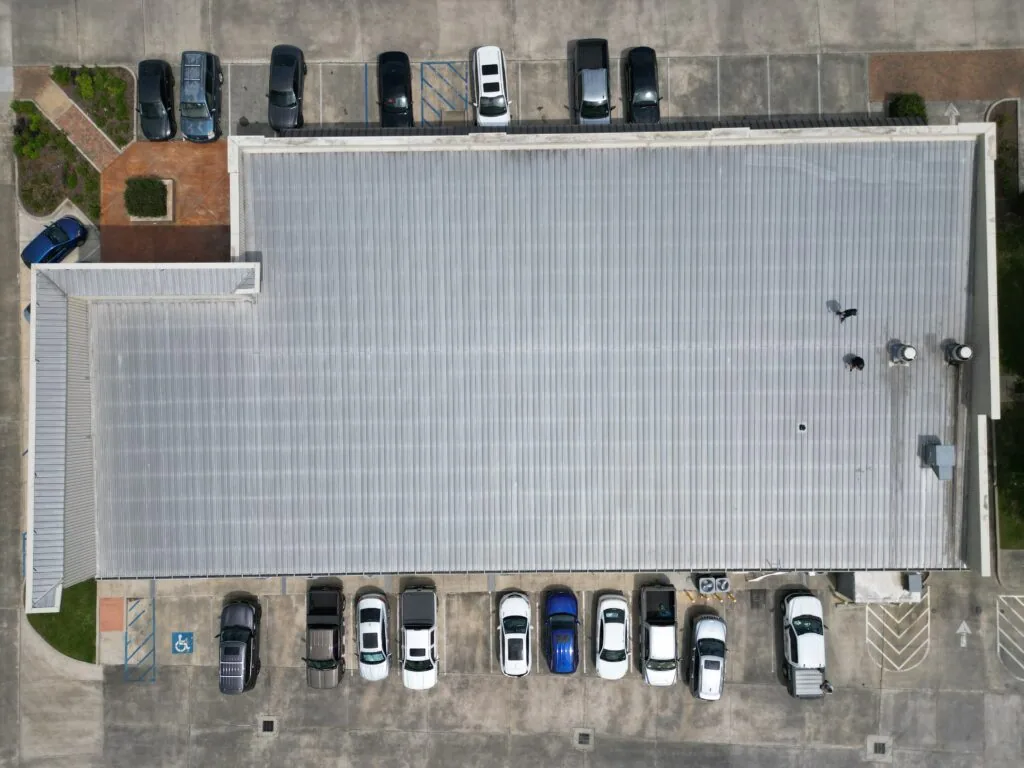
Make each photograph findable on the roof plan
A close-up without orientation is hard to use months later. We record a roof zone or plan reference, take a context image and a detail image, and note the direction or nearby feature that locates it. A photograph of an open seam should show enough surrounding membrane to distinguish a field lap from a curb transition. Add a reference point such as a drain, unit, parapet corner, or roof-zone label, then keep the same convention through the report. If the image was taken from the ground or a drone, label that viewpoint so it is not confused with a hands-on surface inspection. A consistent image set lets a second reviewer follow the finding without needing the original inspector to explain it. Drain and edge photos should include adjacent material where the repair boundary depends on it.
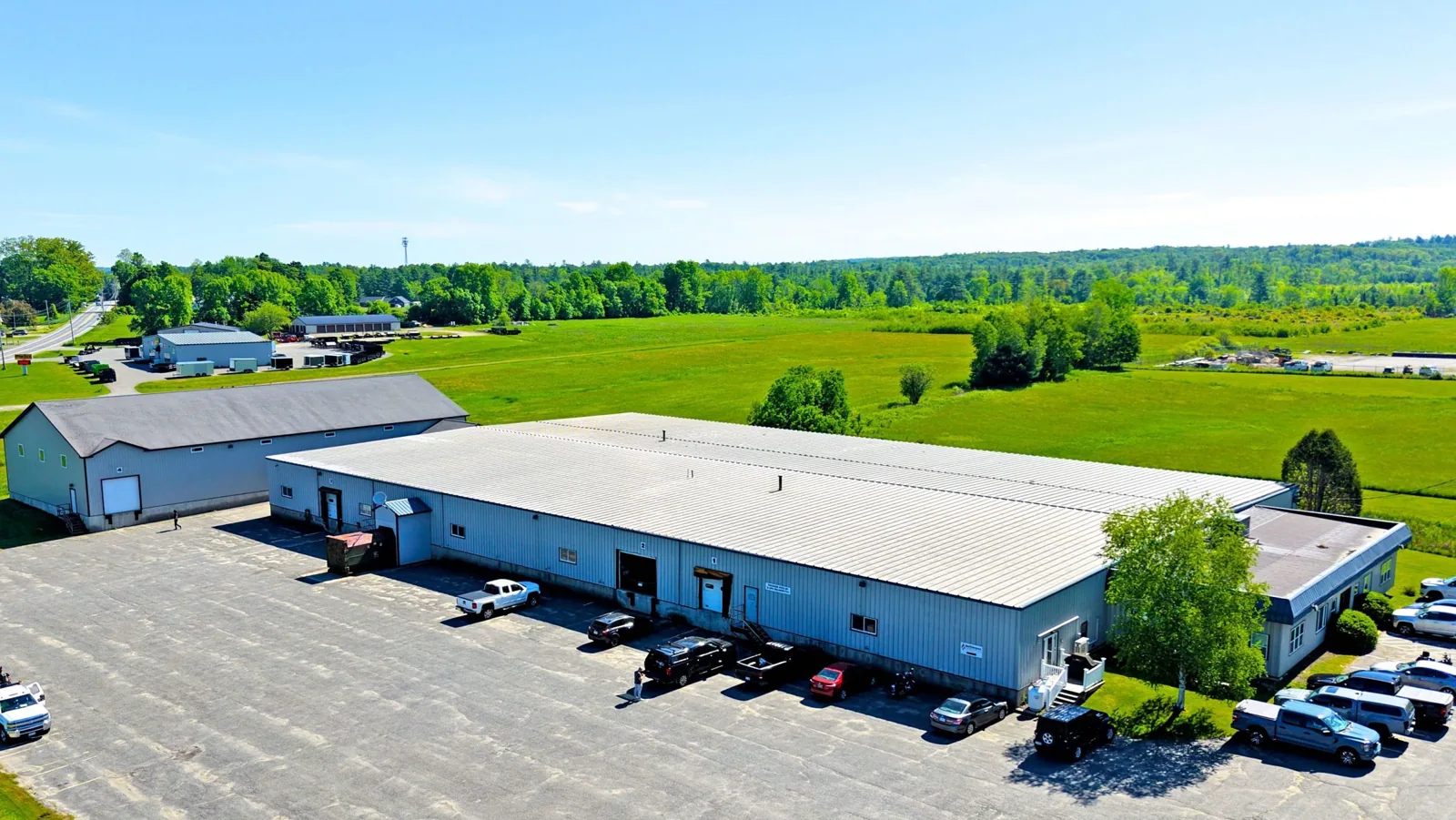
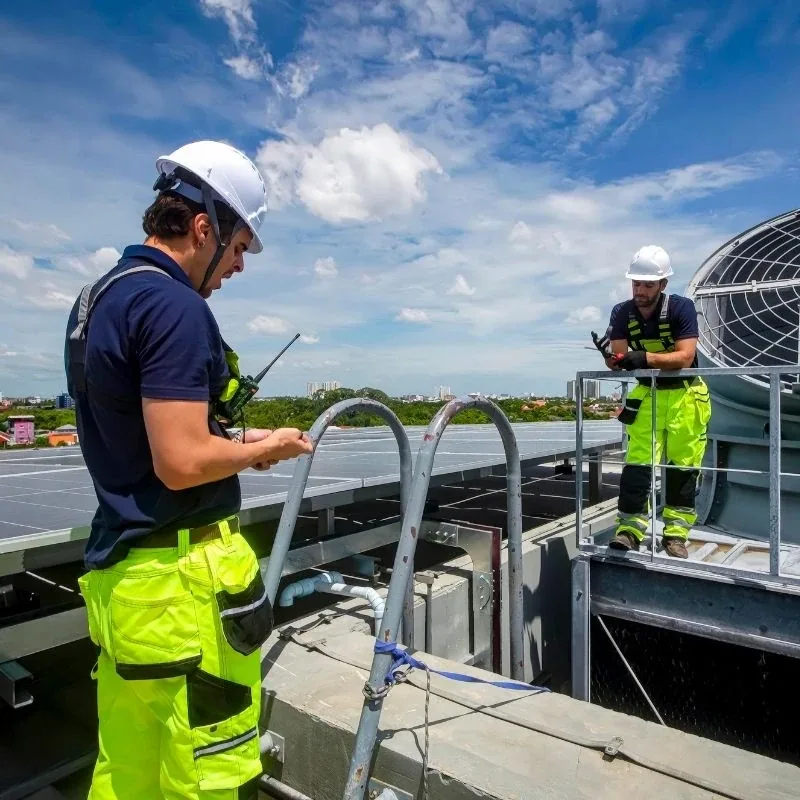
The report should identify the inspection date and what access was available. State whether the visit was visual only, whether samples were taken, and which interior rooms were reviewed. When several buildings share a campus or an owner, label each file independently before creating a portfolio summary. This prevents a photograph or repair recommendation from being attached to the wrong roof during budget review, procurement, or a later incident investigation. If a roof section was blocked by equipment, snow, tenant restrictions, or unsafe conditions, mark it as not inspected. Do not let a summary imply that the inaccessible area was clear. A drone survey can support a visual record where safe roof access is limited, but a camera view does not replace hands-on testing of concealed layers or a close seam inspection.
Describe the observation before the recommendation
Write the finding in physical terms: split lap, loose counterflashing, obstructed outlet, punctured membrane, wet insulation at a sample, or no visible opening found. Keep the interpretation separate from the observation. If a leak path appears likely but is not confirmed, state the evidence that points toward it and the test that could settle the question. That gives the owner a way to challenge or validate the conclusion with another visit.
For example, water in an Everett office may appear below a parapet even if the entry is at an equipment curb. We compare roof slope, drainage, walls, and penetrations before assigning a cause. Flashing findings can be mapped separately from drainage or ponding findings. This distinction matters when two conditions occur in the same zone, since the repair may need separate quantities and sequencing.
Report the test boundary and method limits
Moisture readings and test cuts should be shown at their locations, with the layers observed and the conditions under which testing occurred. One sample provides evidence at one point. If the assembly changes at a roof addition or parapet, additional sampling may be needed before defining the entire wet area. If no destructive test is authorized, the report should state the estimate assumption and avoid calling untested insulation dry.
Infrared imaging may help select test locations when surface temperature and recent weather make the data useful. It does not verify moisture alone. A moisture survey can provide a map for targeted investigation. The report explains the method, limits, and any direct confirmation, so the owner can decide whether more testing is worth the time and roof disturbance.
Tie each action to the condition that supports it
Recommendations should be specific enough to price and inspect. State the roof area, materials, preparation, access needs, protection below, testing, and closure point. Separate urgent stabilization, routine maintenance, repair, and replacement options. If a drain needs clearing and a seam needs repair, list them separately so completion of one does not hide the other. If the recommendation depends on a test, show the action that follows from each possible result.
Washington applies its current building and energy requirements through state code chapters, including the 2021 International Building Code and commercial energy code editions. A report does not approve design or establish permit requirements; project professionals verify what applies to a proposed scope. A capital plan can use the report's evidence and assumptions to compare projects. A repair scope should cite the specific finding and not expand beyond it without additional documentation.
Use Everett details where they affect inspection planning
Everett's annual precipitation normal is 40.25 inches, with wetter monthly periods in November, January, and December. Rain can affect access, surface preparation, and how an open roof is closed for the day. The report notes current conditions instead of treating a climate average as evidence of a leak. Around Paine Field and the Everett Industrial Waterfront, equipment, freight, and access may add site constraints that the owner needs to identify before inspection.
The Everett Industrial Waterfront is a broad industrial and maritime area, while Metro Everett is the civic and commercial core. Those are real local contexts, not a substitute for the inspected property's location or roof map. We record the building, access route, system, and operating restrictions so the report remains usable for a contractor or manager who did not attend the site visit.
Keep the report useful after work is complete
When repairs are completed, add the date, materials, before-and-after photos, test results, and any deferred work. Preserve the original report as the condition at inspection and attach the closeout as a separate record. If the repair changes a roof assembly, note the transition and retain submittals or warranty information. A future inspector can then distinguish the original issue from a later change in the roof.
Everett owners can share the report among facilities, finance, and property management when permissions allow. Management teams can use it to create work orders, and asset owners can compare capital needs. Share roof plans, known leak dates, past repairs, and access details before the next inspection. We will update the field record with new evidence and identify any question that still needs a test or a separate professional review. Keep the report with the roof plan revision it used, and note any later addition or equipment project that changed the surface. That context allows a future reviewer to see whether the original repair boundary still matches the current roof after the next repair cycle or project later.
Commercial Roofing Questions
What makes a roof report useful to a future facilities manager?
A roof map, dated photos, observed conditions, test boundaries, repair details, access limits, and open questions that remain attached to the specific building.
Can a drone image confirm wet insulation?
No. It can record visible conditions, but concealed material needs an appropriate test or direct inspection.
Should inaccessible roof areas be called satisfactory?
No. Mark them as not inspected and state what access or follow-up is needed.
Can a report determine permitting requirements?
It records roof conditions and recommendations. Design and permitting professionals verify requirements for the actual project.
How should completed repairs be added to an inspection report?
Retain the original findings and attach dated closeout photos, materials, work performed, and unresolved items as a separate record.
Questions Owners Ask
What makes a roof report useful to a future facilities manager?
A roof map, dated photos, observed conditions, test boundaries, repair details, access limits, and open questions that remain attached to the specific building.
Can a drone image confirm wet insulation?
No. It can record visible conditions, but concealed material needs an appropriate test or direct inspection.
Should inaccessible roof areas be called satisfactory?
No. Mark them as not inspected and state what access or follow-up is needed.
Can a report determine permitting requirements?
It records roof conditions and recommendations. Design and permitting professionals verify requirements for the actual project.
How should completed repairs be added to an inspection report?
Retain the original findings and attach dated closeout photos, materials, work performed, and unresolved items as a separate record.
Get a roof report tied to the building and the evidence
Schedule an Everett commercial roof inspection. We will map findings, photograph the details, and separate confirmed conditions from questions that need testing.
Related Roofing Work
- Commercial Roof Inspection
- Commercial Roof Asset Management
- Commercial Roof Flashing Failure Repair
- Ponding Water Roof Repair
- Commercial Roof Capital Planning
- Commercial Roof Repair
- Everett Industrial Waterfront
- Commercial Roofing for Property Management Companies
Browse every page in Roofing Capabilities, or request a roof assessment and we will walk the roof with you.
Questions about this roof? Call 555-555-5555.