
Commercial Roof Repair, Replacement & Maintenance
Roof Insurance Claim Assistance in Everett, WA
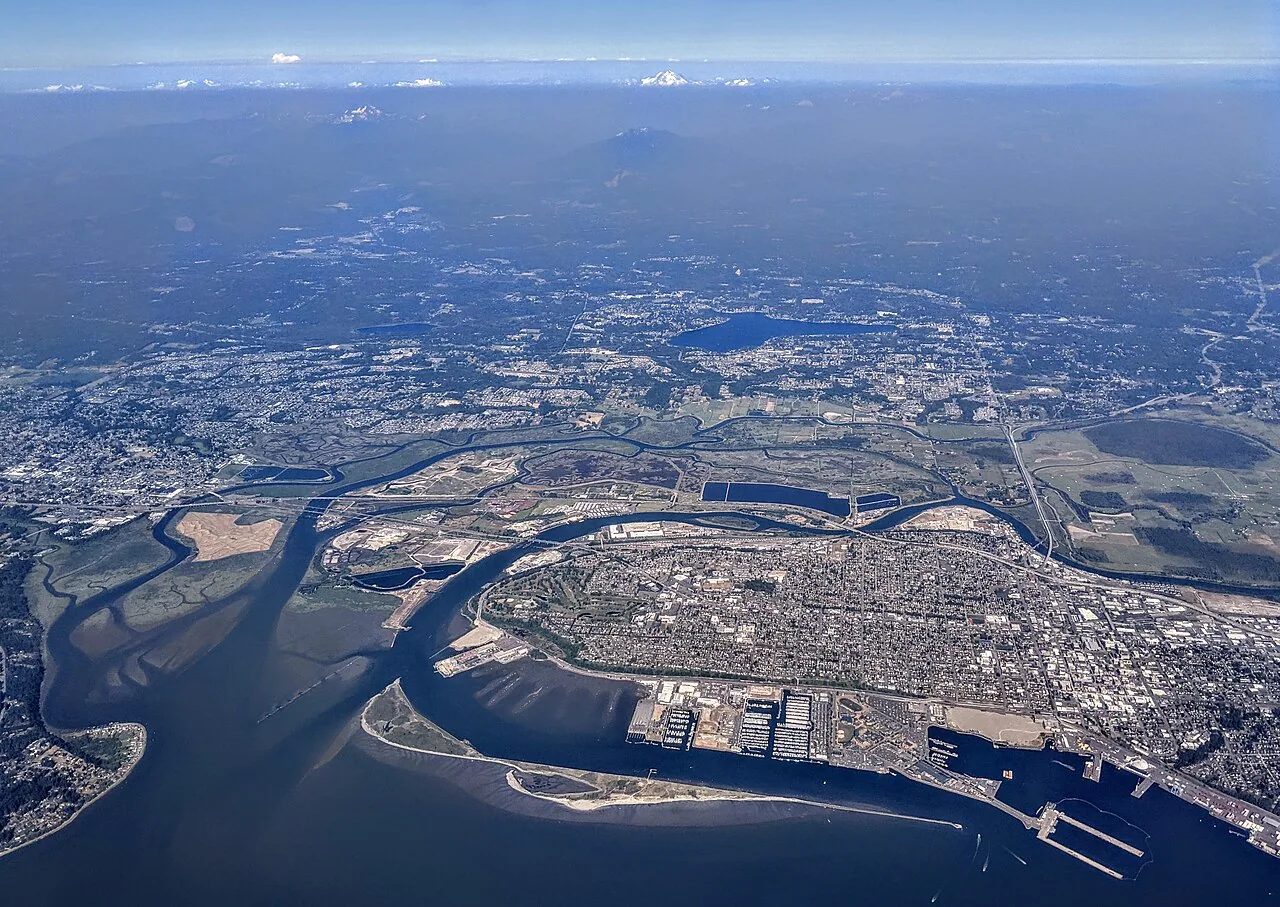
A claim file is most useful when each roof condition is tied to a location, date, photograph, and observed consequence. We inspect the reported area, document visible damage and existing conditions, and prepare a scope that distinguishes emergency protection from permanent repair. The findings can support a property owner's discussion with an insurer, but they do not determine coverage or promise an approval. Everett's wet-season precipitation can make it difficult to separate a new opening from older deterioration unless the record includes timing and prior repair history. Everett averages 40.25 inches of annual precipitation, with November, January, and December among the wettest months. At an industrial property near the Port, a hangar around Paine Field, or a mixed-use building in Metro Everett, access and operations also shape when a roof can be inspected. We record those site constraints separately from damage evidence. If water is active, arrange temporary emergency protection first; then a roof inspection can establish the observed condition and repair boundary.
Build the event record
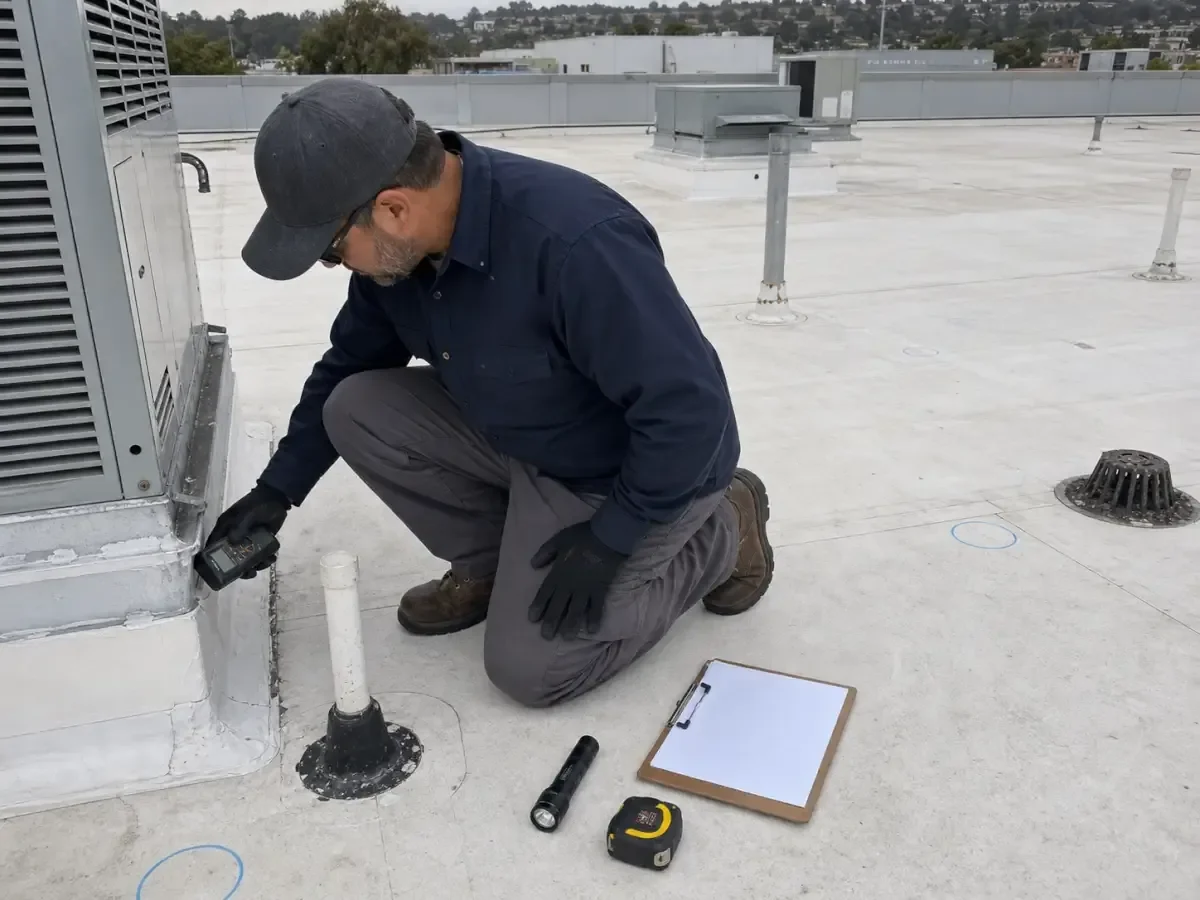
We begin with the reported date or period, weather conditions described by the owner, interior symptoms, and any immediate work performed. Photographs from staff can show when a stain expanded, which rooms were affected, or where debris was found, but the roof still needs direct inspection. We preserve the original file dates where available and label images by building and roof zone. If an exact event time is uncertain, the record says so instead of assigning damage to a specific hour.
Prior inspection reports, maintenance logs, repair invoices, and roof plans help distinguish a recently observed change from a condition that existed earlier. We compare those records with the current field condition and note differences that can be supported. If a surface already had a patched seam, corrosion, or ponding before the reported event, that history should remain visible in the summary. Clear chronology makes it easier to understand what was observed and what remains uncertain.
Document visible conditions
The field inspection records damage in a way that another person can locate. We label the roof section, detail, adjacent material, and interior area if a leak was reported. Images show both a close view and enough surrounding context to find the location again. The notes describe whether material is displaced, torn, punctured, separated, or merely stained, and whether the condition appears active. We avoid using a broad label such as storm damage when the evidence supports only a specific visible defect.
At an operating industrial building, roof access may depend on cargo movement, aircraft support, or production schedules. Everett's marine terminal, aerospace assembly, and rail activity can affect access and staging; inspect the actual roof and coordinate work with the property contact. We document the actual site access and identify uninspected zones. If the roof cannot be entered safely, an aerial image can help locate visible concerns, but it does not confirm seam adhesion or concealed moisture.
Separate cause from condition
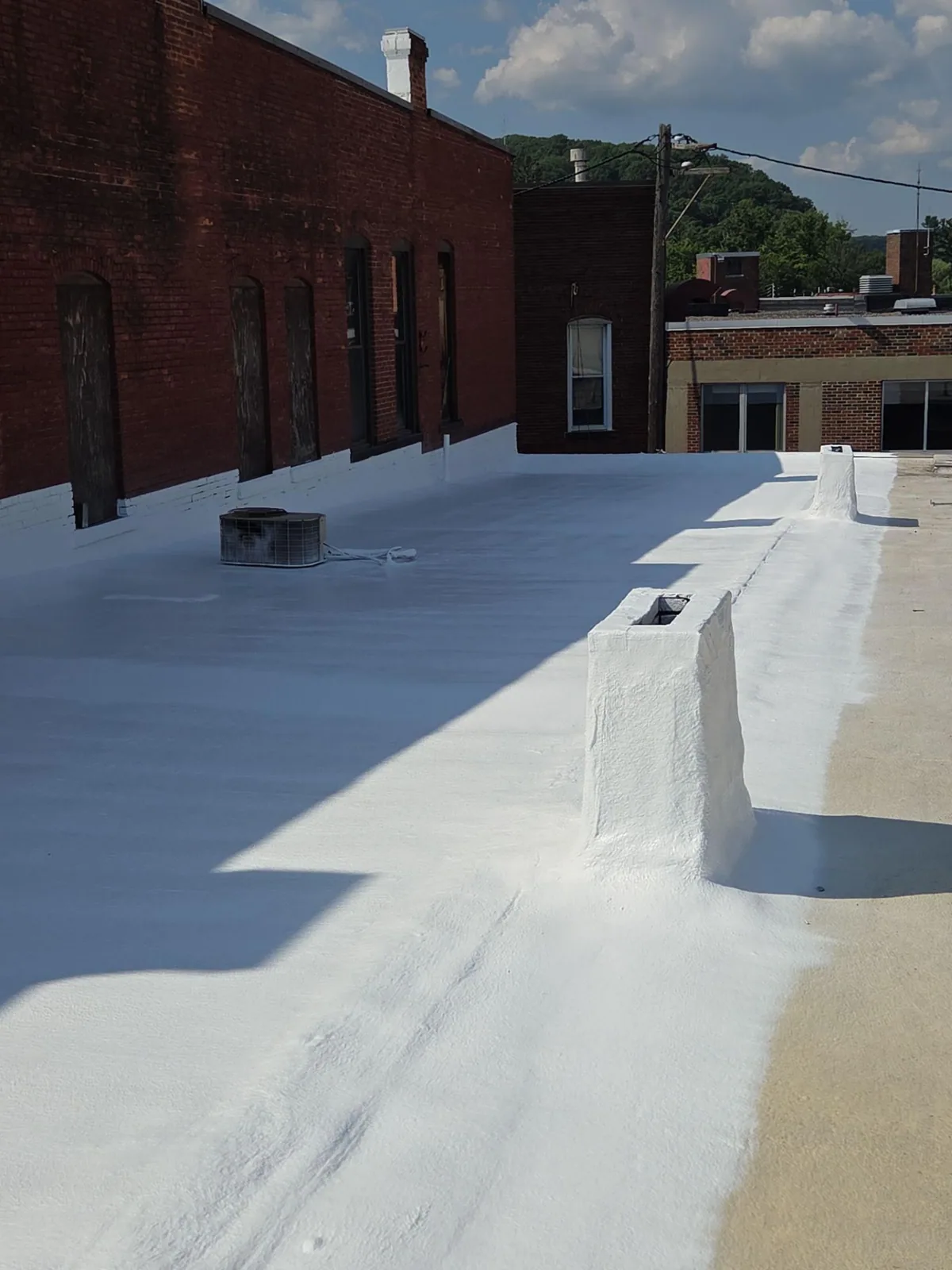
A report can state that a seam is open or metal is displaced without claiming more than the evidence shows about cause. To connect a condition to a reported event, we consider the physical pattern, photographs, timing, material failure, and earlier records. A leak path may cross beneath a membrane before reaching the interior, so a stain directly below a roof feature is not enough to establish the entry point. Where the connection cannot be confirmed, the file should label the cause as unresolved and identify the next test.
Everett's wet season adds a practical complication: water can revisit the same weak transition through several rain periods, and later exposure may obscure when the opening began. We note conditions that are visible now and compare them with dated materials the owner provides. A leak-path inspection can trace active water; a wind damage review can assess edge and termination displacement. Neither should assume that unrelated roof areas share the same cause.
Prepare a measurable repair scope
The repair scope names the detail, material, preparation, and limits of the correction. A patch at a puncture, rebuilding a pipe flashing, replacing damaged insulation, and reattaching perimeter metal are different work items. We identify whether the substrate is stable and whether material removal is required. If further testing is needed before quantities or boundaries can be defined, that step is listed separately instead of hidden inside a broad allowance.
Temporary dry-in, interior protection, debris removal, and permanent repair are also distinct. The record states what was completed, what remains, and what conditions could affect timing. For a property with several roof sections, we keep each work area separately labeled so a claim discussion does not merge conditions from a second building. Where the overall assembly may be near the end of its serviceable condition, a replacement review can be documented separately from event-related repairs.
Coordinate documents and site access
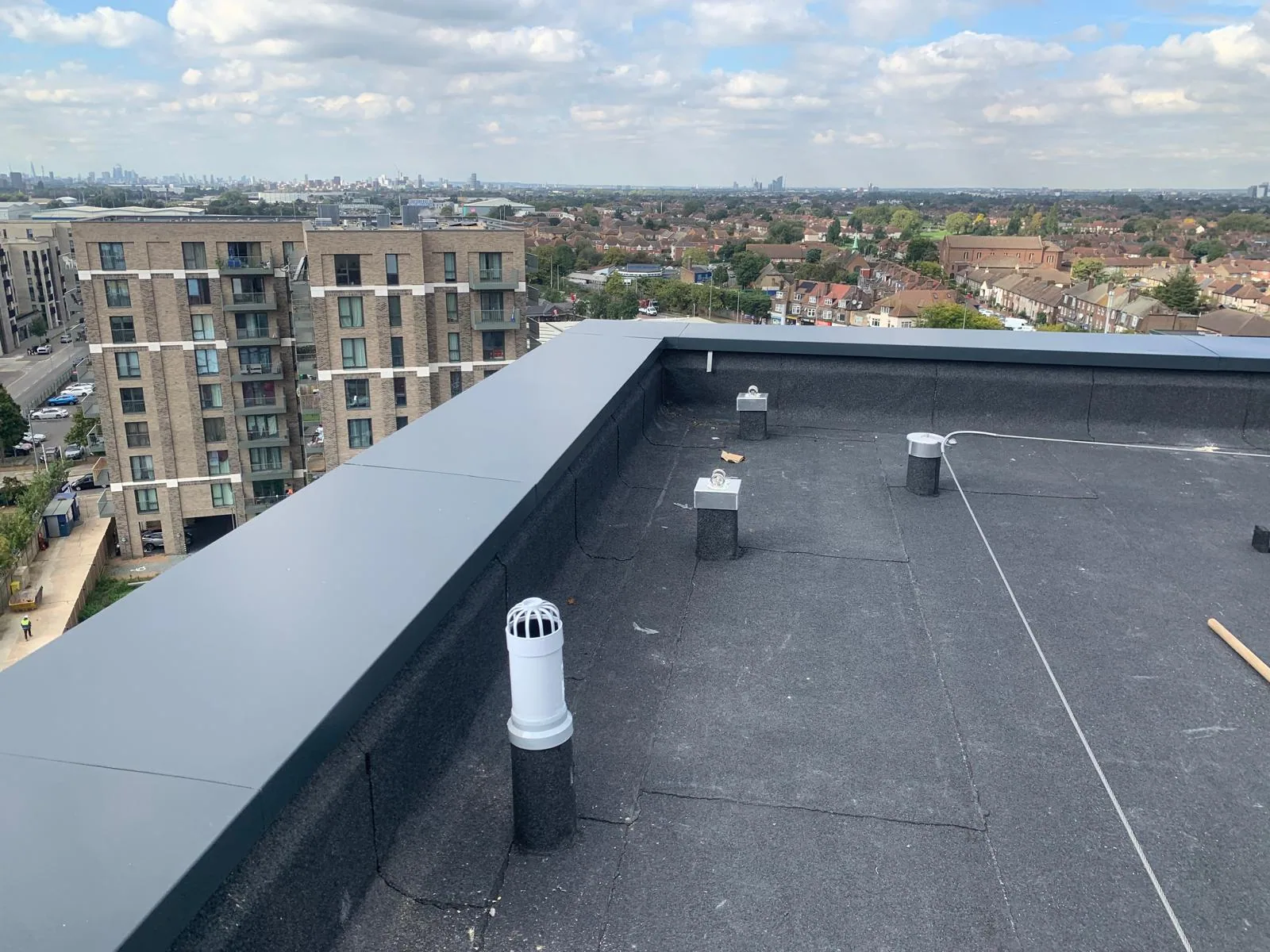
Owners often need one clear package that facility staff, an adjuster, and a repair crew can follow. We can organize dated photographs, Diligence Notes, roof-zone labels, temporary work, and the proposed repair scope into a consistent record. We can also attend a site review to explain the observed roof details and answer technical questions about the repair boundary. Policy language, coverage decisions, deductibles, and settlement amounts remain with the insurer and policyholder.
Metro Everett combines civic, commercial, residential, and transportation uses, while Paine Field and the Port support specialized operating activity. Those settings can require escorts, tenant notices, or work windows. We coordinate the inspection route with the property contact and note any area that could not be reached. A condition report preserves the technical findings; asset records can keep repairs connected to later maintenance and inspection visits.
Preserve the repair history
After the work, the record should show the repaired detail, materials, completion date, photographs, and any adjacent condition left for monitoring. If weather or access delayed permanent correction, the file distinguishes temporary protection from completed repair. A later observation after rain can document whether the original symptom returned, but it does not establish that every roof section is sound. We retain the relationship between the event report, inspection, and final work so the owner can compare the same roof zone over time.
For Everett properties near the industrial waterfront or Paine Field, we coordinate documentation and access around the building's operating rules. The service area does not determine claim cause; the roof evidence does. Request assistance with the inspection findings, existing reports, and event documentation in hand. We will identify what is observed, what the repair corrects, and which questions still need an insurer or policyholder decision.
Commercial Roofing Questions
Can a roofer decide whether my claim is covered?
No. We document roof conditions and explain repair scope. The insurer and policyholder determine coverage under the policy.
What records are useful for the inspection?
Provide dated photos, prior roof reports, maintenance logs, repair invoices, interior leak timing, and any plan that identifies roof zones.
Can you separate storm damage from older wear?
We compare current findings with physical evidence and prior records. When timing or cause cannot be established, the report states that limitation.
Can temporary work be included in the file?
Yes. We record where protection was installed, why it was needed, and what permanent work remains.
Will you attend a site review with an adjuster?
We can explain observed roof conditions, inspection methods, and repair boundaries. Coverage interpretation remains with the insurer and policyholder.
Questions Owners Ask
Can a roofer decide whether my claim is covered?
No. We document roof conditions and explain repair scope. The insurer and policyholder determine coverage under the policy.
What records are useful for the inspection?
Provide dated photos, prior roof reports, maintenance logs, repair invoices, interior leak timing, and any plan that identifies roof zones.
Can you separate storm damage from older wear?
We compare current findings with physical evidence and prior records. When timing or cause cannot be established, the report states that limitation.
Can temporary work be included in the file?
Yes. We record where protection was installed, why it was needed, and what permanent work remains.
Will you attend a site review with an adjuster?
We can explain observed roof conditions, inspection methods, and repair boundaries. Coverage interpretation remains with the insurer and policyholder.
Document the roof condition and repair boundary
Request Everett claim documentation assistance. We will record the observed conditions, link evidence to roof zones, and prepare a separate repair scope for your file.
Related Roofing Work
- Emergency Commercial Roof Repair
- Commercial Roof Inspection
- Commercial Roof Leak Repair
- Wind Damage Roof Repair
- Commercial Roof Replacement
- Commercial Roof Condition Reports
- Commercial Roof Asset Management
- Everett Industrial Waterfront
Browse every page in Commercial Roofing Services, or request a roof assessment and we will walk the roof with you.
Questions about this roof? Call 555-555-5555.