Commercial Roof Repair, Replacement & Maintenance
Commercial Roof Asset Management in Everett, WA
A roof inventory is useful only when a facilities team can connect each condition to a building, system, and repair history. We create a roof-level record that tracks assemblies, drainage, penetrations, moisture findings, completed work, and open questions without treating every property as interchangeable. Everett's portfolio can include port-side warehouses, Paine Field aviation buildings, office properties in Metro Everett, schools, and other public facilities. Those uses have different access and operating constraints. A roof inspection supplies field observations; condition reporting preserves the evidence an owner needs to manage the asset over time.
Build a roof register from verified building details
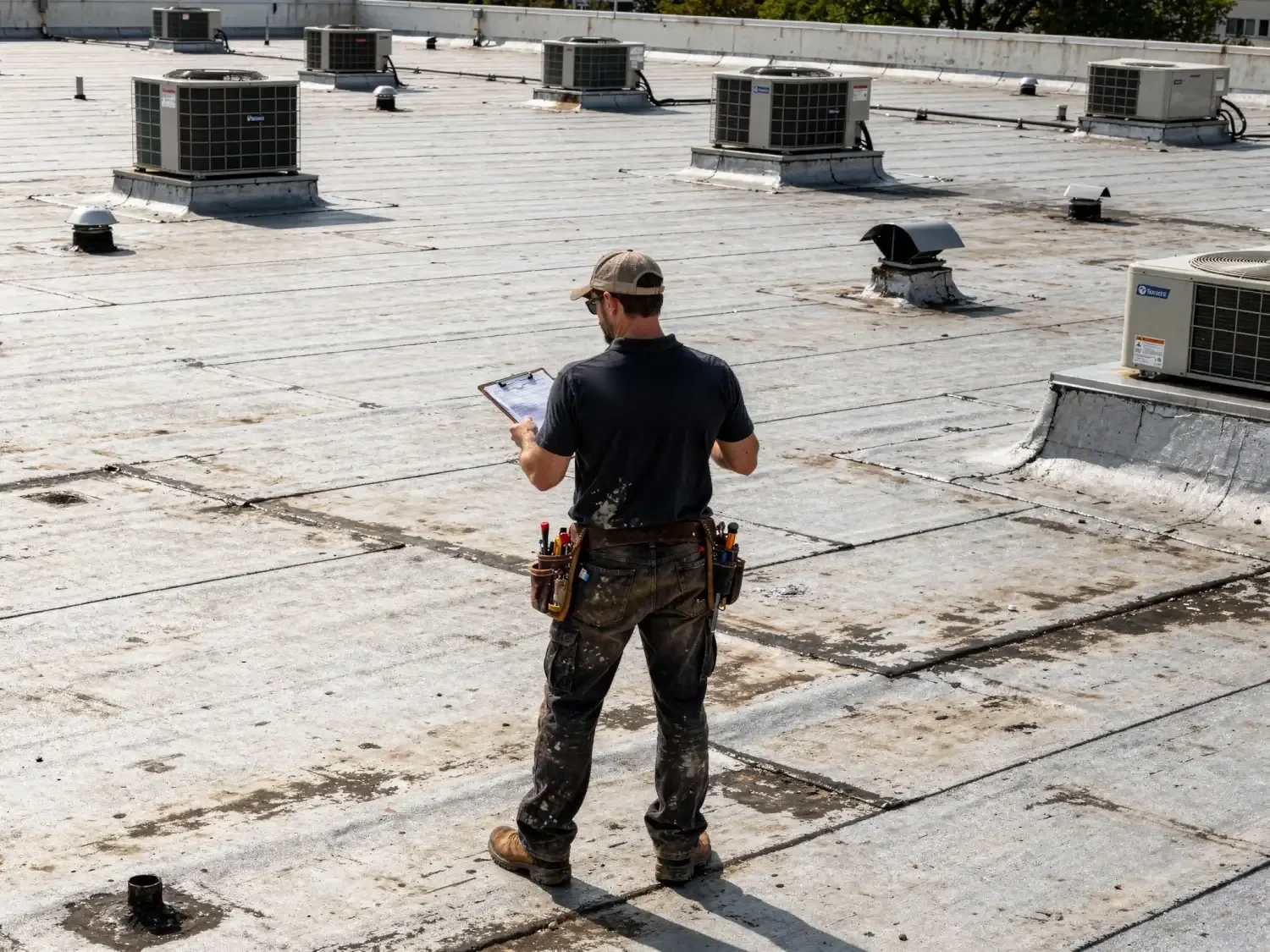
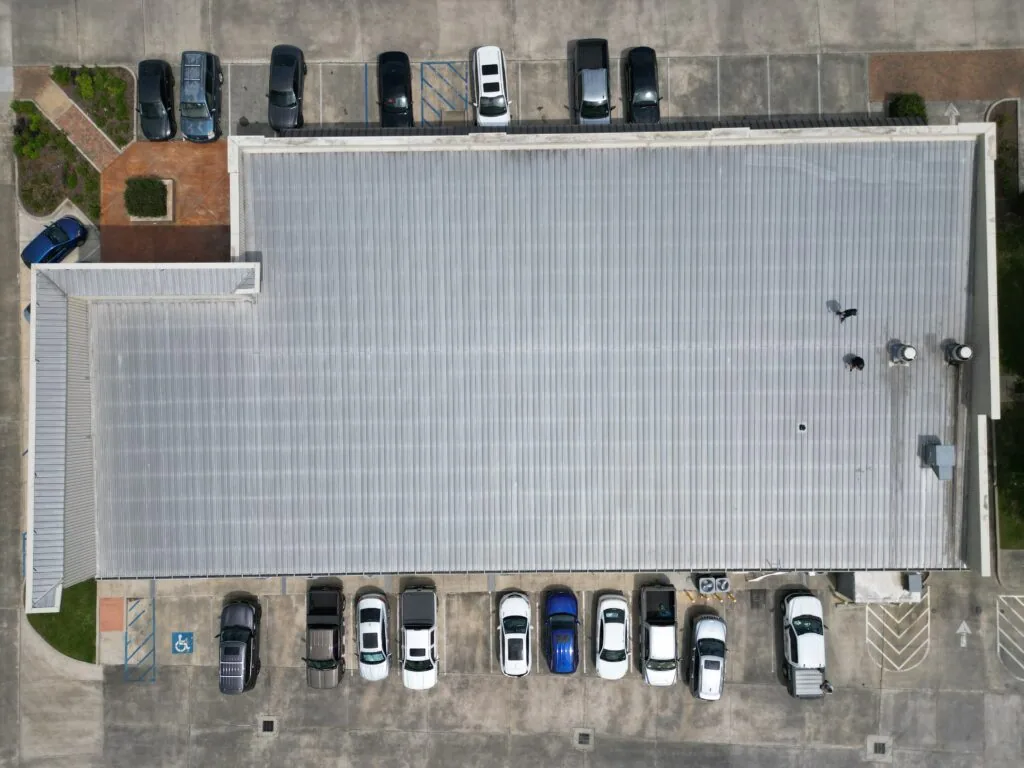
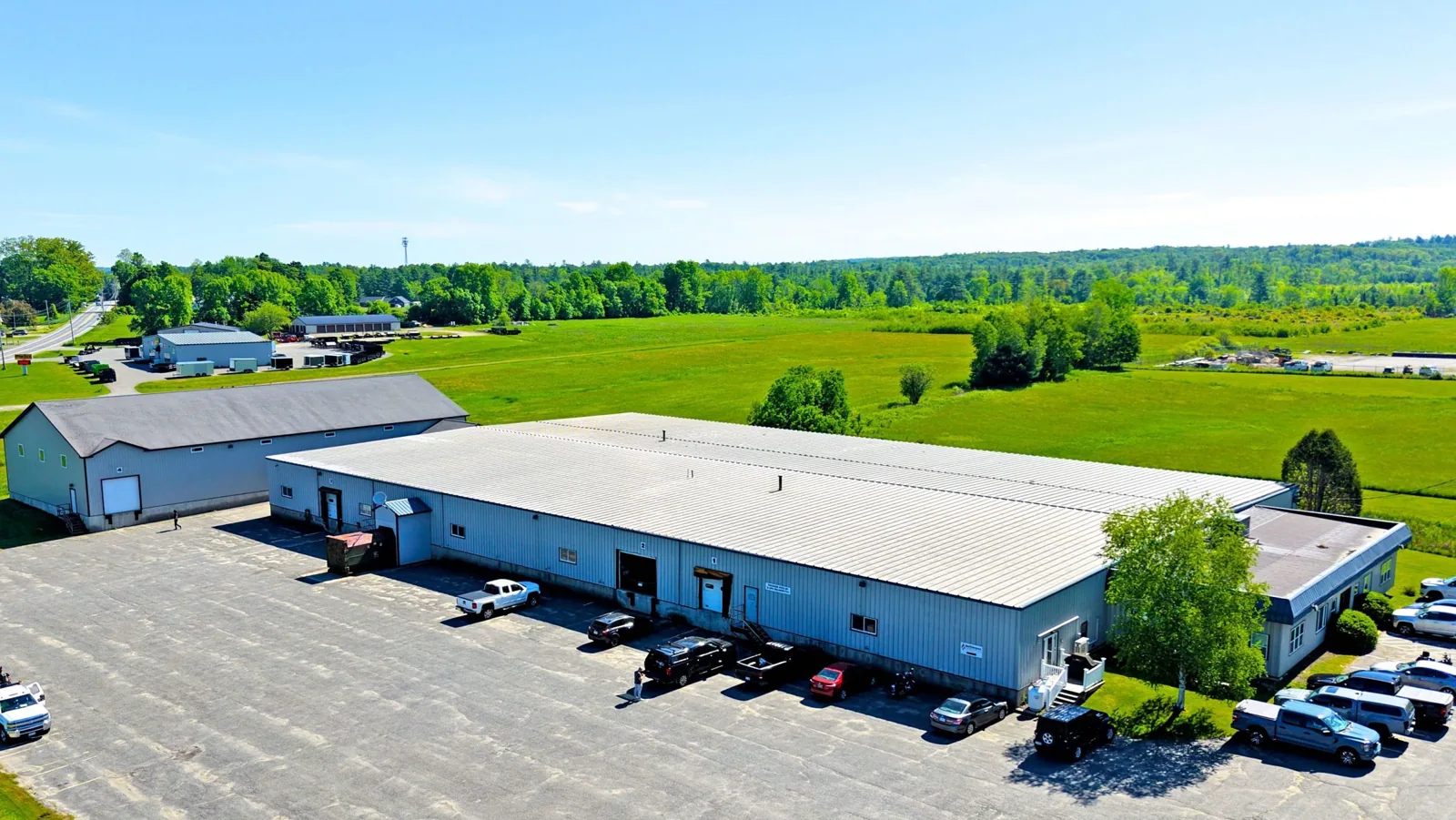
Start with the address, building identifier, roof sections, known system, approximate installation or repair history when documented, access point, drains, and equipment. Mark unknown fields as unknown rather than filling them from assumptions. An aerial image or floor plan can help orient the record, but a site visit verifies visible boundaries, transitions, and roof conditions. If one building has multiple additions, keep each assembly and repair zone distinguishable in the register.
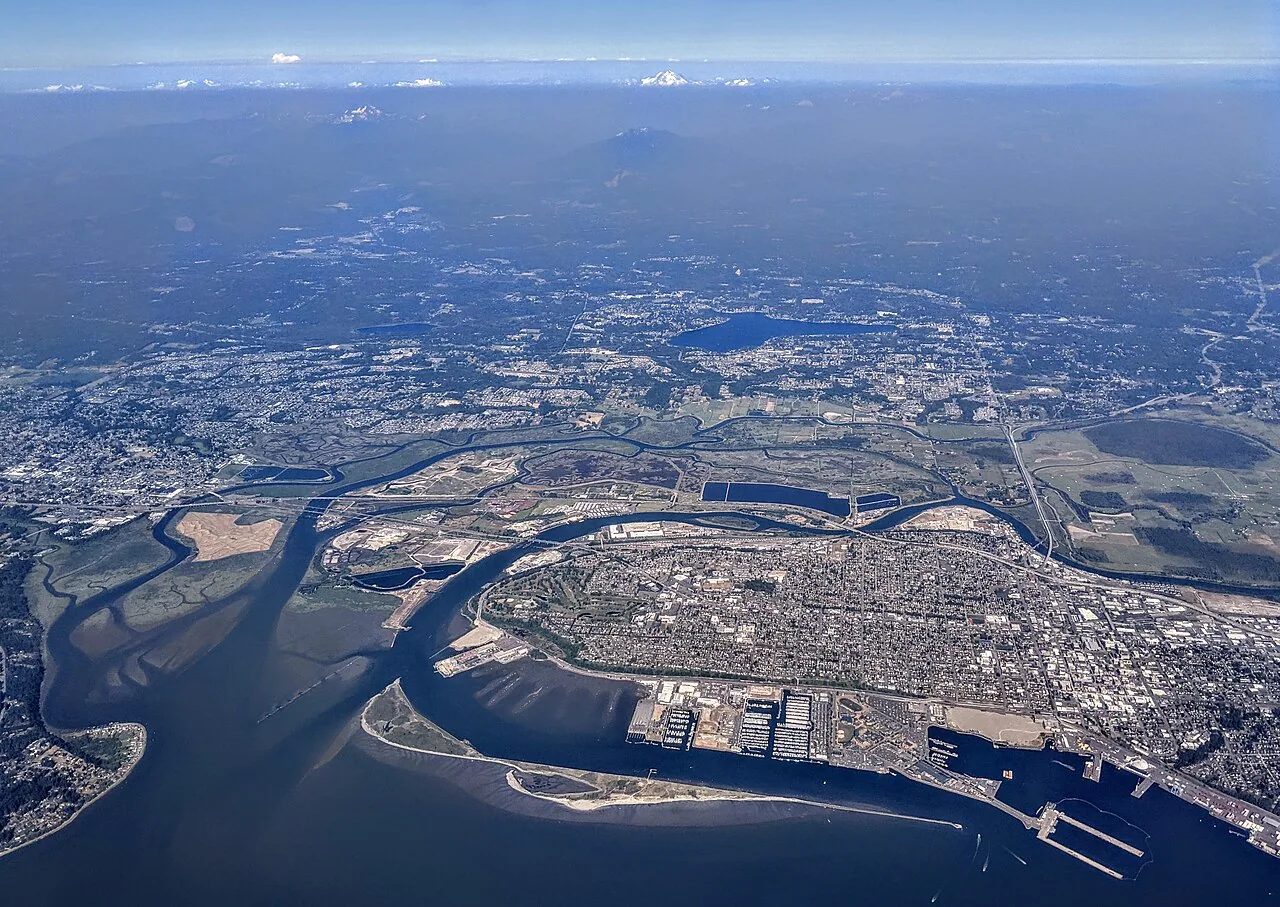
For an owner near the Port of Everett, Delta rail yard, or Paine Field, transportation and industrial uses can influence delivery windows, escort procedures, and roof access. They do not prove the construction or age of a roof. The site contact supplies operating limits; the inspection confirms the system. A warehouse roof inventory may include drains and high-bay equipment routes, while an office property record may need tenant and amenity access fields.
Track condition, evidence, and open questions separately
A management record should distinguish active leaks, observed defects, maintenance items, tests completed, areas not reached, and recommendations that depend on further testing. Photographs need a location tag and date. If the report identifies wet insulation, retain the sample locations and material depth so future work can use the same boundary. If an item was not inspected, leave it out of the condition rating rather than treating it as acceptable.
A consistent severity scale can help compare urgency across a portfolio, but the scale should describe observable risk and the next action. Include the date, weather conditions, and access limitations so a reviewer can tell whether the evidence is current and complete. If a facility contact reports an active leak after the inspection, attach the new information with its date rather than revising the original observation without explanation. This version history can prevent an acquisition team or future engineer from mistaking an old photograph for the present roof condition. A loose edge detail is not the same as a confirmed moisture area or an inaccessible rooftop unit. Written condition reports can retain the underlying photos and findings; a moisture survey can help choose samples where concealed conditions matter. Those records support a decision, they do not substitute for one.
Turn recurring observations into planned maintenance
Drain cleaning, seam checks, flashing review, and repairs to service penetrations can be scheduled from documented conditions. Set a recurring task only when the asset record identifies the area, action, and interval trigger. Capture whether the work is visual, requires roof access, or involves a destructive check. Record the person who accepted the finding and the date the task was closed. A maintenance record should preserve the initial issue and action taken, not just switch a status from open to complete, because later reviewers may need to know why the interval or repair was selected. For example, a report may call for checking an outlet after a debris season or revisiting a patched transition after wet weather. Avoid a generic annual checklist that treats a clear drain, a damaged scupper, and a wet roof section as the same item.
Everett's precipitation normal is 40.25 inches annually, with higher monthly totals in late fall and winter. That climate context can inform maintenance timing, while the actual outlet and membrane condition determine the work. A maintenance program can pair inspections with assigned work orders. The Southwest Everett Industrial Center represents a broader local employment district; properties there still need an individual roof map and site access plan.
Use roof records to support capital timing
Capital planning needs more than a system name and a condition score. The record should show what repair was made, how much of the roof was tested, whether insulation was dry, which details remain open, and what assumption drives the next estimate. Replacement planning can then compare a targeted repair, selective removal, recover eligibility, and full tear-off with their respective scope boundaries. Do not assign a remaining-life number when the inspection cannot support it.
Washington applies the 2021 International Building Code through its state code chapter, and its commercial energy code is also based on a 2021 edition with state amendments. When a capital project is considered, design and permitting teams should verify the current applicable requirements for the proposed scope. Capital planning organizes decision inputs; portfolio ownership reviews can compare building needs using consistent evidence while keeping each property's facts separate.
Keep responsibility and access clear across sites
A portfolio may involve property managers, building engineers, tenants, ownership, and contractors. The roof register should identify who can authorize access, destructive testing, emergency stabilization, and permanent repairs. Keep tenant contacts and security directions available to the people who schedule work, but do not expose sensitive building information in a public-facing summary. Store documents where the owner controls permissions and update the record when responsibility changes.
Metro Everett's civic and commercial core and Port Gardner's maritime setting show the range of local building contexts. The management process needs to accommodate those differences with site-specific entry and staging details. Property-management coordination can assign recurring roof tasks, while a rapid response handles an active opening. After any emergency visit, attach the temporary work record to the asset and schedule the permanent follow-up explicitly.
Keep the asset file current after each roof visit
After inspection or repair, update the roof map, add dated photographs, record materials, close completed work orders, and list deferred questions. If a repair changes the assembly, note the transition and retain applicable submittals or warranty records. Do not overwrite an older condition; preserve it as history with the date and disposition. This chronology helps explain whether a later leak repeats a previous detail or appears at a new location.
Before the next visit, share the register, drawings, repair history, leak reports, and operating rules for each property. We will verify the relevant field conditions, document tests and access limits, and return a record the owner can use for maintenance and capital decisions. In Everett, a warehouse near the port and an office in Metro Everett may share reporting fields but not roof findings. The asset record should make both the comparison and the difference easy to see.
Commercial Roofing Questions
What belongs in a commercial roof asset register?
Track building and roof zones, known system, inspection dates, findings, photos, tests, repairs, access limits, and unresolved questions.
Can a condition score determine replacement timing?
A score can help sort work, but timing should also consider tests, repair history, scope, operating needs, and verified assembly conditions.
How do we compare roofs across several properties?
Use common fields while retaining building-specific photos, systems, test boundaries, and repair history.
Should unknown roof details be estimated in the register?
Leave them identified as unknown until records or inspection confirm them. An assumption should never appear as an observed condition.
How should emergency repairs enter the asset record?
Add the date, location, temporary measure, photos, and permanent follow-up action so a temporary closure is not mistaken for completed restoration.
Questions Owners Ask
What belongs in a commercial roof asset register?
Track building and roof zones, known system, inspection dates, findings, photos, tests, repairs, access limits, and unresolved questions.
Can a condition score determine replacement timing?
A score can help sort work, but timing should also consider tests, repair history, scope, operating needs, and verified assembly conditions.
How do we compare roofs across several properties?
Use common fields while retaining building-specific photos, systems, test boundaries, and repair history.
Should unknown roof details be estimated in the register?
Leave them identified as unknown until records or inspection confirm them. An assumption should never appear as an observed condition.
How should emergency repairs enter the asset record?
Add the date, location, temporary measure, photos, and permanent follow-up action so a temporary closure is not mistaken for completed restoration.
Build a useful roof record for every property
Schedule an Everett portfolio inspection. We will document roof zones, system details, repairs, and open questions for a practical asset record.
Related Roofing Work
- Commercial Roof Inspection
- Commercial Roof Condition Reports
- Warehouse Roofing
- Preventive Roof Maintenance
- Southwest Everett Industrial Center
- Commercial Roof Capital Planning
- Commercial Roofing for Real Estate Investors
- Commercial Roofing for Property Management Companies
Browse every page in Roofing Capabilities, or request a roof assessment and we will walk the roof with you.
Questions about this roof? Call 555-555-5555.