Commercial Roof Repair, Replacement & Maintenance
Preventive Roof Maintenance in Everett, WA
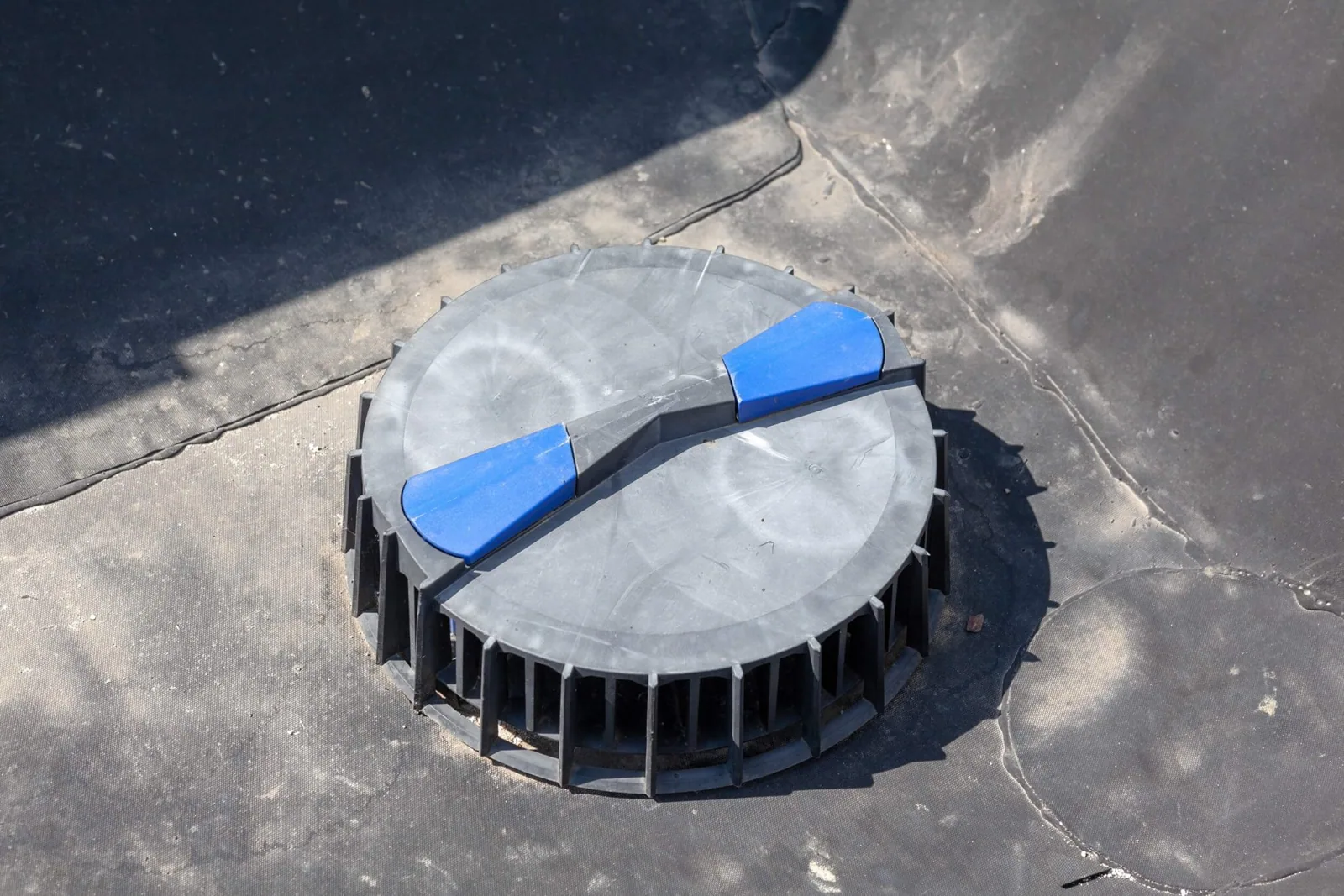
A drain basket holding leaves after the first heavy rain is a small field finding with a larger maintenance consequence: water that cannot leave the roof begins testing seams, patches, and low transitions for weaknesses. A preventive program records the roof zones, clears drainage where included, checks accessible flashings and penetrations, and tracks changes between visits. The work is not a promise that every concealed condition is sound; it is a way to detect visible changes before a leak expands the repair boundary. Everett's 40.25-inch annual precipitation normal concentrates the heaviest monthly totals in November, January, and December, so drainage readiness before the wet season is a useful planning point. Periodic freezing conditions can also stress sealant edges and metal transitions. A port warehouse, Paine Field hangar, and Metro Everett commercial property have different access and operating windows, so the visit sequence should reflect the facility. We document what was observed, what was corrected, and which items need further inspection. For a known active leak, schedule leak tracing; for a broader baseline, pair maintenance with a condition inspection.
Set a roof baseline by zone
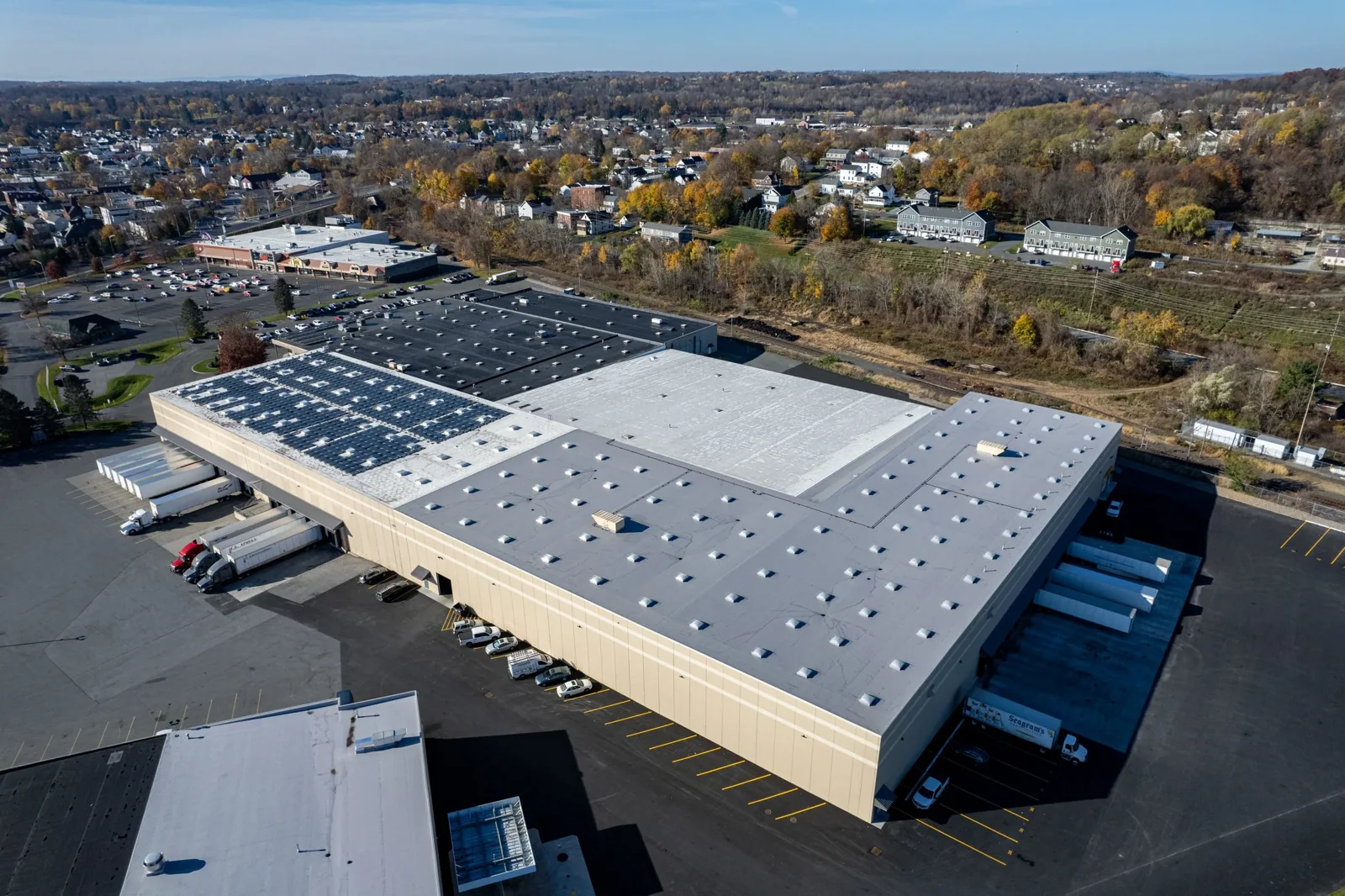
A maintenance record starts with the roof system, layout, access points, known repairs, drains, penetrations, and areas that staff have reported. We divide a large surface into roof zones that can be found again, rather than combining all observations into a single note. Where drawings are available, we compare them with field conditions; where they are not, we create a working map from visible landmarks. This baseline helps the next visit determine whether a seam, patch, or drain has changed.
We also note roof areas that could not be reached, fragile surfaces, equipment clearances, and tenant restrictions. On an industrial property near the Port, loading activity may limit where ladders or materials can be staged. A Paine Field building may have aircraft or maintenance operations that require coordination. Those details belong in the access plan, while the roof record stays focused on actual conditions. A documented condition record can pair photographs with zone labels and follow-up actions.
Keep the drainage plane open
Drainage checks begin at the outlet and continue upstream across the surface. We look for debris at strainers, scuppers, overflow openings, and gutters, then note whether the surrounding membrane and flashing are intact. A cleared outlet does not correct a backfall, compressed insulation, blocked leader, or damaged drain bowl. Where water remains after ordinary drying time, we document the location and depth pattern as an observation and assess whether the cause is surface debris, slope, deflection, or a restriction that needs a separate repair.
Rain timing matters in Everett because the wettest normal months arrive in late fall and winter. Maintenance before that stretch can remove loose debris and identify details that deserve attention, while a follow-up after a storm can show whether the outlet continues to perform. The maintenance visit distinguishes routine cleaning from a drainage correction. If water movement indicates a larger issue, a ponding-water assessment can evaluate slope, outlet capacity, and assembly condition before corrective work is selected.
Inspect the details that move
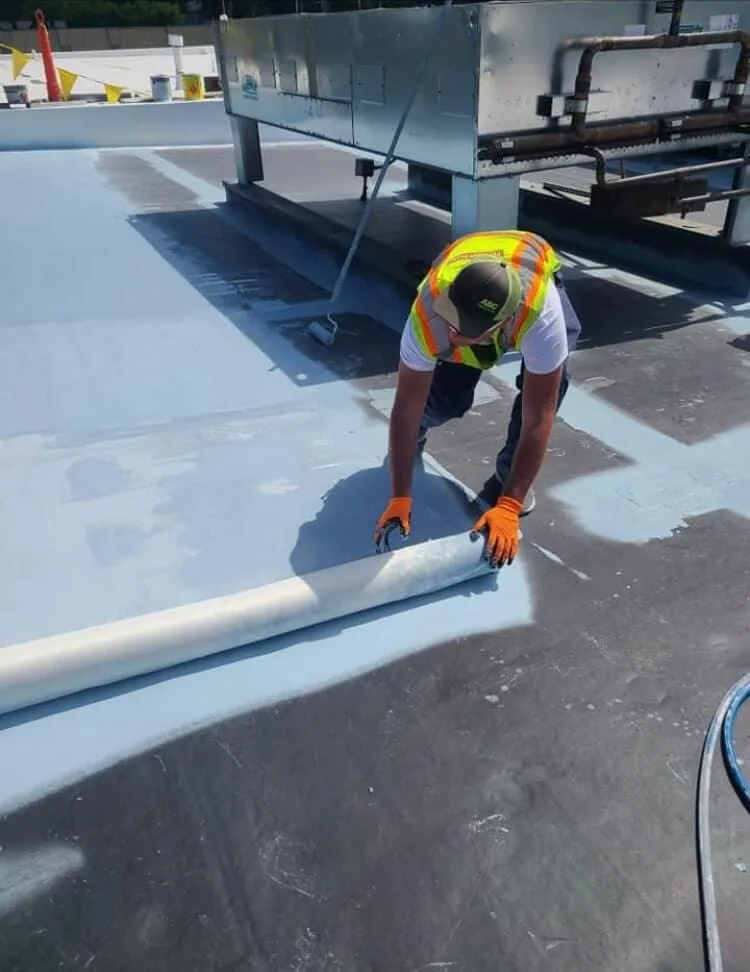
Seams, pipe boots, equipment curbs, wall terminations, skylight frames, and metal edges concentrate movement and water exposure. We look for open laps, displaced fasteners, brittle or separated sealant, loose counterflashing, and repair materials that have lost adhesion. A Diligence Notes should identify the detail and the adjacent material, because a patch over a moving joint may fail again if the substrate or transition remains unstable. Where the condition cannot be judged visually, we specify a closer inspection instead of covering it with new sealant.
Everett's temperature cycle includes regular winter nights at or below freezing, which can make movement at dissimilar materials relevant to a maintenance review. The regional number does not prove a particular roof has freeze damage; it informs which transitions to inspect when field evidence supports it. A focused edge-metal review or penetration-flashing repair can be scoped separately when a maintenance observation identifies a defect.
Fit visits to building operations
Maintenance frequency and timing should reflect roof condition, prior repairs, drainage behavior, warranty requirements, and the cost of an interruption below. A building with recurring water entry may need a targeted check after significant weather, while a stable roof may fit a planned seasonal cycle. The record should state the reason for each visit and what change would bring the next one forward. We coordinate escorts, tenant notices, equipment clearances, and safe access before crews arrive so inspection time is spent on the roof.
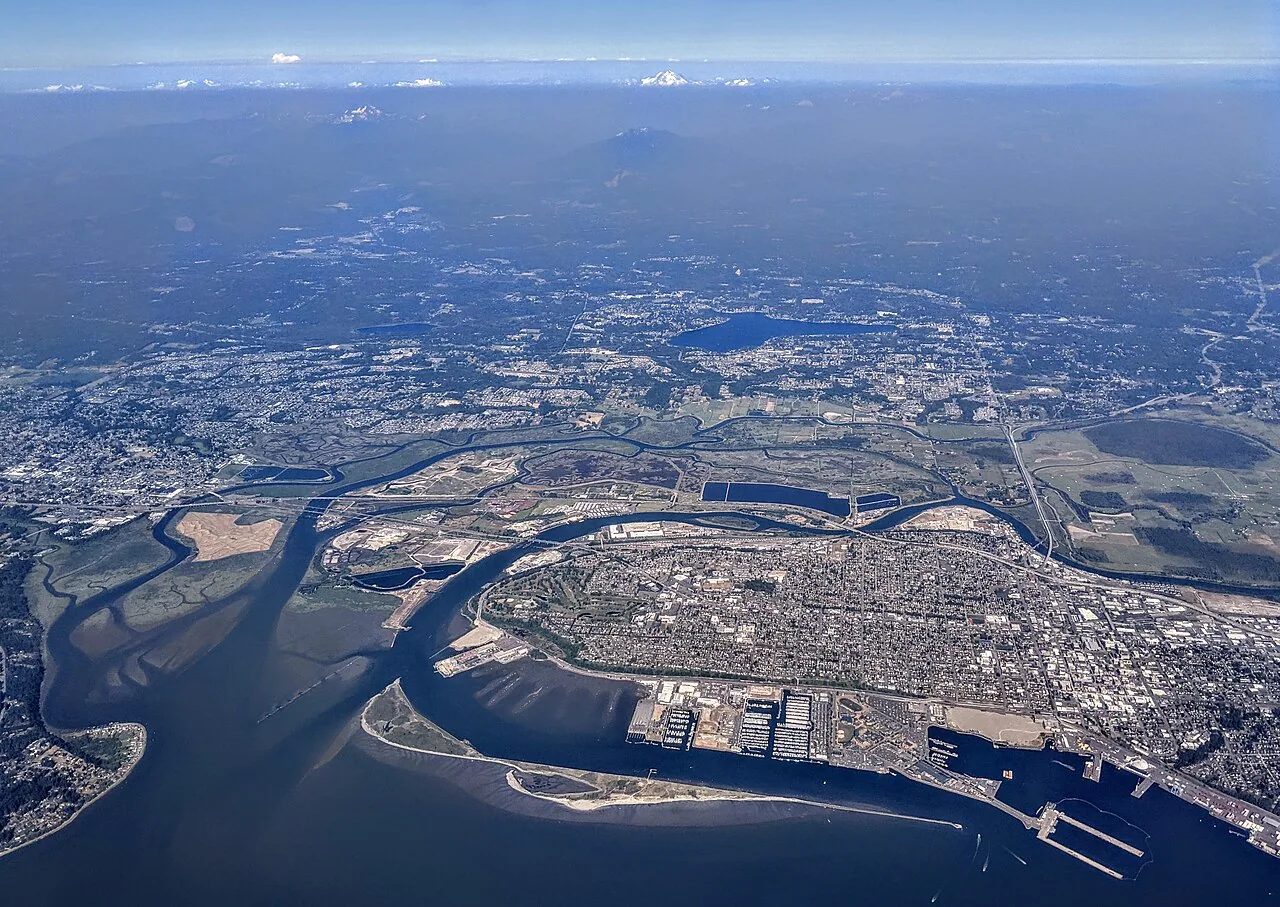
Everett's industrial economy includes aerospace, maritime, logistics, and manufacturing activity, and those uses create different operating constraints. At a distribution building, dock scheduling may shape the access window; at an aviation facility, work can be coordinated around maintenance activity. Metro Everett's mix of offices, shops, residences, and transportation calls for careful separation of public access from roof work. For several properties, a multi-site program can preserve separate roof histories while giving managers a consistent maintenance calendar.
Turn findings into assigned work
At the end of a visit, we separate completed maintenance from recommended repair. The record lists the roof zone, observed condition, work performed, materials used when relevant, and items that remain unresolved. Photos should show context as well as the detail so another crew can locate it. A blocked drain cleared during the visit is different from a drain bowl that needs replacement; a sealed lap is different from a seam that needs reconstruction. Clear categories help an owner compare the condition with the next inspection. We also record loose fasteners, surface cuts, corrosion, sediment, animal debris, or residue when they affect a specific detail, then separate correction from observation. Around equipment curbs, pipe supports, and metal edges, the note identifies the transition and adjacent material rather than naming a broad roof area. Where a coating or earlier patch is present, we photograph its perimeter and note whether the surrounding surface appears stable, separated, or in need of a closer test.
When the maintenance finding indicates wet insulation, repeated leaks, widespread seam movement, or failing attachment, we outline the test or repair needed to establish scope. The owner can review a repair option or track planned work through roof asset management. Service around the Everett industrial waterfront, Paine Field, or Metro Everett is scheduled around the building's actual access and roof zones. Request a maintenance visit with available drawings, prior reports, and leak history so the baseline begins with useful evidence.
Commercial Roofing Questions
What is recorded after a maintenance visit?
We identify each roof zone, visible condition, completed task, photograph, access limit, and recommended next action. The record separates cleaning and minor maintenance from repair work.
Can maintenance prevent every leak?
No maintenance visit can rule out concealed defects or future damage. A program can identify visible changes, keep drainage clear where accessible, and define further testing when findings warrant it.
Should drains be checked before Everett winter rain?
A pre-season visit can remove debris and document outlet condition before the wettest normal months. It should also distinguish cleaning from slope, flashing, or drain repairs.
Can crews work around active operations?
We plan roof access and inspection windows with facility staff. Loading, tenant, equipment, and aviation constraints are recorded so the route and work area can be coordinated safely.
What happens when a maintenance check finds wet insulation?
We mark the location and recommend a verification method suited to the assembly. The suspected boundary stays separate from confirmed wet material until a test supports it.
Questions Owners Ask
What is recorded after a maintenance visit?
We identify each roof zone, visible condition, completed task, photograph, access limit, and recommended next action. The record separates cleaning and minor maintenance from repair work.
Can maintenance prevent every leak?
No maintenance visit can rule out concealed defects or future damage. A program can identify visible changes, keep drainage clear where accessible, and define further testing when findings warrant it.
Should drains be checked before Everett winter rain?
A pre-season visit can remove debris and document outlet condition before the wettest normal months. It should also distinguish cleaning from slope, flashing, or drain repairs.
Can crews work around active operations?
We plan roof access and inspection windows with facility staff. Loading, tenant, equipment, and aviation constraints are recorded so the route and work area can be coordinated safely.
What happens when a maintenance check finds wet insulation?
We mark the location and recommend a verification method suited to the assembly. The suspected boundary stays separate from confirmed wet material until a test supports it.
Set a maintenance baseline for the roof
Schedule an Everett maintenance visit. We will record roof zones, drainage, visible details, completed work, and follow-up items before selecting repair priorities.
Related Roofing Work
- Commercial Roof Leak Repair
- Commercial Roof Inspection
- Ponding Water Roof Repair
- Commercial Roof Edge Metal, Coping and Gutters
- Multi-Site Commercial Roof Programs
- Commercial Roof Repair
- Everett Industrial Waterfront
- Paine Field and Boeing Manufacturing Center
Browse every page in Commercial Roofing Services, or request a roof assessment and we will walk the roof with you.
Questions about this roof? Call 555-555-5555.