
Commercial Roof Repair, Replacement & Maintenance
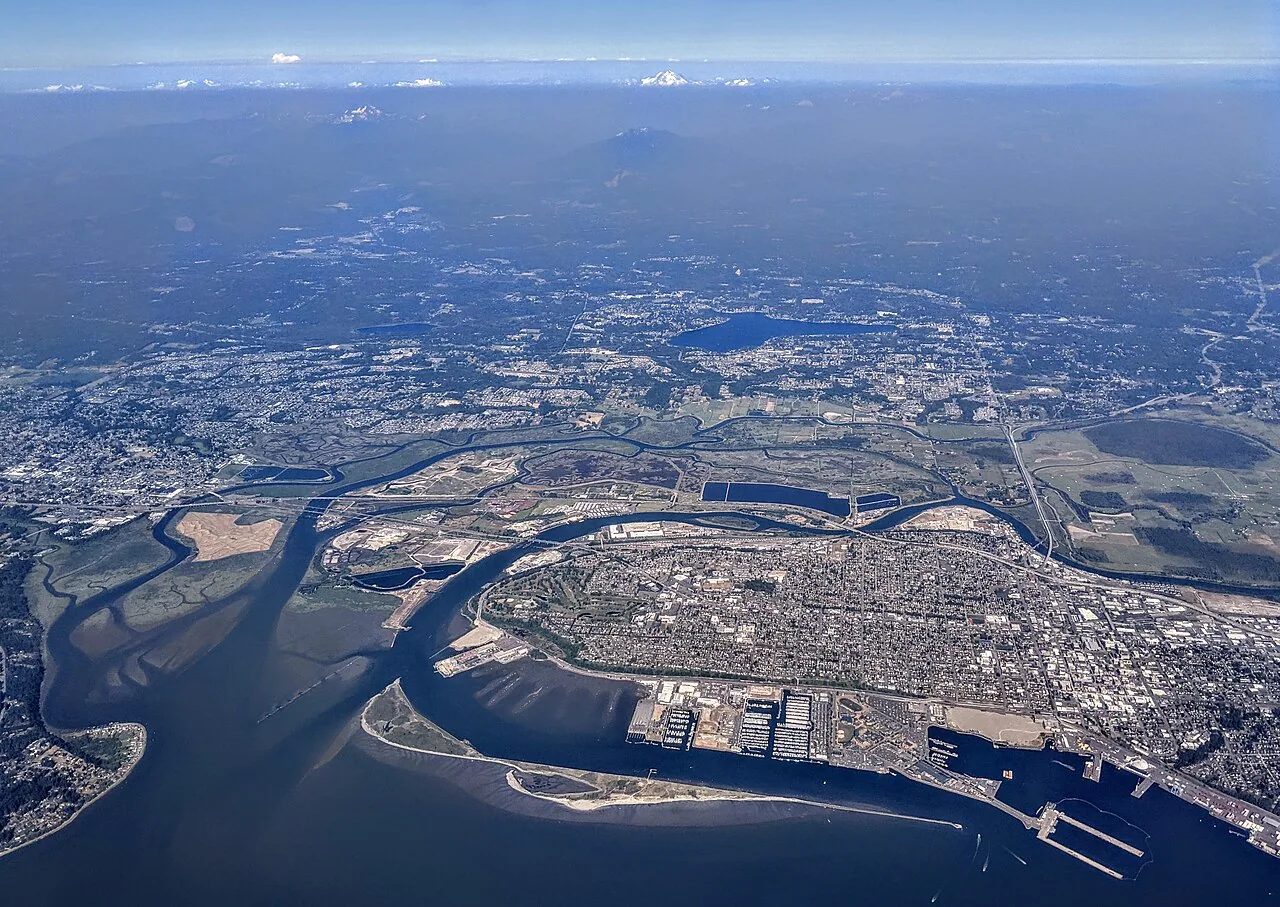
Commercial Roof Edge Metal, Coping and Gutters in Everett, WA
A coping cap that has lifted at one splice can admit water behind the wall flashing even while the roof membrane remains intact. We inspect how the metal is attached, where sections join, how water reaches the gutter, and whether the membrane termination remains secure beneath the edge. The repair should restore a continuous path from roof to metal and from metal to drainage, not simply seal the most visible gap. Everett's winter temperature cycle includes regular nights below freezing, which makes movement between long metal sections and adjacent materials worth checking when the field evidence shows opening or distortion. Industrial buildings near the Port, transportation-linked properties, and Metro Everett commercial sites also have different edge geometry and access rules. The inspection notes the building's actual parapets, gutters, downspouts, and discharge points. For a leak at a coping or gutter transition, a leak-path inspection can connect the interior symptom to the metal detail; routine debris removal can be included in maintenance.
Trace the roof-to-wall transition
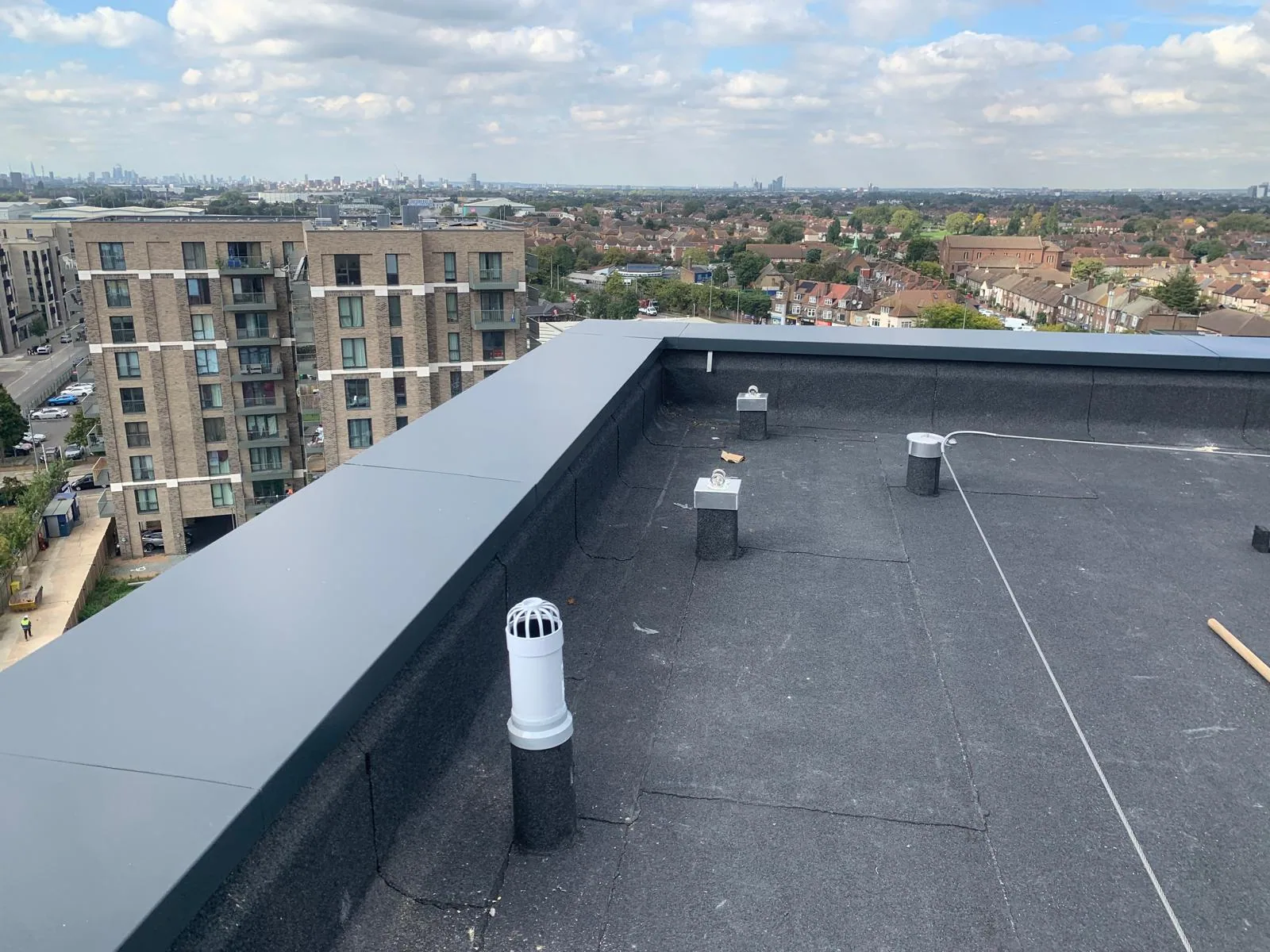
At a roof edge, we inspect the membrane termination, cleat or attachment, fascia, coping, wall flashing, and adjoining substrate. A secure cap can still conceal a failed membrane edge below it, so the review follows the assembly from the field toward the outside face. We look for loose fasteners, open joints, distorted profiles, missing splice plates, failed sealant, and water marks that suggest entry behind the metal. Each finding is labeled by wall and roof zone.
Parapet corners and changes in wall height concentrate transitions. We check whether the cap sheds water outward, whether laps face away from exposure, and whether end dams or closures are present where the detail requires them. If the metal is stable but the wall flashing has separated, replacing the coping alone may leave the entry path unchanged. We identify the exact layer needing correction and whether opening the metal is required to reach it.
Account for metal movement
Metal changes dimension as temperature shifts, and long runs need details that accommodate movement while remaining secure against uplift and water entry. We examine fixed points, sliding clips, splice joints, fastener patterns, and signs of buckling or pulled connections. A rigid seal across a joint that needs movement can split; an oversized gap can expose the substrate. The profile, attachment, and supporting material determine how to rebuild the edge.
Everett's periodic freezing conditions make open joints or distortion worth inspecting. Check the cap, cleats, seams, and adjoining membrane before defining repair work. We compare the observed movement with the attachment and adjacent materials. At a port warehouse or other long industrial elevation, repeated sections may create several different failure points; each should be mapped rather than treated as one continuous defect. A flashing-failure repair can address the wall transition where separation is confirmed.
Follow runoff through gutters
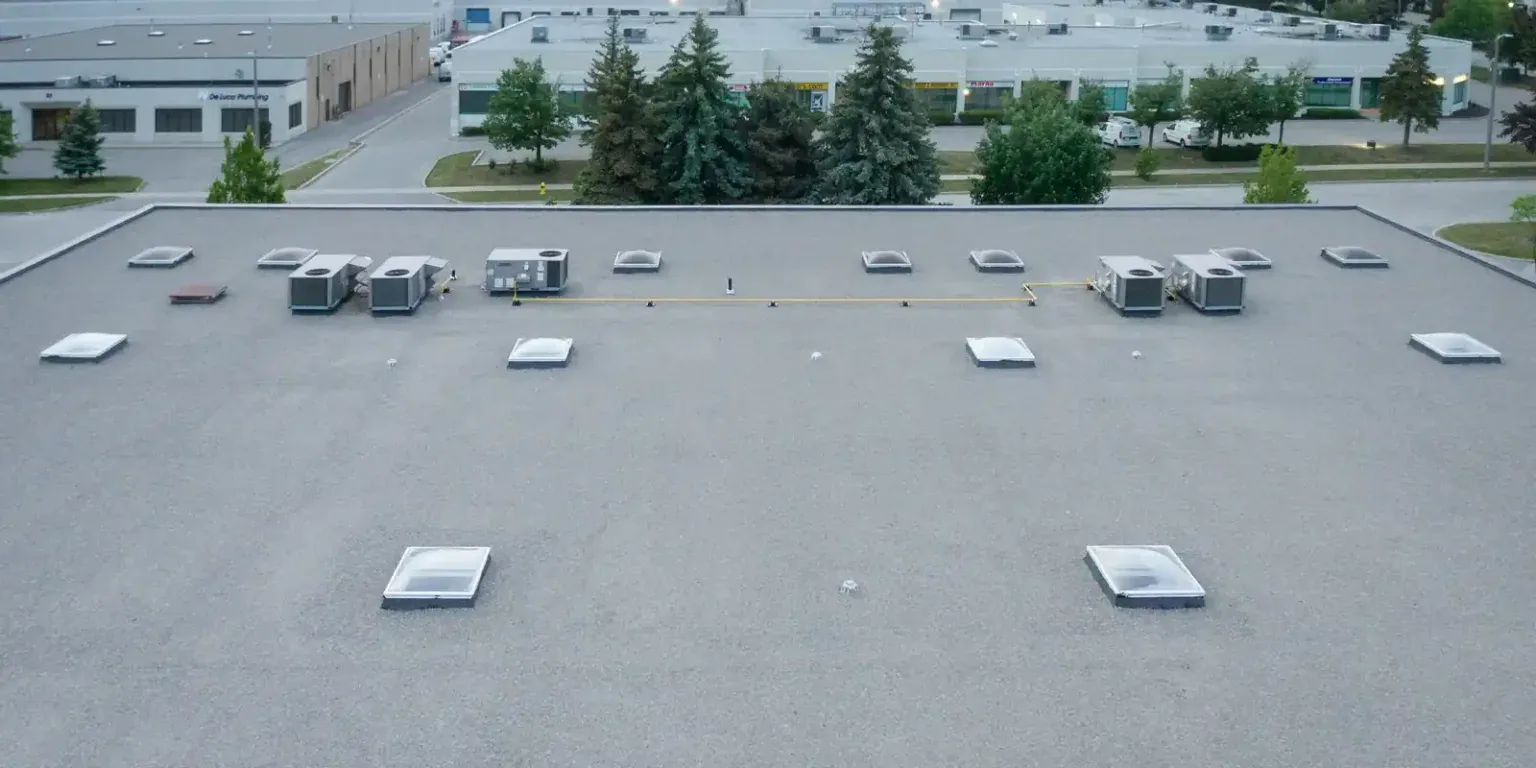
Gutters and downspouts complete the drainage route at the perimeter. We inspect hangers, seams, outlets, end caps, conductor heads, and joints, then check where discharge leaves the building. A sagging gutter may hold water, while a clear gutter with a blocked downspout can overflow behind fascia or wet the wall. Debris removal is different from resecuring a trough or replacing a failed section, and the scope should name the work performed.
Where a scupper empties into a gutter, we check the opening, liner, and transition so water does not bypass the trough. Discharge should not be redirected onto a lower roof or an entrance without reviewing the route. We record the downspout connection if it is accessible; buried or interior drainage beyond the roof contractor's scope is listed for coordination. A drain and scupper review can evaluate the upper basin when water reaches the edge from a roof-level outlet.
Separate leakage from surface wear
Paint loss, oxidation, dents, and discoloration may be cosmetic or may expose a water path. We look for open seams, perforation, failed coatings, loose joints, wet insulation, and interior symptoms before describing an edge as leaking. A water mark below a parapet can result from coping, wall flashing, a nearby penetration, or a drain path that reaches the wall. The inspection traces those possibilities and records what is confirmed.
At mixed-use locations in Metro Everett, exterior walls and roof edges may border occupied spaces, pedestrian routes, or tenant areas. We coordinate access and protection before removing metal. Around the Everett industrial waterfront, freight operations may shape staging and lift access, but the repair detail still follows the building's observed assembly. When the membrane edge is damaged, a roof repair scope should state how the new work ties into stable material rather than stopping at the visible cap.
Rebuild the detail in sequence
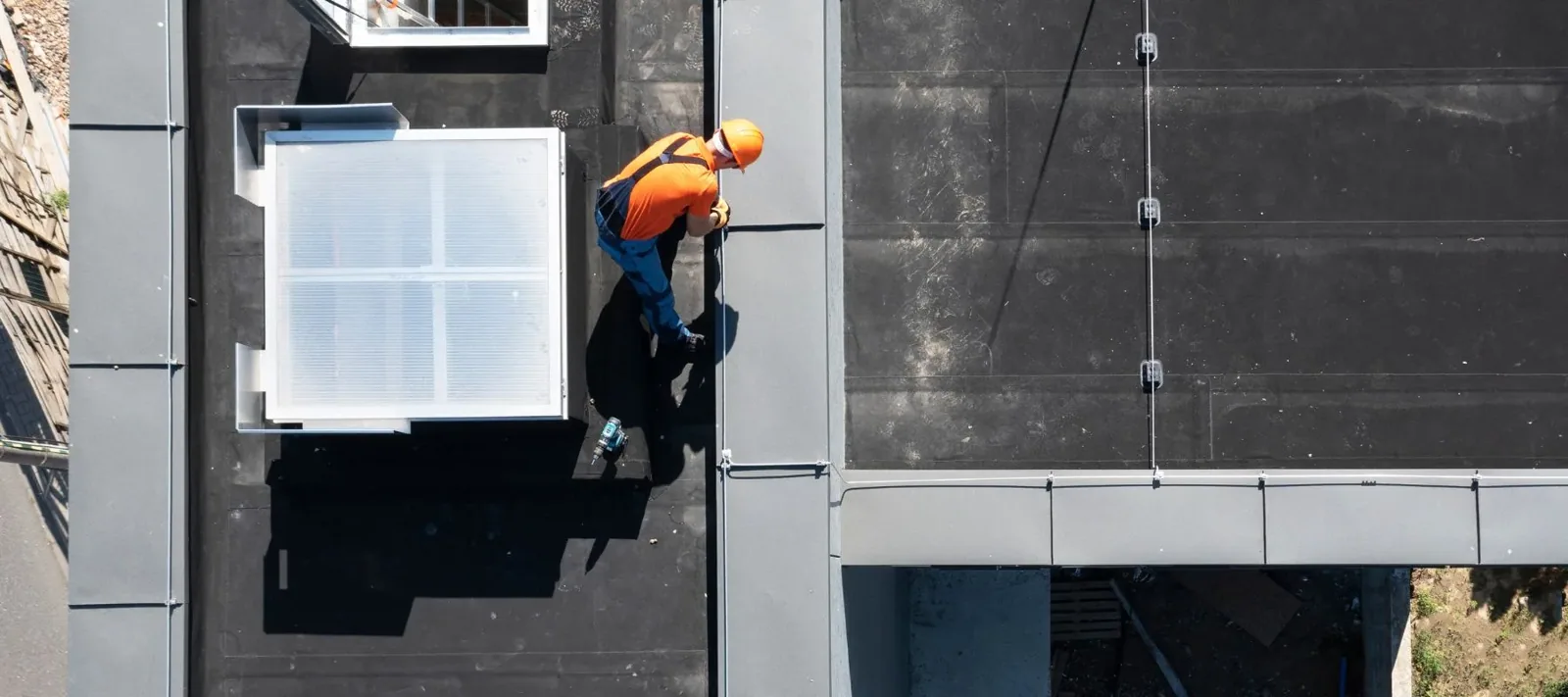
A durable edge correction may require removing a short metal section, repairing the membrane termination, replacing damaged substrate, resetting the cleat, and installing compatible coping with a movement-capable joint. We verify fastening and laps as the work proceeds, then close the metal without trapping water behind it. If the gutter or fascia is also defective, those items are identified separately so the owner can see which parts of the water route were restored.
Work timing depends on dry surfaces, wind, safe roof access, and material availability. At operating properties tied to the Port's cargo network, vehicle and freight activity can affect lift placement and work hours. Everett's manufacturing and maritime uses create varied facility conditions, so the site contact helps establish a safe route and protect operations. We photograph concealed layers before closure and note any area left outside the repair boundary.
Check the discharge and preserve the record
After repair, we review the edge fastening, splice, membrane tie-in, gutter fall, and downspout connection that were included in the scope. Where a safe water check is appropriate, it can show whether runoff reaches the intended outlet; it cannot replace inspection during a later storm. The closeout identifies the wall, roof zone, metal profile, work performed, and any downstream component not accessed.
A clear record helps facility teams compare future movement or leakage with the repaired condition. For commercial sites in Metro Everett or the Southwest Everett Industrial Center, separate zone labels keep work at different buildings distinct. If recurring defects appear at several edges, a condition report can map priorities and a roof inspection can review the wider assembly. Request an edge-metal evaluation with photos of the interior symptom, roof plan, and recent repair history.
Commercial Roofing Questions
Can coping be replaced without opening the membrane edge?
Sometimes, if the termination beneath it is sound. Inspection establishes whether the membrane, cleat, substrate, and wall flashing need work before new metal is set.
Why does a gutter overflow if it looks clear?
The outlet or downspout may be restricted, the trough may have lost fall, or incoming flow may exceed what the detail can carry. We inspect the full accessible route.
Can sealant close a coping joint permanently?
A joint must allow the movement its detail requires. The repair uses the profile and attachment to define a suitable splice rather than relying on a bead across an unstable gap.
Will a metal edge leak show inside right below it?
Not always. Water may travel behind flashing or along framing, so the inspection relates interior symptoms to the roof-to-wall transition and nearby details.
What is included in an edge repair record?
We note the wall and roof zone, metal and membrane condition, attachment and splice work, gutter path, photos, and any component outside the access or repair scope.
Questions Owners Ask
Can coping be replaced without opening the membrane edge?
Sometimes, if the termination beneath it is sound. Inspection establishes whether the membrane, cleat, substrate, and wall flashing need work before new metal is set.
Why does a gutter overflow if it looks clear?
The outlet or downspout may be restricted, the trough may have lost fall, or incoming flow may exceed what the detail can carry. We inspect the full accessible route.
Can sealant close a coping joint permanently?
A joint must allow the movement its detail requires. The repair uses the profile and attachment to define a suitable splice rather than relying on a bead across an unstable gap.
Will a metal edge leak show inside right below it?
Not always. Water may travel behind flashing or along framing, so the inspection relates interior symptoms to the roof-to-wall transition and nearby details.
What is included in an edge repair record?
We note the wall and roof zone, metal and membrane condition, attachment and splice work, gutter path, photos, and any component outside the access or repair scope.
Trace the edge detail through the discharge point
Schedule an Everett edge-metal inspection. We will document coping, membrane termination, gutter condition, attachment, and the repair boundary.
Related Roofing Work
- Commercial Roof Leak Repair
- Preventive Roof Maintenance
- Commercial Roof Flashing Failure Repair
- Commercial Roof Drains and Scuppers
- Everett Industrial Waterfront
- Commercial Roof Repair
- Metro Everett
- Commercial Roof Condition Reports
Browse every page in Commercial Roofing Services, or request a roof assessment and we will walk the roof with you.
Questions about this roof? Call 555-555-5555.