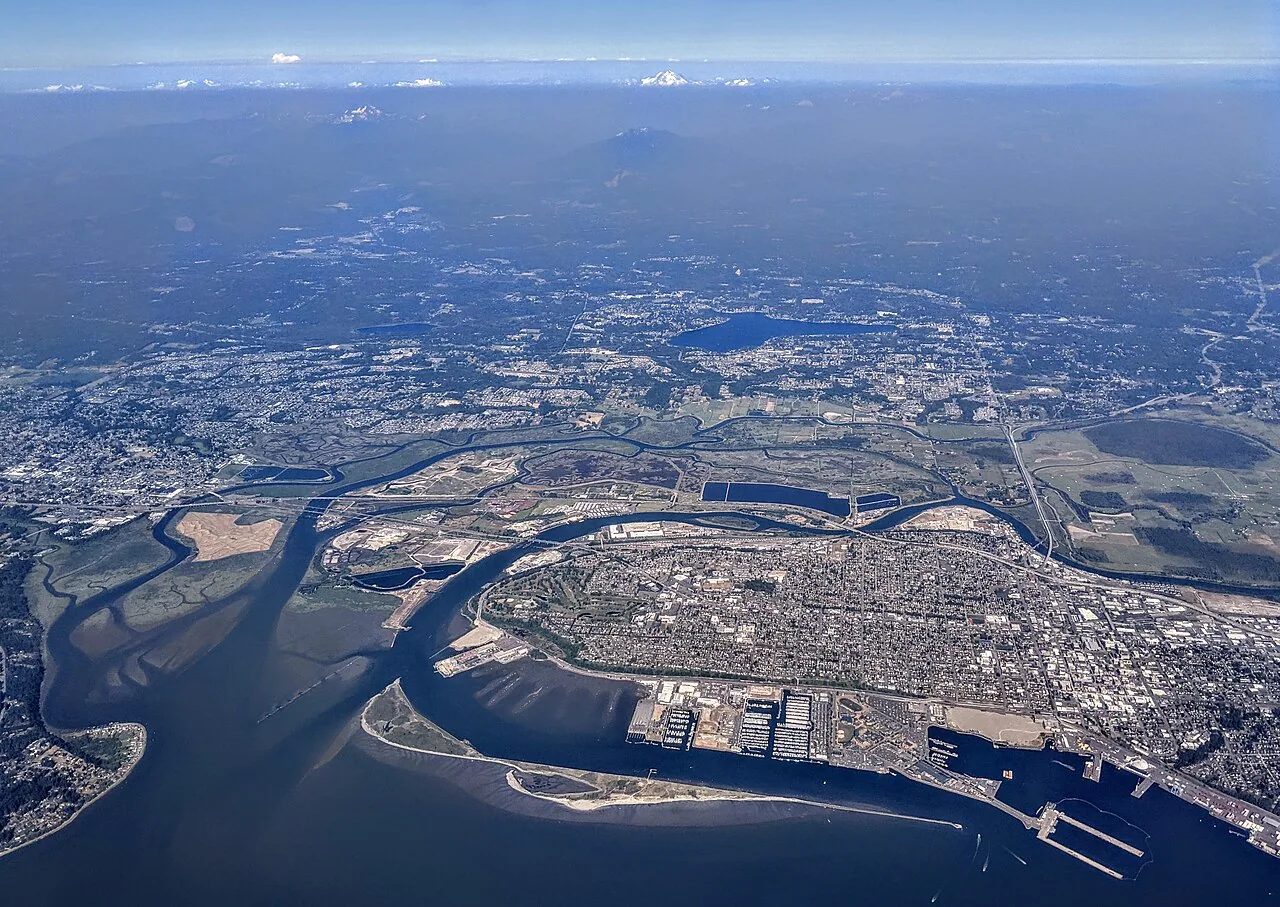

Commercial Roof Repair, Replacement & Maintenance
Commercial Roofing in Stanwood, WA
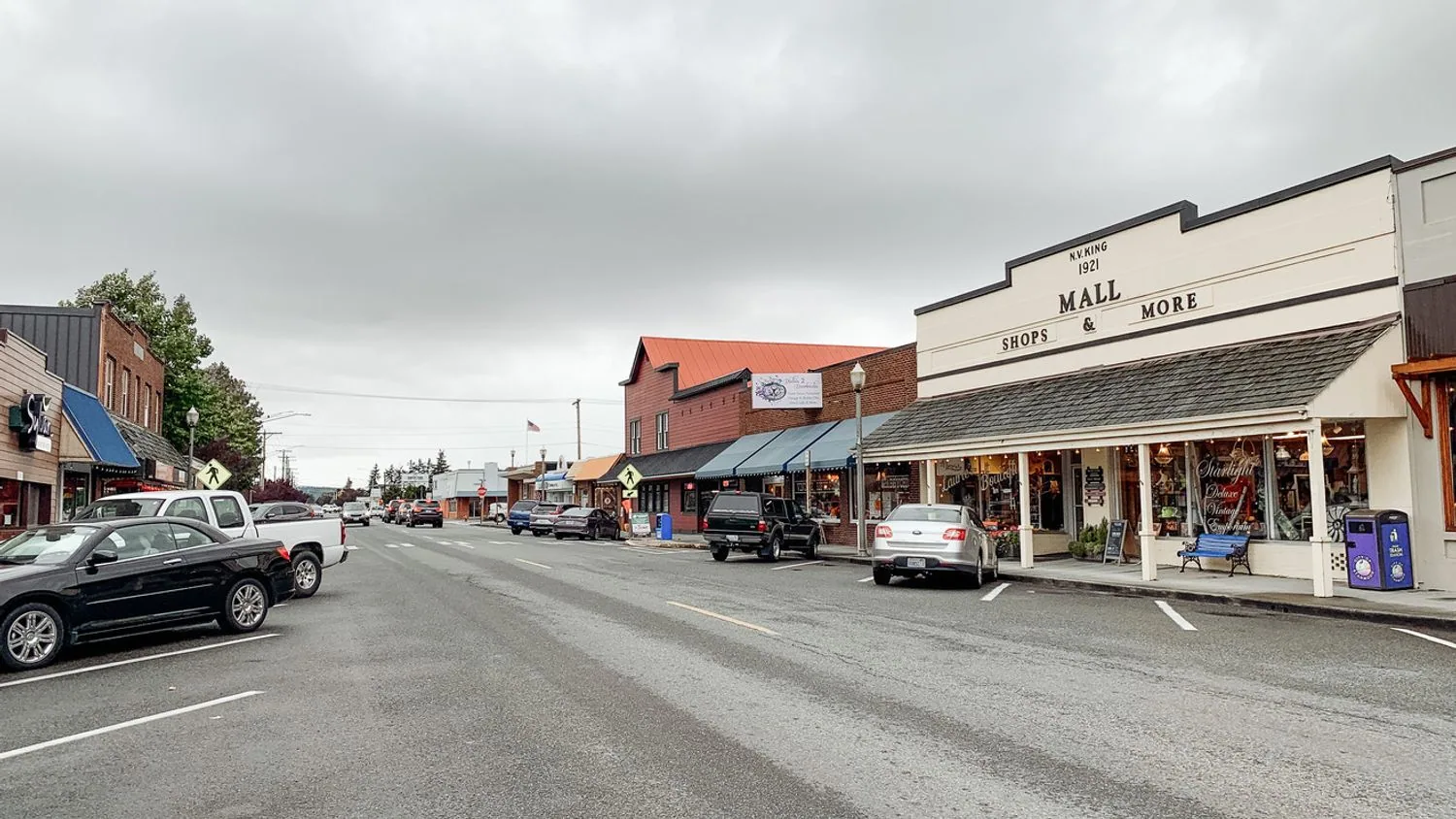
Stanwood serves as the town center for the greater Stanwood and Camano region, with a coastal farming identity and an active effort to improve the downtown core. Commercial roof work here has to begin with the property in front of the crew: its drainage, transitions, access, and the interior report that prompted the visit. We do not assume that a town's character identifies the roof system. We map the assembly and give the owner a repair boundary or a test plan tied to visible evidence. A commercial roof inspection can set that baseline for a Stanwood business property.
Everett averages about 40.25 inches of precipitation annually, with the wettest monthly period in late fall and winter. In a wet climate, the exposed edge of a repair matters as much as the material placed over it. Keep drains clear, close the work section securely each day, and document where water can travel before opening concealed layers. The downtown program's attention to safety, connectivity, streetscape, public art, and wayfinding also makes public access and pedestrian protection useful scheduling topics when work touches a business-facing property.
Start from the room, then test the roof detail
Ask where the water appeared, when it first showed, whether it returned, and what the weather was doing at the time. Record the room or suite and compare it with roof plans, drain locations, wall lines, curbs, and seams. A stain may sit away from the entry point because water can move along a deck or beneath the membrane. Walk the suspected path uphill and identify a condition that can be tested, not merely a detail that happens to be close. Photographs should show both the suspected defect and enough roof area to locate it again.
Where the roof has multiple layers or prior repairs, note what is known and what would require a probe or opening. Infrared patterns can guide investigation, but they need interpretation against membrane construction, insulation, sun exposure, and recent weather. If a test is recommended, state the question it will answer and how the result could change scope. While a moisture survey can target suspected wet zones for verification. Keep those roles distinct so an image is not mistaken for a diagnosis.
Plan for water, wind, and open-roof exposure
Rain finds weak points where materials meet: a termination at a wall, a curb corner, a drain ring, or an edge detail that has lost its seal. Inspect the field, perimeter, and penetrations separately, then compare them with the interior symptom. If a drain is slow, clear the route and check the bowl, clamping ring, overflow, and membrane around it. If a seam is open, determine whether the separation follows an installation detail, movement, or damage before choosing a patch. Everett's rainy season makes a secure end-of-day tie-in essential whenever a roof section is opened.
A coastal farming region can have operating schedules tied to deliveries and seasonal work. Confirm the property's hours, loading activity, customer routes, and areas that must remain accessible before staging materials. We use those site requirements to set the sequence, without assuming the same constraints apply across town. For temporary stabilization, mark the covered area, describe what the measure protects against, and give the owner a return date for permanent work. A wind-damage review should look at perimeter attachment, coping, and exposed corners; a separate drainage check can establish whether outlets or surrounding flashings need work.
Keep the assembly choice tied to the evidence
A localized repair is a sound option when the opening can be defined and the surrounding material remains serviceable. Describe removal limits, surface preparation, compatible patch materials, transition details, and a final check. When moisture may extend beyond the visible area, set an approval point before the crew removes more insulation or deck. A restoration or coating needs a compatible, stable substrate and known moisture conditions. If those are uncertain, test first. If deterioration is widespread or details keep failing, compare renewal with a complete quantity list rather than extending a series of patches without a condition record.
Replacement proposals should distinguish tear-off from recovery, deck repair from insulation, and membrane from flashing and edge-metal work. Include penetrations, drains, staging, disposal, access equipment, daily protection, and closeout. TPO, PVC, EPDM, modified bitumen, built-up systems, metal panels, and coatings all require details suited to the assembly and building requirements. No one option follows from Stanwood's downtown plans or regional identity. The owner can compare PVC membrane or modified-bitumen assemblies only after the existing roof, slope, structure, and maintenance horizon are understood. A replacement scope should price concealed work through a defined unit or approval process.
Sequence work around public movement
Downtown improvement goals include safety, connection, streetscape, public art, and wayfinding. For a commercial roof project near active public space, translate those priorities into a practical site plan: mark the overhead work area, maintain a protected entry, route deliveries away from customer movement, and communicate any temporary closure before setup. Confirm roof access and lifting points with the owner. A small repair may need a spotter or interior protection; a full replacement may need daily access changes as the work zone moves. Keep the route, work hours, and handback condition visible to the person managing the property.
Timing and cost depend on roof height, edge conditions, material handling, penetrations, moisture removal, deck work, tenant hours, and weather. Late-fall and winter precipitation in the Everett market makes installation windows and dry-in important, but the surface and substrate still decide whether products can be installed that day. For occupied retail or service space, plan a section size that crews can close before the weather or business schedule changes. Daily boundaries can be coordinated with a maintenance schedule keeps drains, flashings, and prior repairs on a planned inspection cycle after the work closes.
Make the condition record easy to hand off
The owner should receive more than an invoice. Provide the roof plan with repaired and tested locations marked, dated photos, materials installed, and the outcome of any moisture check. List exclusions and any roof areas not reached. If temporary protection remains, note its limit and who will schedule the permanent repair. Include permit and submittal records when required for the project, and keep warranty information with the assembly it covers. These details help an incoming manager understand whether a later leak is new, recurring, or connected to an unresolved area.
Stanwood's downtown work and its exploration of a Creative District and Main Street program give businesses a changing public-space context. Roof recommendations still come from the building itself. We can document a reported leak, check a drainage problem, plan a phased renewal, or maintain an existing assembly; each scope should name the evidence and the next decision. Owners coordinating other regional properties can keep separate records for Marysville buildings and Arlington facilities without transferring Stanwood findings to those roofs. Schedule a visit to record the water path, scope boundary, and protection plan before authorizing work.
Commercial Roofing Questions
What changes when work is near an active downtown business?
We plan access, lifting, pedestrian protection, customer entry, delivery routes, work hours, and daily handback with the property contact.
How can I tell if a leak is coming from the nearest drain?
We trace the reported interior location against the drainage plane, inspect the drain and nearby transitions, then test the detail that the evidence supports.
Can we coat an older roof instead of replacing it?
Only if the existing surface, adhesion, moisture condition, and substrate support a compatible coating system. Testing can resolve those conditions before pricing.
What should a proposal say about hidden deck damage?
It should identify the included scope, the approval point for added removal, and a measurement or unit-price method before concealed conditions are exposed.
How should temporary dry-in be tracked?
Mark its location and limit, photograph it, identify who checks it after weather, and set a date for permanent work or a follow-up inspection.
Questions Owners Ask
What changes when work is near an active downtown business?
We plan access, lifting, pedestrian protection, customer entry, delivery routes, work hours, and daily handback with the property contact.
How can I tell if a leak is coming from the nearest drain?
We trace the reported interior location against the drainage plane, inspect the drain and nearby transitions, then test the detail that the evidence supports.
Can we coat an older roof instead of replacing it?
Only if the existing surface, adhesion, moisture condition, and substrate support a compatible coating system. Testing can resolve those conditions before pricing.
What should a proposal say about hidden deck damage?
It should identify the included scope, the approval point for added removal, and a measurement or unit-price method before concealed conditions are exposed.
How should temporary dry-in be tracked?
Mark its location and limit, photograph it, identify who checks it after weather, and set a date for permanent work or a follow-up inspection.
Schedule a Stanwood roof inspection
Map the leak, confirm the roof assembly, and define a repair or testing scope.
Related Roofing Work
- Commercial Roof Inspection
- Infrared Moisture Survey
- Wind Damage Roof Repair
- Commercial Roof Drains and Scuppers
- Commercial Roof Replacement
- Preventive Roof Maintenance
- Marysville
- Arlington
Browse every page in Service Areas, or request a roof assessment and we will walk the roof with you.
Questions about this roof? Call 555-555-5555.