Commercial Roof Repair, Replacement & Maintenance
Commercial Roofing in Marysville, WA
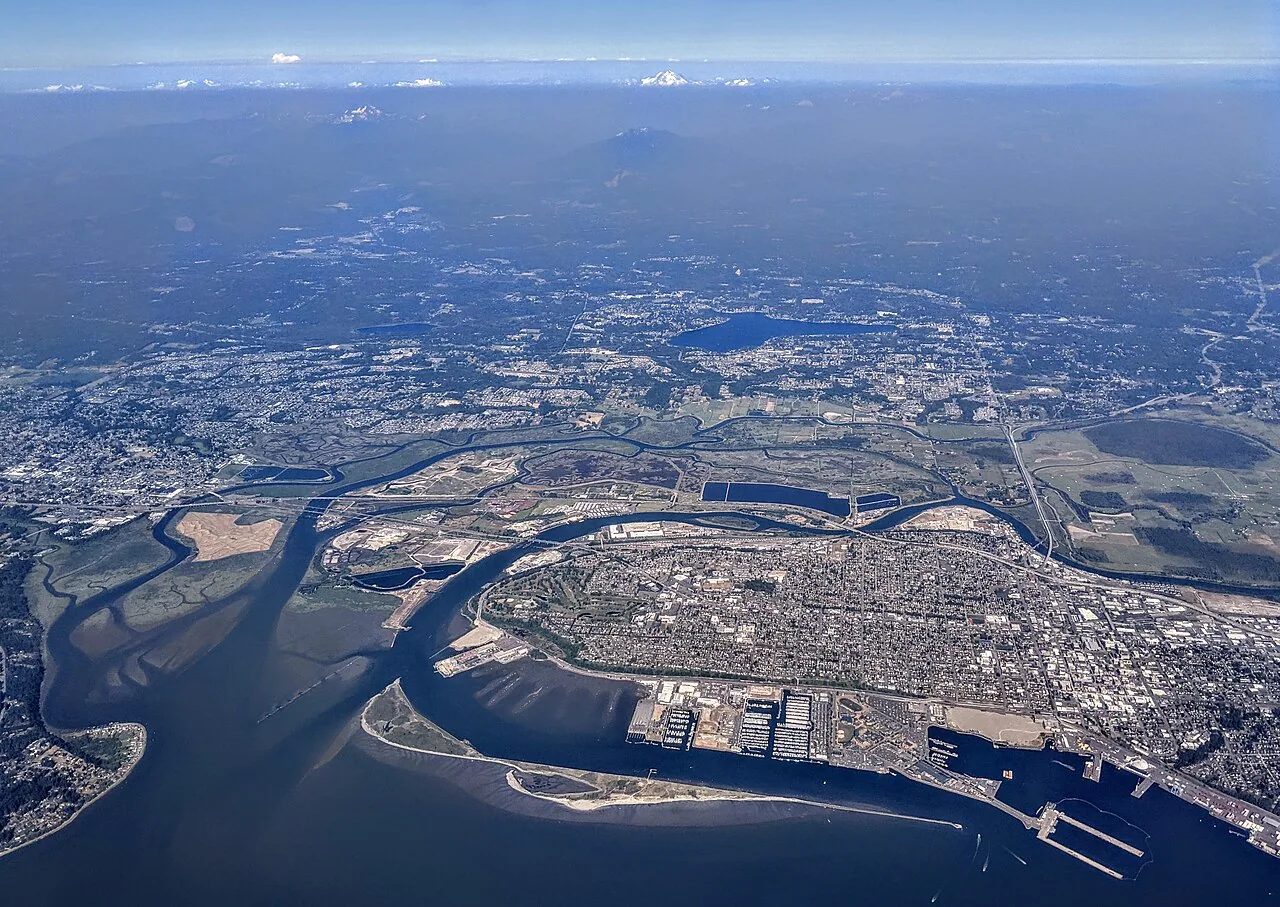
Marysville's economy includes aerospace, composites, light industrial work, manufacturing, corporate headquarters, and service businesses. Commercial roofs in a city with that range of uses need inspection based on the actual building, its operating schedule, and its roof system. The nearby Smokey Point plan area covers 675 acres of commercial and light-industrial land along I-5, with access from several interchanges including 116th and 172nd. We use those local details to understand the service area and coordinate travel; each property still requires its own diagnosis. A commercial roof inspection can establish a clear baseline for Marysville owners.
Plan work across city and industrial properties
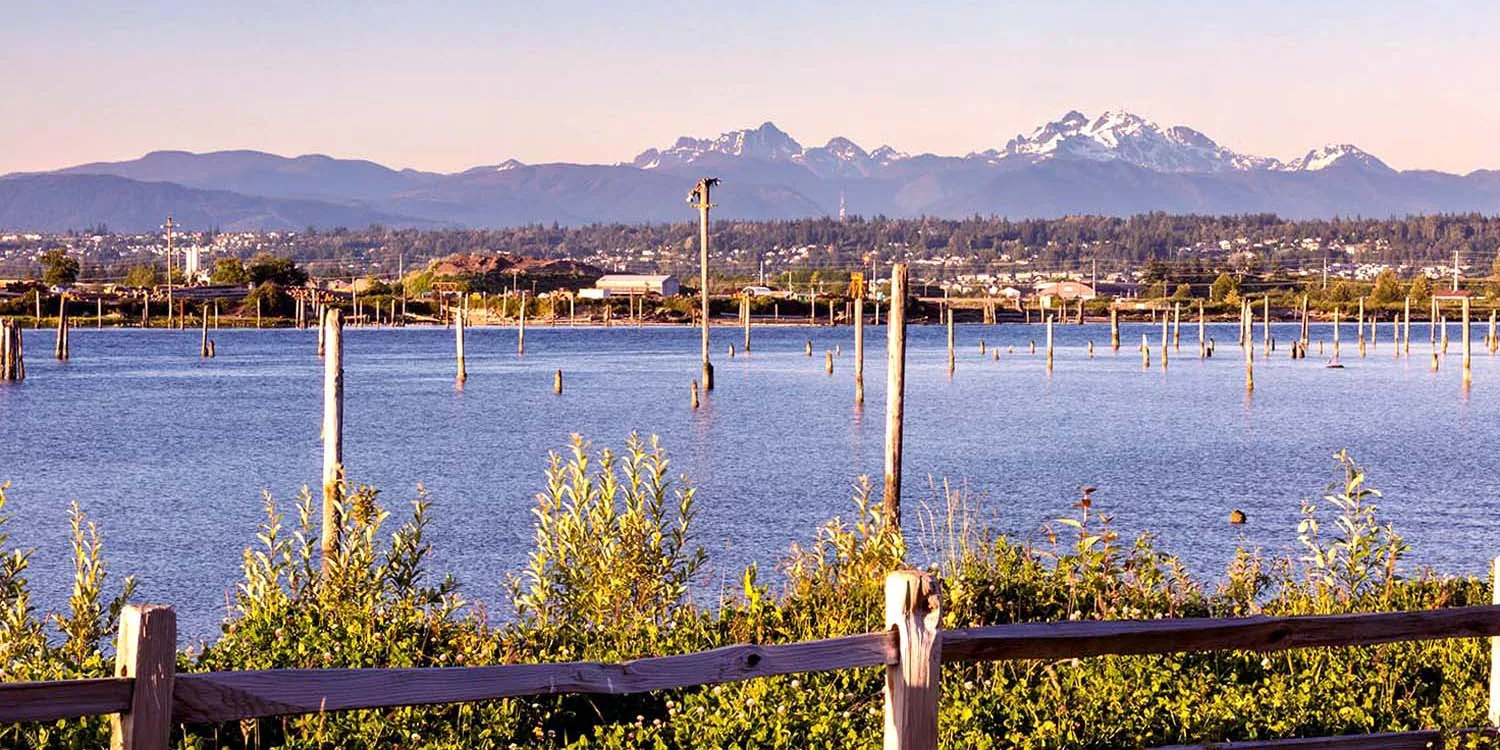
Marysville's business mix includes manufacturing, aerospace and composites alongside service firms and corporate offices. These building uses can bring different roof access, equipment, and operational needs. Confirm what is present at the individual property rather than assuming a roof type from the business category. Ask whether the site has production windows, rooftop equipment shutdowns, controlled loading, or tenant access rules before scheduling.
Smokey Point's 675-acre plan area is a major commercial and light-industrial concentration along I-5. Three interchanges, including the 116th and 172nd exits, serve the area. For owners with facilities across Marysville, use a shared service calendar but maintain separate roof plans, contacts, and warranty records. A repair plan should state access, staging, and protection assumptions so the facilities contact can approve the sequence.
Start with records, access, and the symptom
Before a roof walk, gather the date and location of any leak, the recent weather, recurrence, interior photos, and work performed above the affected area. Bring roof plans, previous inspections, repair invoices, and warranty documents. Confirm roof entry, fall-protection requirements, hatches or ladders, and equipment contacts. On a larger facility, name the zones and use those same identifiers on photographs, work orders, and follow-up reports.
Inspect roof edges, seams, flashing, penetrations, drains, and equipment transitions. Record membrane type only when verified. Look for open laps, punctures, loose metal, cracked sealant, displaced flashing, or blocked outlets, then mark each finding on the plan. Water can move under the roof before appearing in a room. If the likely path is uncertain, say what was tested and whether a moisture survey or selective opening would change the repair. A leak investigation should identify limits rather than treat the interior stain as proof of the entry point.
Check the details that affect manufacturing operations
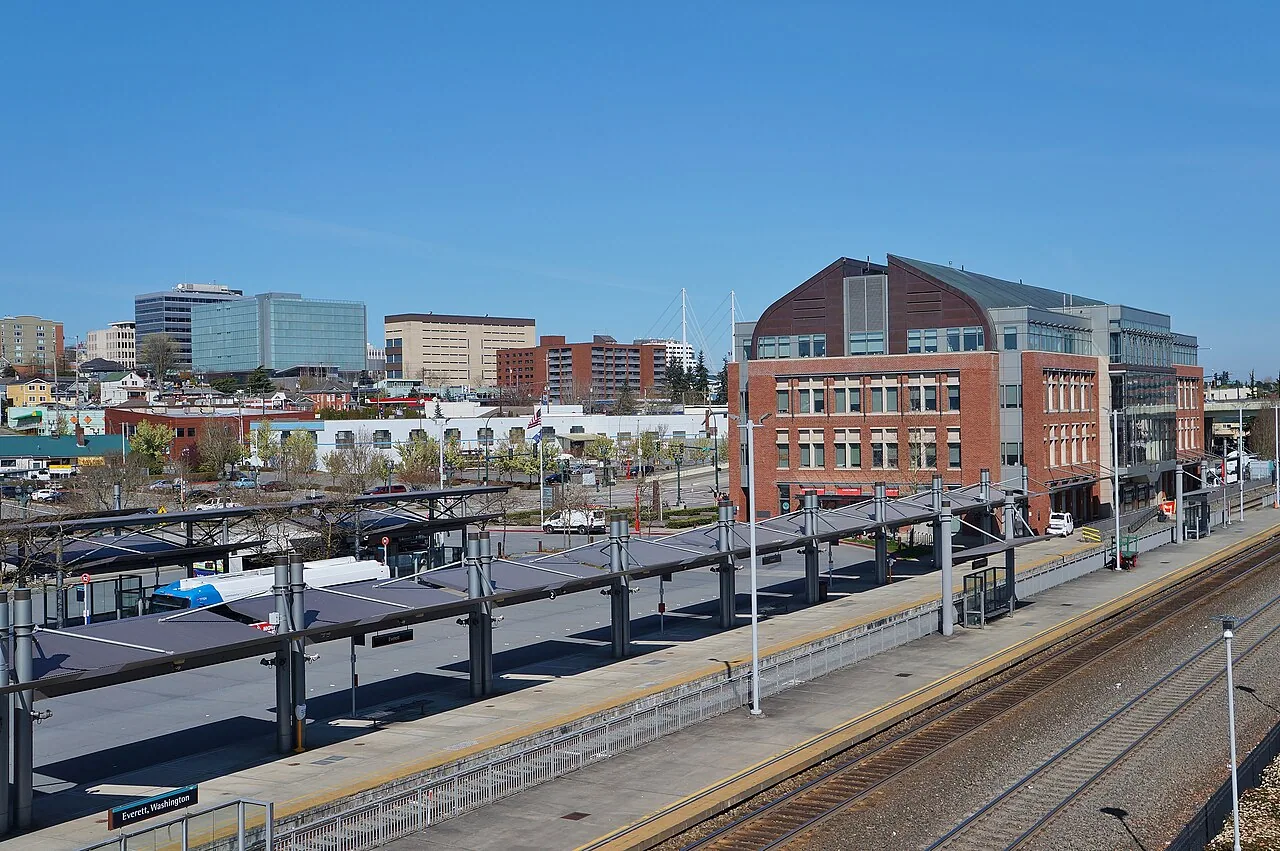
Manufacturing and light-industrial roofs may carry process exhaust, ventilation, piping, electrical runs, or other equipment. Confirm which systems are actually on the roof and identify the person authorized to shut them down. Inspect supports and curbs for movement or changes made by another trade. Ask about heat, fumes, or vibration below the work area that could affect protection or sequencing. Keep operating constraints in the estimate instead of discovering them after materials arrive.
For composites or aerospace sites, the business label does not tell us the roof assembly. Verify the system from project records and field evidence. If maintenance contractors frequently cross the roof, inspect traffic paths and supports for damage. If work requires staging near shipping or receiving, coordinate with the site team and keep vehicle routes open. A condition report can identify the roof zones reached, the details tested, and the equipment that requires coordination.
Keep drainage and wet-season protection in scope
Marysville is in a wet maritime climate, with the heavier rainfall period arriving from late fall into winter. Check drain bodies, strainers, clamping rings, scuppers, overflows, and discharge paths. Keep outlets accessible during repairs and note debris or signs of movement separately from membrane conditions. If water remains on a roof, map its boundary and arrange another observation when useful. A single visit after rainfall may not show how quickly the area drains.
When opening a roof section, plan how it will close before rain arrives. Confirm what temporary cover is available, who checks it, and how equipment below will be protected. Product-specific limits govern substrate moisture and temperature, so inspect the actual work area. A ponding-water evaluation can document a recurring low area; a drain repair or seam repair should be a separate line item. If the property operates overnight, define daily closure and emergency contacts before work begins.
Compare repair, restoration, and replacement scopes
A repair works when the defect boundary is clear, the surrounding materials are sound enough to accept a compatible detail, and the owner can verify completion. A broader restoration may require adhesion testing, moisture checks, and a review of existing layers. Replacement should be evaluated when leaks recur across zones, the assembly is wet or unstable, or edges and drainage cannot be corrected with isolated work. The report should state which evidence supports each choice.
Compare proposals using the same roof area, tear-off assumption, deck and insulation work, cover board, membrane, attachment, flashing, edge metal, drains, disposal, access, and warranty terms. Washington building and energy requirements apply to project design and permitting; confirm what governs the proposed work. A replacement estimate should show allowances for concealed damage and identify required shutdowns. For a facility near the Smokey Point or Cascade Industrial Center, include the confirmed work-route and staging needs.
Keep records usable when contractors or tenants change
Save a roof plan, system details, dated photos, tested locations, repairs, materials, drain checks, warranty obligations, and open questions. Record access instructions and site contacts. If another contractor modifies HVAC, plumbing, or electrical equipment, request closeout information for any roof penetration. Note any temporary measure and the date it should be replaced or checked.
On buildings with separate roof levels, note how runoff reaches lower areas and whether a discharge point ends near an entry or loading bay. Photograph it so maintenance can find the point again. A schedule can combine inspection dates across a portfolio, but findings should stay tied to each building. Prioritize by condition, leak history, system requirements, and consequence of downtime. Before the wet season, make sure drains can be reached and earlier repairs are intact. A maintenance program can include these checks. Owners with sites in Arlington or Snohomish can coordinate a regional contractor while retaining separate plans, scopes, and operating contacts.
Give facilities a decision path it can follow
After the visit, provide a short description of each finding, its roof location, photos, tests performed, repairs completed, and unresolved conditions. Separate temporary protection from permanent work. State what additional access or testing could change the scope. For a replacement, identify the installed assembly assumptions and whether the owner should authorize further sampling.
Marysville's mix of manufacturing, aerospace, composites, corporate offices, and services makes one standard work sequence unlikely to fit every property. The closeout should identify the specific building's work hours, hazards, shutdowns, and next steps. Keep operational notes with the technical record so another crew can act without repeating initial discovery. For a facility in a growth area, confirm project requirements with the owner before pricing additions or related site work. The roof recommendation should remain connected to what inspection actually found.
Commercial Roofing Questions
What industries are part of Marysville's economy?
Marysville's economy includes aerospace, composites, light industry, manufacturing, corporate headquarters, and service businesses.
What is the Smokey Point plan area?
It covers 675 acres of commercial and light-industrial land along I-5, served by several interchanges including 116th and 172nd.
Does a manufacturing business type identify the roof system?
No. Check plans, warranty records, and field details to verify the material and assembly before proposing work.
What should be included in a commercial roof proposal?
Show preparation, materials, access, protection, drainage and edge work, exclusions, concealed-condition process, and completion checks.
Questions Owners Ask
What industries are part of Marysville's economy?
Marysville's economy includes aerospace, composites, light industry, manufacturing, corporate headquarters, and service businesses.
What is the Smokey Point plan area?
It covers 675 acres of commercial and light-industrial land along I-5, served by several interchanges including 116th and 172nd.
Does a manufacturing business type identify the roof system?
No. Check plans, warranty records, and field details to verify the material and assembly before proposing work.
What should be included in a commercial roof proposal?
Show preparation, materials, access, protection, drainage and edge work, exclusions, concealed-condition process, and completion checks.
Inspect the roof before committing to a scope
Request commercial roofing service in Marysville. We will document the building, roof condition, and access plan, then outline practical options.
Related Roofing Work
- Commercial Roof Inspection
- Commercial Roof Repair
- Commercial Roof Leak Repair
- Commercial Roof Condition Reports
- Ponding Water Roof Repair
- Commercial Roof Replacement
- Smokey Point, Marysville
- Cascade Industrial Center, Marysville and Arlington
Browse every page in Service Areas, or request a roof assessment and we will walk the roof with you.
Questions about this roof? Call 555-555-5555.