Commercial Roof Repair, Replacement & Maintenance
Commercial Roofing in Arlington, WA
Arlington includes Old Town, the Airport and Cascade Industrial Center area, and Smokey Point. More than 860 businesses span aerospace, manufacturing, construction, and green technology, alongside commercial and retail areas and a general-aviation airport near I-5. These varied settings call for roof decisions based on each property, not a single citywide assumption. We verify the assembly, access, occupancy, and reported condition before choosing repair or replacement. A commercial roof inspection can establish a clear work basis for an Arlington property.
Coordinate service across Arlington's distinct districts
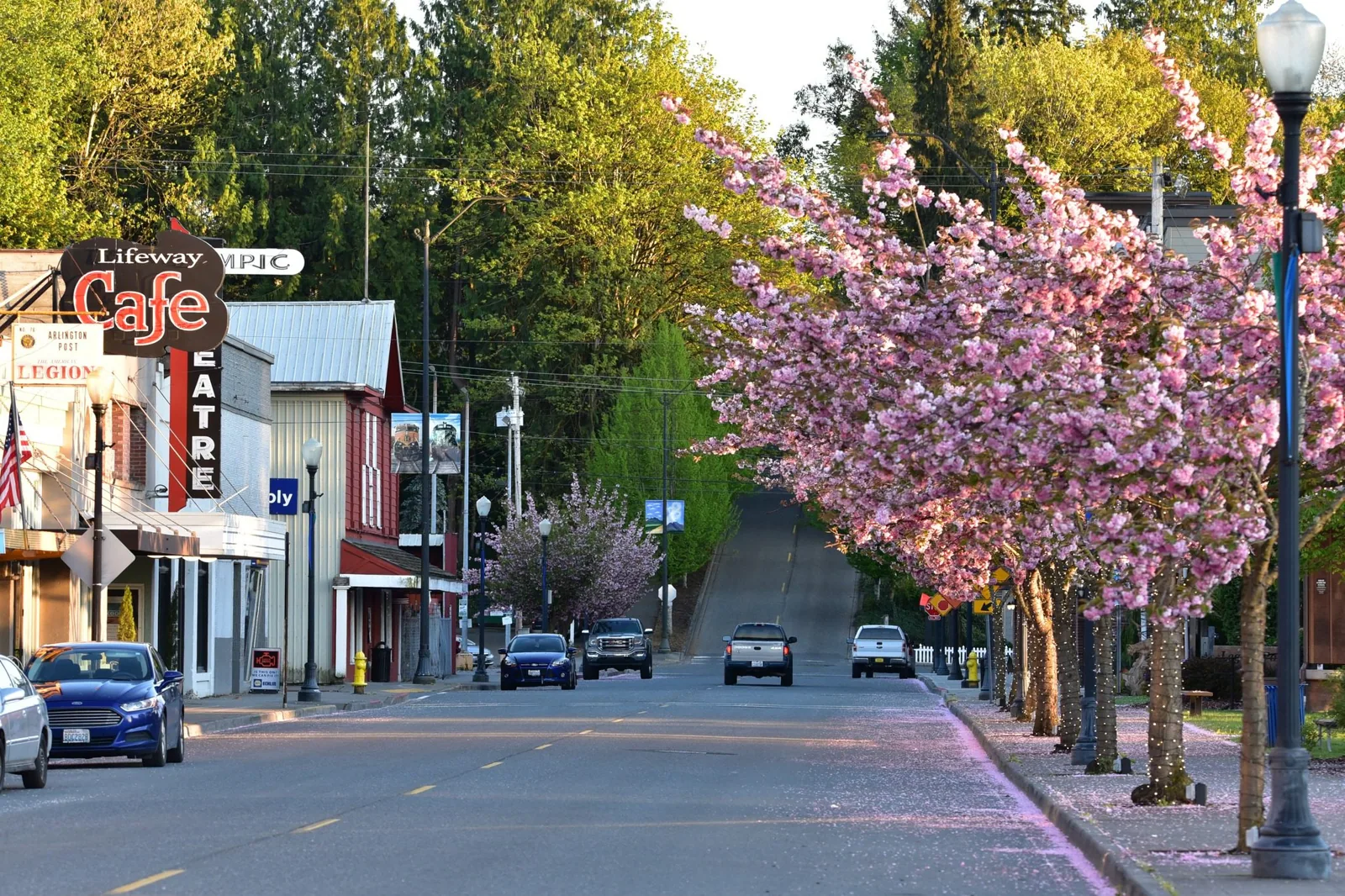
Arlington's business areas include Old Town, the airport and Cascade Industrial Center, and Smokey Point. A roof visit in one district may have different access, parking, work-hour, or operating controls than another. Verify the property location with the owner and identify any airport or industrial site requirements. Confirm the roof layout, work-hour limits, and site contact for each property before setting a repair sequence.
More than 860 businesses span aerospace, manufacturing, construction, green technology, commercial, and retail activity. Confirm whether a particular property has production, customer service, shipping, or tenant activities that need protection during work. For sites near the airport, verify access and safety rules with the authorized contact. For a commercial or retail building, coordinate customer routes and material staging. A repair plan should include confirmed site conditions and sequence. If property lines or shared walls affect staging, confirm the responsible party before work starts. Document material delivery, debris removal, and areas that must stay accessible throughout the job.
Map each roof zone before a crew begins repairs
Gather roof plans, repair invoices, warranty records, leak dates, interior photos, and the contact responsible for access. Inspect system type where verifiable, seams, flashing, drains, penetrations, metal edges, previous patches, and any transition between additions. For large roofs, split the plan into zones. A consistent labeling method helps the owner connect interior reports with test points and lets a follow-up crew return to the same detail.
Look for open seams or welds, loose termination metal, punctures, displaced flashing, cracked sealant, clogged drains, or evidence of movement. Photograph both the defect and its surrounding roof area. Check rooftop equipment and ask whether it has been moved or serviced. If a roof section is not accessible, state why. Where moisture is suspected below the surface, consider a survey or test opening and describe the question it will answer. A condition report can give facilities staff a reliable record for planning. Where ceiling access is available, compare wet insulation or deck evidence with roof-plan locations before final quantities are set.
Trace water from the interior report to roof evidence
Record when water appeared, which room or work area was affected, whether the issue recurred, and what weather or construction activity preceded it. Compare the report with drains, curbs, seams, wall joints, penetrations, skylights, and roof edges. Water may travel before entering the building. A ceiling stain is useful evidence but does not by itself identify the roof entry point. Mark all checks and separate a confirmed defect from a possible path.
Everett's service area has a 40.25-inch annual precipitation normal and wetter late-fall and winter months. Set daily dry-in and drain access around current forecasts and the actual work surface. Verify that temporary cover cannot divert water into a door, loading area, or equipment zone. A leak investigation should say what was inspected and what additional access or sampling is still needed. For storm-related reports, document the physical damage rather than relying on the date alone.
Confirm materials across commercial and industrial roofs
Arlington has industrial, commercial, and retail areas; the category does not identify the assembly. Use submittals and field features to determine whether a roof uses single-ply membrane, modified bitumen, built-up layers, metal, or another system. Confirm attachment and visible insulation details where possible. Note changes between additions and repairs. If the field and records disagree, describe the uncertainty and avoid specifying a product until compatibility is checked.
Equipment and other contractors can alter a roof. Inspect around rooftop units, exhaust, piping, electrical, and support feet. Ask for any recent service ticket that might explain a new penetration or leak. Check drainage and edge metal separately from the membrane field. For a building with a general-aviation connection, confirm access authorization and operating controls before carrying tools onto the roof. A TPO review or metal-roof assessment should fit verified roof conditions and project requirements.
Compare bids on the same repair or replacement scope
A repair should identify defect, location, preparation, material, tie-in boundary, and a completion check. Include protection below, access, staging, and cleanup. If removal may expose wet insulation or deck damage, define how the owner authorizes added work. For restoration or replacement, state existing layers, removal, substrate, insulation, cover board, attachment, membrane, edges, drains, disposal, and warranty paperwork.
Washington building and energy-code requirements apply to design and permitting. Verify current project requirements with the responsible professionals and local review contact. If the roof spans several sections, specify phase limits and temporary tie-ins. A replacement estimate should disclose exclusions and hidden-condition pricing. For a manufacturing property in the Cascade Industrial Center or a business area near Smokey Point, confirm that site access and delivery windows are included in the bid.
Set follow-up around actual conditions and operations
Maintenance records should list the visit date, roof areas accessed, drains checked, seams tested, prior repairs, and items left open. Save dated photos and a roof diagram. Note which person can authorize access and whether airport, industrial, or customer-area controls must be repeated. If equipment is changed later, ask the contractor to document penetrations and flashing before closing the work order.
Choose inspection timing based on condition, warranty requirements, past leaks, and the cost of downtime. Before the wet season, confirm outlets and previous repair details can be reached. Following a significant storm or rooftop modification, inspect the affected area without waiting for the next routine date. A maintenance program can log those checks. Owners coordinating properties across Marysville and Snohomish can schedule the same contractor while keeping separate roof histories and municipal review steps.
Hand off findings that support an owner decision
Closeout should say what was inspected, which details were tested, what repair was completed, and what remains unresolved. Add photos and a marked roof plan. Identify any limitations, including inaccessible areas, unknown materials, or pending tests. If more work is proposed, show its boundaries and assumptions. The owner can then decide whether to proceed, gather more information, or defer a scope based on evidence. Before mobilization, set the roof access route, confirm whether tenants or deliveries need alternate paths, and document the weather-tight stop point for each shift.
Old Town, the airport and Cascade Industrial Center, and Smokey Point each bring different access and staging needs for commercial roof work. A building-specific report keeps that context separate from technical conclusions. For every facility, preserve permits, warranty records, access contacts, and follow-up dates in the roof file. That gives the next facilities manager a clear picture of completed work and the decisions still due.
Commercial Roofing Questions
What kinds of businesses are in Arlington?
More than 860 businesses span aerospace, manufacturing, construction, green technology, commercial, and retail activity.
Which Arlington areas need separate coordination?
Old Town, the airport and Cascade Industrial Center area, and Smokey Point each have distinct business settings.
Does an industrial or airport location determine roof type?
No. Verify the assembly and access rules at the building using records and field inspection.
What should an owner ask bidders to include?
Require the repair boundary or full assembly scope, access, staging, protection, exclusions, concealed-condition process, and closeout tests.
Questions Owners Ask
What kinds of businesses are in Arlington?
More than 860 businesses span aerospace, manufacturing, construction, green technology, commercial, and retail activity.
Which Arlington areas need separate coordination?
Old Town, the airport and Cascade Industrial Center area, and Smokey Point each have distinct business settings.
Does an industrial or airport location determine roof type?
No. Verify the assembly and access rules at the building using records and field inspection.
What should an owner ask bidders to include?
Require the repair boundary or full assembly scope, access, staging, protection, exclusions, concealed-condition process, and closeout tests.
Inspect the specific roof before scheduling work
Request commercial roofing service in Arlington. We will verify the building, document roof conditions, and outline practical options.
Related Roofing Work
- Commercial Roof Inspection
- Commercial Roof Repair
- Commercial Roof Condition Reports
- Commercial Roof Leak Repair
- Commercial Roof Replacement
- Cascade Industrial Center, Marysville and Arlington
- Smokey Point, Marysville
- Preventive Roof Maintenance
Browse every page in Service Areas, or request a roof assessment and we will walk the roof with you.
Questions about this roof? Call 555-555-5555.