
Commercial Roof Repair, Replacement & Maintenance
Commercial Roofing in Smith Island, Everett, WA
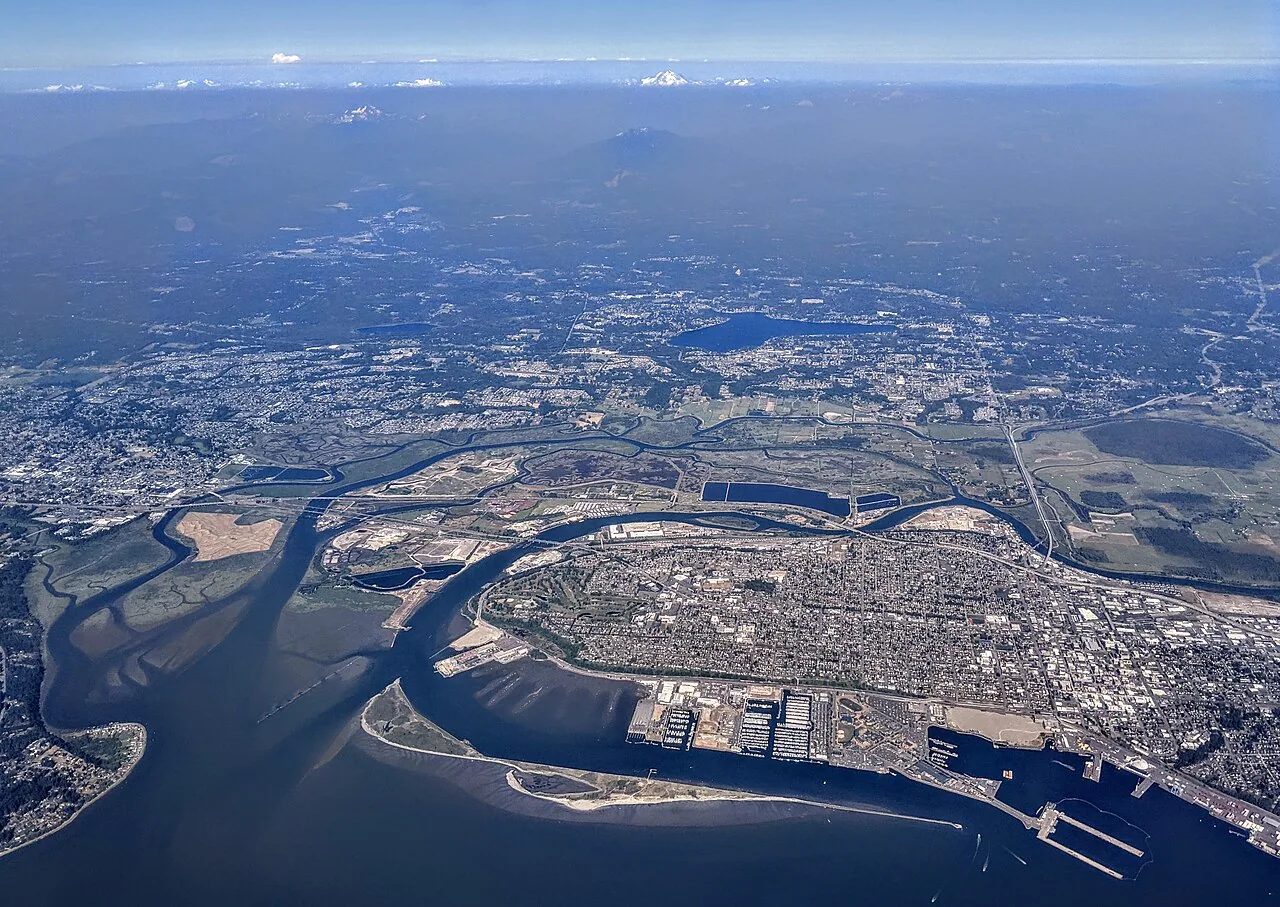
Everett annexed Smith Island in 2022 and established the area for industrial zoning. Smith Island contributes to Everett's employment capacity, and shoreline planning applies to part of its water-adjacent area. Confirm each property's roof system, shoreline-related requirements, and access schedule with the owner before planning work. We confirm the property, ownership contact, access, and work rules before inspection. A commercial roof inspection can map the roof condition and identify what needs repair or further investigation at Smith Island.
Verify site boundaries and authorization
Industrial zoning and employment-land status do not grant roof access. Before mobilization, verify the building owner or authorized manager, the location covered by the request, and any tenant or security procedures. Confirm whether an escort, vehicle clearance, work permit, or special safety orientation is required. For a roof near water or within a shoreline-planning area, the property team should identify any project review requirements that apply before the scope changes the building or site.
Keep boundaries clear when several properties or operators are involved. A contractor should know which roof, equipment, and access route the owner has authorized. If the site has shared drainage, roadways, or utility infrastructure, confirm who is responsible for coordination. Portfolio plans can coordinate more than one Smith Island property; each roof inspection and approval still needs its own condition record. A repair estimate should state the authorized area and operational assumptions.
Inspect industrial roof details in mapped sections
Start with the roof plan and available project records. Confirm the membrane or roof material where it can be identified, then mark seams, flashings, penetrations, drains, edges, equipment, and earlier repairs. Divide a large roof into zones and use the same names in photos, work orders, and follow-up notes. Inspect a reported leak area and representative transitions, but make clear when a spot check does not cover the full assembly.
Ask about equipment installations, maintenance traffic, and contractor work that could have changed the roof. Look around curbs, pipes, support feet, and edge transitions for movement, open laps, punctures, loose metal, or deteriorated sealant. If a section is not accessible, record why and what access would be needed. A water-adjacent district may have different site rules from inland properties, but the field condition must be observed. A condition report can keep the plan, photos, and access limits together.
Trace water with a record of each test
Gather the date and interior location, whether the problem has repeated, weather around the event, and any equipment work above. Compare that report with roof drains, scuppers, seams, flashings, wall joints, and penetrations. Water can travel beneath a membrane or through the deck before appearing inside. A stain provides a starting point; it does not prove which roof detail failed. Photograph the interior and roof context, and label the tests performed.
Everett's precipitation normal is 40.25 inches annually, with wettest monthly totals in November, January, and December. For water-adjacent facilities, reliable drainage and secure daily closures matter during wetter work periods. Check the actual drains and discharge path instead of inferring a problem from climate or location. If moisture may extend under the membrane, explain what test or selective opening is needed and what repair decision it supports. A leak assessment should list confirmed findings, possible paths, and areas still unseen.
Plan material handling and temporary protection
Write a repair scope around the confirmed defect: location, dimensions, preparation, compatible materials, boundary, and completion check. Include roof access, fall protection, equipment controls, interior protection, and cleanup. If removal could reveal wet insulation or damaged deck, name the approval point and method for measuring added work. A temporary cover should be photographed, labeled, and assigned a date for permanent follow-up.
For industrial properties, confirm where materials can be stored and how debris will be removed. Keep drainage paths clear and protect nearby work areas. The property contact should approve any shutdown, equipment relocation, or restricted access. A field team should leave the surface weather-tight at the end of each shift and document open questions before departing. A short-term response may protect an active leak, but it should not be represented as permanent restoration until the full detail is installed and checked.
Review shoreline and building requirements before renewal
Replacement can affect more than the roof membrane. Compare removal, substrate, insulation, cover board, attachment, flashing, edges, drains, mechanical interfaces, and construction access. Identify whether the bid includes disposal and protection for areas below. If the building is phased, show temporary transitions and the sequence that keeps each section secure. Define a unit-price or authorization process for concealed damage rather than leaving it open ended.
Smith Island's water-adjacent location means shoreline planning may apply to part of the area. Confirm whether the specific building or proposed site work requires shoreline or other local review; do not assume a roofing-only repair has the same process as a larger site change. Washington building and energy standards also apply to design and permitting. A replacement proposal should identify the project review assumptions, roof assembly, and code path. A capital plan can sequence industrial assets while separating technical priorities from permitting questions.
Keep industrial roof history ready for future service
Store a marked roof plan, inspection photographs, repair locations, material records, drain conditions, and unresolved tests for each building. Include contact and authorization details, work-hour limits, and any access or escort steps. If a contractor changes equipment, ask for photos of roof penetrations and closeout details. Repeated leaks should be compared by location and weather, not only by invoice date.
Smith Island contributes employment capacity within Everett. That makes continuity useful for the property team, but roof maintenance timing still follows system condition, warranty duties, observed issues, and operating consequence. A maintenance plan can schedule drain and flashing checks before the rainy season. If repairs need follow-up after a storm, identify the precise roof zone and person responsible for requesting another visit. Owners coordinating Port Gardner Waterfront or Everett Industrial Waterfront work can align vendor access without combining the site reports.
Separate district facts from roof findings
At closeout, identify what was inspected, what was observed, what was tested, what work was completed, and what remains uncertain. Use marked locations and dated photos. State any access limitations and the follow-up needed to close them. Keep temporary stabilization, permanent repair, and future replacement planning as separate actions when they involve different decisions. For work that changes rooftop equipment, drainage, or the building edge, the property owner should confirm the applicable review path before mobilization. Mark the inspected building and roof zone on the site plan so shoreline questions stay connected to the correct parcel and repair boundary.
Smith Island's annexation, industrial zoning, employment-land role, and shoreline planning status help define its place in Everett's service area. At each building, confirm shoreline-related approvals, roof access, and assembly before setting project timing or scope. The report should describe the roof that was actually inspected and the access conditions present during the visit. This helps a facilities manager coordinate the next step with operations, permitting contacts, or finance as appropriate. A Southwest Everett Industrial Center project may share industrial coordination needs, but should retain its own location and roof record.
Commercial Roofing Questions
Is Smith Island part of Everett?
Everett annexed Smith Island in 2022 and established it as industrially zoned employment land.
Does shoreline planning apply to every roof repair on Smith Island?
Shoreline review applies to parts of Smith Island; confirm whether the property's location and roof scope require that review.
What should an industrial roof inspection document?
Record the system, roof zones, seams, drains, flashing, access limits, reported conditions, tests, and any needed follow-up.
Can the property owner authorize work at an occupied site?
The authorized owner or manager should confirm tenant, site-security, safety, access, and shutdown procedures before mobilization.
Questions Owners Ask
Is Smith Island part of Everett?
Everett annexed Smith Island in 2022 and established it as industrially zoned employment land.
Does shoreline planning apply to every roof repair on Smith Island?
Shoreline review applies to parts of Smith Island; confirm whether the property's location and roof scope require that review.
What should an industrial roof inspection document?
Record the system, roof zones, seams, drains, flashing, access limits, reported conditions, tests, and any needed follow-up.
Can the property owner authorize work at an occupied site?
The authorized owner or manager should confirm tenant, site-security, safety, access, and shutdown procedures before mobilization.
Verify the building and access before work begins
Request commercial roofing service on Smith Island. We will confirm the authorized site, document the assembly, and define a property-specific scope.
Related Roofing Work
- Commercial Roof Inspection
- Commercial Roof Repair
- Commercial Roof Condition Reports
- Commercial Roof Leak Repair
- Commercial Roof Replacement
- Preventive Roof Maintenance
- Port Gardner Waterfront
- Everett Industrial Waterfront
Browse every page in Service Areas, or request a roof assessment and we will walk the roof with you.
Questions about this roof? Call 555-555-5555.