

Commercial Roof Repair, Replacement & Maintenance
Commercial Roofing in Seaway and Airport Road Employment Area, Everett, WA
The Seaway and Airport Road employment area includes aviation, aircraft repair, aerospace, airport maintenance, fire, and engineering uses. Aerospace activity around Boeing's Everett operations contributes to regional manufacturing employment. Aerospace and aviation activity across southwest Everett makes site-specific access and staging a useful pre-inspection step. Roofing needs depend on the specific property, access authorization, roof assembly, and work schedule. A commercial roof inspection can document those conditions before repair or replacement planning begins.
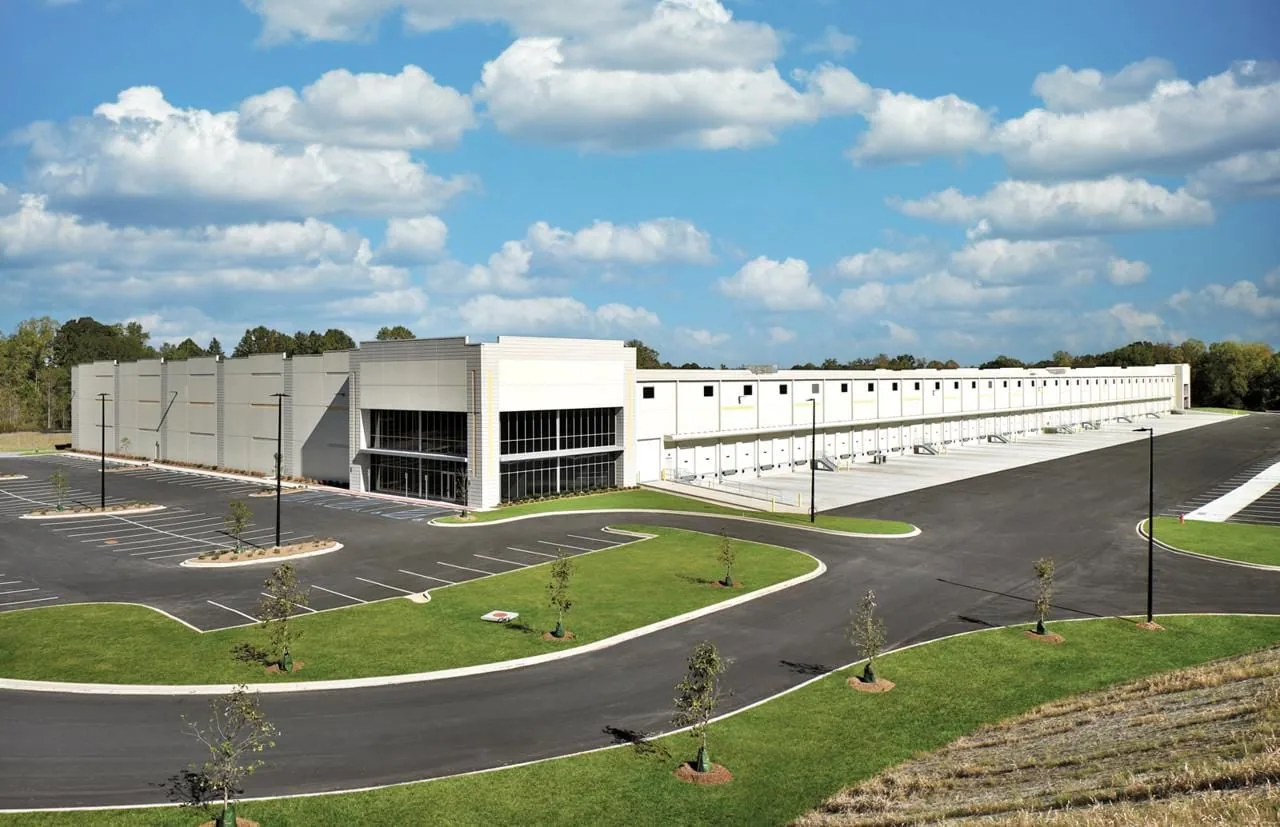
Confirm permissions before approaching the roof
Airport-area facilities may have controlled access and distinct work-permit requirements. Paine Field explains that tenant improvements, building additions, mechanical work, and plumbing work require permits. Confirm the applicable review and authorization for the proposed roofing scope with the property and airport contacts before scheduling. Verify escort needs, safety orientation, work zones, vehicle rules, equipment shutdowns, and any restrictions around operating aircraft or maintenance work.
The directory's tenant mix includes aircraft maintenance, aviation operators, aerospace businesses, hangars, and airport departments. Each operator can have a different access route and safety contact. Do not assume a directory listing grants roof access or describes the work at a particular building. Record the authorized entrance, person who can approve the task, emergency contact, and sequence for restoring equipment after the repair. A repair proposal should include any confirmed permit, escort, or shutdown allowance so the facility can plan.
Inspect roof zones around equipment and aircraft support uses
Before diagnosis, identify the membrane or roof material, attachment where visible, repair history, drains, edges, seams, and penetrations. Mark the roof zones on a plan. Check around HVAC, exhaust, communications, electrical, and other equipment only where those features are present. Do not infer a roof assembly from the type of aviation tenant. If several buildings are part of one employment area, maintain separate plans and findings for each structure.
Aircraft repair or hangar operations may involve large openings, high ceilings, and equipment clearances, but the site team must confirm actual conditions. Plan safe access to the roof and determine whether interior protection, an escort, or special work platform is required. Inspect transition details at curbs and wall joints and note any later penetration work. A condition report should show inspected areas, test points, limitations, and any information needed before the next visit.
Trace water to a testable detail
Collect the interior report: location, time, recurrence, nearby equipment, and weather. Compare it to the roof above and note likely paths around seams, penetrations, drains, flashing, and edges. Water can move before entering the building, so the closest point overhead may not be the source. Mark and photograph each condition. If the leak cannot be reproduced, state what was inspected and what conditions would make a return more informative.
Everett averages about 40.25 inches of precipitation each year; roof crews should plan a secure daily closure for wet-season work. Check drains and overflow paths as part of the inspection. A regional average informs preparation but does not identify the cause of a specific aircraft-support building leak. If moisture may be below the surface, explain the option for testing or selective removal. An investigation should list confirmed defects separately from conditions that still need access or sampling.
Scope work around permitted alterations
A repair needs an identified system, defined boundary, compatible material, preparation detail, and closeout test. List access equipment, safety controls, interior protection, debris handling, and daily closure. If a future equipment or plumbing change could affect the roof, coordinate which contractor will restore flashing and who inspects the completed transition. That responsibility should be agreed before mechanical or plumbing work starts, not after a leak appears.
If roof removal reveals wet insulation or deck damage, pause at a safe boundary, photograph the condition, and obtain authorization for added work. Include a unit price or another clear measurement method. If temporary protection is used, label it and set a return date for permanent repair. A flashing review can isolate a curb or wall transition, while a seam inspection should evaluate the membrane itself. Keep these scopes distinct if they require different materials or access windows.
Compare reroof scopes with facility approvals in view
For renewal, proposals should show tear-off assumptions, substrate repair, insulation, cover board, membrane, attachment, edges, flashings, drains, penetrations, staging, disposal, and warranty terms. Include aircraft or manufacturing operating constraints, access equipment, and permit coordination. If replacement is phased, identify temporary tie-ins and required inspections before each section is closed. Compare bidders using the same roof plan and quantity basis.
Washington building and energy-code requirements apply to project design and permitting. Confirm which provisions and reviews apply to this property with the design and facility teams. At Paine Field, the airport states that tenant improvements and building, mechanical, and plumbing work require permits. Verify how the roofing scope fits current facility requirements before mobilization. A replacement assessment can outline construction sequencing and approval assumptions. For owners with multiple area buildings, capital planning can help stage investment without treating every roof as the same system.
Prepare for wet work and safe end-of-day conditions
Everett receives about 40 inches of precipitation in an average year and records freezing minimum temperatures on some mornings. Build the work plan around actual forecasts, surface conditions, material instructions, and protected daily closure. Keep drains open and prevent loose debris from reaching equipment or aircraft-support areas. If an opening is exposed, confirm who checks protection before crews leave and what the facility should do if rain begins unexpectedly.
Cool or damp surfaces can change the way adhesives, coatings, or membrane welds perform. Check the substrate rather than assuming nearby conditions are the same. If a permit or escort creates a fixed work window, prepare materials and safety controls in advance and leave time for cleanup and secure closure. A temporary response can control immediate exposure, but permanent work needs the approved process and a suitable installation window.
Leave records the next authorized crew can use
Closeout should include the roof plan, photos, identified materials, test locations, work completed, and any areas not reached. Store permits, approvals, warranty papers, and maintenance requirements with the property's files. Record the access and safety process, including who authorized entry and any escort or shutdown requirements. If other contractors will work above, note the interface that must be restored and checked. Coordinate roof access with airport-area traffic, security procedures, and the property contact before dispatching a crew.
The Seaway and Airport Road area supports aviation and aerospace employment, with businesses and airport operations listed at Paine Field. The area's manufacturing role informs service coordination; inspect the property's roof before setting repair or renewal scope. The report should stay tied to the inspected building. A facility manager can then make decisions about immediate repairs, future testing, or replacement using evidence and known permit requirements. Nearby industrial properties at Paine Field and Boeing Center or Southwest Everett Industrial Center may share vendor coordination needs while keeping separate scope and access records. Coordinate roof access with airport-area traffic, security procedures, and the property contact before dispatching a crew.
Commercial Roofing Questions
What is included in the Seaway and Airport Road employment area?
The broader southwest Everett area around Paine Field includes aviation, aircraft maintenance, aerospace, fire, engineering, and airport-support tenants.
Are permits required for roofing at Paine Field?
Paine Field says tenant improvements and building, mechanical, and plumbing work require permits. Confirm the applicable process for the proposed scope.
Can the airport directory confirm my building's roof system?
No. Use the property's project files and roof inspection to identify materials, attachment, and condition.
What should be ready before an inspection?
Arrange authorized access, escort or safety requirements, roof plans, leak history, permits, operating constraints, and shutdown contacts.
Questions Owners Ask
What is included in the Seaway and Airport Road employment area?
The broader southwest Everett area around Paine Field includes aviation, aircraft maintenance, aerospace, fire, engineering, and airport-support tenants.
Are permits required for roofing at Paine Field?
Paine Field says tenant improvements and building, mechanical, and plumbing work require permits. Confirm the applicable process for the proposed scope.
Can the airport directory confirm my building's roof system?
No. Use the property's project files and roof inspection to identify materials, attachment, and condition.
What should be ready before an inspection?
Arrange authorized access, escort or safety requirements, roof plans, leak history, permits, operating constraints, and shutdown contacts.
Coordinate an inspection with site access
Request commercial roofing service in the Seaway and Airport Road area. We will verify access, record roof conditions, and define a permitted path forward.
Related Roofing Work
- Commercial Roof Inspection
- Commercial Roof Repair
- Commercial Roof Condition Reports
- Commercial Roof Leak Repair
- Commercial Roof Flashing Failure Repair
- Commercial Roof Replacement
- Commercial Roof Capital Planning
- Paine Field and Boeing Manufacturing Center
Browse every page in Service Areas, or request a roof assessment and we will walk the roof with you.
Questions about this roof? Call 555-555-5555.