Commercial Roof Repair, Replacement & Maintenance
Commercial Roof Capital Planning in Everett, WA
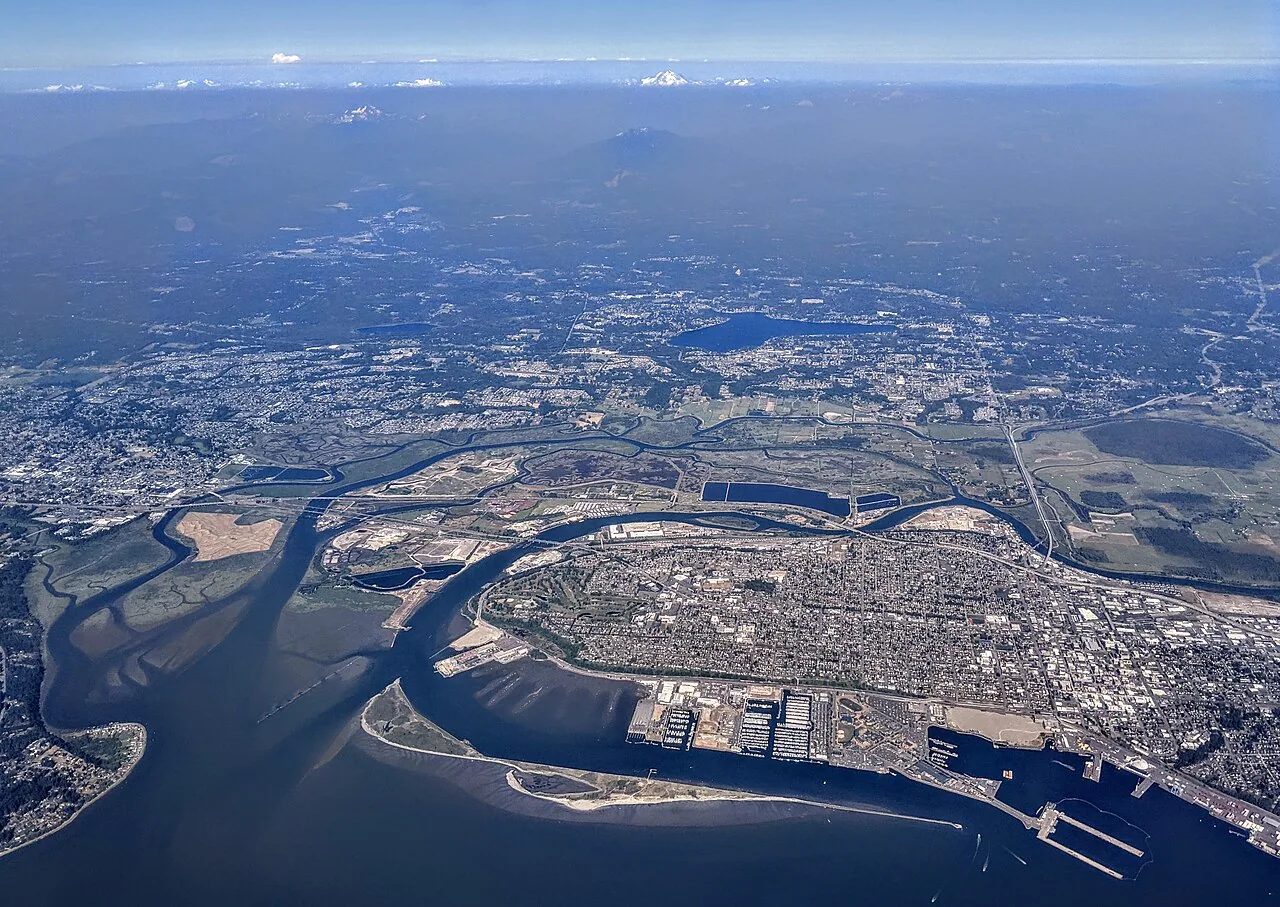
A roof reserve should come from observed condition and a defined scope, not an age estimate copied into a spreadsheet. We inspect the roof system, drainage, seams, penetrations, and accessible insulation, then identify what is confirmed and what still needs testing. Everett owners manage properties across Metro Everett's commercial core, Port Gardner's maritime area, and Paine Field's aviation cluster. Their operating needs and assemblies differ. A commercial inspection provides field evidence; asset management keeps it traceable as budgets and maintenance plans change.
Separate urgent repair from capital replacement
Begin by sorting active leaks, safety or access issues, maintenance items, and longer-range renewal candidates. A confirmed open seam or failed drain detail may justify immediate repair even when the rest of the roof remains serviceable. A widespread moisture finding or recurring failures across several zones may support a broader project. The capital file should show the roof area evaluated, test locations, and any condition that remains unknown.
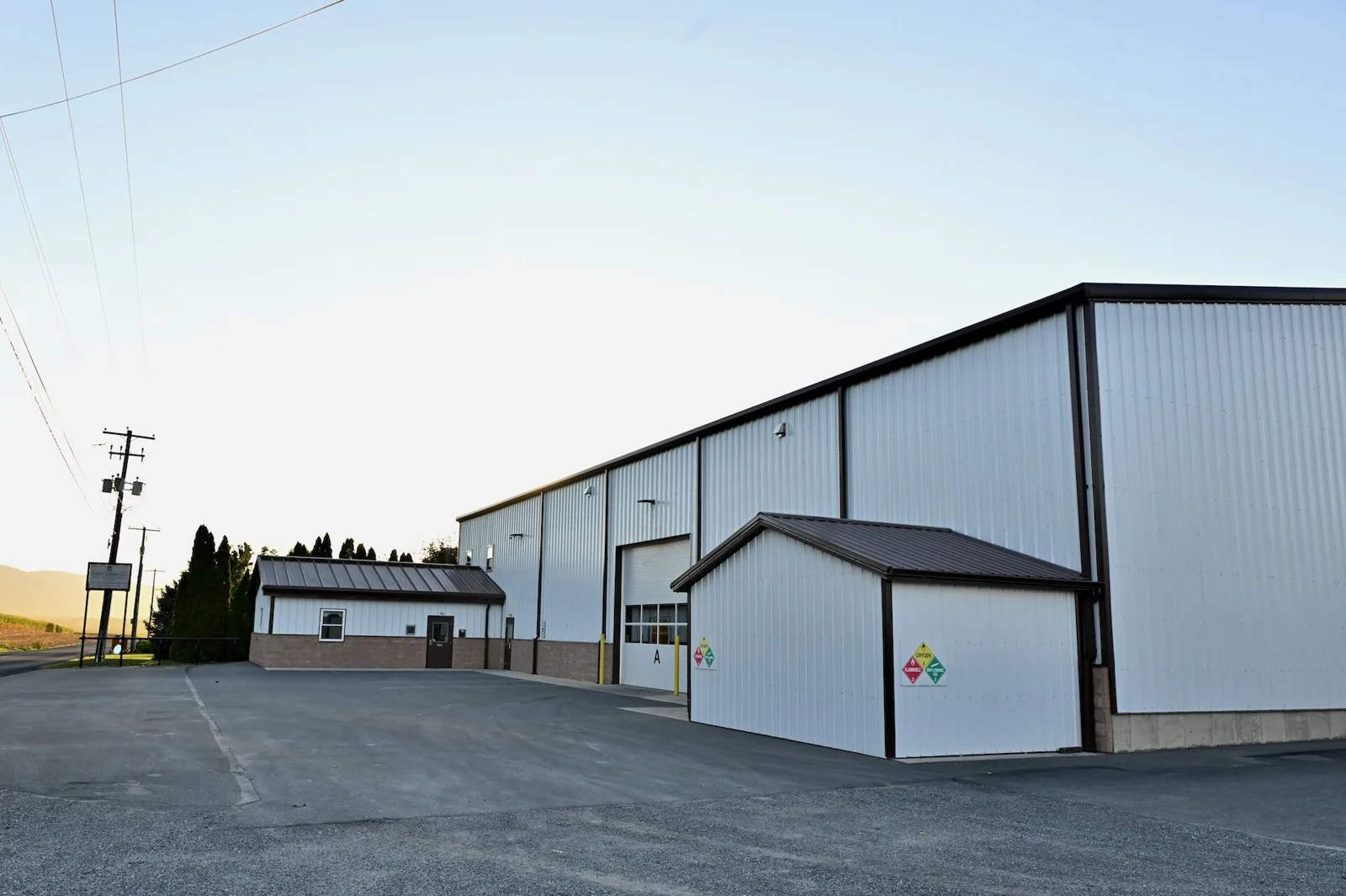
Everett's industrial land includes marine terminal, rail yard, aerospace, warehousing, and manufacturing properties. Those uses can influence operating windows and staging costs, but they do not determine a roof's remaining service life. We identify access, crane needs, phasing, and protected operations as cost and timing factors alongside material removal and substrate work. Manufacturing roof planning may require coordination around equipment and production; warehouse scopes may need high-bay protection and loading access.
Use testing to tighten an estimate boundary
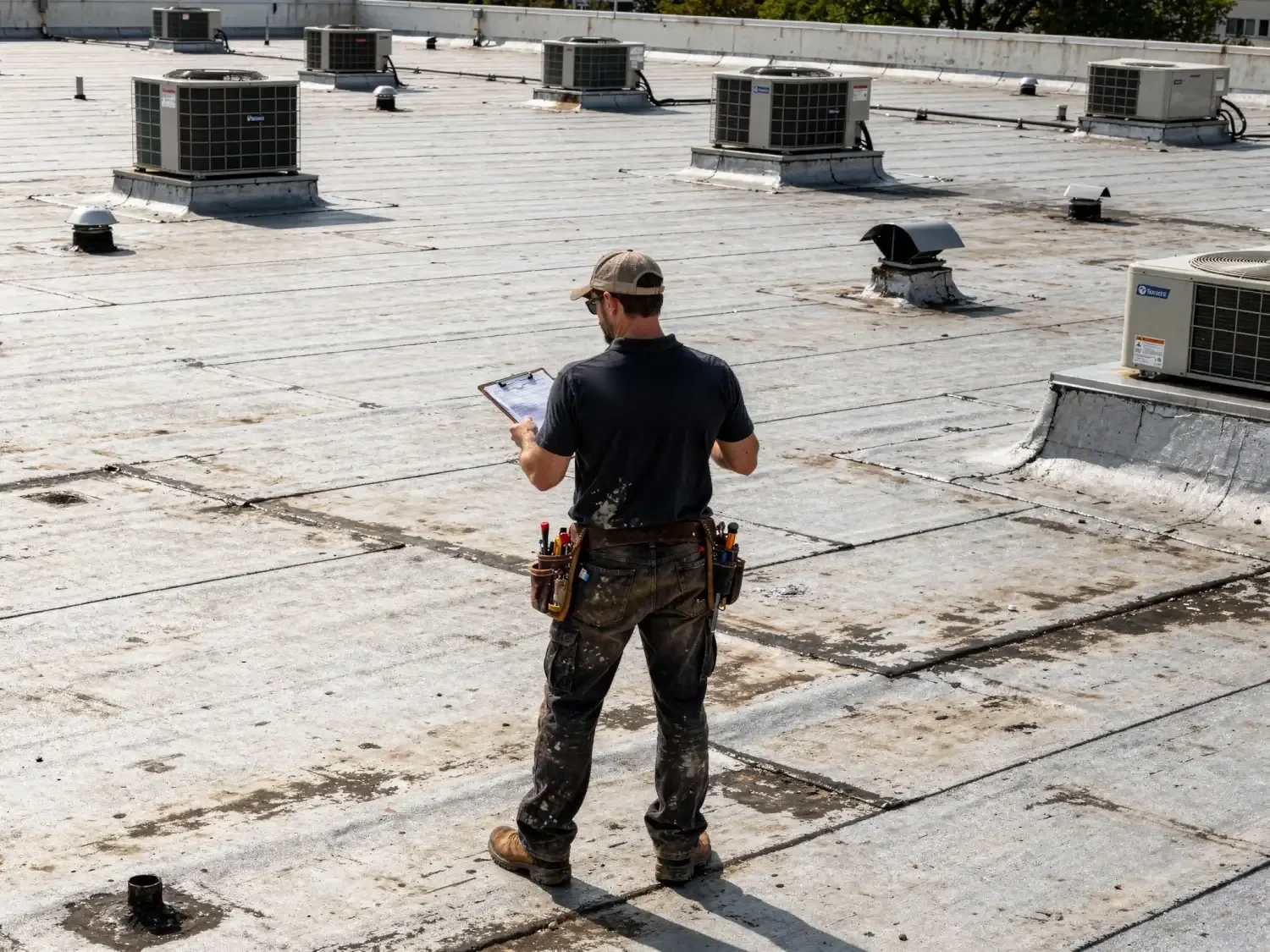
Moisture testing matters when concealed conditions could change the project from a repair to selective tear-off or full replacement. A roof plan should show sample points and the layers found at each one. If one sample is wet, define whether it represents an isolated curb, a continuous drainage zone, or only the tested opening. Avoid multiplying a single result across the roof without evidence.
Infrared readings can help target samples under suitable conditions but do not confirm wet insulation on their own. A moisture survey may reduce blind openings. The estimate should state whether test cuts, laboratory work, deck repairs, or interior protection are included. If additional testing is declined, list the assumption and the unit price or approval process for a changed condition. That allows finance staff to see why a budget range is wider and what information could narrow it.
Compare repair, recover, and replacement options
Each capital alternative should use the same roof boundary and show its own work. A repair may restore limited failures while leaving known maintenance items. A recover may be possible only when the existing assembly and substrate meet the applicable design and code requirements. Replacement can expose the deck and permit correction of concealed conditions, but it can also involve more demolition, protection, and operational disruption. The decision should compare scope, access, test results, and expected maintenance without inventing a service-life number.
Washington adopts the 2021 International Building Code through Chapter 51-50 WAC and the commercial energy code through Chapter 51-11C WAC. Project designers and permitting staff verify the current requirements that apply to the proposed work. A replacement evaluation can map assemblies and tie-ins; metal retrofit review is relevant where the existing roof and structural conditions support it. Those are alternatives, not interchangeable allowances. A code-driven change can affect insulation, roof height at edges, drainage elevations, and transitions to adjacent walls or equipment. The capital schedule should allow for design review and permitting where the planned scope requires them. Retain the governing drawings and approved details with the final record so a future repair does not assume a different assembly. When a project is already in procurement, confirm whether the bid set or code basis changed before comparing revised proposals or seeking approvals from ownership before work proceeds to mobilization.
Fit project timing to Everett wet-season window
Everett's 40.25-inch annual precipitation normal concentrates more rain in late fall and winter. A capital schedule should account for substrate moisture, temporary dry-in, daily closure, and material installation limits. Occasional freezing nights can affect adhesives and surface preparation. The climate record helps plan windows; the forecast and actual roof condition determine whether work can proceed on a given shift.
For an operating warehouse near the Southwest Everett Industrial Center, a phased sequence may keep loading areas available. A public or office building in Metro Everett may need pedestrian protection and tenant notices. We document the route, staging, crane or lift requirement, and any interruption so the owner can compare the operating consequence of each option. A proposal that omits closure and protection can understate both cost and schedule.
Build a budget with explicit assumptions
State which drawings and tests the estimate relies on, what is included in the base scope, what remains an allowance, and who can approve changes. Separate unit costs for concealed deck or insulation conditions from a known repair quantity. Identify disposal, access equipment, weather protection, edge details, drains, equipment curbs, and warranty closeout so reviewers can compare bids on the same terms. Note whether the existing assembly has one membrane layer or an older recover, whether tear-off reaches the deck, and how the contractor will verify substrate condition. If work is phased, describe mobilization, temporary tie-ins, and the work area available at each stage. A budget can then distinguish material cost from operational constraints such as crane access, tenant protection, or a limited shutdown. Where pricing depends on testing, list the sample count and approval path before bid award. These details help the owner compare proposals by the same scope rather than selecting the lowest number with hidden exclusions.
For multiple properties, a portfolio program can coordinate inspection timing and record updates. Owner reporting can summarize the capital queue, but each line item needs a building-specific roof map and evidence. If a storm claim or restoration project is involved, keep that review separate from routine capital needs. We provide the roof observations and scope assumptions; the owner selects funding, procurement, and timing.
Reconcile actual work with the capital record
After a project, update the assembly, photos, material submittals, tests, warranties, and deferred conditions. Record which budget assumption changed and why. If a repair deferred replacement, note the affected zone and the next inspection trigger. If replacement uncovered a different deck or insulation condition, retain the change documentation alongside the finished scope.
Provide the current roof plan, maintenance history, leak reports, prior proposals, access rules, and target budget year before a capital review. We will verify field conditions, define tests that could reduce uncertainty, and compare repair and renewal boundaries. Metro Everett, Port Gardner, and the Paine Field area show the range of properties in the local market, but no area label determines a roof's condition. A capital plan should remain tied to the building and its evidence.
Commercial Roofing Questions
Can roof age alone set a replacement year?
Age is one record, not a condition finding. Assembly, repairs, moisture, access, and testing affect the recommendation.
What testing can change a roof budget?
Samples that confirm wet insulation, deck damage, or an assembly transition can change quantities and scope. Show the test locations and limits.
Should repair and replacement be priced together?
They can be compared as separate alternatives when they use the same roof boundary and disclose different assumptions and work.
Do code requirements affect a recover project?
They may. The project designer and permitting team should verify current code requirements for the proposed assembly and scope.
What should be included in a capital estimate?
Show access, protection, demolition, drainage, flashing, equipment interfaces, testing, closure, allowances, and approval rules.
Questions Owners Ask
Can roof age alone set a replacement year?
Age is one record, not a condition finding. Assembly, repairs, moisture, access, and testing affect the recommendation.
What testing can change a roof budget?
Samples that confirm wet insulation, deck damage, or an assembly transition can change quantities and scope. Show the test locations and limits.
Should repair and replacement be priced together?
They can be compared as separate alternatives when they use the same roof boundary and disclose different assumptions and work.
Do code requirements affect a recover project?
They may. The project designer and permitting team should verify current code requirements for the proposed assembly and scope.
What should be included in a capital estimate?
Show access, protection, demolition, drainage, flashing, equipment interfaces, testing, closure, allowances, and approval rules.
Set the capital scope from verified roof conditions
Schedule an Everett capital-planning inspection. We will document the roof, define testing limits, and compare practical repair and renewal options.
Related Roofing Work
- Commercial Roof Inspection
- Commercial Roof Asset Management
- Manufacturing Plant Roofing
- Warehouse Roofing
- Infrared Moisture Survey
- Commercial Roof Replacement
- Southwest Everett Industrial Center
- Multi-Site Commercial Roof Programs
Browse every page in Roofing Capabilities, or request a roof assessment and we will walk the roof with you.
Questions about this roof? Call 555-555-5555.