Commercial Roof Repair, Replacement & Maintenance
Commercial Roofing in Mukilteo, WA
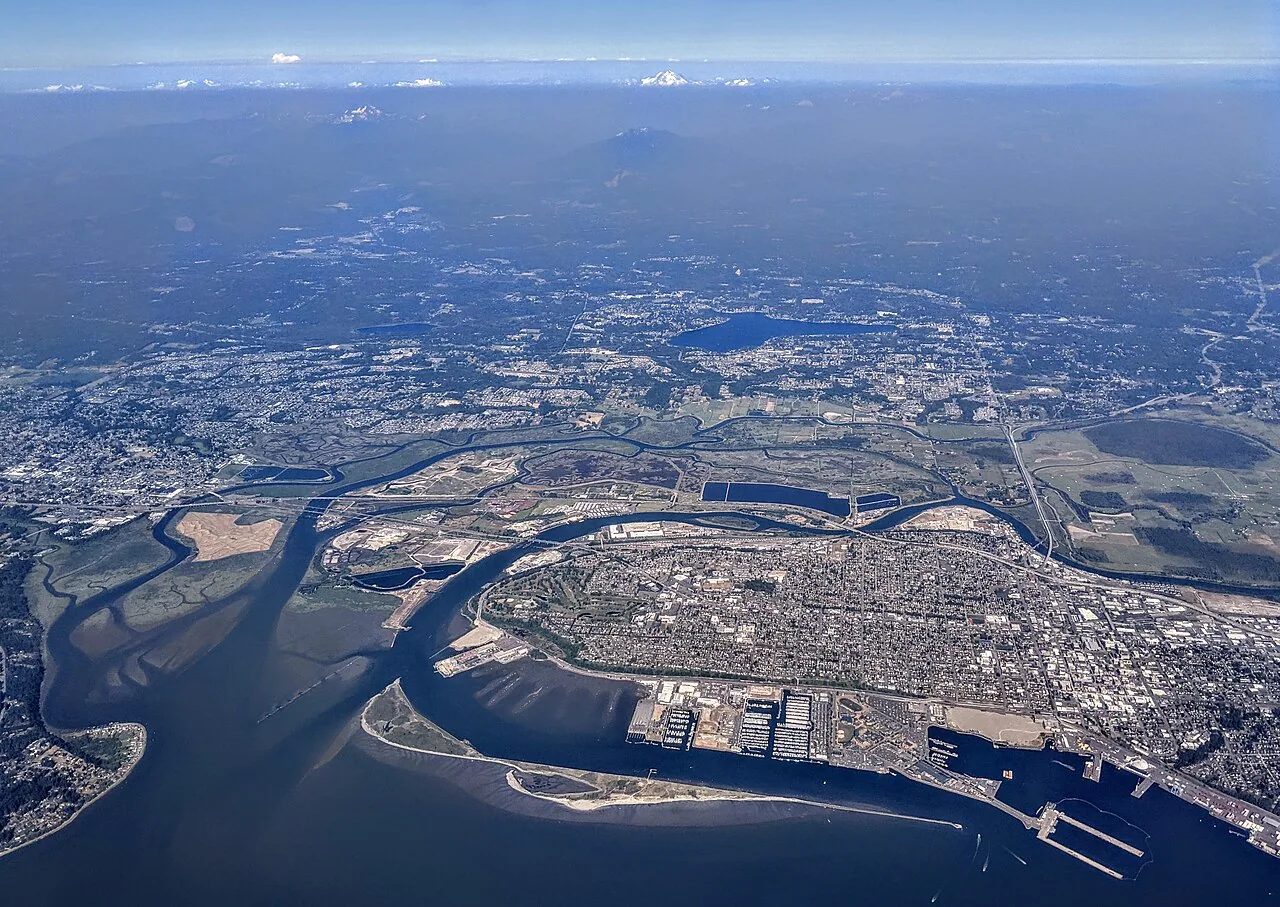
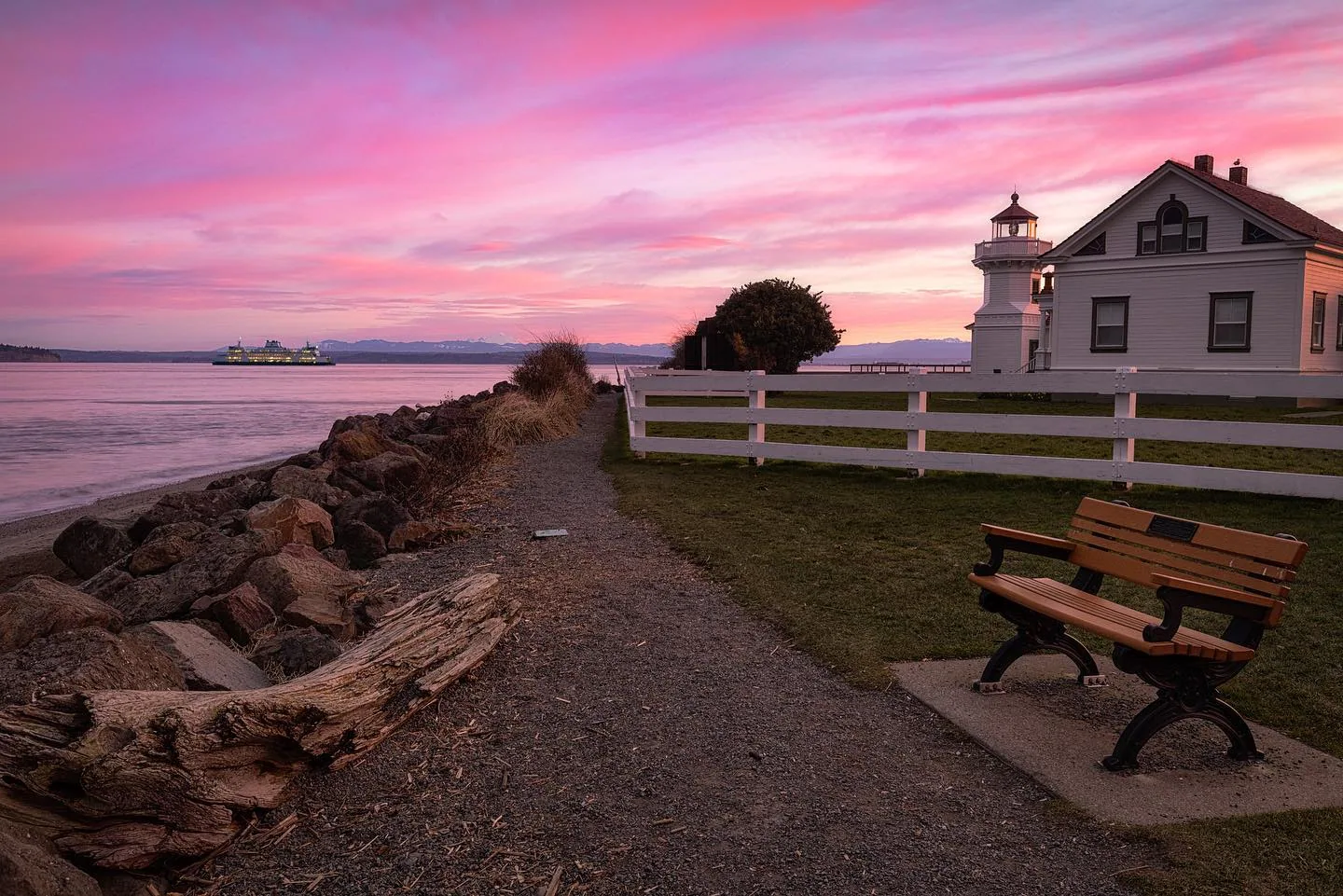
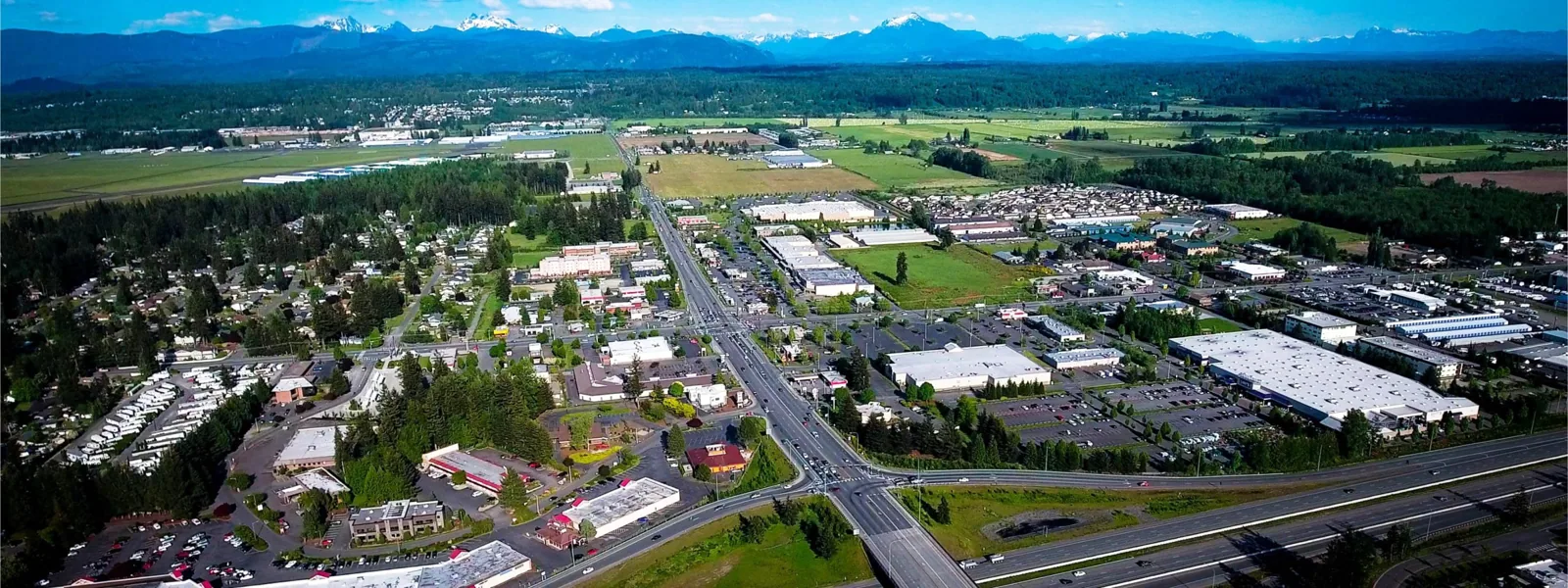
Mukilteo shares an employment area with Everett around Paine Field, where aerospace, aviation, aircraft maintenance, electronics, and hangar operations sit alongside city businesses. Those uses put access control, equipment protection, and work timing into the roof conversation, but each property still needs its own inspection. We document the assembly, find the reported water path, and identify which details need repair or testing. For city businesses outside the airport area, the same discipline applies to storefront, office, and service buildings. A commercial roof inspection gives a Mukilteo owner a clear basis for choosing the next step.
Everett averages about 40.25 inches of precipitation annually, with late fall and winter bringing the wettest months. When a repair exposes insulation or deck, protect the opening and maintain a path to the drains before weather arrives. Start with the site contact, confirm roof access and any escort or badging requirements, then map the roof in zones the owner can recognize. Keep the city, airport-area, and individual building conditions separate in the record. A regional portfolio can share a process, not an assumed assembly.
Map access before following the leak
At a reported leak, record the interior location, first date, recurrence, weather, and activity above the affected room. Then inspect the roof zone without assuming the nearest penetration caused the stain. Water can move under a membrane or along the deck before it reaches the ceiling. Trace seams, parapet transitions, equipment curbs, drains, overflow routes, and wall terminations uphill from the evidence. Use photographs and a marked plan to show where each observation was made. If production or aviation activity limits access, list the areas not reached and the approval needed for a return visit.
On an aviation or hangar property, identify operating windows, sensitive equipment, exhaust routes, fragile surfaces, and emergency paths before bringing tools onto the roof. Confirm where a lift or material staging can sit and who escorts the crew. An infrared scan can indicate a temperature pattern worth testing, but it is not a moisture boundary by itself. Pair readings with probes or a controlled opening where authorized, then label confirmed wet insulation separately from suspected areas. A targeted moisture survey can answer whether a larger repair zone is justified; the owner should see the question, method, and limits in the report.
Protect the drainage plane during wet months
Rain tests every interruption in the drainage plane. A seam termination, loose counterflashing, open fastener, or blocked outlet can admit water or hold it against a detail. Check the drain bowl, clamping ring, strainer, overflow, and surrounding membrane as separate components. Look for debris pushed into corners and for patched areas that bridge rather than resolve a transition. When a ceiling symptom returns after a dry interval, compare the dates and weather with the roof-zone map before opening another location. Everett's wet-season schedule makes daily dry-in decisions part of the scope, especially when work proceeds in small sections.
Hangars and maintenance buildings may have wide open interior spans, specialized equipment, or operations that cannot stop for a long inspection. Coordinate a safe interior look and exterior access with the person responsible for the facility. If the roof includes metal panels, inspect laps, fasteners, end laps, and penetrations for movement or sealant failure. Membrane roofs call for attention to seams, corners, and curb flashings. Do not assume roof type from the occupancy. A drain and overflow review can stand as its own work item, while wind-related edge repair should identify the affected perimeter and attachment details.
Compare options by assembly and access
A repair can stay local when the defect is clear and adjacent materials remain sound. The written scope should name the roof zone, remove unsound material, prepare the surface, install compatible materials, tie into the existing assembly, and state how the finished detail will be checked. If wet insulation or deck damage may extend beyond the opening, define who approves added removal and how that quantity is measured. A temporary dry-in needs a location, limit, inspection date, and permanent follow-up. For a full renewal, compare tear-off and recovery assumptions, deck work, insulation, membrane, edge metal, drains, curbs, penetrations, staging, disposal, and closeout.
Material choice follows the roof that is there and the facility's requirements. TPO, PVC, EPDM, modified bitumen, built-up roofing, and metal systems use different seams, attachment methods, and transition details. Confirm substrate, slope, wind design, equipment loads, and any required fire or energy provisions before pricing an alternative. A coating is a candidate only when the existing surface and moisture conditions support it. The proposal should spell out exclusions and a process for concealed conditions instead of hiding those risks in a broad allowance. A replacement assessment can compare complete assembly scopes, while metal roof details deserve review on a panel-by-panel basis.
Set a work window the facility can support
Mukilteo's business resources include local licensing, permitting, and bidding; when work touches city review, identify those steps early and include them in the schedule. For a Paine Field-area property, build in the facility's own access controls and operating windows. Confirm who can authorize roof access, whether an escort is required, where workers may stage, and how the space below will remain protected. A small leak repair may need a short shutdown or interior containment even when the roof work takes only part of a day. For phased work, identify the daily stopping point and the person who checks temporary protection before the crew leaves.
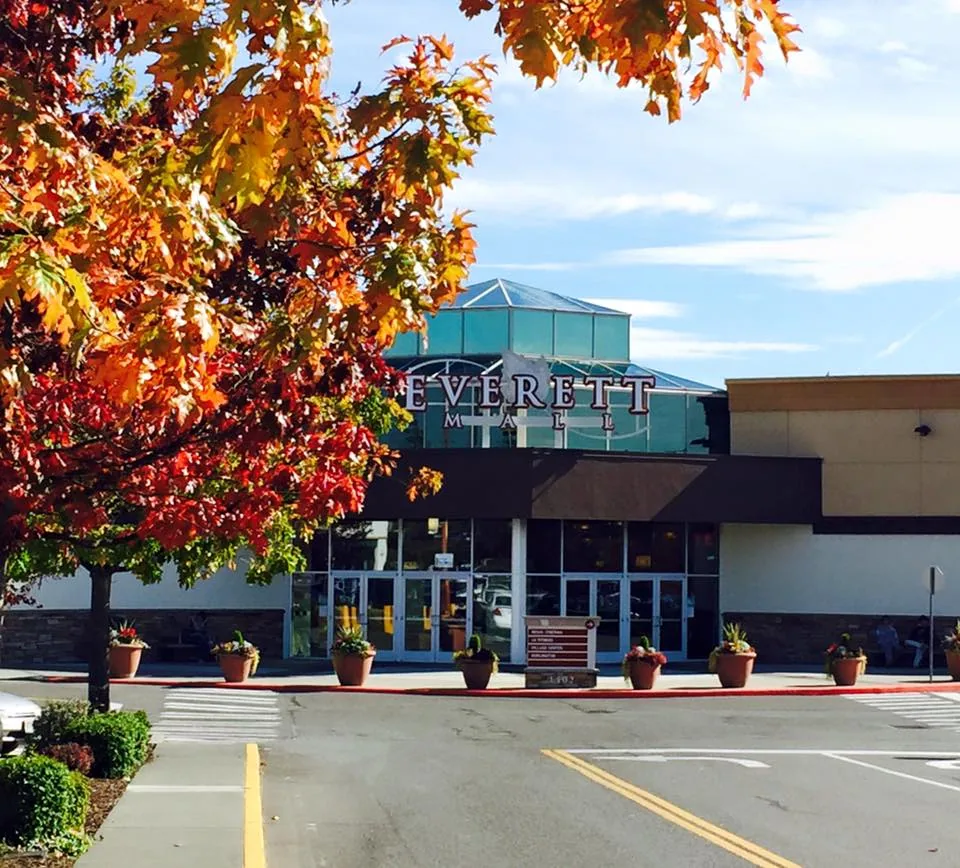
Cost changes with access, height, roof edges, number of penetrations, wet material removal, deck repairs, material handling, and interruption limits. A bid should show the quantities behind each option so an owner can compare proposals on equal scope. If an occupied hangar or workshop must stay operational, divide work into marked zones and define how the crew hands each area back. Everett's late-fall and winter rain raises the importance of weather sequencing and secure dry-in, while actual surface and substrate conditions govern adhesives and coatings. occupied-property phasing and Everett Mall-area inspections can be planned as separate scopes with different response and documentation needs.
Keep the next visit tied to the evidence
At closeout, give the facility manager a marked roof plan, dated photos, installed materials, test results, and a list of areas not inspected. Note any temporary measure and its return date. If the work found no confirmed opening, say what was checked and what test could narrow the search next. Keep permit documents, submittals, and warranty terms with the record for the assembly they cover. That file helps a later manager distinguish a completed repair from an unresolved observation and prevents another crew from repeating the same discovery.
Mukilteo's city business resources and its connection to the Paine Field employment area support a broad service territory, from local commercial properties to aviation-related buildings. The site's own access and roof condition control the recommendation. We can inspect, trace a leak, test suspected moisture, or compare repair and replacement quantities without assuming one path fits every facility. Schedule a roof visit that records the water path, access limits, and repair boundary before approving work. For another property in the same portfolio, Everett industrial-area coverage can keep its separate findings in the regional maintenance conversation.
Commercial Roofing Questions
What access details should be ready for an aviation-area inspection?
Identify the site contact, escort or badge process, roof entry, operating windows, restricted zones, and any sensitive equipment or interior areas.
Can a roof leak be found without opening the assembly?
Sometimes. We begin with interior and roof evidence; where concealed moisture remains uncertain, a scan or selective test opening can answer a specific question.
How do you separate a temporary patch from permanent work?
The report marks the temporary location, its limits, and a follow-up date. The permanent scope names the failed detail, compatible materials, and completion check.
Does an aircraft hangar automatically need a metal roof?
No. We identify the actual assembly and structure before comparing metal, membrane, or other options against the facility requirements.
What belongs in a replacement comparison?
Compare removal or recovery, substrate work, insulation, membrane or panels, edges, drains, penetrations, staging, disposal, and concealed-condition allowances.
Questions Owners Ask
What access details should be ready for an aviation-area inspection?
Identify the site contact, escort or badge process, roof entry, operating windows, restricted zones, and any sensitive equipment or interior areas.
Can a roof leak be found without opening the assembly?
Sometimes. We begin with interior and roof evidence; where concealed moisture remains uncertain, a scan or selective test opening can answer a specific question.
How do you separate a temporary patch from permanent work?
The report marks the temporary location, its limits, and a follow-up date. The permanent scope names the failed detail, compatible materials, and completion check.
Does an aircraft hangar automatically need a metal roof?
No. We identify the actual assembly and structure before comparing metal, membrane, or other options against the facility requirements.
What belongs in a replacement comparison?
Compare removal or recovery, substrate work, insulation, membrane or panels, edges, drains, penetrations, staging, disposal, and concealed-condition allowances.
Schedule a Mukilteo roof inspection
Record the assembly, water path, access limits, and repair choices before work begins.
Related Roofing Work
- Commercial Roof Inspection
- Infrared Moisture Survey
- Commercial Roof Drains and Scuppers
- Wind Damage Roof Repair
- Commercial Roof Replacement
- Standing Seam Metal Roofing
- Occupied Building Reroofing
- Everett Mall Area
Browse every page in Service Areas, or request a roof assessment and we will walk the roof with you.
Questions about this roof? Call 555-555-5555.