
Commercial Roof Repair, Replacement & Maintenance
Spray Polyurethane Foam Roofing in Everett, WA
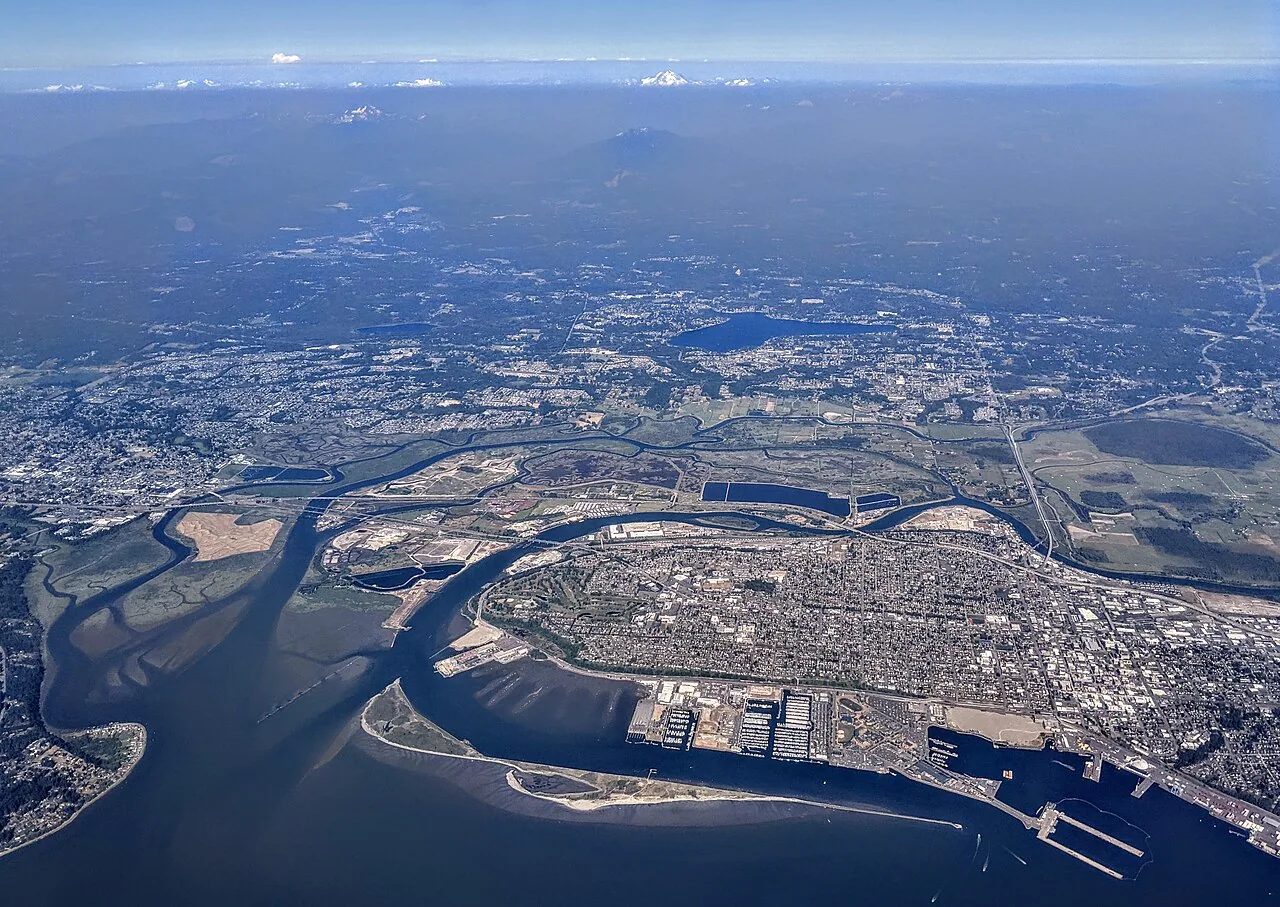
A puncture through the protective coating of a spray polyurethane foam roof exposes the foam to water and can let moisture travel beyond the visible spot. SPF forms a continuous insulation and waterproofing layer when it is properly applied, but the foam needs a protective coating or surfacing that remains intact and maintained. We inspect the coating, foam condition, drainage, transitions, and prior repairs before choosing patch, recoat, or replacement. Everett's annual precipitation normal is 40.25 inches, with late fall and winter carrying the largest monthly totals, so exposed foam and ponding areas need attention before repeated wetting. Port facilities, aerospace buildings, Paine Field hangars, and Metro Everett commercial properties have different access and operating needs. The installed assembly and site conditions determine the work. A roof inspection can map the surface and details; a coating evaluation can determine whether the existing foam and coating are eligible for restoration.
Inspect coating continuity and foam condition
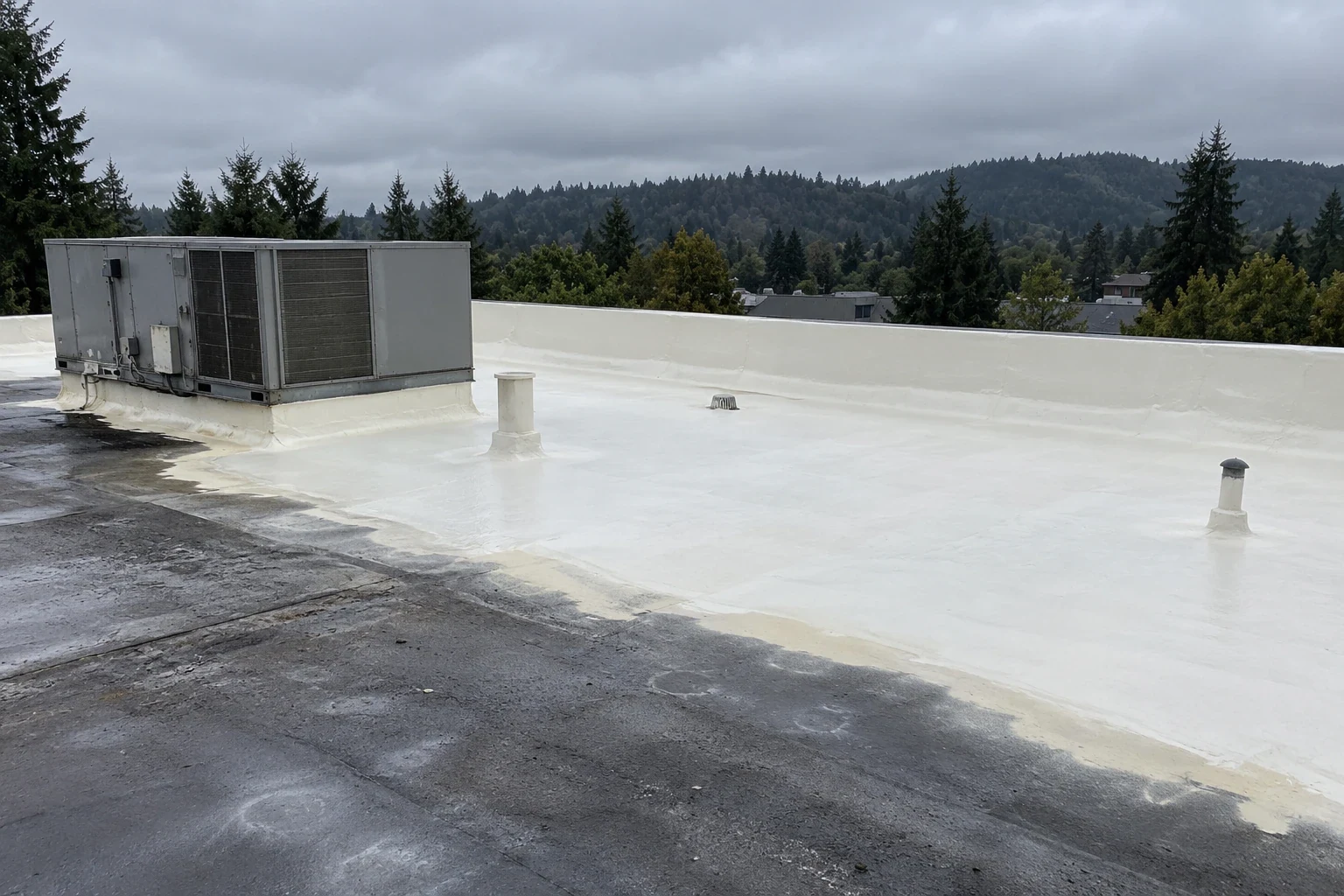
We look for pinholes, cracks, blisters, erosion, exposed foam, soft areas, and coating that has separated from the substrate. The coating protects the foam from ultraviolet exposure and weather, so its thickness and continuity affect serviceability. A surface that appears chalky may need testing; a dark spot could be dirt, ponding, or exposed foam. We identify the condition through field inspection and record the roof zone rather than using color alone as a diagnosis. The survey checks whether foam remains adhered to its substrate, whether water has softened it, and whether a cut edge is open to moisture. If an older coating has several layers, we note their bond and compatibility before deciding whether all material can remain.
If foam is wet or friable, a simple recoat can seal the evidence without repairing the assembly. We map damaged areas, probe only where appropriate, and define the cutback needed to reach stable foam. Where hidden moisture is suspected, targeted testing can inform the boundary. The report distinguishes coating wear from foam damage and states any area that could not be verified.
Follow water across the shaped surface
SPF can be sprayed to form slope, but later damage, settlement, blocked drains, or added equipment may change how water moves. We inspect low points, drains, scuppers, crickets, valleys, curbs, and edge transitions for retained water and coating erosion. A blocked outlet differs from a foam contour that directs water away from the drain. We map the water pattern and evaluate the surface where runoff concentrates. We also check whether accumulated debris abrades the coating or whether service traffic has compressed foam at the low point. These observations help separate routine outlet maintenance from rebuilding the shaped layer. If the drainage path changed after equipment work, we record the new obstruction and identify which detail must be reset.
Everett's wet winter period makes drainage checks useful before the heaviest monthly precipitation. We note how long water appears to remain, any coating degradation around the low point, and whether the outlet connection is open. A drainage inspection can focus on outlet and flashing details; an assessment of ponding can examine slope and assembly conditions beyond routine cleaning.
Check penetrations and transitions
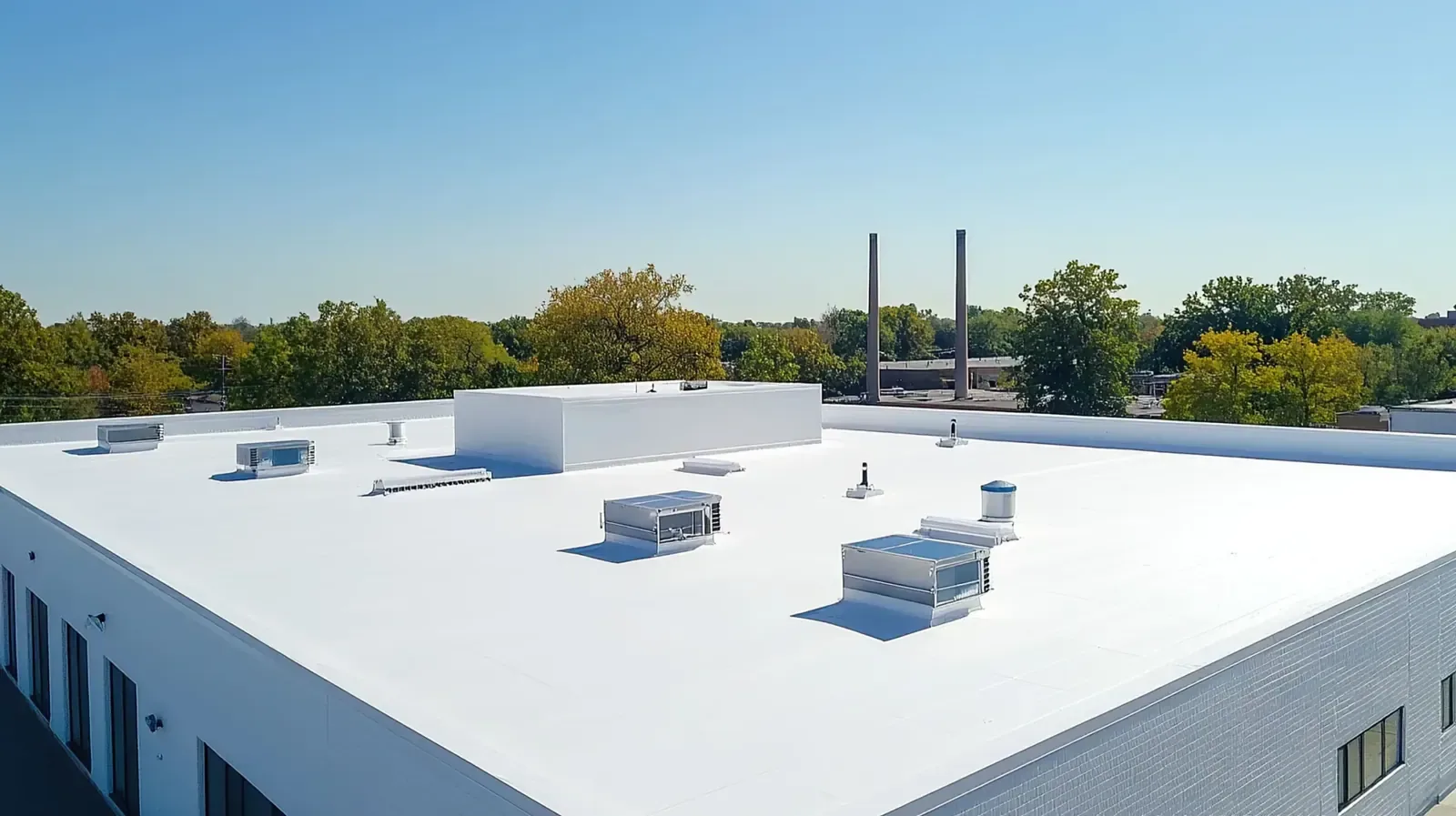
Curbs, pipes, skylights, parapets, drains, and metal edges interrupt a sprayed foam field. We inspect whether foam meets the detail continuously and whether the coating has reinforced corners and terminations. A brittle coating bridge over a moving joint can crack, while an unsealed conduit or equipment base can admit water. The repair may need to remove damaged foam, reshape the transition, and apply compatible reinforcement before protective coating.
At industrial roofs near the Port or aviation facilities around Paine Field, equipment routes and service access can add wear to the protective layer. We confirm where staff walk, what tools or equipment contact the roof, and whether the detail can be protected during future service. A curb inspection can coordinate roof and mechanical interfaces, while a penetration review can address a frame or pipe detail.
Prepare a recoat only on a sound base
Before recoating, the surface must be cleaned, dry, compatible, and bonded. Loose coating is removed, damaged foam is cut back to stable material, and repairs are shaped to restore the drainage plane. The proposed coating system should be checked for adhesion and compatibility with the existing material. Coating over dirt, wet foam, or an open transition can preserve a failure beneath the new layer.
We document preparation, primer where required, reinforcing fabric at details, and application limits. Recoat timing depends on weather, surface temperature, moisture, and product cure requirements. Everett's wet season can shorten the workable window, so the crew plans staged areas and protects unfinished edges. If conditions change, the scope records what remains open and how it is secured until return. Spray application also requires control of wind, overspray, masking, ventilation, and nearby vehicles or equipment. We confirm that the work boundary protects intakes, finished surfaces, adjacent tenants, and stored materials before mixing begins. Foam thickness and surface profile are checked as the application proceeds so a thin or uneven area is corrected before the protective coating is applied.
Choose between repair, recoat, and renewal
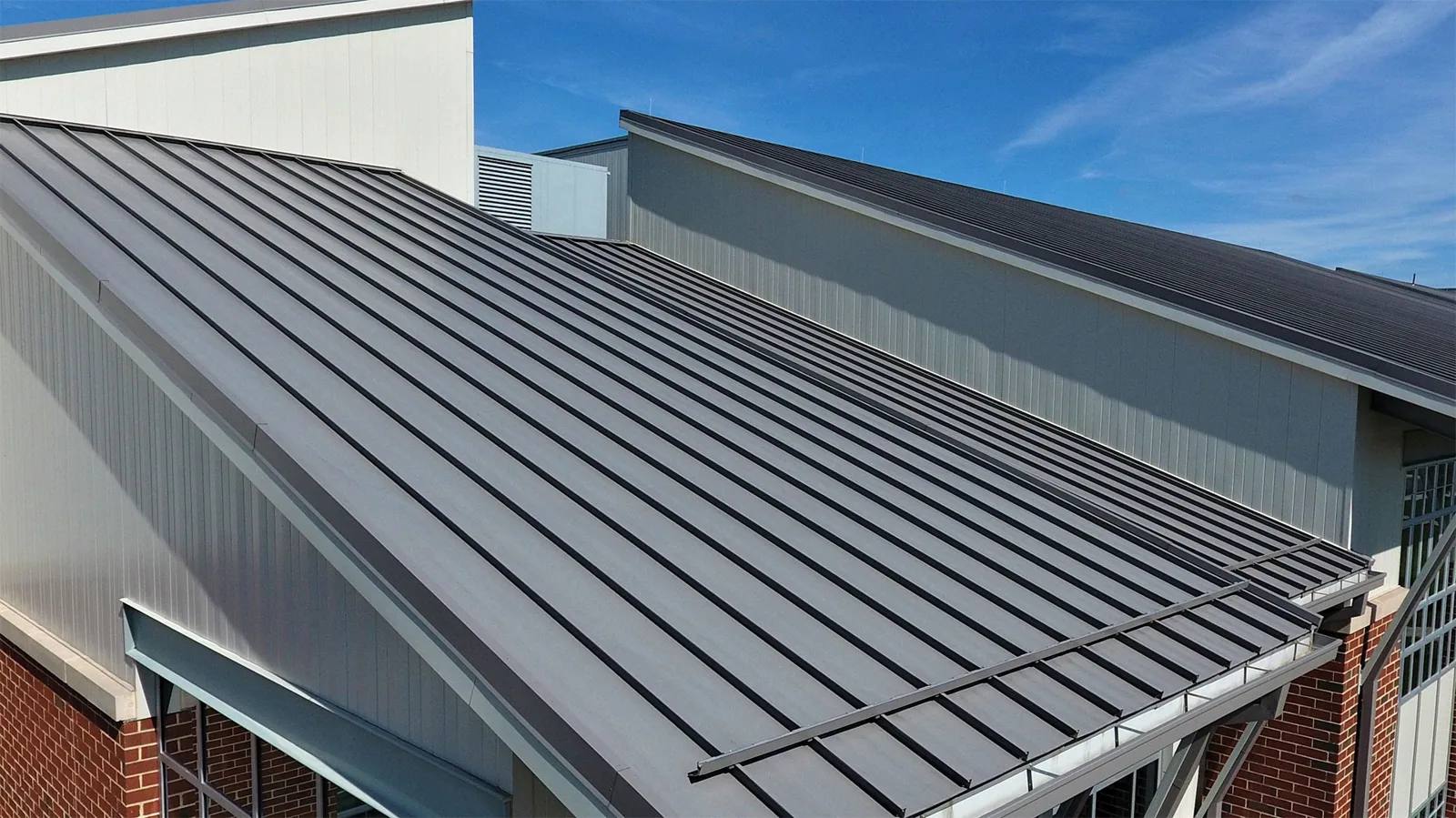
An isolated puncture with dry, stable foam may need a local patch and protective coating. Broad erosion, widespread wet foam, repeated delamination, or an unstable substrate can call for larger removal or a new roof system. We define the boundary through observations and tests, then explain what supports each option. A new coating does not correct failed drainage or a wet foam layer.
Owners can compare localized repair with a replacement plan only when the broader condition supports it. A silicone coating or acrylic coating has different water exposure and recoat characteristics that need to match the roof and product documentation. The coating choice follows substrate, drainage, and service conditions.
Preserve the spray-foam roof history
Closeout identifies the foam condition, protective coating, preparation, repaired details, application window, and any area excluded from recoat. Photos show exposed foam before covering and the completed transition. We record the test results and the moisture boundary, if verified, so future work does not mistake a new surface for an entirely renewed assembly.
For facilities near the Everett industrial waterfront or Paine Field, access and rooftop service routes can affect coating wear. Metro Everett offices and mixed-use buildings may require tenant coordination and limited staging. A condition report can tie each observation to a zone and date. Schedule an SPF evaluation with coating history, leak records, and any previous moisture test so the proposed repair protects sound foam and removes damaged areas where necessary.
Commercial Roofing Questions
Can SPF be recoated without removing the existing coating?
Only if the coating is bonded, compatible, and applied over sound foam. Loose, wet, or damaged areas need preparation and repair before another layer is considered.
What does exposed foam indicate?
The protective coating has been breached. We check how far damage extends, whether moisture reached the foam, and what repair restores the protective layer.
Can a coating fix ponding on an SPF roof?
A coating protects a suitable surface but does not change the foam contour or clear an outlet. Drainage cause and low-point condition need evaluation.
How do you identify wet foam?
We use visual evidence and suitable targeted tests, then verify selected areas when the repair boundary depends on moisture. The report separates suspected from confirmed material.
When should SPF be replaced instead of recoated?
Widespread wet or friable foam, unstable substrate, repeated delamination, or broad drainage failure can move the scope beyond recoat. Testing and mapping support that choice.
Questions Owners Ask
Can SPF be recoated without removing the existing coating?
Only if the coating is bonded, compatible, and applied over sound foam. Loose, wet, or damaged areas need preparation and repair before another layer is considered.
What does exposed foam indicate?
The protective coating has been breached. We check how far damage extends, whether moisture reached the foam, and what repair restores the protective layer.
Can a coating fix ponding on an SPF roof?
A coating protects a suitable surface but does not change the foam contour or clear an outlet. Drainage cause and low-point condition need evaluation.
How do you identify wet foam?
We use visual evidence and suitable targeted tests, then verify selected areas when the repair boundary depends on moisture. The report separates suspected from confirmed material.
When should SPF be replaced instead of recoated?
Widespread wet or friable foam, unstable substrate, repeated delamination, or broad drainage failure can move the scope beyond recoat. Testing and mapping support that choice.
Verify the foam before recoating
Schedule an Everett SPF roof evaluation. We will map coating wear, foam condition, drainage, moisture concerns, and the boundary for repair or restoration.
Related Roofing Work
- Commercial Roof Inspection
- Commercial Roof Coating Restoration
- Commercial Roof Repair
- Commercial Roof Replacement
- Silicone Roof Coatings
- Acrylic Roof Coatings
- Everett Industrial Waterfront
Browse every page in Roof Systems, or request a roof assessment and we will walk the roof with you.
Questions about this roof? Call 555-555-5555.