
Commercial Roof Repair, Replacement & Maintenance
Acrylic Roof Coatings in Everett, WA
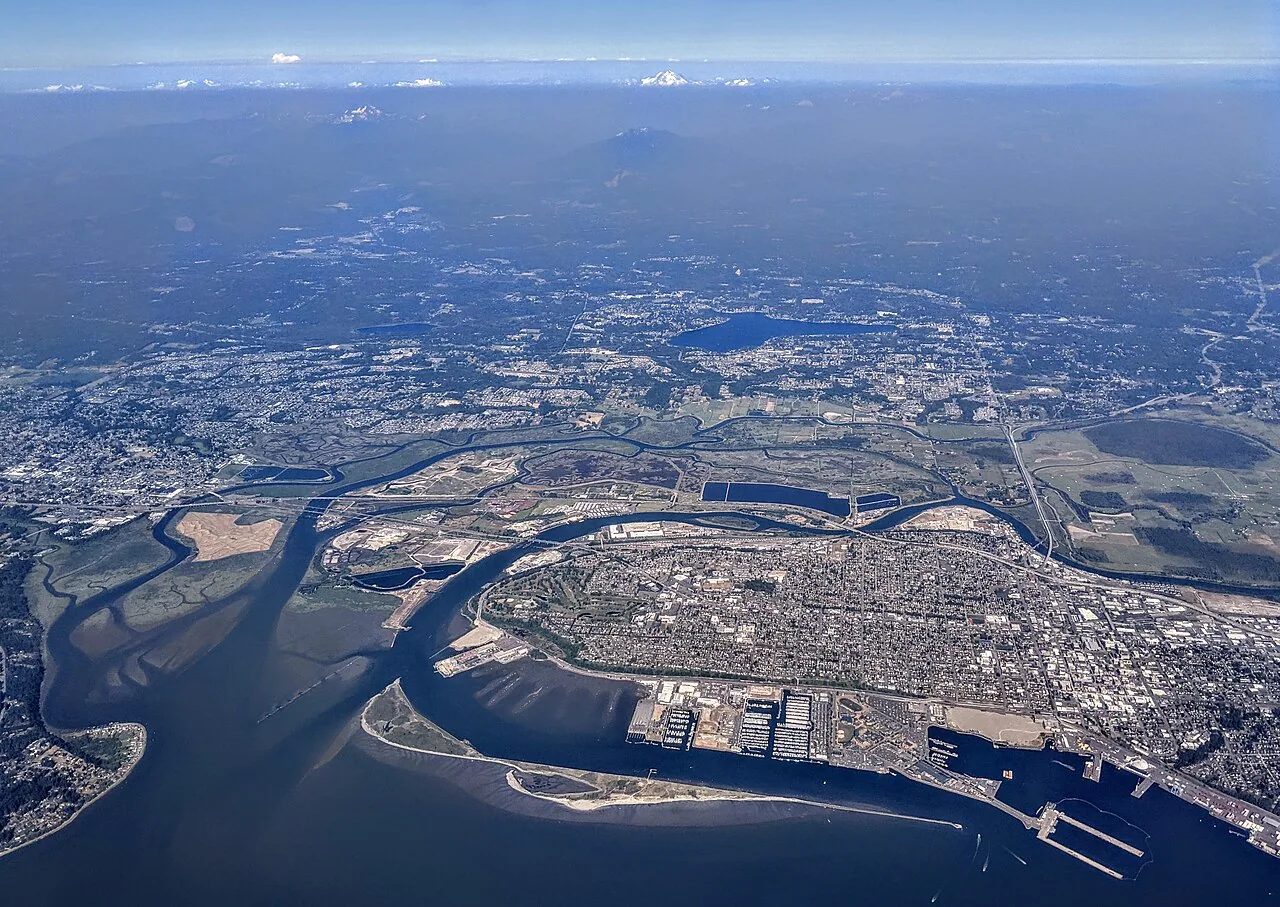
An acrylic coating can renew a compatible roof surface, but the application depends on a dry substrate, repaired seams, and enough weather window for each layer to cure. We inspect existing membrane, adhesion, moisture, drainage, and detail transitions before recommending restoration. Acrylic's water behavior differs from silicone, especially where water remains for extended periods, so the drainage pattern matters before product selection. Everett's annual precipitation normal is 40.25 inches, with the wettest months in November, January, and December. That seasonal pattern makes application timing and drainage review part of the scope. Port warehouses, Paine Field hangars, and Metro Everett commercial buildings each have different operating constraints, but the roof condition determines coating eligibility. For a baseline, request a roof inspection; if an existing layer needs renewal, a coating restoration review can evaluate preparation and compatible system options.
Confirm the substrate can accept a coating
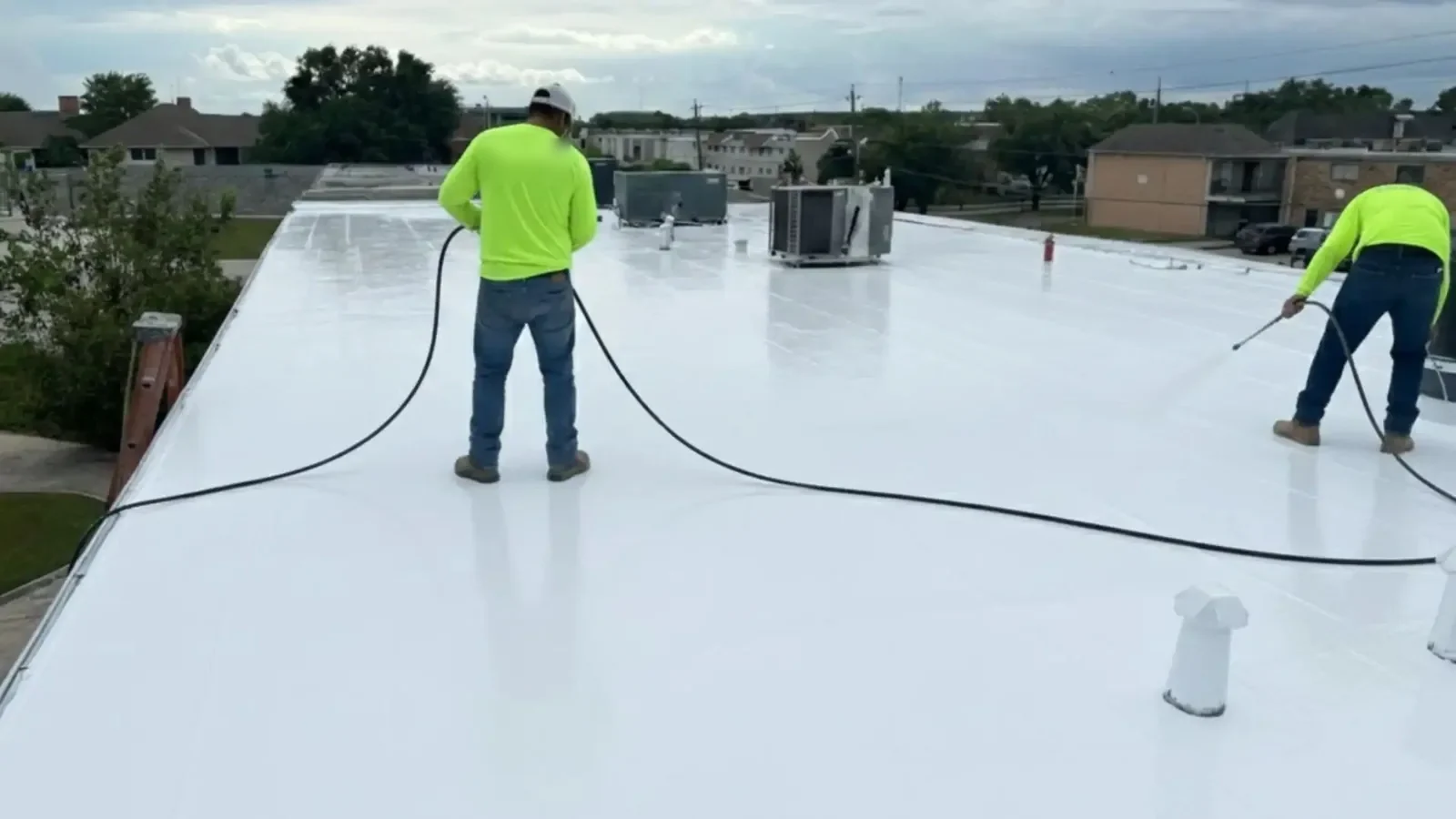
We inspect the membrane, previous coating, seams, insulation, attachment, and substrate before specifying acrylic. Loose material, wet insulation, active leaks, open joints, and unstable patches need correction before field coating. Adhesion testing may be needed where the existing surface has weathered or the prior product is unknown. The scope identifies the cleaning method, primer if required, and areas that need removal rather than concealment. We also define a small test area when the roof history leaves compatibility uncertain. That step lets the owner review adhesion and appearance before the crew commits to broader preparation. If the existing coating is chalking, brittle, or layered over earlier repairs, the bid should state whether removal, reinforcement, or a different restoration path is needed. A sound-looking surface alone does not establish that the assembly is dry or bonded.
Water below the membrane can remain after the visible roof appears dry. We compare leak history with stains, seams, drains, and prior repairs, then use targeted readings or openings where the boundary affects work. The record distinguishes confirmed moisture from conditions that need further verification. An infrared survey may help locate a test area when surface and weather conditions are suitable.
Evaluate runoff and water exposure
Acrylic coatings need a roof that drains as designed. We inspect outlets, low points, crickets, scuppers, parapets, and areas where water can remain. Ponding may result from debris, a blocked drain, slope, deck deflection, or a curb that redirects flow. Cleaning can restore an outlet, but coating does not create slope or correct a depressed surface. We map water patterns and repair defects at the edge before coating is applied.
Everett's wet season brings repeated rain and requires careful attention to unfinished coating edges. We identify ponding zones and note how long water remains after weather events where records are available. If a basin or outlet requires correction, a drainage inspection or ponding-water assessment can define the work separately. The coating recommendation follows that result.
Rebuild seams and penetrations first
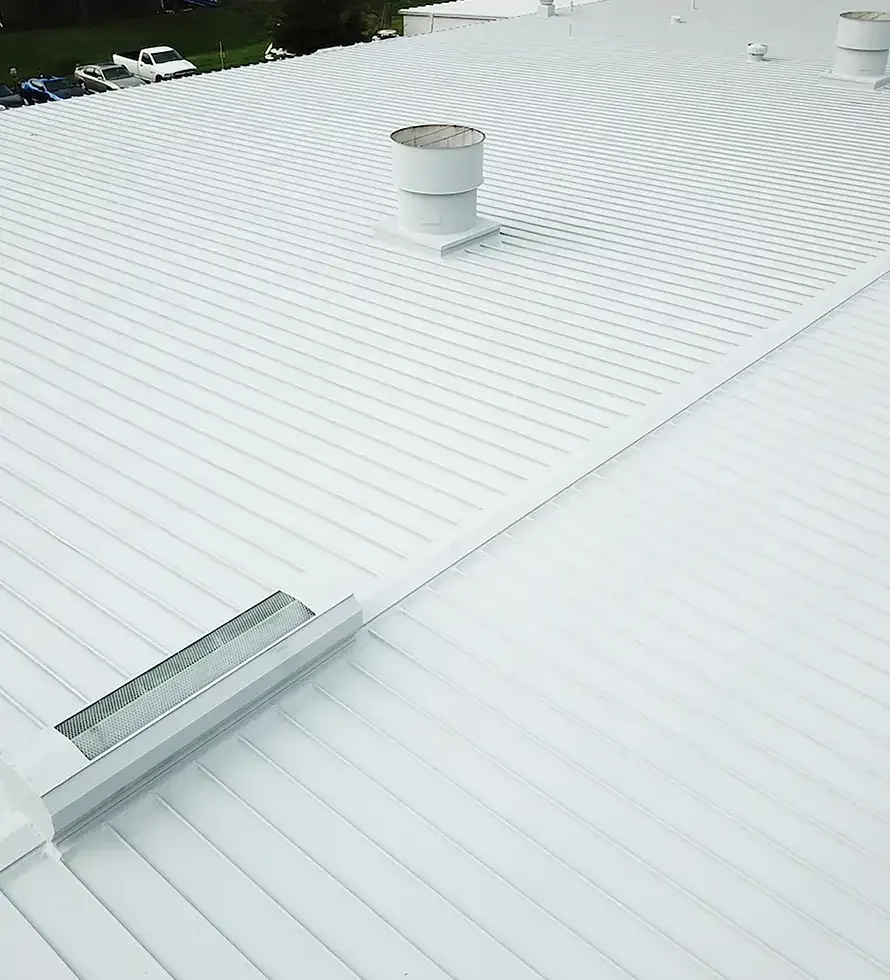
Field coating is only part of the roof. At seams, curbs, pipes, skylights, drains, and wall transitions, we inspect movement, adhesion, flashing, and the substrate below. Reinforcing fabric or detail coating may be part of the system, but it should be applied to a stable, prepared joint. A coating bridge over a moving gap can split, while an unflashed penetration can continue admitting water beneath the new surface.
Buildings near Paine Field include aviation maintenance and hangar uses, and the Port area supports active industrial work. Equipment service routes can abrade coatings or expose penetrations during later maintenance. We mark access paths and identify where walk pads or separate flashing repairs are needed. A curb review can coordinate rooftop units, while a flashing assessment can address skylight and pipe details.
Choose a workable application window
Acrylic application needs suitable substrate temperature, surface dryness, and enough time without rain for the product to cure. Humidity, dew, wind, and changing weather affect whether the surface can be prepared and coated. We sequence cleaning, primer, detail reinforcement, and field coats by roof zone, protecting unfinished edges at the end of a shift. If a forecast change shortens the window, the crew defers a section rather than leave a thin or uncured layer exposed.
Everett's highest monthly precipitation normals occur in November, January, and December, so planning often weighs seasonal access against the owner's schedule. A building near the Port may require deliveries to avoid cargo movement; a Paine Field facility may have controlled access and active equipment. The property contact confirms those rules. The work record lists the weather and surface conditions that governed application.
Compare coating chemistry and renewal options
Acrylic systems are water-based and can provide a reflective protective layer on compatible roofs. Their maintenance and recoat behavior differs from silicone, which may be considered where water exposure is greater within product limits. Neither coating corrects an unstable assembly, active leak, or poor drainage. We review expected water exposure, existing chemistry, maintenance access, and repair history before comparing products.
Owners can compare silicone coating with an acrylic system after adhesion and drainage are assessed. A spray-foam roof has a different substrate and protective coating role. When the membrane is loose, wet, or deteriorated, a repair assessment or replacement review may be more appropriate than coating. The proposal identifies preparation and excluded areas. For a building with an existing single-ply membrane, a TPO roof review can clarify whether restoration or a different scope deserves comparison after compatibility is established. We include access limits, likely maintenance intervals, and the condition of high-risk details in that discussion. The final choice follows inspection evidence and product requirements, not a generic claim that one coating fits every roof.
Record coverage and future maintenance
The closeout lists surface preparation, primer, acrylic product, details reinforced, areas coated, weather conditions, and any exclusions. Photos show the roof before application where repairs were made and the completed transitions. We record the maintenance tasks needed to keep drains open and to inspect seams, curbs, and edges. Coating can age or be damaged by later service work, so the next inspection should compare the same zones. The closeout should also retain the product and batch details, coverage boundaries, test-area result, and any roof areas excluded from restoration. When a service technician later crosses the roof, the owner can direct that work toward established paths and flag new cuts or punctures for prompt repair. A repeatable inspection record is more useful than a general note that the roof was coated.
For commercial roofs in Metro Everett or near the Everett industrial waterfront, access and operating schedules differ, but each building needs its own coating record. A condition report can retain adhesion tests, repair zones, and recoat decisions. Request an acrylic coating evaluation with the existing system name, leak history, prior coating records, and any moisture testing available.
Commercial Roofing Questions
Is acrylic coating suitable for a roof with ponding water?
Standing water and drainage need evaluation before acrylic is selected. The inspection should identify whether cleaning, slope correction, or a different product is required.
Can acrylic coating be applied over an old coating?
Only when the existing layer is bonded and compatible with the new system. Cleaning, adhesion testing, or removal may be needed before application.
What weather conditions delay application?
Rain, dew, cold surfaces, high humidity, and a short cure window can limit work. The crew schedules by roof condition and product requirements.
Will a new coating stop a leak at a curb?
The curb flashing and substrate must be repaired first. Field coating alone may not close a failed penetration or moving transition.
How should the roof be maintained after coating?
Keep outlets open, inspect seams and reinforced details, and record damage from equipment work. Future visits should compare the same roof zones.
Questions Owners Ask
Is acrylic coating suitable for a roof with ponding water?
Standing water and drainage need evaluation before acrylic is selected. The inspection should identify whether cleaning, slope correction, or a different product is required.
Can acrylic coating be applied over an old coating?
Only when the existing layer is bonded and compatible with the new system. Cleaning, adhesion testing, or removal may be needed before application.
What weather conditions delay application?
Rain, dew, cold surfaces, high humidity, and a short cure window can limit work. The crew schedules by roof condition and product requirements.
Will a new coating stop a leak at a curb?
The curb flashing and substrate must be repaired first. Field coating alone may not close a failed penetration or moving transition.
How should the roof be maintained after coating?
Keep outlets open, inspect seams and reinforced details, and record damage from equipment work. Future visits should compare the same roof zones.
Check adhesion and drainage before coating
Schedule an Everett acrylic coating evaluation. We will document substrate condition, moisture, runoff, details, and the preparation required for restoration.
Related Roofing Work
- Commercial Roof Inspection
- Commercial Roof Coating Restoration
- Silicone Roof Coatings
- Spray Polyurethane Foam Roofing
- TPO Roofing
- Everett Industrial Waterfront
Browse every page in Roof Systems, or request a roof assessment and we will walk the roof with you.
Questions about this roof? Call 555-555-5555.