Commercial Roof Repair, Replacement & Maintenance
Versico Commercial Roofing Review in Everett, WA
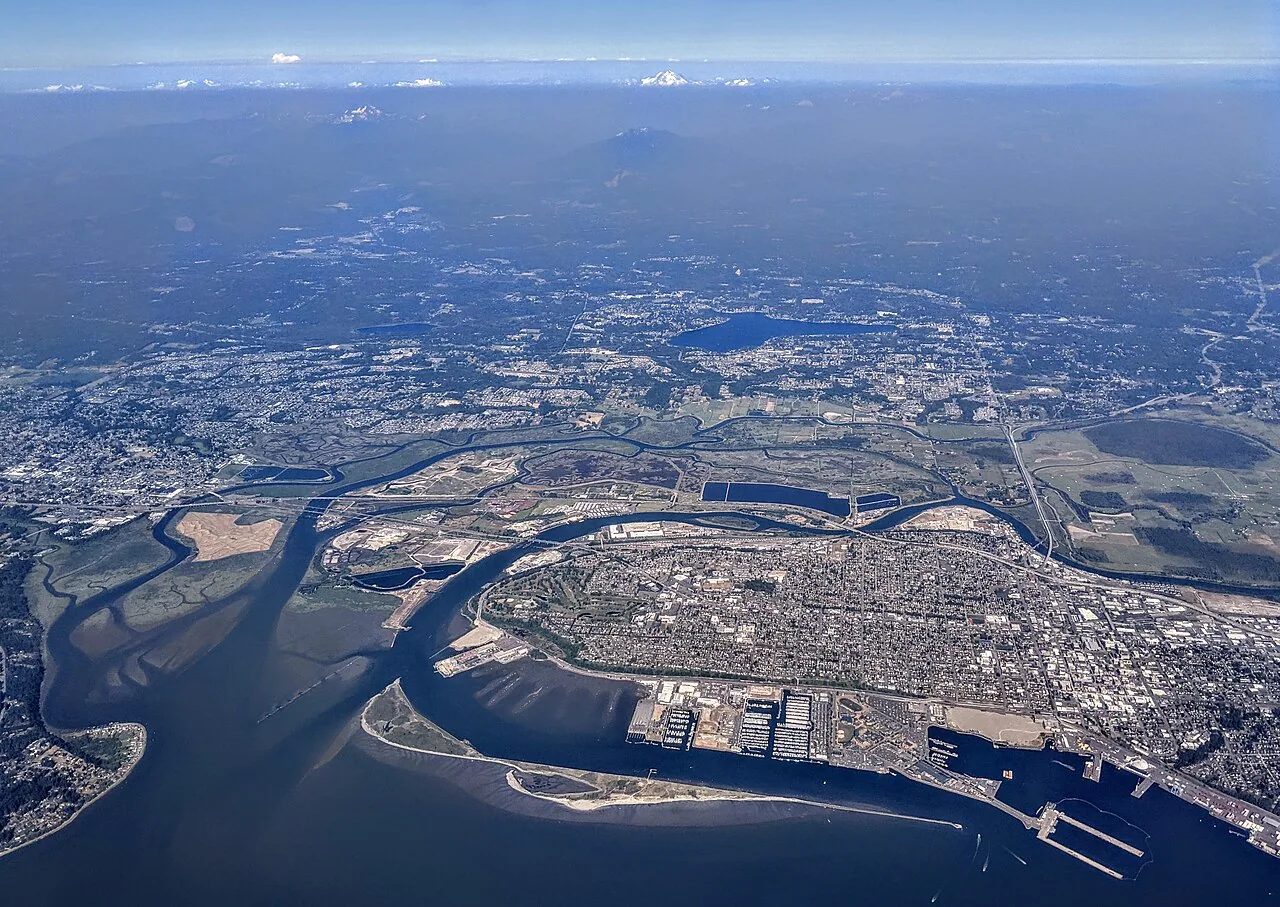
A Versico logo on a submittal is a starting point for identification, not a diagnosis. Versico offers EPDM, TPO, and PVC single-ply systems, and each material brings different seam, flashing, and repair details. The roof in place may also include more than one assembly after additions or earlier reroofing. We begin by checking records against accessible field conditions, then map the reported leak, drainage, penetrations, and perimeter details. Everett's maritime, manufacturing, and aviation districts serve different schedules and access needs. A roof inspection gives the owner a baseline before comparing a rubber membrane or considering a targeted repair.
Identify EPDM, TPO, or PVC before selecting a detail
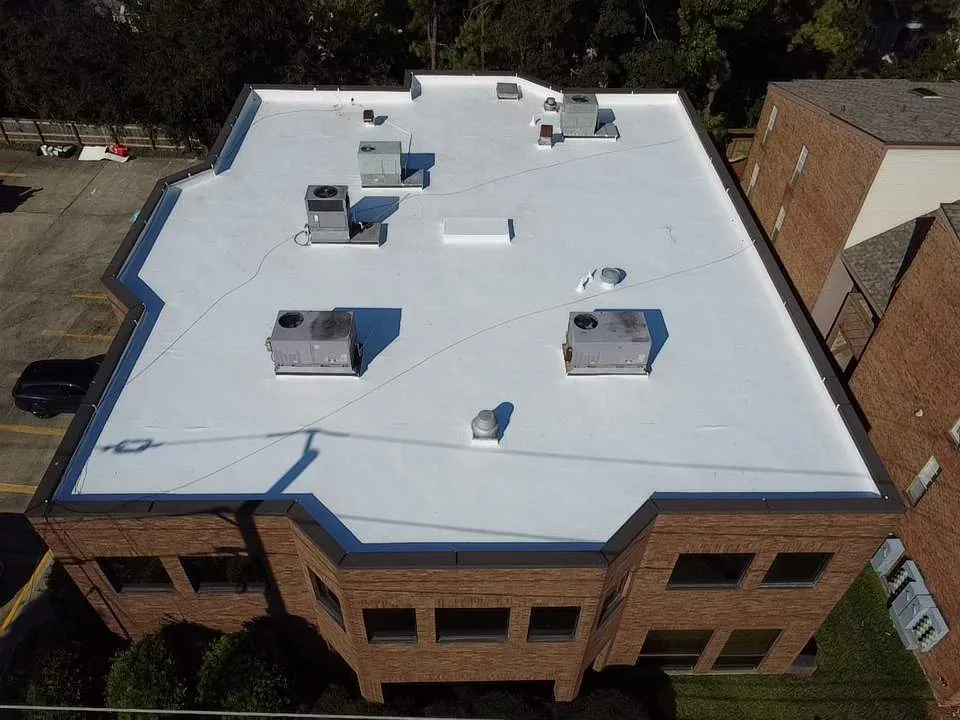
Versico's product families include VersiGard EPDM, VersiWeld TPO, and VersiFlex PVC. Confirm the installed membrane from product labels, close-up details, project records, or a suitable field sample. Color alone is not reliable: aged surfaces, coatings, dirt, and prior repairs can obscure the original material. Record thickness and reinforcement where they can be established, and note whether the roof field, edge, and wall flashing appear to come from separate work phases.
System identity affects repair chemistry and workmanship. EPDM seams commonly use adhesive or tape details; TPO and PVC field seams are heat welded. Those categories do not eliminate product-specific preparation requirements. A patch needs compatible material, a clean and stable surface, and an appropriate tie-in. When records conflict with the field, document the discrepancy and hold the final product call until it is resolved. For a new assembly, compare a TPO option with the actual building criteria instead of choosing by label alone.
Review EPDM laps, flashing, and repair history
On an EPDM section, inspect the lap direction, seam tape or adhesive, termination conditions, and patches around penetrations. Look for fishmouths, lifted edges, wrinkles that channel water, shrinking at walls, and repairs that have released at one edge. Make a roof-plan mark for each test location. A visible stain below a seam does not prove that seam is the entry point; trace the likely path and check nearby curbs, pipes, edge metal, and wall transitions.
Previous repair layers can complicate adhesion. Identify the actual surface exposed at the repair boundary and whether contaminants, coating, or incompatible material will need removal. Do not promise a lasting patch over an unstable substrate. If moisture is suspected under the membrane, specify how it will be checked and where removal may expand. Everett's wet months can compress repair windows, so note weather and surface conditions when work is performed. A scheduled maintenance visit can revisit repairs and drain conditions before the next wet season.
Probe VersiWeld and VersiFlex welds
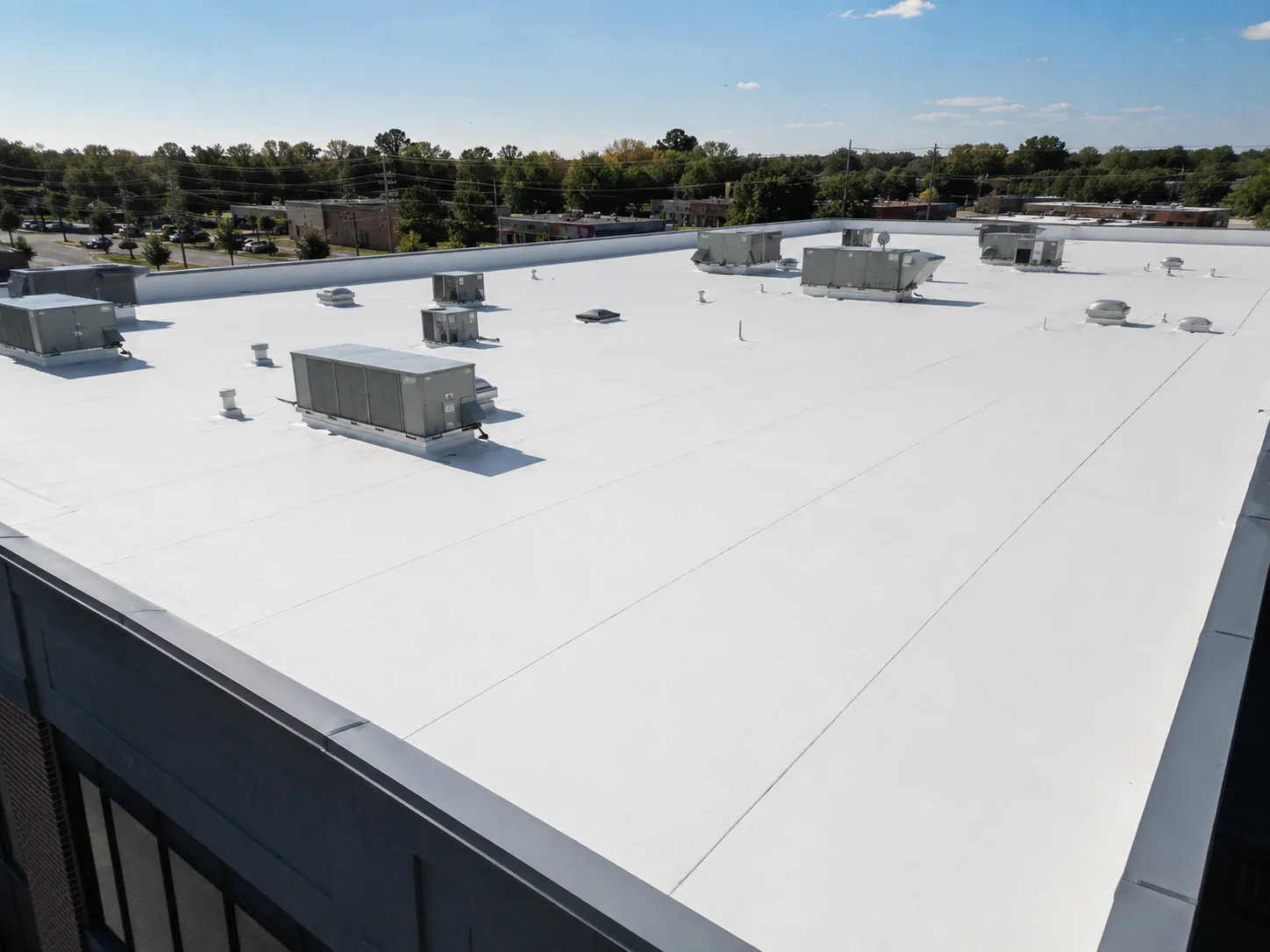
TPO and PVC both rely on heat-welded seams, but they are distinct materials with product-specific requirements. Probe accessible seam edges, corners, welded junctions, patches, and vertical flashing. Record the segment tested and any defect boundary rather than reporting a broad pass or fail. A suspect weld can result from contamination, temperature, pressure, movement, or installation detail; identify evidence before assigning a cause. At a repaired section, check the perimeter of the patch and adjacent membrane for secure bond.
Do not treat every thermoplastic as interchangeable. A coating or repair material approved for one system may not be appropriate on another. Confirm the product family and current technical direction before selecting materials, especially where a roof has been modified or the original records are incomplete. Everett's freeze-thaw exposure is limited compared with colder inland markets, but cold mornings and wet surfaces still affect preparation. Schedule work when the substrate can be prepared and welded correctly, then preserve test notes with the repair record.
Map drainage components separately from membrane defects
Inspect drains, strainers, scuppers, overflow routes, sumps, and discharge points even when the initial call names a roof seam. Debris, loose clamping rings, failed drain inserts, or a blocked conductor can produce water where a membrane repair alone will not solve the problem. Photograph the outlet and its surrounding flashing. If water is present, record its boundary and depth where practical, and distinguish a recent rain condition from a persistent low area.
Everett receives about 40.25 inches of precipitation in an average year, with the wettest normals in late fall and winter. Use the wet-season schedule for routine outlet checks, then base corrective work on the roof’s measured drainage conditions. A ponding assessment should tie any observation to a repeat visit or documented roof geometry. On active industrial properties near the Port or Delta rail area, coordinate access and isolate work zones without blocking loading or emergency routes. Add drainage findings to the repair scope so operations staff can see which work restores the membrane and which restores water movement.
Trace fastening and edge details through the assembly
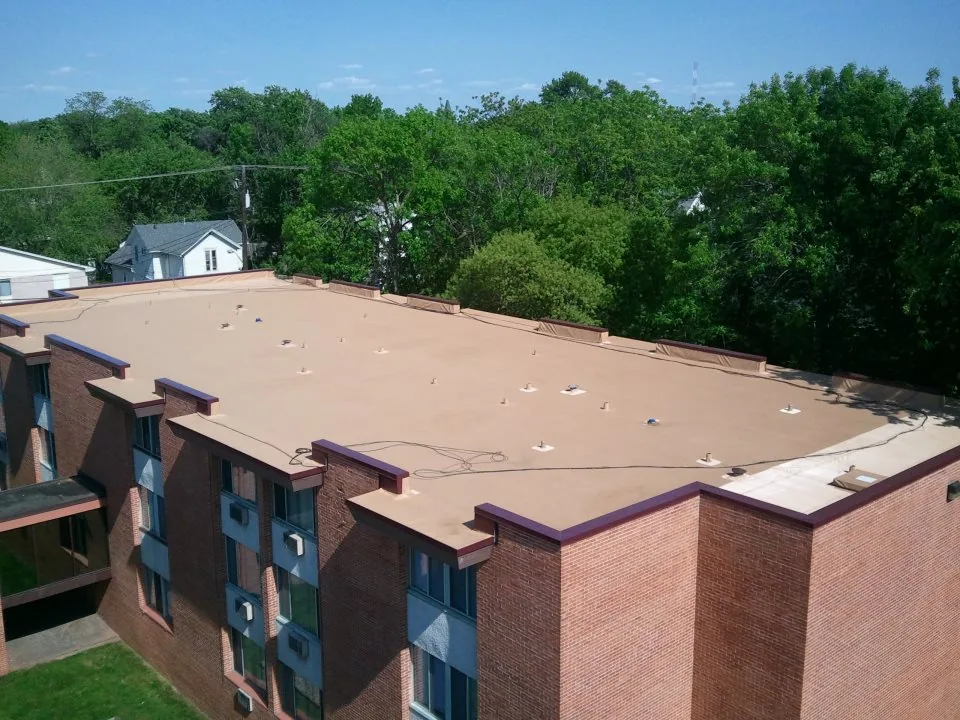
Attachment can vary across Versico systems and across separate sections of the same roof. Review submittals and exposed details to determine whether the field is adhered or mechanically attached and how the perimeter is secured. Inspect edge metal, fasteners, termination bars, parapet transitions, and corners for movement or separation. Where a leak aligns with an edge, check the full transition rather than stopping at the membrane field. Document evidence of movement, missing fasteners, or earlier repair before prescribing a larger replacement.
Operational access matters at Paine Field facilities, where airport support, maintenance, and aviation tenants may have controlled areas or active equipment. A roof plan should identify ladder points, escorts, fall-protection tie-off points, and any restricted zones. For manufacturing roofs, confirm shutdown windows and rooftop equipment hazards with the facility contact. These considerations change the safe work plan, not the diagnosis. A report that separates technical observations from access constraints helps owners compare bids and identify what can be completed during each work window.
Compare complete assemblies instead of brand names
A replacement comparison should state more than a membrane family. List deck condition, insulation, cover board, attachment, edge details, penetrations, drainage work, tear-off assumptions, and warranty requirements. Compare proposals using the same quantities and inclusions so the difference is visible. Versico may offer a suitable candidate system, but final selection requires building-specific review of substrate, wind design, occupancy, code, roof geometry, and the owner's maintenance capacity.
Washington's building and energy codes apply to design and permitting in Everett. Confirm current project requirements and the responsible review path rather than relying on a generic product description. If work is phased, identify each section boundary and the temporary tie-in protection that will remain between phases. A multi-building owner can rank roofs by condition and operating consequence while preserving each building's unique assembly data. A capital plan can sequence work, and a Carlisle system review can support a like-for-like product discussion when the criteria are held constant.
Record the installation and follow-up requirements
At closeout, retain product identifiers, membrane type, reinforcement and thickness when verified, insulation layers, attachment, flashing and edge details, and approved substitutions. Add marked roof plans, seam test locations, before-and-after photos, repair boundaries, and any moisture testing. Note conditions left outside the scope. These records help a future service crew identify the actual system and avoid repeating exploratory work.
Property teams covering Metro Everett, the Port waterfront, and Paine Field can centralize dates and roof histories while maintaining a separate record for every building. Keep warranty requirements with the applicable roof documents and confirm them against the issued warranty. A condition report can give finance and facilities teams the same baseline for planning and later review.
For another system comparison, review Duro-Last and keep the project criteria constant. Teams working across the Metro Everett area can coordinate access without treating separate roofs as one assembly.
Commercial Roofing Questions
What Versico roof types might be present on a commercial building?
Versico product families include EPDM, TPO, and PVC. Verify the installed membrane and assembly from records and field conditions.
Are Versico TPO and PVC repaired the same way?
No. They are different materials. Identify the membrane, confirm compatible products, and follow system-specific preparation and welding requirements.
Can a roof inspection identify the source of every interior leak?
It can map observed evidence and likely pathways, but concealed conditions may require testing or selective opening before a cause is confirmed.
What records help with a Versico roof evaluation?
Gather product labels, roof plans, warranty papers, prior repairs, leak dates, interior locations, and building access or operating rules.
Questions Owners Ask
What Versico roof types might be present on a commercial building?
Versico product families include EPDM, TPO, and PVC. Verify the installed membrane and assembly from records and field conditions.
Are Versico TPO and PVC repaired the same way?
No. They are different materials. Identify the membrane, confirm compatible products, and follow system-specific preparation and welding requirements.
Can a roof inspection identify the source of every interior leak?
It can map observed evidence and likely pathways, but concealed conditions may require testing or selective opening before a cause is confirmed.
What records help with a Versico roof evaluation?
Gather product labels, roof plans, warranty papers, prior repairs, leak dates, interior locations, and building access or operating rules.
Verify the membrane before repair
Arrange an Everett roof assessment to document the system, seams, edges, drainage, and service constraints before the next repair is specified.
Related Roofing Work
- Commercial Roof Inspection
- Commercial Roof Repair
- TPO Roofing
- Preventive Roof Maintenance
- Ponding Water Roof Repair
- Commercial Roof Capital Planning
- Carlisle SynTec Commercial Roofing Systems
- Duro-Last Commercial Roofing
Browse every page in Roofing Manufacturers, or request a roof assessment and we will walk the roof with you.
Questions about this roof? Call 555-555-5555.